
We have all been there. You wake up, stroll into the kitchen, and lovingly prepare your morning brew. You’ve got the bag of beans, the kettle is whistling, and the aroma fills the room. But then you take that first sip and… it’s just okay. It’s fine. But it isn't that cup you had at the local speciality shop yesterday. You know the one, the coffee that was syrupy, sweet, and had that perfect "how did they do that?" finish.
So, why the gap? Is it magic? Is it the expensive beard the barista is sporting? Surprisingly, no.
At Limini Coffee, we spend our days obsessing over the tiny details that turn a "fine" cup of coffee into an extraordinary one. The difference between home brewing and café brewing isn't usually down to one big secret; it's a combination of ten small variables that add up to a massive difference in the cup.
Let's dive into why your home brew might be falling short and, more importantly, exactly how you can fix it.
1. Your Beans Aren't as Fresh as You Think
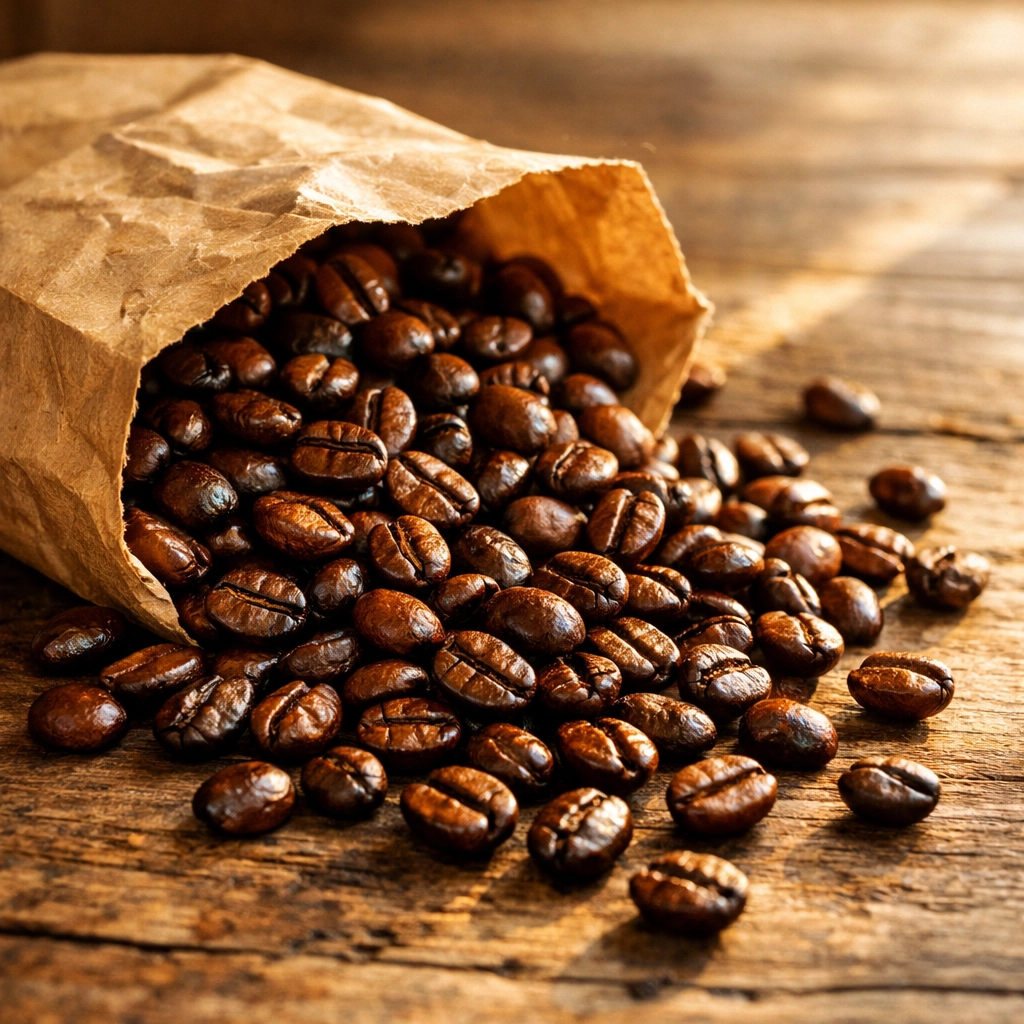
This is the big one. Most coffee bought from a supermarket has been sitting on a shelf for weeks, if not months. Even if the bag is sealed, coffee starts to lose its vibrant aromatic compounds the moment it leaves the roaster.
When we roast coffee here at Limini, we’re looking for that "sweet spot", usually between 5 and 21 days after roasting. If your beans are older than a month, they’ve likely gone stale. Stale beans taste flat, woody, and bitter.
The Fix: Buy fresh. Look for a "Roasted On" date, not a "Best Before" date. We recommend ordering small batches frequently so you’re always using beans at their peak. You can find our latest seasonal roasts over at Limini Coffee.
2. The Water Quality (It’s 98% of your cup!)
If you’re using water straight from the tap, you’re already at a disadvantage. Depending on where you live, your tap water might be full of chlorine, fluoride, or heavy minerals (hard water). These minerals don't just scale up your machine; they physically block the water from extracting the delicious oils and flavours from the coffee grounds.
On the flip side, water that is too soft (like distilled water) will result in a flat, sour extraction because it lacks the minerals needed to "grab" the flavour.
The Fix: Use a simple charcoal water filter jug (like a Brita) at the very least. If you want to get serious, look into third-wave water mineral packets. Basically, if your water tastes "hard" or chemical, your coffee will too.
3. Grind Consistency: The Burr vs. Blade Battle
Are you using a blade grinder? The kind that whirrs around like a blender? If so, that’s likely your biggest hurdle. Blade grinders chop coffee into uneven shards, some are dust (fines), and some are boulders. When you brew, the dust over-extracts and tastes bitter, while the boulders under-extract and taste sour.
Cafés use professional burr grinders that ensure every single coffee particle is the exact same size. This leads to an even, balanced extraction.
The Fix: Invest in a decent burr grinder. Even a high-quality manual hand grinder will beat a cheap electric blade grinder any day. It’s the single best investment you can make for your home setup.
4. You’re Not Using a Scale
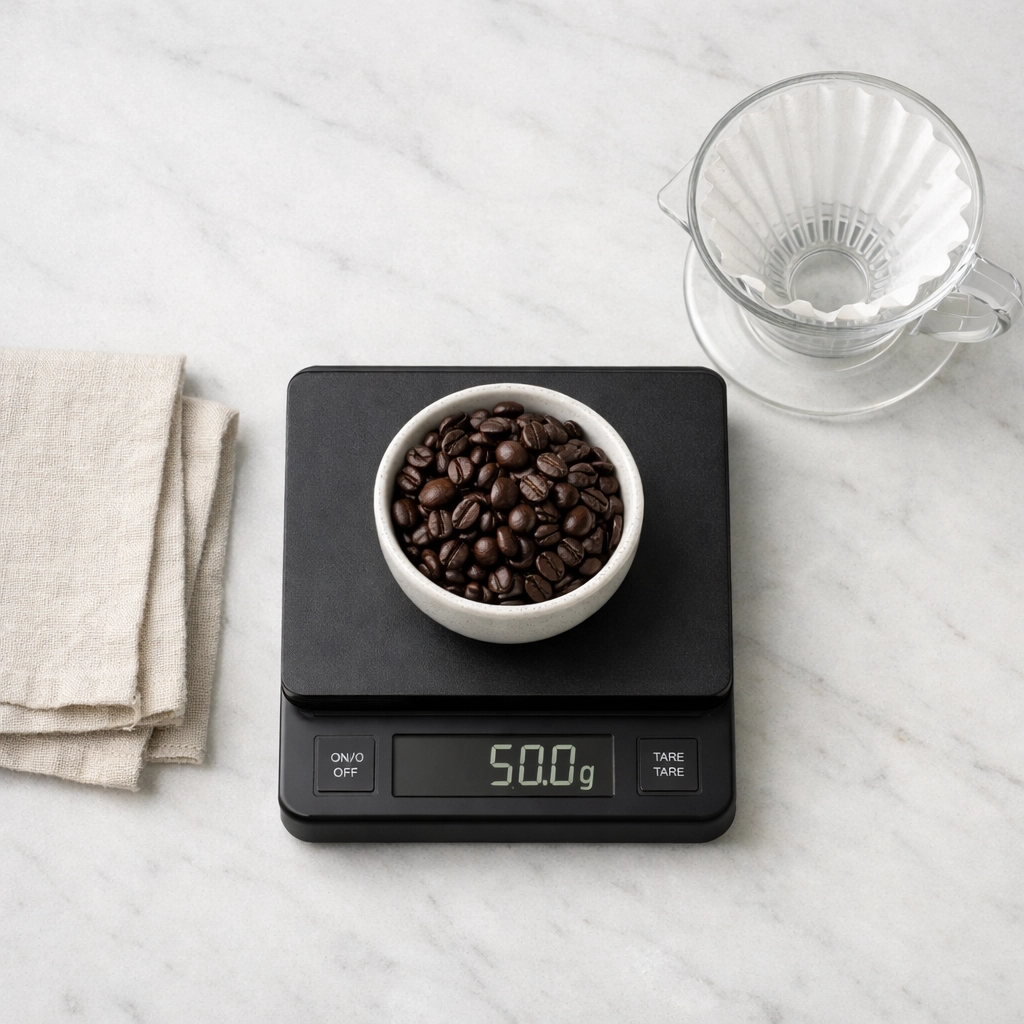
"Two scoops" is not a measurement. Coffee beans vary in density; a scoop of a dark roast will weigh significantly less than a scoop of a light roast. If you aren't weighing your coffee and your water, you’re playing a guessing game every morning.
Precision is the hallmark of a great barista. We use ratios, usually 1 gram of coffee to 16 or 17 grams of water for filter coffee.
The Fix: Buy a digital scale that measures to 0.1g. Weigh your beans before grinding and weigh the water as you pour. Consistency is the only way to repeat a great cup. You can even use our coffee brewing calculator to get your ratios perfect.
5. Water Temperature is Too High (or Too Low)
We’ve all heard the myth that you should use "boiling water." Please, don't. Boiling water (100 °C / 212 °F) can scorch the delicate grounds, resulting in a harsh, ashy taste. Conversely, if your water is too cool (below 85 °C / 185 °F), you won't extract enough sweetness.
The Fix: Aim for a temperature between 88 °C and 95 °C (190 °F to 203 °F). If you don't have a temperature-controlled kettle, simply let your kettle sit for about 2 minutes after it boils before you start pouring.
6. Dirty Equipment = Dirty Flavour
Coffee is oily. Over time, those oils sit on your portafilter, your shower screen, or the bottom of your French press and go rancid. If you haven't cleaned your equipment with a dedicated coffee detergent recently, you're likely tasting last month's old, burnt oils.
The Fix: Clean your gear! For espresso machines, "backflushing" with a cleaning powder is essential. For filter brewers, a simple scrub with hot, soapy water isn't enough: use a coffee-specific cleaner once a week to strip those stubborn oils. You can see how we keep things shiny in our training overview.
7. Milk Handling and Microfoam
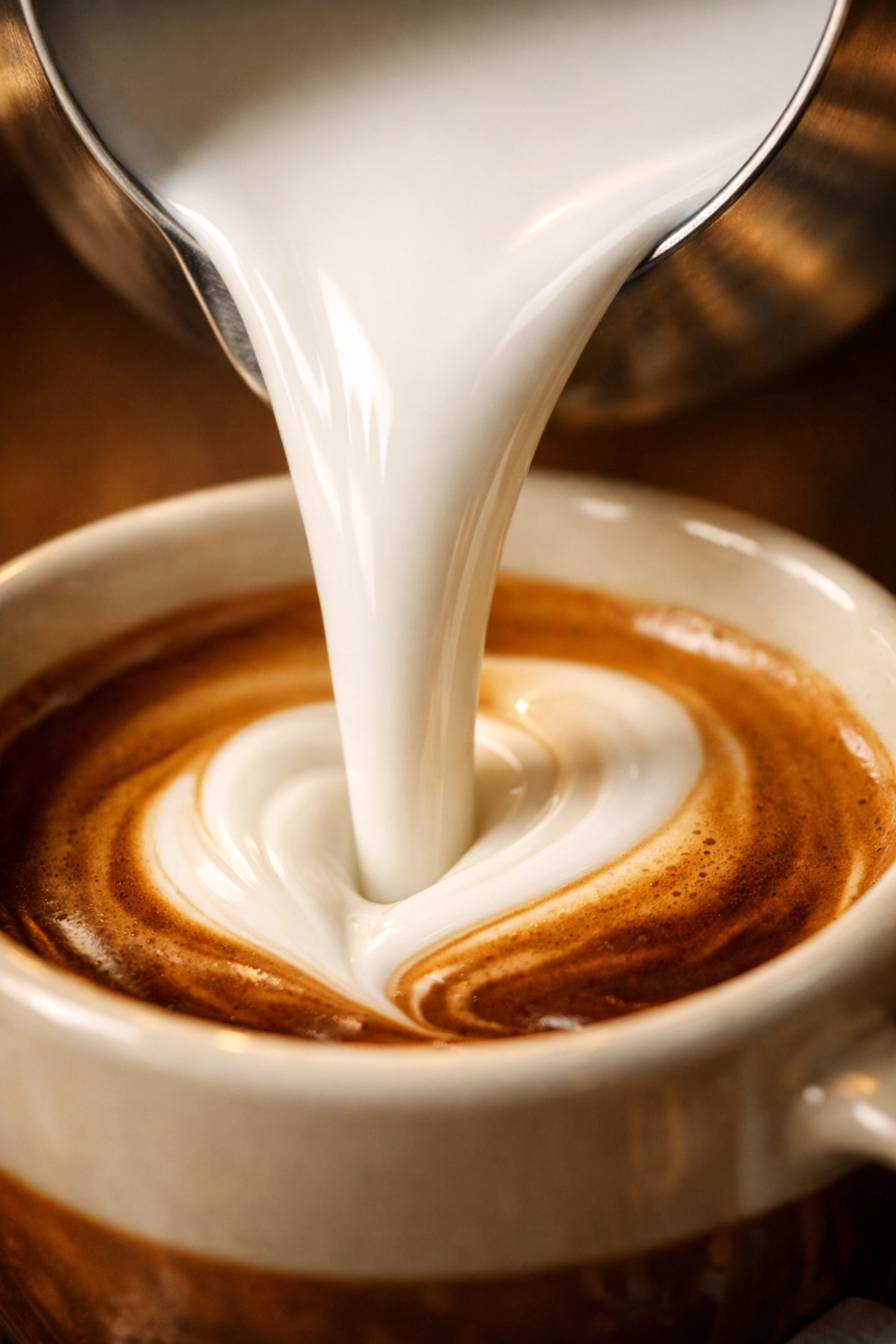
If you're a latte or cappuccino lover, the milk is often where things go wrong. Most home steam wands are underpowered, leading to "bubble bath" foam: large, dry bubbles sitting on top of hot milk. Cafés produce microfoam, which has a texture like wet paint.
Furthermore, many people overheat their milk. If you go past 70 °C (158 °F), the proteins break down and the sweetness disappears, replaced by a "cooked" or "scalded" taste.
The Fix: Aim for a milk temperature between 60 °C and 65 °C (140 °F to 150 °F). This is the sweet spot where the lactose is most perceived as sweet. If you’re struggling with technique, check out our guide on understanding milk.
8. The "Dose" is Too Small
Did you know that many high-end cafés use "triple" baskets? While a standard home double shot might be 14g of coffee, many pros are using 18g, 19g, or even 22g of coffee for a single drink. This creates a much higher concentration of flavour and a richer mouthfeel.
If your home espresso feels "thin," you might just need more coffee in the basket.
The Fix: Check your basket size. If you can fit 18g in there without it hitting the shower screen, try it! A larger dose often leads to a more "café-like" intensity. For more on this, our choosing espresso equipment guide can help.
9. Lack of "Dialling In"
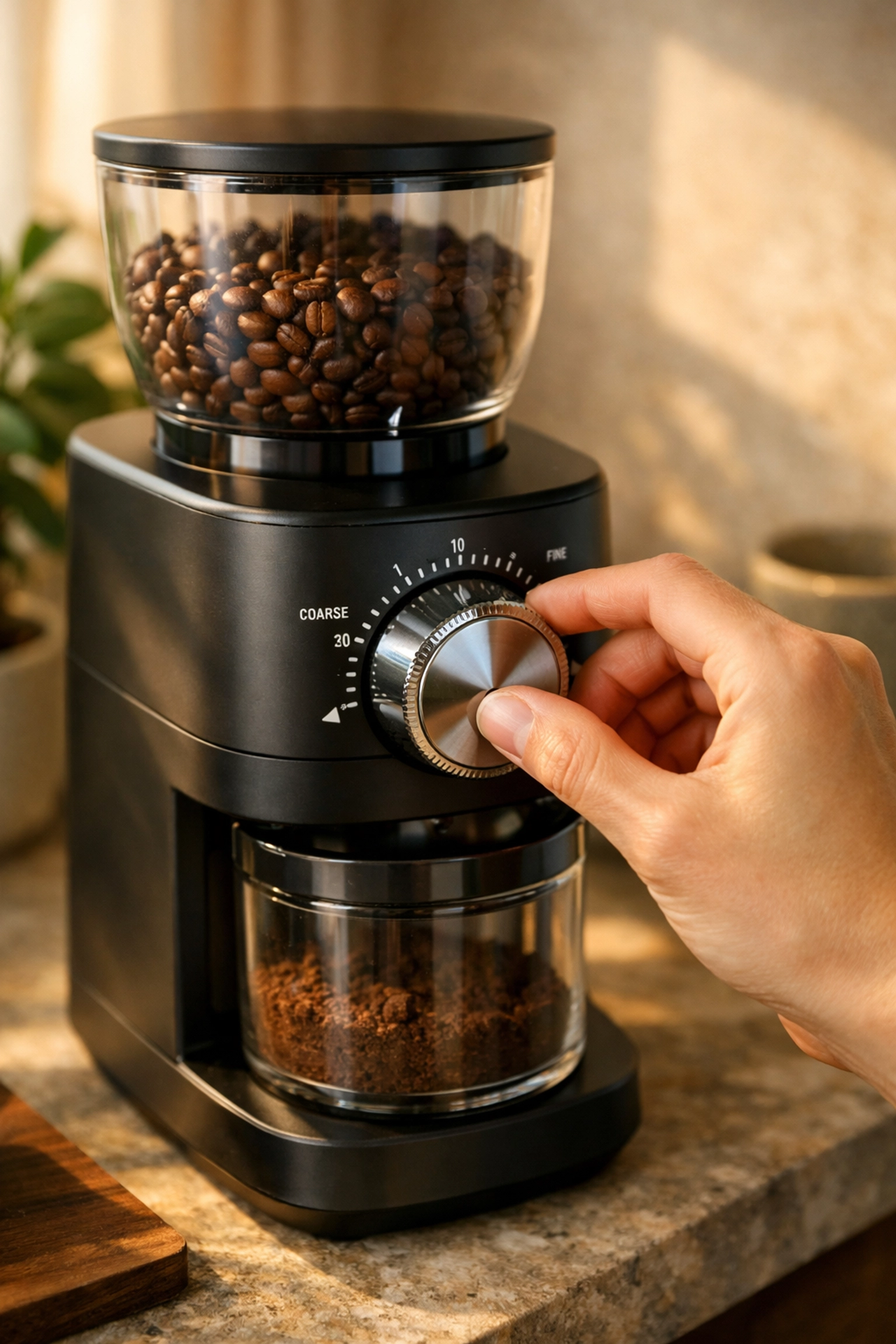
In a café, the barista tastes the coffee several times a day. As the temperature and humidity in the room change, the coffee changes too. They adjust the grind size (dialling in) to ensure the shot is pouring at the perfect rate.
At home, we often set the grinder once and leave it for a month. But as the beans age, they require a finer grind to maintain the same extraction.
The Fix: If your coffee starts tasting sour or watery, grind a little finer. If it's becoming bitter or taking too long to brew, go coarser. Don't be afraid to move that dial!
10. The Equipment Bottleneck
We hate to say it, but sometimes the gear really does matter. A £50 espresso machine from a department store simply cannot produce the 9 BAR of consistent pressure or the thermal stability required for true speciality espresso. These machines often use "pressurised baskets" to create fake crema, which masks the true flavour of the bean.
The Fix: You don't need to spend £5,000, but moving to a machine with a non-pressurised basket and a PID (Proportional-Integral-Derivative) controller for temperature stability makes a world of difference. If you're looking for the gold standard, we often recommend looking at La Spaziale machines for their incredible reliability and temperature control.
How to Start Improving Today
It can feel overwhelming to change everything at once. If we were to give you a roadmap, it would look like this:
- Buy fresh beans. Head over to the Limini Coffee shop and grab a bag of something roasted this week.
- Use a scale. Stop guessing. Start weighing.
- Filter your water. It's cheap and makes a massive difference.
Coffee is a journey, and honestly, that's the beauty of it. Each cup is an opportunity to learn something new about extraction, origin, and technique. If you ever feel like you've hit a wall, we offer barista training to help you bridge that gap between "home enthusiast" and "pro."
The difference between your kitchen and your favorite café is usually just a few grams, a few degrees, and a little bit of practice. Keep brewing, keep tasting, and most importantly, keep enjoying the process!
If you want to ensure you're starting with the best possible foundation, don't forget to check out our latest single-origin beans and blends at Limini Coffee. Happy brewing!
Leave a Reply