
So, you’ve got the fancy dripper, you’ve bought the designer filters, and you’re standing in your kitchen on a Saturday morning ready to channel your inner barista. We’ve all been there. But sometimes, despite our best intentions and most expensive gear, the coffee in the cup just doesn't quite match the magic we experience at our favourite speciality cafe.
Why is that? Usually, it isn't one big mistake. It is often a collection of tiny, overlooked details that separate a "good" cup from a "mind-blowing" one. We believe that everyone deserves to drink world-class coffee at home without needing a PhD in chemistry.
Here at Limini Coffee, we spend our days obsessing over extractions and roast profiles so you don’t have to. But if you want to take your weekend ritual to the next level, we’ve rounded up 15 pro tips that will immediately improve your home brewing game. And if you’re looking for the perfect beans to practice with, you can find our latest seasonal roasts right here at Limini Coffee.
1. Respect the Degassing Phase
We often hear that "fresh is best," but there is actually such a thing as coffee that is too fresh. When coffee is roasted, carbon dioxide (CO2) is trapped inside the bean. If you brew it immediately, that gas escapes rapidly, creating a turbulent environment that prevents water from properly saturating the grounds.
For espresso, we generally recommend waiting at least 7 to 10 days post-roast. For filter coffee, 3 to 5 days is usually the sweet spot. This allows the flavours to settle and the "sparkle" of the acidity to really shine through.
2. The 98% Rule: It's All About the Water
Your cup of coffee is roughly 98% water. If your tap water tastes a bit "chlorine-y" or is particularly hard (common in many parts of the UK), your coffee will never taste its best. Hard water minerals can over-extract coffee, leading to a chalky, bitter taste, while very soft water can leave it tasting flat.
At the very least, use a basic charcoal filter jug. If you want to go pro, look into third-wave water mineral packets. Trust us, it’s a game-changer.
3. Throw Away the Scoop and Use a Scale
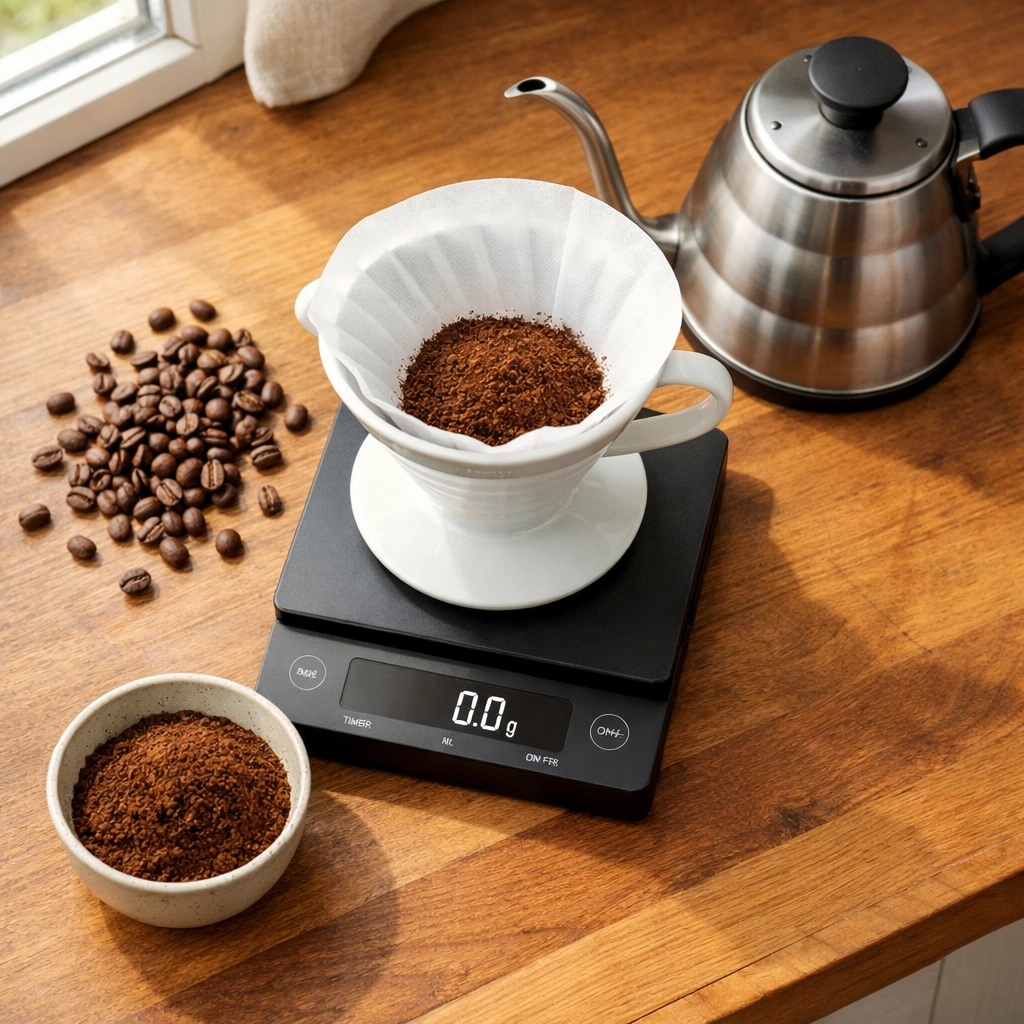
If you take only one tip from this list, let it be this: weigh your coffee and your water. Volumetric measurements (like "two tablespoons") are wildly inaccurate because different beans have different densities. A dark roast is much less dense than a light roast, meaning a scoop of one will weigh significantly less than the other.
Precision is the foundation of consistency. We recommend a starting ratio of 60g of coffee per 1 litre of water (or 1:16.6). If you’re unsure about the math, check out our coffee brewing calculator to get your ratios spot on.
4. Grind Only What You Need (and Right Before You Brew)
The moment you grind coffee, the surface area increases exponentially, exposing it to oxygen. Oxidation is the enemy of flavour. Within fifteen minutes of grinding, a significant portion of those delicate aromatics has literally vanished into thin air.
Invest in a decent burr grinder. Avoid blade grinders: they don’t "grind" so much as they shatter the beans into uneven boulders and dust (fines), which leads to an uneven extraction.
5. Thermal Management: Pre-heat Everything
Have you ever poured a beautiful V60 only for it to be lukewarm by the time you sit down? Or noticed that your espresso tastes sour because the portafilter was cold?
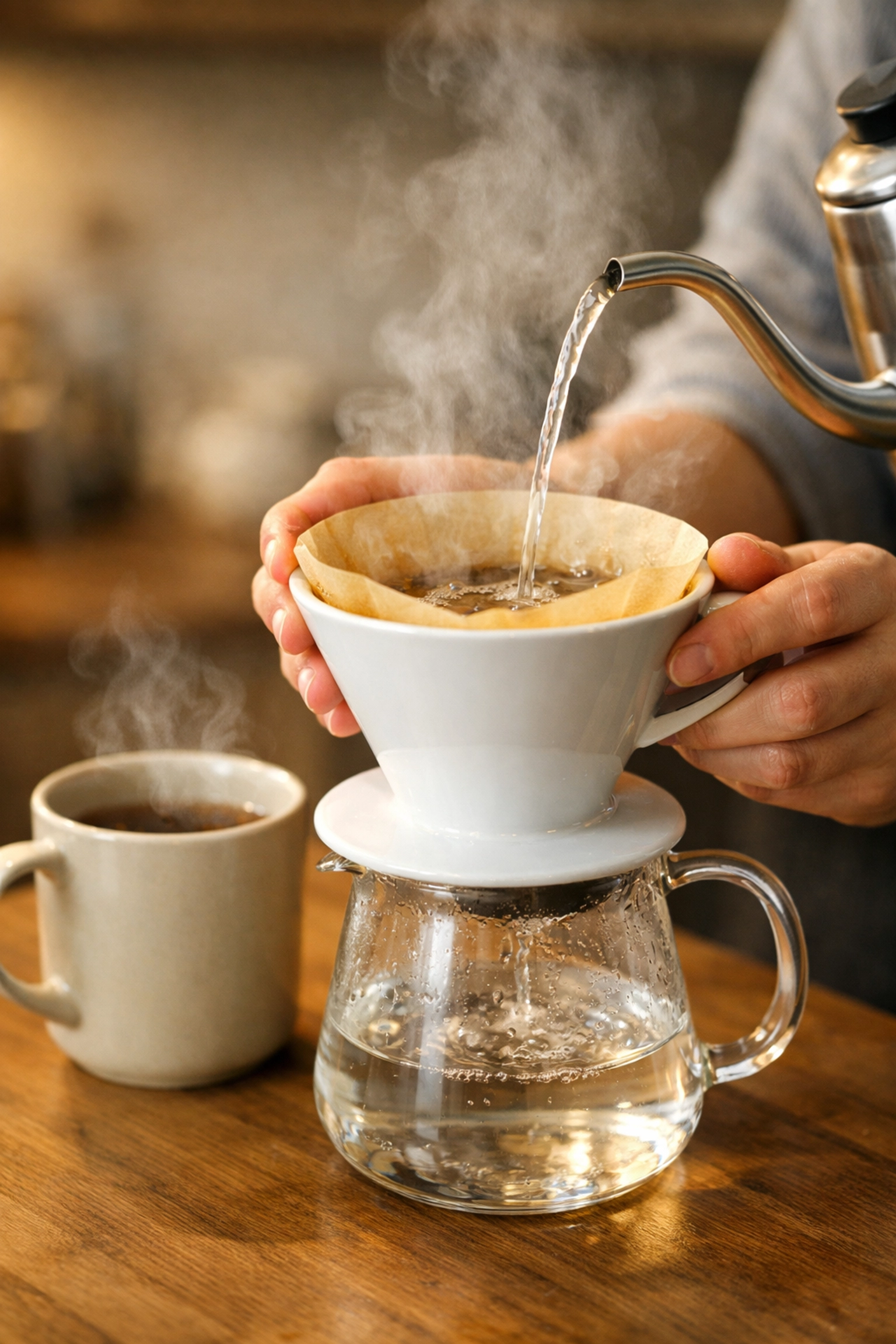
Heat loss is a silent killer of extraction. Before you put any coffee in your brewer, rinse your filter paper with hot water and fill your carafe or cup with boiling water. This stabilises the temperature of the equipment, ensuring the heat stays in the coffee bed where it belongs. This is especially important if you are choosing espresso equipment for home use; look for machines with good thermal stability.
6. Master the "Bloom"
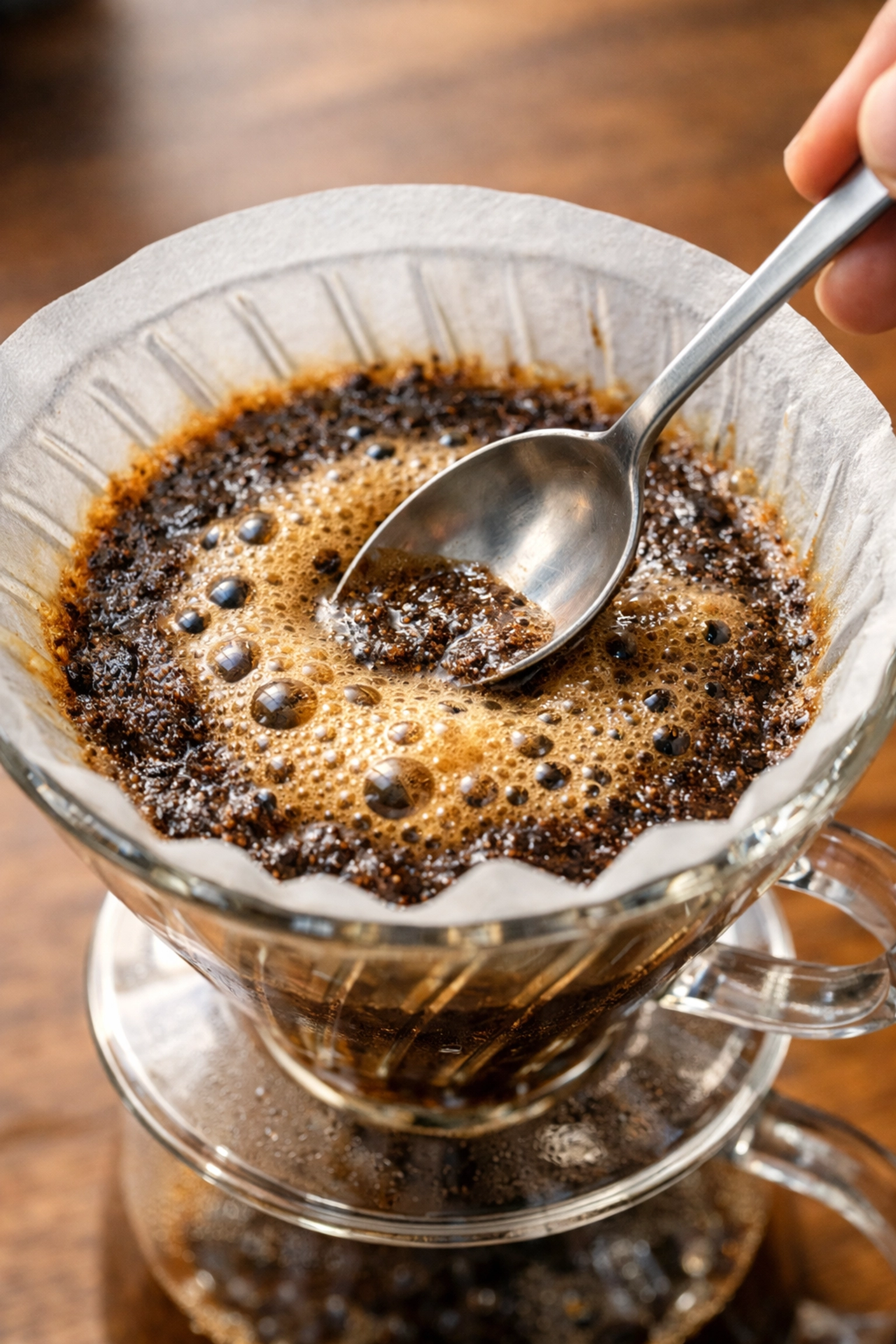
When you first start pouring water over your grounds, you’ll see bubbles rising to the surface. This is the "bloom." It’s that CO2 we mentioned earlier finally making its exit.
For filter coffee, pour about double the weight of the coffee in water (e.g., 30g of water for 15g of coffee) and wait 30–45 seconds. This "wets" the grounds and clears the way for the water to extract the delicious oils and sugars without interference from gas.
7. Agitation is Your Friend (in Moderation)
Sometimes a gentle stir or a swirl of the brewer can help ensure all the coffee grounds are being used. If you see dry pockets of coffee in your brewer, you're leaving flavour on the table. A quick, gentle stir during the bloom phase ensures every grain is participating in the party.
8. Don't Use Boiling Water (Usually)
While we want things hot, "off the boil" is usually better. For most light to medium roast speciality coffees, a temperature between 92 °C and 96 °C (198 °F to 205 °F) is ideal.
If you use water that is too hot, you risk extracting harsh, bitter compounds. If it's too cool (below 88 °C / 190 °F), the coffee may taste sour or underdeveloped. If you’re brewing a darker roast, you can actually drop the temperature even further to around 85 °C / 185 °F to keep the bitterness in check.
9. Understand the "Draw Down"
In pour-over brewing, the time it takes for the water to finish dripping through the coffee is called the draw-down time. If it’s taking five minutes for a single cup, your grind is likely too fine. If it rushes through in ninety seconds, it’s too coarse.
Aim for a total brew time of around 2:30 to 3:30 for most single-cup drippers. Keeping an eye on the clock is just as important as keeping an eye on the scale.
10. Cleanliness is Next to Godliness
Coffee is oily. Those oils eventually go rancid and stick to your equipment. If your French press or portafilter smells like old coffee, your new brew will taste like old coffee.
Use a dedicated coffee cleaner (like Puly Caff or Cafiza) regularly. If you have an espresso machine, backflushing is non-negotiable. If you need help with your machine, we have a guide on espresso machine repair that covers the basics of keeping things running smoothly.
11. Explore Single Origins
If you’ve been drinking "House Blends" your whole life, treat yourself to a Single Origin this weekend. Blends are designed for consistency, but Single Origins are designed to showcase the unique terroir of a specific farm or region.
You might find a Kenyan coffee that tastes like blackcurrants or an Ethiopian that smells like jasmine. We take great pride in sourcing our coffee from farmers who prioritise quality and sustainability. Trying a new origin is the fastest way to develop your palate. Check out our latest arrivals at Limini Coffee.
12. Take Notes (Seriously)
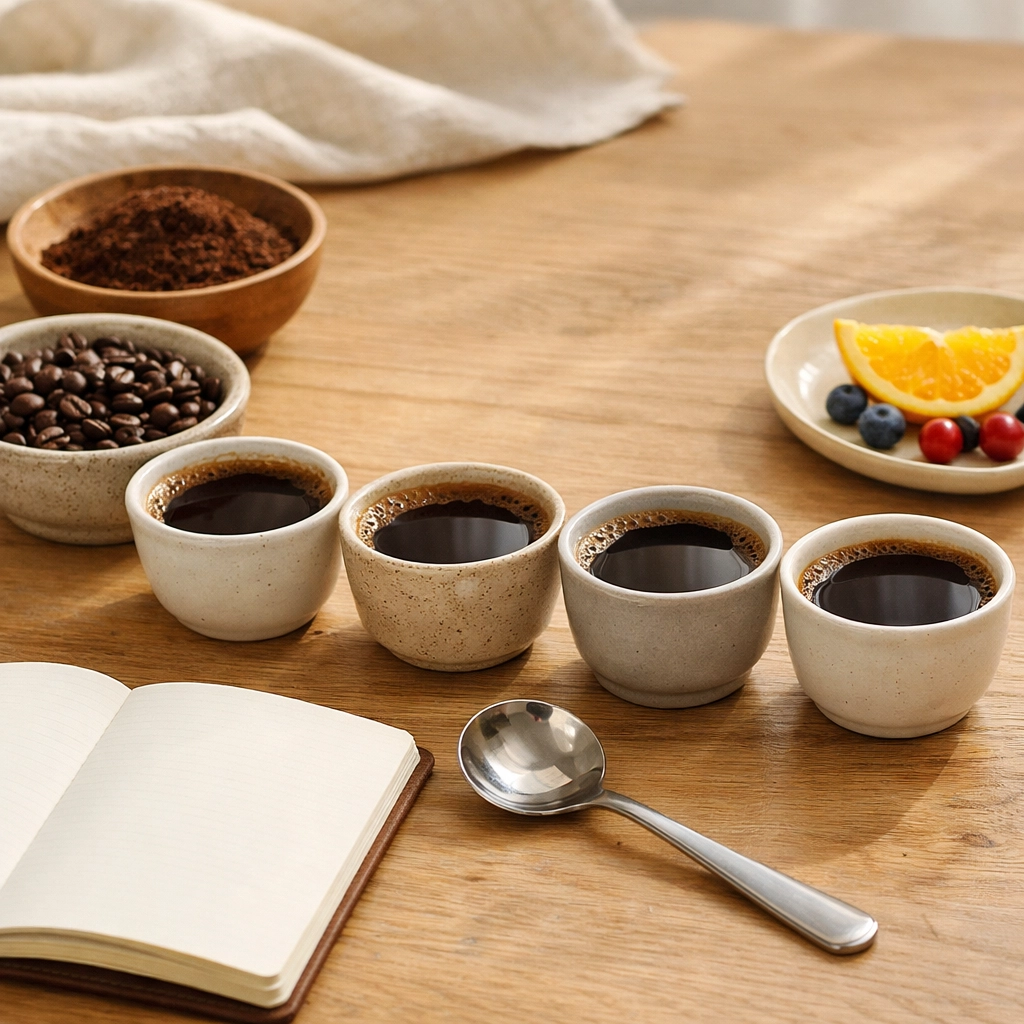
You don’t need a fancy lab notebook, but jotting down your recipe (coffee weight, water weight, grind setting, and time) will help you replicate your successes. If a coffee tastes amazing, you want to know how to do it again. If it tastes like battery acid, you want to know what to change.
13. The "One Variable" Rule
When you are trying to "dial in" a coffee, only change one thing at a time. If you change the grind size and the water temperature and the ratio all at once, you won’t know which change actually fixed the flavour. Be methodical.
Usually, the grind size is the first thing you should adjust. If it's too bitter, go coarser. If it's too sour, go finer.
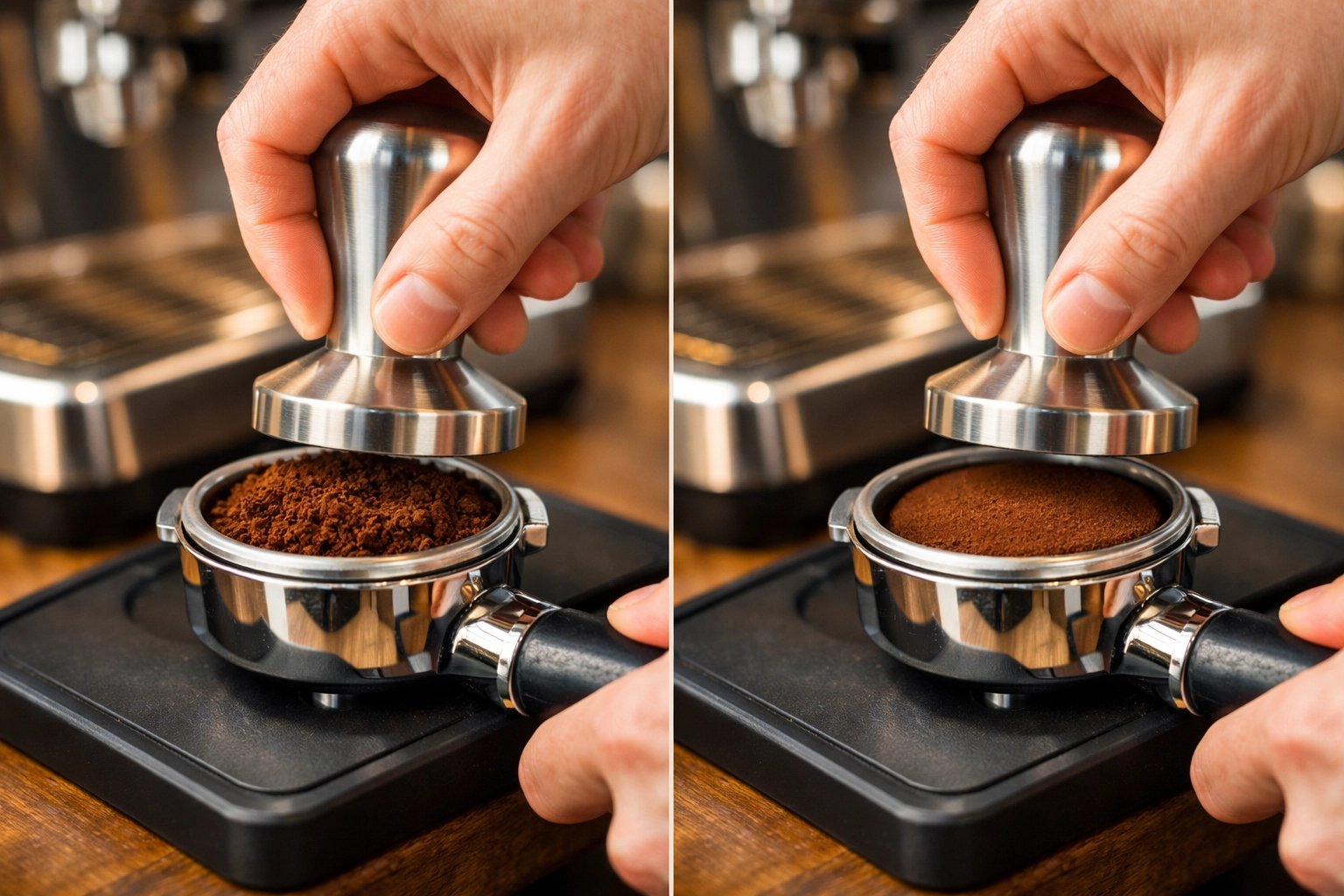
14. Perfect Your Tamping (for Espresso Lovers)
If you’re pulling shots on a home machine, your tamp needs to be level. It’s not about how hard you press: you don't need to be a bodybuilder: it’s about being consistent and perfectly horizontal. If your tamp is slanted, the water will find the path of least resistance (channeling), leading to a shot that is both sour and bitter at the same time. Not a vibe.
For more on this, check out our deep dive into the art of tamping.
15. Drink What You Love
At the end of the day, coffee is subjective. While we follow these "rules" to get the best out of the bean, the "best" cup is the one you enjoy most. If you like a dash of milk in your single-origin pour-over, go for it. If you prefer a darker roast even though the "pros" are drinking light roasts, that’s fine too!
We believe the beauty of coffee lies in the exploration. Whether you are interested in barista training to go professional or just want to make a better latte for your partner on Sunday morning, the journey is what matters.
So, there you have it. Fifteen ways to transform your kitchen into a high-end coffee bar this weekend. It doesn't take much: just a little precision, some fresh beans, and a bit of patience.
If you're ready to start your brewing journey or just need to restock your pantry, head over to Limini Coffee and grab a bag of our fresh-roasted speciality beans. Your taste buds will thank you. Happy brewing!
Leave a Reply