Choosing a coffee supplier shouldn't feel like navigating a minefield. But if we're honest, it often does.
We've seen brilliant coffee shops make terrible supplier decisions, and it's usually not because they lack passion or knowledge about coffee. It's because they're making one (or several) of these seven mistakes. So let's walk through them together, and hopefully save you some headaches down the line.
Mistake #1: Chasing the Lowest Price Per Kilo
Ever notice how the cheapest option rarely works out? There's a reason for that.
When you're comparing suppliers, it's tempting to look at the price per kilo and go with whoever's offering the best "deal." The problem is, you're not buying coffee for your personal collection. You're buying it to sell. And if your customers don't enjoy it, your cost per cup becomes irrelevant because you're selling fewer cups.
We believe quality directly influences customer volume. A slightly more expensive coffee that keeps people coming back will always outperform a cheap blend that tastes… well, cheap. Your customers can tell the difference, even if they can't articulate why. They just know they prefer the café down the street.
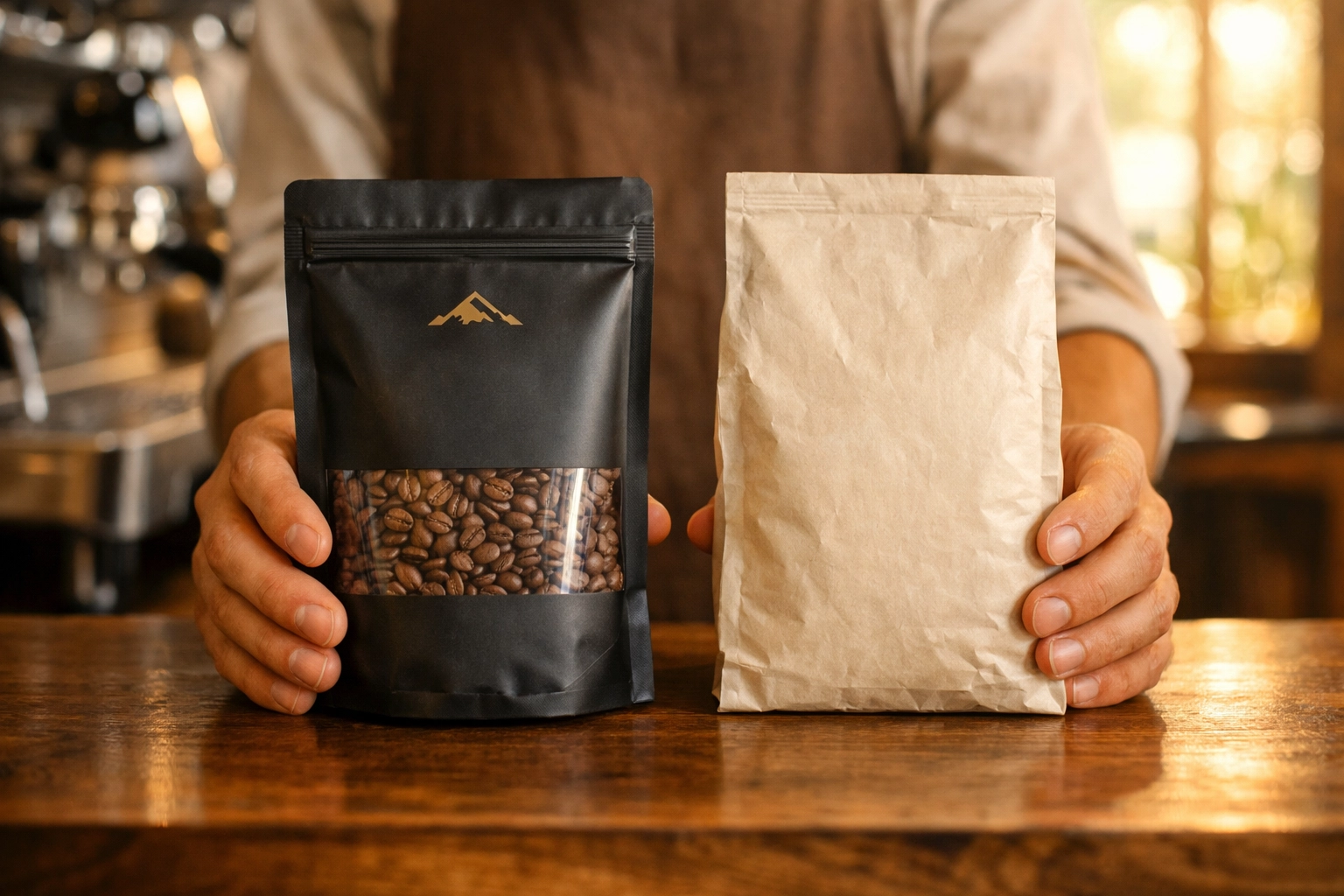
Think about your total commercial return, not just your ingredient cost. Factor in customer retention, repeat visits, and the premium you can charge for genuinely excellent coffee. Suddenly that extra £2 per kilo doesn't seem so significant.
Mistake #2: Getting Seduced by Free Equipment and Flashy Incentives
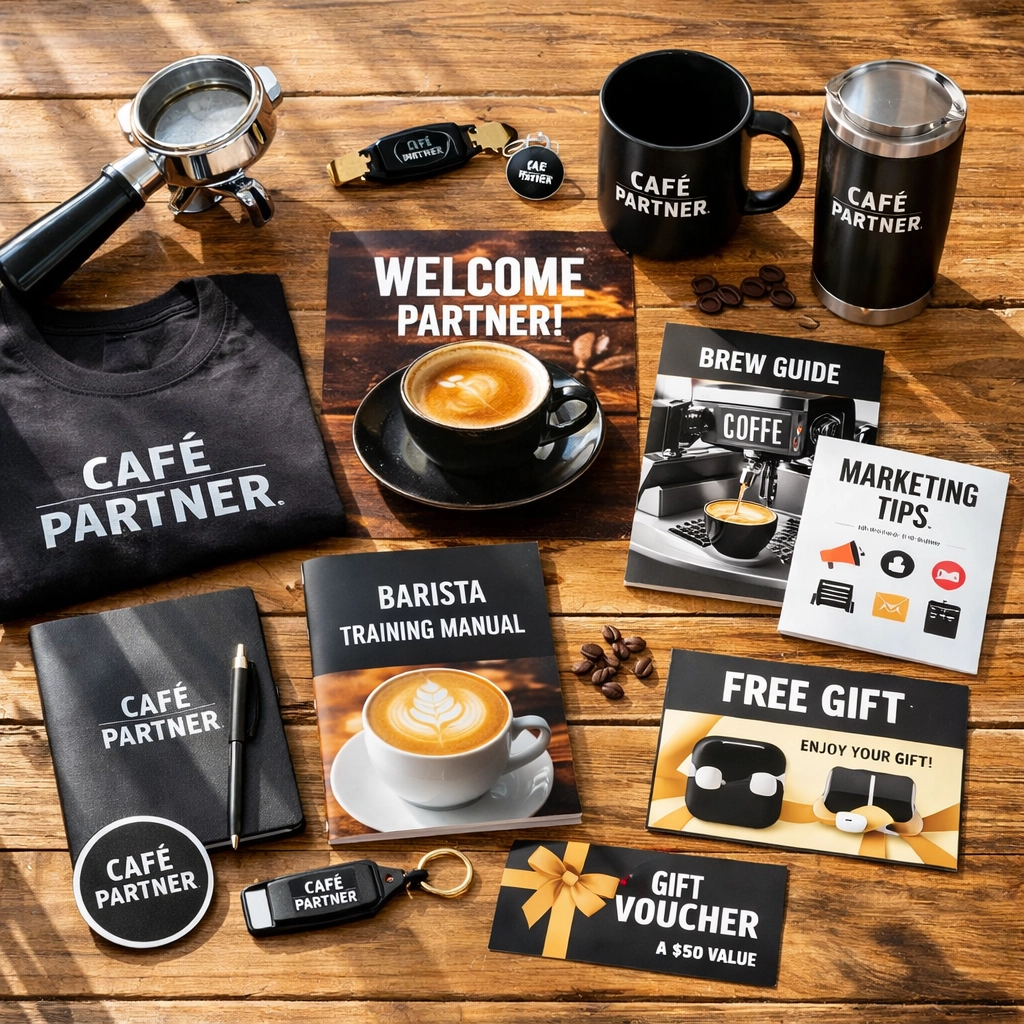
So a supplier rocks up offering you a shiny new espresso machine, free training, branded signage, and maybe even staff uniforms. Sounds brilliant, right?
Here's the thing though. Those generous upfront incentives aren't free. They're paid for somewhere, and it's usually in the quality of your coffee.
We've noticed a pattern over the years: the more attractive the marketing package, the more likely the coffee itself is commodity-grade at best. These companies are essentially redirecting what should be ingredient budgets into sales tactics. They're banking on you being locked into a contract before you realize the coffee isn't up to scratch.
Equipment shouldn't be your decision-maker. Quality should. If you need help choosing espresso equipment or setting up your coffee shop, that's something we can help with separately. But never let a free grinder convince you to serve mediocre coffee for the next three years.
Mistake #3: Not Checking Roast Dates (Or Accepting Stale Coffee)
Would you serve week-old bread and call it fresh?
Coffee is a fresh product, yet so many suppliers treat it like it has an indefinite shelf life. We roast to order because specialty coffee has a peak window, roughly 5 to 18 days from roasting. Before day five, it's still degassing heavily. After 18 days, the aromatics and flavor complexity start dropping off noticeably.
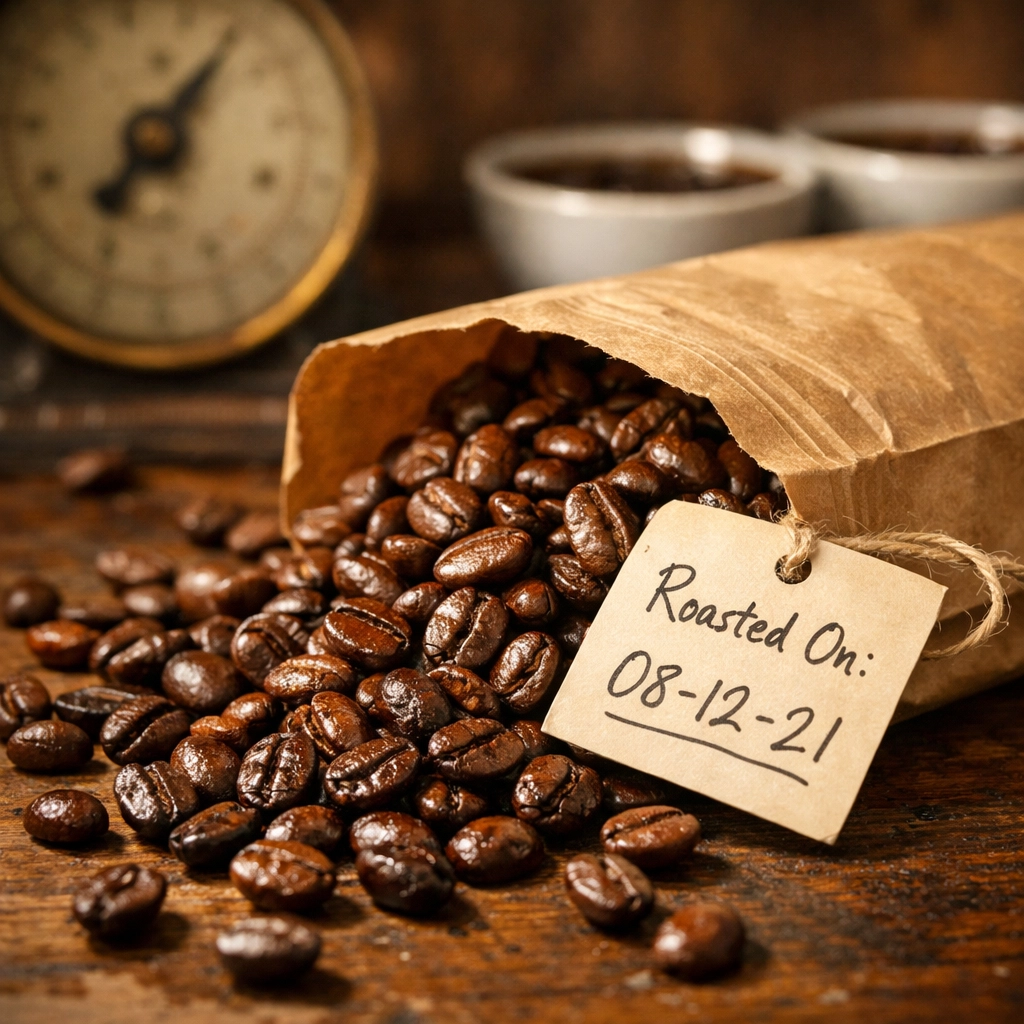
If your supplier can't tell you exactly when your coffee was roasted, that's a red flag. If they're delivering coffee that's already 12+ days old, you're starting behind the curve.
Demand transparency on roast dates. Ideally, you want coffee that's 3-7 days old when it arrives. This gives you the full sweet spot window to work with. Fresh is best. Not something we would compromise on.
Mistake #4: Never Visiting Their Roastery
Ever bought a house without viewing it first? Probably not. So why would you commit to a coffee supplier without seeing where they actually roast?
A sales rep can tell you anything in your café. They can promise consistent quality, careful sourcing, optimal storage conditions. But unless you've visited their facility, you're taking it on faith. And faith doesn't guarantee your coffee quality.
When you visit a serious roastery, you'll notice a few things immediately. Temperature control throughout the building, especially in storage areas. Proper green coffee storage away from heat and light. A systematic approach to quality control. Cupping stations for regular evaluation. Equipment that's well-maintained, not just functional.
We're always happy to have customers visit us. If your potential supplier seems reluctant or vague about arranging a visit, ask yourself why. What are they hiding? Poor facilities? Chaotic systems? Coffee stored in less-than-ideal conditions?
Seeing is believing. Book that roastery visit.
Mistake #5: Accepting Quality Compromises When Price Pressure Hits
What happens when your supplier faces cost increases?
Unfortunately, many take the path of least resistance, they quietly swap in cheaper, lower-grade beans while keeping your invoice roughly the same. You might not notice immediately. The coffee still looks similar. It still extracts at roughly 9 BAR pressure like it should.
But over weeks and months, something shifts. Customer feedback becomes less enthusiastic. Regulars start coming less frequently. Sales plateau or decline, and you can't quite put your finger on why.
This is the insidious nature of gradual quality erosion. It happens slowly enough that you adapt to it, but your customers feel it. They just stop coming as often.
We believe transparency matters here. If costs increase, we have an honest conversation about it. We don't solve our margin problems by compromising your coffee quality. Your reputation is built cup by cup, and we take that seriously. You can see more about how we source our coffee on our site.
Mistake #6: Getting Locked Into Rigid Contracts
Flexibility matters more than you think.
Some suppliers want you locked into 12, 24, or even 36-month contracts. And look, we understand wanting commitment from both sides. But what happens when there's a problem? What if customer tastes in your area shift? What if you receive a few bags that just don't taste right?
A quality supplier should investigate problems with you, not hide behind contract clauses. If customers are complaining about the coffee, there should be a collaborative process to understand why and fix it. Maybe it's an extraction issue that proper barista training could solve. Maybe it's genuinely a coffee quality issue. Either way, you need the flexibility to address it.
Being trapped with a supplier who won't work with you is a special kind of business hell. Make sure you have options. Make sure your supplier is invested in your success, not just your signature on a binding agreement.
Mistake #7: Using Cookie-Cutter Procurement Without Considering Context
This one's particularly relevant if you're part of a larger operation or group.
Formal tender processes and standardized procurement frameworks have their place. But coffee isn't office supplies. The coffee that works brilliantly in a quiet neighborhood café won't necessarily suit a high-volume city center operation where you're pulling 300+ shots during morning rush.
The problem with rigid procurement is it often prevents meaningful engagement with suppliers until you're already deep into tastings and presentations. By then, crucial context has been missed. What are your peak-time pressures? What frustrates your baristas? What do your actual customers prefer?
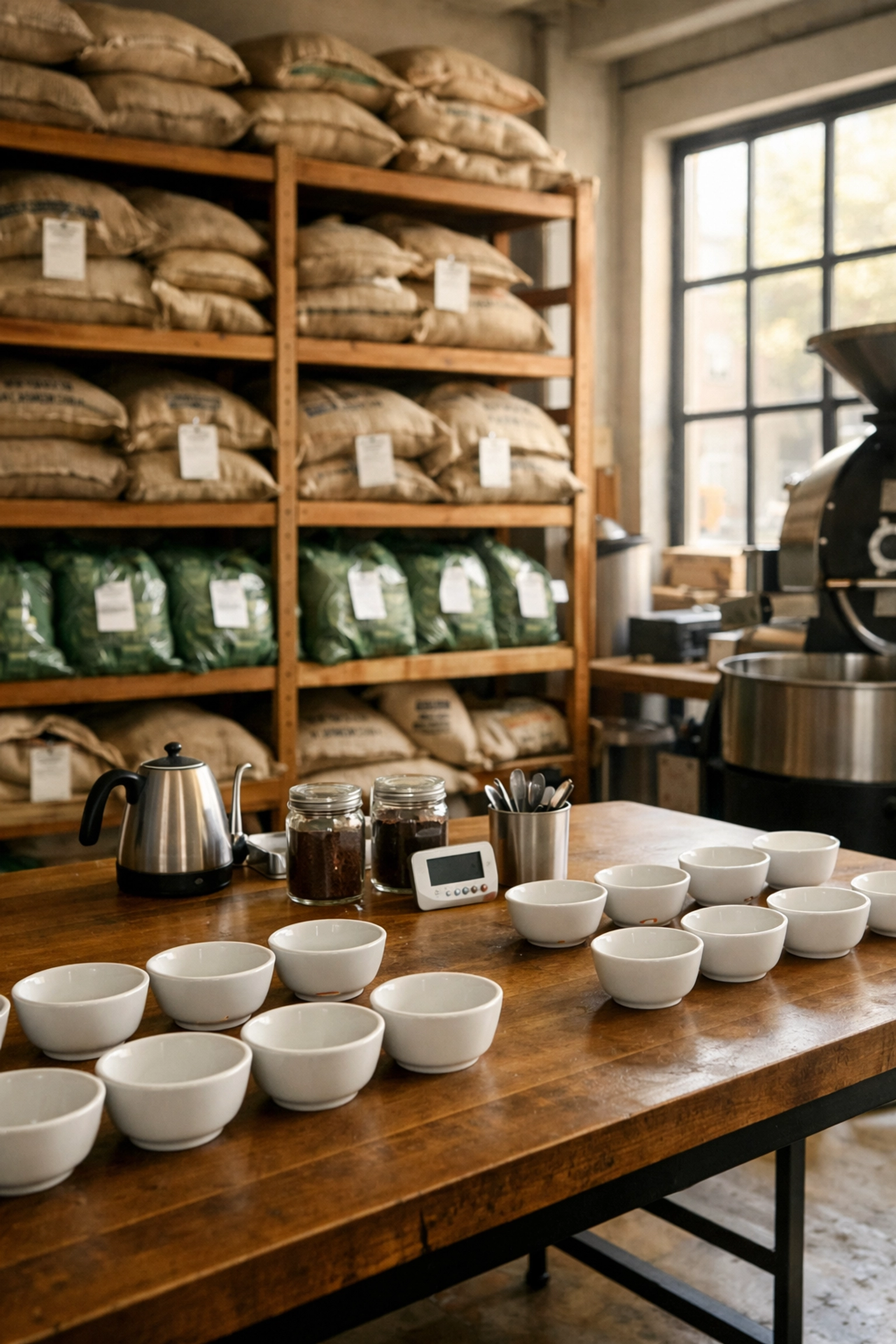
We prefer collaborative conversations from the start. Tell us about your operation, your challenges, your customer base. Let's find the right coffee for your specific context, not just the one that ticks boxes on a spreadsheet.
This is particularly important when considering our wholesale options, every café is different, and we genuinely believe one-size-fits-all rarely works in specialty coffee.
So What Now?
Choosing a coffee supplier is one of the most important decisions you'll make for your business. It affects everything: your coffee quality, your reputation, your customer retention, your profitability. It's worth getting right.
Avoid these seven mistakes, and you're already ahead of most new café owners. Ask the right questions. Visit facilities. Demand freshness and transparency. Prioritize quality over incentives. Ensure flexibility.
And if you'd like to have a conversation about how we work with our wholesale partners, we're always up for a chat. No pressure, no flashy incentives. Just honest conversation about great coffee and how we can support your business.
That's the beauty of choosing the right partner 🙂
Leave a Reply