☕ 7:15 AM.
You’re staring at your phone before your feet even hit the floor.
The screen is a blur of notifications. Leads that didn’t get followed up on. Emails that look like they were written by a blender manual. A billing alert for a "revolutionary" AI tool you signed up for three weeks ago and haven't opened once.
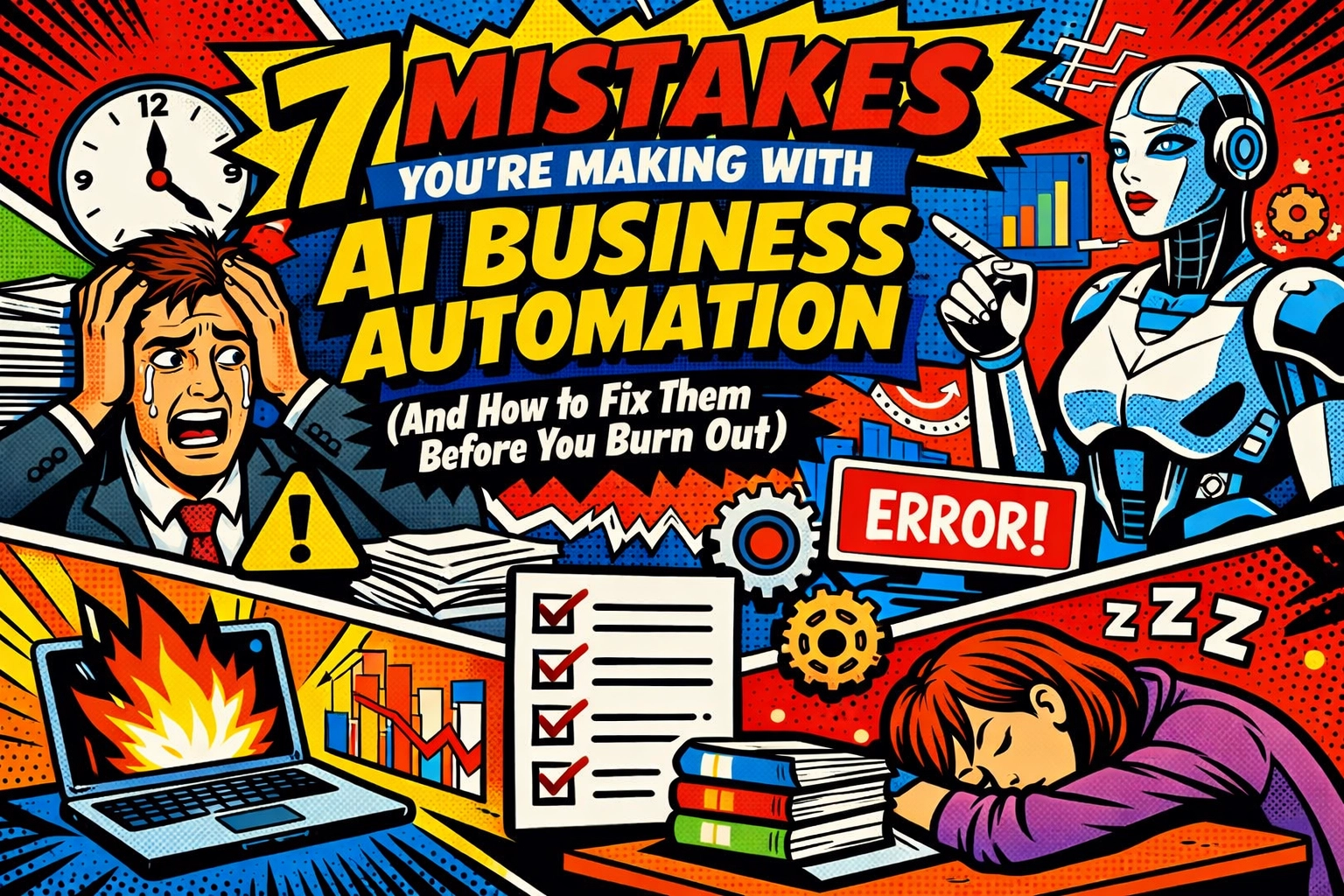
You thought ai business automation was supposed to give you your life back. Instead, it feels like you’ve just hired a team of interns who don't speak your language and have a habit of making things up.
You’re tired. You’re frustrated. And you’re dangerously close to burning out because you’re spending more time managing your "time-saving" tools than actually running your business.
Let’s fix that. Here are the 7 mistakes sucking the soul out of your automation, and how to turn it around before you hit the "delete all" button.
1. THE "SET IT AND FORGET IT" DEATH TRAP
📱 9:00 AM.
Your automated lead responder just sent a "20% off your first month" coupon to a client who’s been with you for five years and just emailed to complain about a billing error.
Ouch.
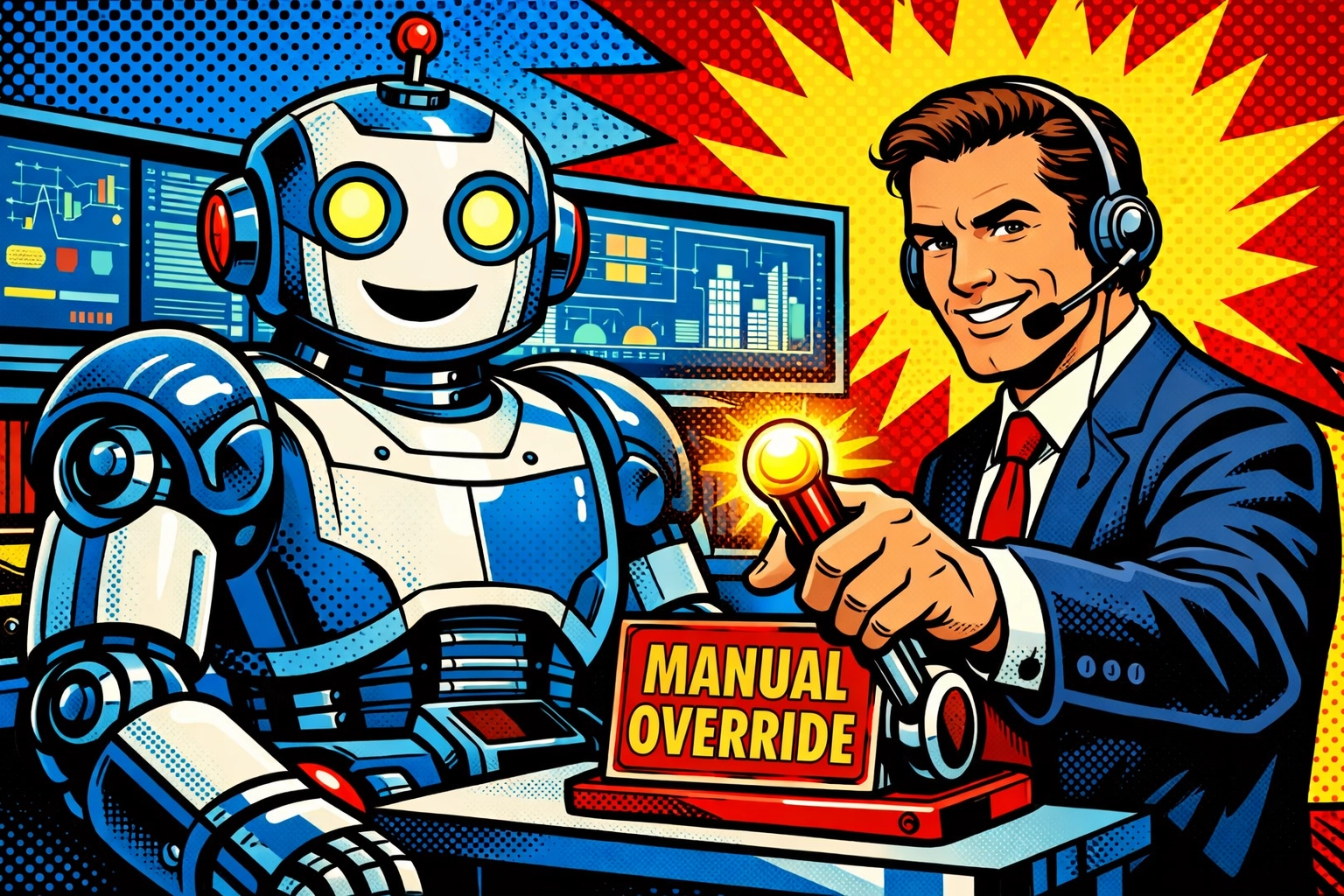
The biggest mistake you’re making is treating AI as a replacement for human judgment rather than an assistant. When you automate high-stakes decisions, like customer complaints or complex contract approvals, without a human safety net, you’re playing Russian roulette with your reputation.
How to fix it:
Build checkpoints. Use AI to gather the data, draft the response, or categorize the urgency. But for anything that involves "feelings" or "big money," keep a human in the loop.
A simple review step in your workflow can save a five-figure contract. Check out how we handle these smart hand-offs at https://marblism.link/scott-bowen.
2. FEEDING THE BEAST DIRTY DATA
📈 10:30 AM.
You’re looking at a forecasting report that says you need to double your inventory for next month. Why? Because the AI analyzed your sales from last year and saw a massive spike.
Too bad that "spike" was a one-time bulk order from a client who went bankrupt two months later.
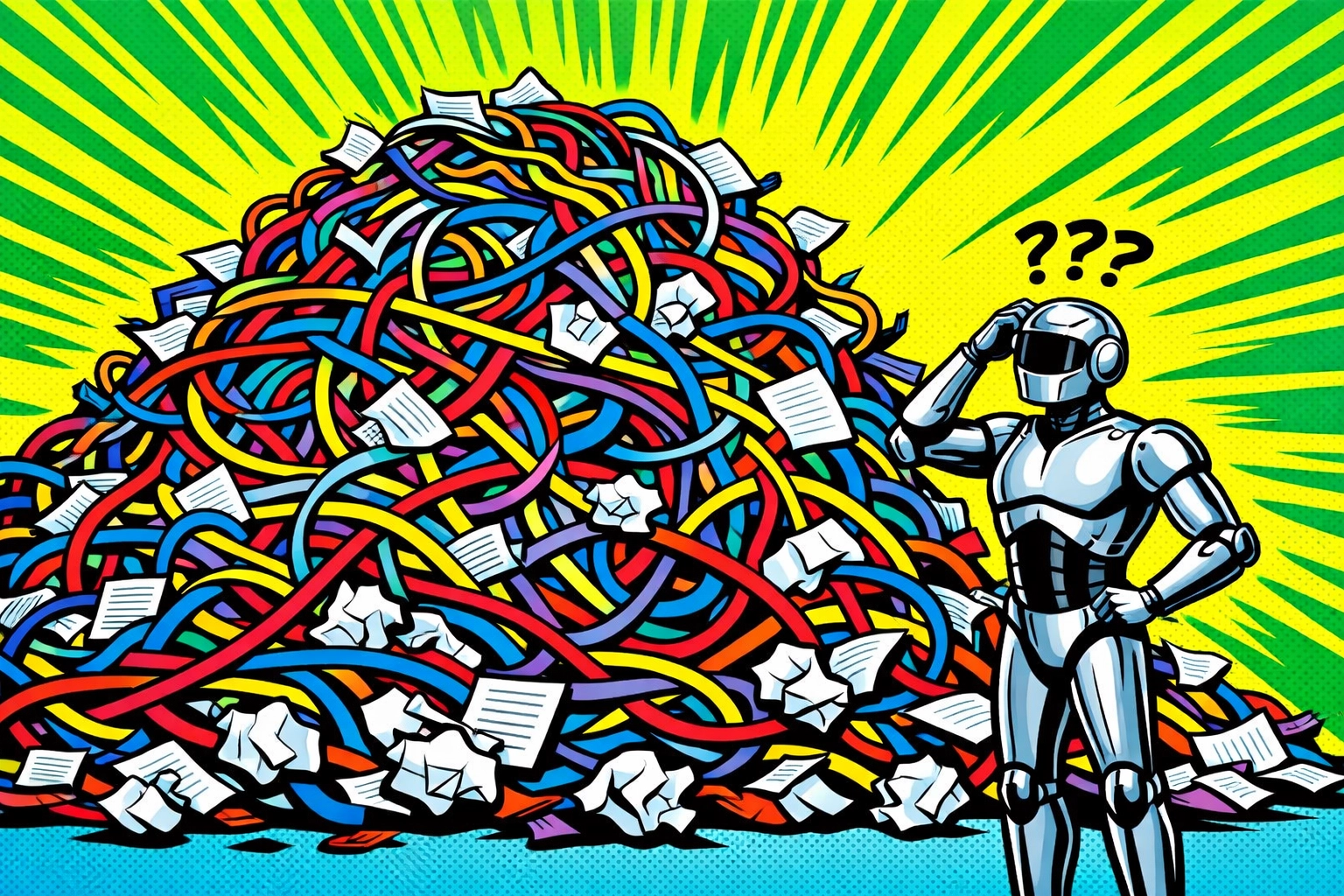
If you feed your business automation tools messy, unaudited spreadsheets, they will give you messy, polished-looking lies. Garbage in, expensive garbage out.
How to fix it:
Stop syncing every messy Google Sheet you’ve ever owned. Clean your data before you connect it.
- Remove duplicates.
- Tag anomalies (like that one-off bulk order).
- Limit the AI's "memory" to the last 18–24 months so it stays relevant.
3. PLAYING FAST AND LOOSE WITH PRIVACY
🔍 1:00 PM.
You just pasted a sensitive client contract into a free AI tool to "summarize the key points." It was fast. It was easy.
And now that contract is technically part of the AI’s training model.
Most people don't realize that "free" usually means "you are the product." Putting proprietary data, tax IDs, or medical info into unsecured bots is the fastest way to a legal nightmare you can't automate your way out of.
How to fix it:
Only use enterprise-grade tools with clear data-handling policies. If the tool doesn't explicitly say "we do not use your data for training," don't give it your secrets. Period.
4. THE ROBOTIC TONE (AKA THE SOUL CRUSHER)
🤝 2:45 PM.
You read back an automated email sequence you set up.
"We hope this communication finds you experiencing high levels of productivity."
Nobody talks like that.
When you use generic AI settings, you lose your brand voice. You start sounding like every other "growth hacker" on LinkedIn. Your customers can smell a bot from a mile away, and it makes them feel like just another number in your CRM.
How to fix it:
Feed the AI your brand guidelines. Give it examples of how you actually talk. Tell it to "write like a casual expert" or "avoid corporate jargon."
Better yet, use AI to create the structure, then spend five minutes adding your own flavor. Use ai business automation to do the heavy lifting, not the talking.
5. HALLUCINATIONS AREN'T JUST FOR THE MOVIES
📑 4:15 PM.
Your AI-generated blog post cites a legal case that doesn't exist. It looks professional. It has footnotes. It’s also completely made up.
AI models are designed to be helpful, not necessarily accurate. They are word-prediction engines. If they don't know the answer, they’ll sometimes invent one that sounds incredibly convincing.
How to fix it:
Fact-check everything. Treat AI as a brilliant but occasionally dishonest intern. Verify dates, quotes, and legal requirements.
Never publish or send AI content that hasn't been eyeballed by someone who knows the subject matter.

6. SHINY OBJECT SYNDROME (THE TOOL OVERLAP)
💳 6:30 PM.
You’re looking at your bank statement. You’re paying for five different business automation tools.
One for emails. One for lead gen. One for scheduling. Two for "productivity."
But somehow, you’re still manually copying and pasting data between them because they don't talk to each other.
How to fix it:
Audit your tech stack. If a tool isn't saving you at least 3 hours a week or generating 5x its cost in revenue, cut it.
The goal isn't to have the most tools; it’s to have the right system. Integration is more important than innovation. See how a streamlined setup looks here: https://marblism.link/scott-bowen.
7. LOSING THE HUMAN TOUCH IN LEAD GEN
📱 8:45 PM.
You’ve automated your LinkedIn outreach. You’re sending 50 messages a day.
The response rate? Zero.
Automation is great for scale, but it sucks for connection. If you automate the entire relationship-building process, you’re not generating leads, you’re generating noise. People buy from people, not from well-tuned algorithms.
How to fix it:
Automate the prospecting, not the conversation.
Let the AI find the leads and organize the data. But when it comes time to actually say "hello," do it yourself. Or at least, use the AI to give you a "hook" that you then personalize.

STOP JUGGLING. START SCALING.
🌙 11:00 PM.
The house is quiet. The lights are off.
You’re finally done for the day, but your brain is still spinning. You know you need to change something, or you’re going to crash.
AI isn't the enemy. It’s the superpower you haven't learned to control yet.
The mistakes you're making are common, honestly, they're almost a rite of passage for small business owners in 2026. But you don't have to keep making them.
You can have a business that runs while you sleep, without it sounding like a robot wrote your wedding vows. You can have leads coming in while you're at your kid’s soccer game, without worrying if the AI just promised a client a 90% discount.
It’s about strategy. It’s about the right tools. It’s about Marblism.
Stop the burn out. Get the blueprint.
👉 See how Marblism can fix your automation today
FAQ: YOUR AUTOMATION QUESTIONS ANSWERED
Q: Can I really trust AI to talk to my customers?
No. Not entirely. Trust it to handle the routine stuff (FAQ, scheduling, tracking), but always have a human ready to step in when things get nuanced.
Q: Will AI business automation replace my job?
No. It will replace the boring parts of your job. It gives you the space to do the high-level creative work that actually grows the business.
Q: Is it expensive to set up a proper system?
Not compared to the cost of burnout. Tool sprawl is expensive. A single, well-integrated system usually pays for itself in reclaimed time within the first month.
Q: Which tool should I start with?
Start where the most pain is. If you're losing leads, start with lead gen automation. If you're drowning in admin, start there.
Scaling shouldn't be this hard. But here we are.
Let's make it easier. 🤝
Leave a Reply