
We’ve all been there. You’ve just clicked "order" on a bag of stunning single-origin beans from your favourite roaster, hopefully Limini Coffee, and the anticipation is real. You can almost smell the jasmine notes or that deep, chocolatey richness before the postman even arrives. But then, you brew it. And… it’s fine. Just fine. Or worse, it’s a bit sour, or strangely flat.
Why does that happen? You bought the best beans, you have the shiny gear, and you followed the recipe. Well, to be honest, coffee is a bit of a chemistry experiment. Fresh roasted coffee beans are "living" things (in a chemical sense, anyway), and they are incredibly sensitive to how they are treated, from the moment they leave the roaster to the second the water hits the grounds.
At Limini Coffee, we live and breathe these details. We’ve spent years refining our sourcing and roasting profiles because we know how much a tiny mistake can ruin a beautiful crop. So, we wanted to share a few common pitfalls we see home brewers (and even some pros) falling into.
Here are the 7 mistakes you might be making with your fresh roasted coffee beans and, more importantly, how to fix them.
1. Brewing Too Soon (The Degassing Dilemma)
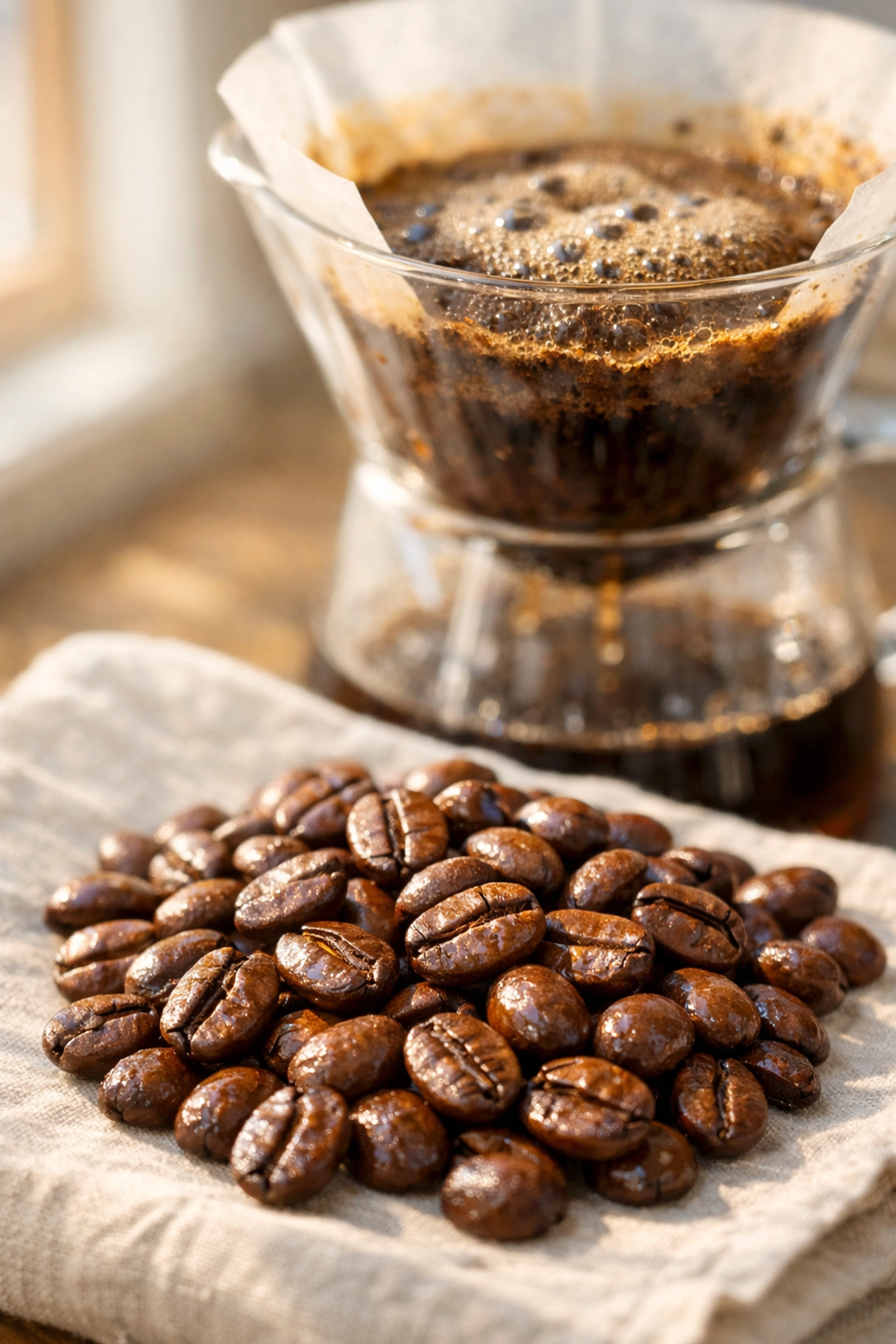
This is probably the most common mistake we see. "Fresh is best," right? Well, yes and no. When coffee is roasted, a huge amount of carbon dioxide (CO2) is trapped inside the bean. For the first few days after roasting, the beans are working overtime to release that gas. We call this "degassing."
If you brew coffee that is too fresh, say, 24 hours off the roaster, that CO2 escapes so violently when it hits the water that it actually pushes the water away from the coffee grounds. This prevents proper extraction. You’ll end up with a cup that tastes metallic, acidic, or just weirdly "fizzy" on the tongue.
The Fix:
Patience is a virtue, though we know it’s hard! For filter coffee or pour-overs, wait at least 3 to 5 days. If you’re pulling espresso, the beans need even longer to settle, usually 7 to 10 days is the sweet spot. We believe that a bean at day 10 often tastes worlds better than at day 2. If you want to make sure you're getting beans at their peak, check out our selection at Limini Coffee.
2. The Fridge and Freezer Faux Pas
We’ve heard this one for decades: "Store your coffee in the freezer to keep it fresh." Please, for the love of all things caffeinated, don't do this.
Coffee beans are porous. They are essentially little sponges that soak up moisture and odours. Your freezer is a damp environment full of the smells of last month’s frozen peas and fish fingers. When you take the beans out, condensation forms on the surface instantly, which begins to degrade the oils and aromatics. It’s just a real shame to see a high-quality single origin lose its soul because it was sitting next to a tub of ice cream.
The Fix:
Store your beans in a cool, dark, dry place. A kitchen cupboard away from the oven is perfect. Use an opaque, airtight container: preferably one with a one-way valve that lets CO2 out but doesn't let oxygen in. Oxygen is the enemy of freshness!
3. Ignoring the "Cracks" (For the Home Roasters)
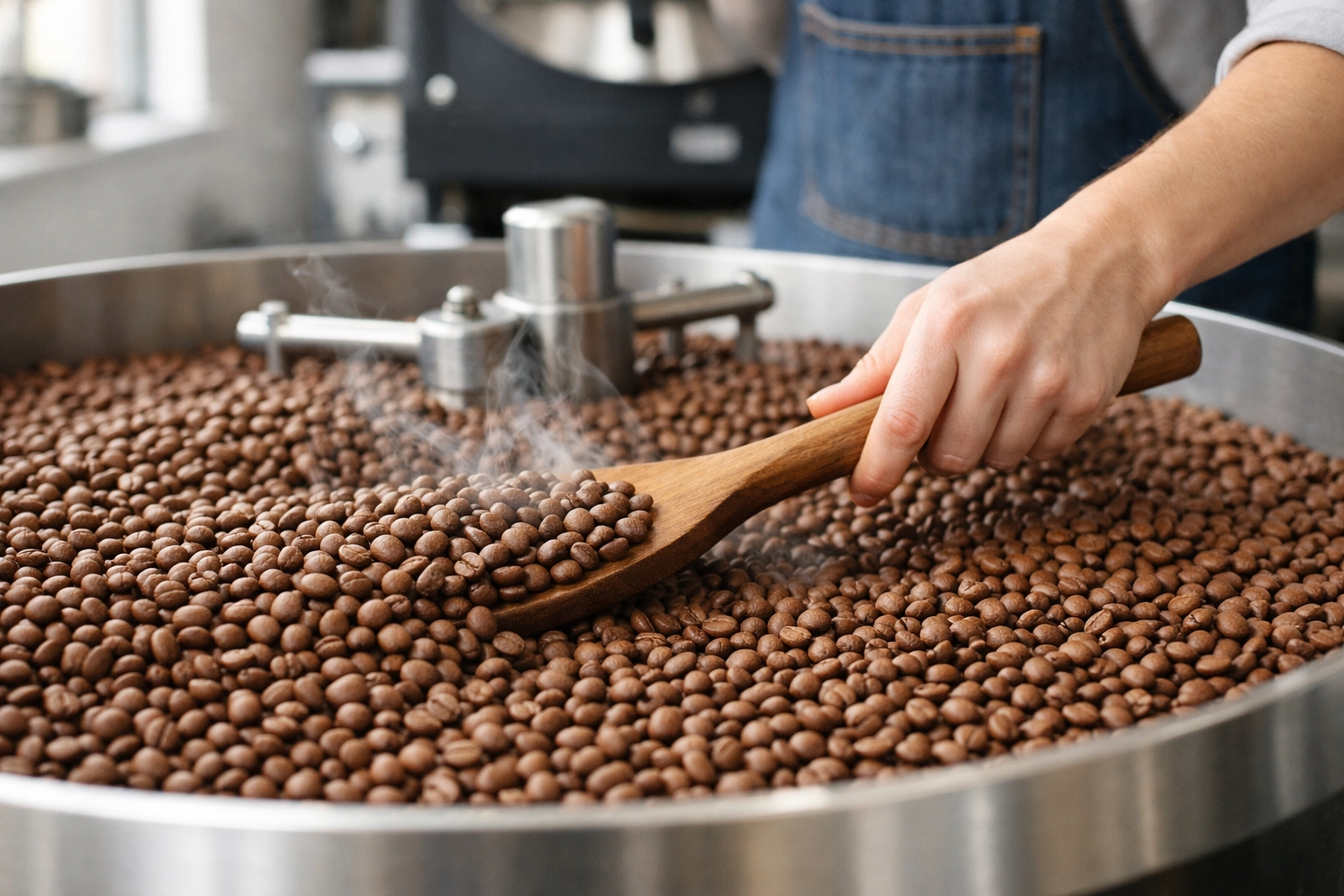
Some of you are brave souls who roast your own beans at home using small fluid-bed roasters or even a popcorn popper. If that's you, one of the biggest mistakes is not paying attention to the "cracks."
Roasting is a series of physical transitions. "First crack" sounds like popcorn popping and signifies the transition from a light to a medium roast. "Second crack" sounds more like the snapping of dry twigs and indicates a dark roast. If you stop the roast before the first crack is finished, your coffee will taste grassy, sour, and underdeveloped. If you go too far past the second crack, you’ve basically turned your beautiful beans into charcoal.
The Fix:
Listen closely. Roasting is a sensory experience. You need to identify when these cracks happen to control the flavor profile. If you're finding home roasting a bit too temperamental, you can always trust us to handle the heat for you. We take great pride in our roasting process.
4. Scorching and Baking the Beans
This is another one for the enthusiasts. Scorching happens when the initial temperature of your roaster (the "charge temp") is way too high. It burns the outside of the bean while the inside stays raw. You’ll see dark, shiny burnt patches on the beans, and the coffee will taste acrid and bitter.
On the flip side, "baking" happens when the temperature doesn't rise fast enough. If the roast stalls and takes too long, you end up with "baked" coffee. It loses all its vibrant acidity and ends up tasting like flat, bready cardboard. Not something we would recommend.
The Fix:
Consistency is king. Ensure your roaster is properly preheated: skipping the preheat is a rookie error that leads to uneven batches. If you’re brewing at home and notice your beans look oily and uneven, they might have been scorched. If you want consistently roasted, high-quality beans every time, have a look at our current offerings.
5. Using the Wrong Water Temperature
So, you’ve got perfectly roasted beans, they’ve degassed for a week, and they’ve been stored correctly. Now, the brew. Many people use boiling water (100 ºC) straight off the kettle. This is usually too hot and can over-extract the coffee, bringing out those harsh, bitter tannins. Conversely, if your water is too cool (below 88 ºC), you won't extract the sweetness and complexity, leaving you with a thin, sour cup.
The Fix:
We recommend a temperature range between 92 ºC and 96 ºC (about 198 °F to 205 °F). If you don't have a temperature-controlled kettle, just let your boiling water sit for about 30 to 60 seconds before pouring. It makes a massive difference, especially for espresso equipment.
6. The "Grind It All at Once" Mistake
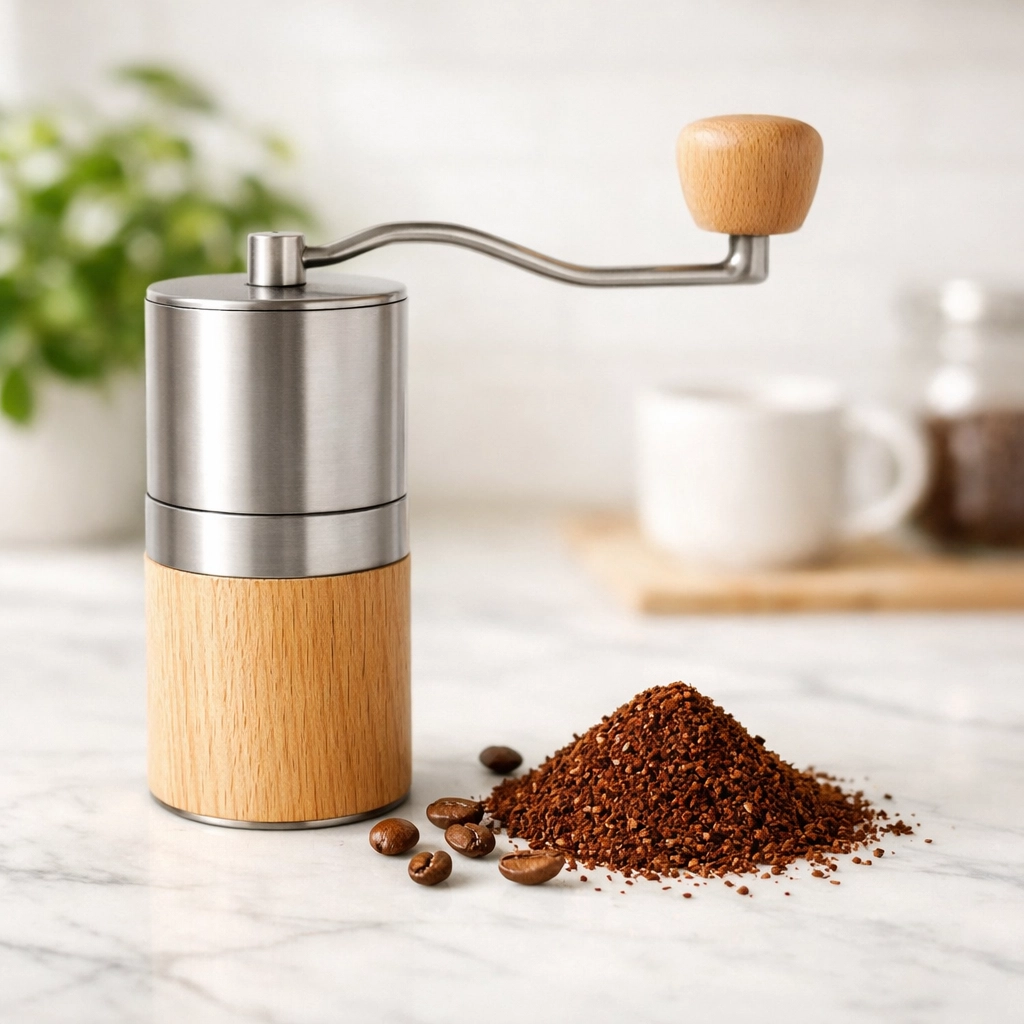
Oxygen is the thief of flavour. As soon as you grind a coffee bean, you increase its surface area by thousands of percent. This means oxidation happens almost instantly. If you grind your beans at the start of the week for your morning brew, by Wednesday, most of those delicate aromatics are gone.
We’ve noticed that pre-ground coffee loses about 50% of its aroma within 15 minutes of grinding. That is a heartbreaking statistic for anyone who loves a good cup.
The Fix:
Invest in a decent burr grinder. Blade grinders are better than nothing, but they produce inconsistent "dust and rocks" that lead to uneven extraction. Grind only what you need, right before you brew. It’s the single biggest upgrade you can make to your home coffee setup. If you're looking for gear, we have some great advice on choosing equipment.
7. Neglecting the Ratio (Eyeballing it)
"Two scoops" is not a measurement. Depending on the roast level and the bean size, two scoops could weigh 14g or 22g. That’s the difference between a delicious cup and a watery mess. Coffee brewing is about the ratio of coffee to water.
The Fix:
Get a scale. It doesn't have to be an expensive "smart" scale (though those are lovely); a simple digital kitchen scale that measures in grams will do. For filter coffee, we generally recommend a ratio of 60g of coffee per 1 litre of water (or roughly 1:17).
If you want to get really precise, we actually have a coffee brewing calculator on our site to help you dial it in perfectly.
Why it Matters
You might think we’re being a bit pedantic. "It’s just coffee, Scott!" But to us, it’s more than that. Every bag of Limini Coffee represents the hard work of farmers in places like Ethiopia, Brazil, or Colombia. When we roast those beans, we’re trying to honor that work. When you brew them correctly, you finally get to taste the fruit of all that labor: the brightness, the body, and the unique "terroir" that makes speciality coffee so special.
If you’re ever feeling stuck or your brew just isn't hitting the mark, we’re always here to help. We even offer barista training if you really want to dive deep into the craft.
So, check your roast dates, keep your beans out of the fridge, and for goodness' sake, use a scale! Your taste buds will thank you.
Ready to put these tips to the test? Grab a fresh bag of our latest roast here: Limini Coffee Fresh Beans.
Happy brewing!
Leave a Reply