Opening a coffee shop is the ultimate dream for many of us. We imagine the smell of freshly roasted beans, the hiss of the steam wand, and a community of happy regulars. It all sounds very romantic, doesn't it? However, the reality of a coffee shop set up can quickly turn into a logistical puzzle that leaves you frustrated and, quite frankly, out of pocket.
We’ve seen it all here at Limini Coffee. From beautiful bars that are impossible to work behind, to expensive machines that aren't fit for purpose. The good news? Most of these blunders are totally avoidable. If you're looking to get your journey started on the right foot, or if you're already in the thick of it and wondering why things feel "off," this guide is for you.
And hey, if you want a partner who actually cares about your success (and knows their beans), you should definitely see what we offer at Limini Coffee.
1. The "Barista Tango" (Poor Workflow)
One of the most common mistakes we see is a layout that forces baristas to dance around each other. We lovingly call it the "Barista Tango," but in reality, it’s a productivity killer. If your barista has to walk five steps to get milk, three steps to knock out the puck, and then turn around to find a lid, your service speed is going to tank.
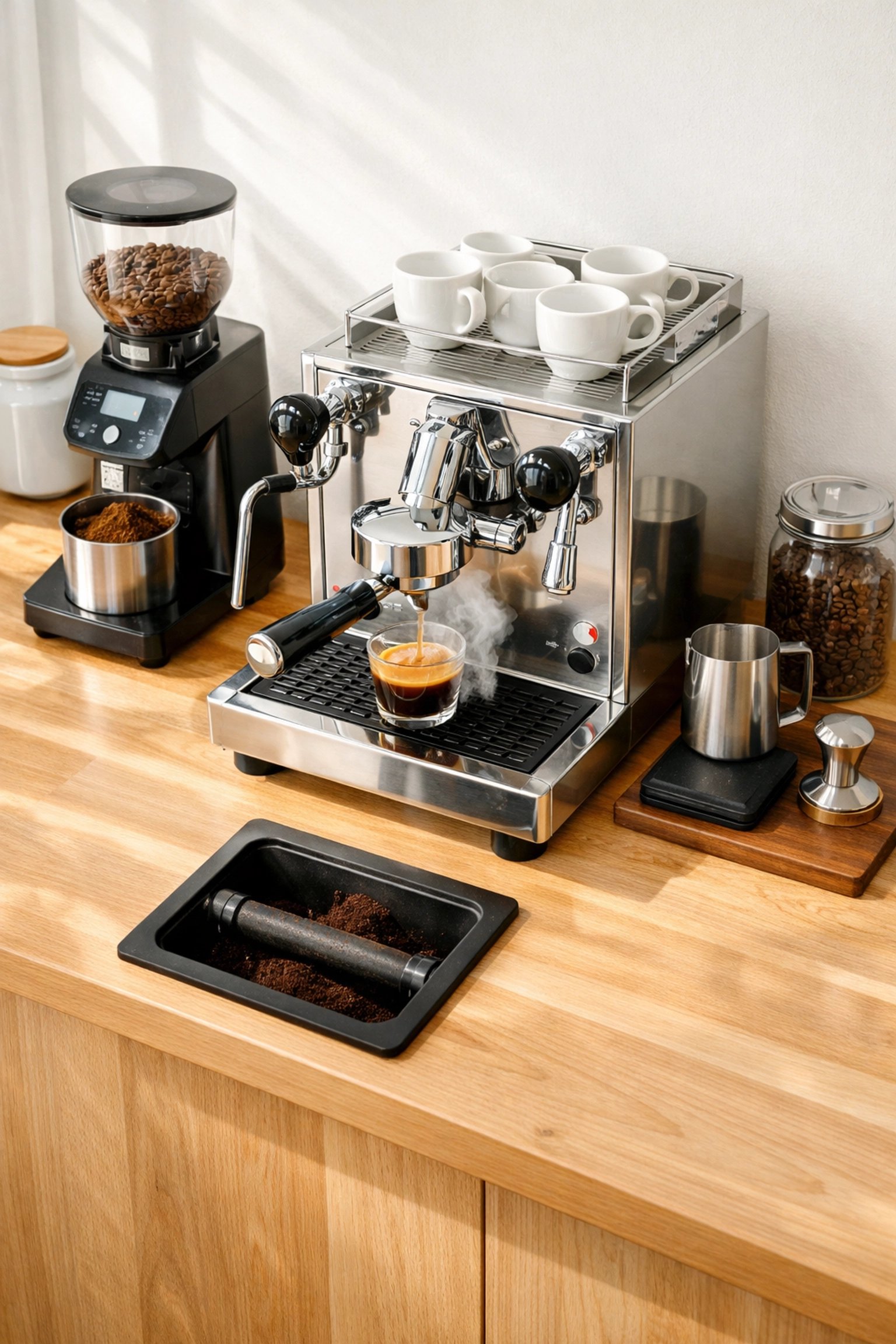
The problem is often a counter that’s too narrow or a layout that doesn't follow the "logical flow" of drink preparation. Ideally, everything should move in one direction: Grinder -> Espresso Machine -> Milk Station -> Garnish/Lid -> Serving Point.
The Fix: Imagine a straight line. Your barista should be able to stand in one spot and reach 90% of what they need. Place your fridge directly under or next to the steam wand. Ensure the knock-box is right next to the grinder. If you’re still in the planning phase, we highly recommend reading our guide on building a coffee shop and shop fitting to get those dimensions right.
2. Buying the "Bargain" Equipment
We get it. Starting a business is expensive. It's tempting to look at a high-end domestic machine or a used "bargain" from a closing café and think, "That’ll do for now."
Unfortunately, this is a classic trap. Domestic machines aren't built to handle the back-to-back demand of a morning rush. They lack the thermal stability and the steam power (usually requiring at least 3000 watts for a decent commercial boiler) to keep up. You’ll end up with lukewarm lattes and a machine that breaks down within three months. Even worse, some "cheap" commercial gear might not meet health department standards or lack a proper ITC or PID system for temperature control.
The Fix: Invest in quality from day one. You don't need the most expensive machine on the planet, but you need something reliable like a La Spaziale. It’s worth checking out our advice on choosing espresso equipment before you pull the trigger on a purchase you might regret.
3. The Milk Steaming Lottery
Consistency is the holy grail of speciality coffee. If a customer gets a silky, sweet flat white on Tuesday but a bubbly, dry cappuccino-style mess on Wednesday (when they ordered a flat white), they probably won't come back on Thursday.
Inconsistent milk steaming is usually down to two things: poor technique or a lack of understanding of the science. We see a lot of baristas "stretching" the milk for too long or reaching temperatures that are far too high. Once you go past 160 °F / 70 ºC, the proteins break down, the sweetness vanishes, and you’re left with that "burnt" taste.
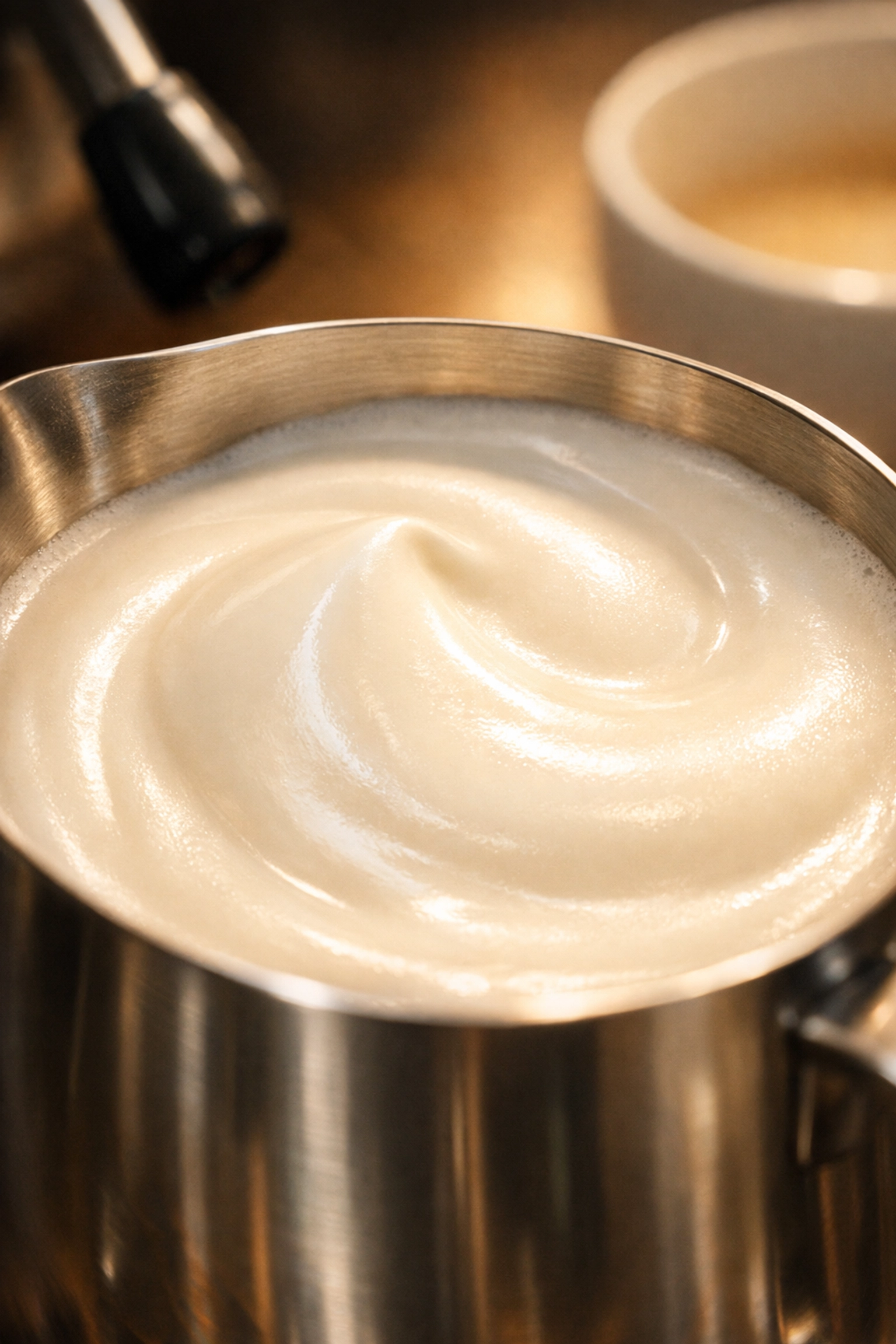
The Fix: Aim for that perfect "glossy paint" look. We believe the sweet spot for temperature is around 140 °F / 60 ºC. It’s extremely important to train your team to use their hands (and thermometers initially) to feel the heat. We’ve written a deep dive into understanding milk that every shop owner should print out and stick on the wall.
4. Ignoring the "Silent Killer": Water Quality
You can buy the best beans in the world (which we happen to think we roast right here), but if your water is bad, your coffee will be bad. Coffee is roughly 98% water, after all.
The two main enemies are limescale and chlorine. Chlorine makes your coffee taste like a swimming pool, and limescale will eat your expensive espresso machine from the inside out. If you’re in a hard-water area (like much of the UK), ignoring filtration is the fastest way to a £500 repair bill.
The Fix: Never connect a machine directly to the mains without a high-quality water filter. Not just a basic carbon filter, but one designed to treat carbonate hardness. We always suggest checking your water specifications before your coffee shop set up is complete. It saves your machine and makes the crema look and taste so much better.
5. The "Everything" Menu
We’ve walked into shops that try to do everything: 20 types of syrup, four different roast levels, milkshakes, paninis, and three types of soup. While it feels like you're being helpful, you’re actually diluting your brand and confusing your workflow.
A massive menu leads to "decision paralysis" for the customer and "execution paralysis" for the barista. It's much harder to maintain quality when you're trying to remember the recipe for a "Midnight Mocha Mint Blast" while a line of people just want a decent Americano.
The Fix: Keep it simple. Focus on doing the classics: espresso, flat white, latte, cappuccino: exceptionally well. If you need help narrowing down what to offer, check out our breakdown of latte, cappuccino, and the rest. Focus on quality over quantity.

6. Forgetting the "Theatre" of Coffee
Coffee is an experience. It’s not just caffeine delivery; it’s a moment of luxury in someone's day. A common mistake is hiding the "action" behind a wall of high equipment or messy counters. If the customer can't see the barista lovingly pouring the latte art, you're missing a huge trick.
The "theatre" of coffee creates value. It’s why people are happy to pay £3.50 for a drink they could technically make at home for 30p. If your setup feels like a sterile laboratory or a cluttered storeroom, the magic is lost.
The Fix: Think about the sightlines. Can the customer see the pour? Is the machine clean and shiny? We're big fans of the theatre of coffee and believe it’s a vital part of your marketing. Even the cups you choose play a role in this sensory experience.
7. Thinking Training is a "One and Done" Event
The biggest mistake? Thinking that because you had a training session six months ago, your team is "sorted." Skills fade. Bad habits creep in. Someone starts "polishing" the tamp (which we don't recommend, by the way) or forgets to purge the steam wand.
A coffee shop set up is only as good as the people operating it. If your staff doesn't understand the "why" behind tamping or how to use a brewing calculator, your product will suffer eventually.
The Fix: Culture is built through continuous learning. We offer comprehensive barista training and an overview of training that covers everything from basic shots to advanced latte art. Make training a regular part of your business rhythm, not a panic response to a bad review.

How We Can Help You Get It Right
Setting up a coffee shop is a massive undertaking, but you don't have to do it alone. At Limini Coffee, we don't just sell you beans and walk away. We’re here to be your partner.
Whether you're looking for wholesale coffee that will keep people coming back, or you're interested in our dropshipping options to expand your brand, we've got the expertise to guide you. We've helped hundreds of shops find the right balance between workflow, equipment, and training.
So, if you’re ready to stop making these mistakes and start building the café you’ve always envisioned, let’s have a chat. You can learn more about us and see what our other partners have to say in our reviews.
Don't let your coffee shop set up be a series of "what ifs." Get it right the first time, keep it simple, and focus on the coffee. That’s the beauty of this industry: when it’s done right, there’s nothing quite like it. 🙂
Leave a Reply