
We’ve all been there. You wake up, stumble into the kitchen, and start the ritual. You’ve bought the fancy dripper, you’ve got the goose-neck kettle, and you’re ready for that life-changing cup of specialty coffee. But then… it’s just okay. Or worse, it’s bitter, thin, or tastes a bit like a wet paper bag.
It’s frustrating, isn’t it? Especially when you know how good those beans tasted when the barista brewed them for you at the shop.
The truth is, brewing incredible coffee at home isn't about magic, it's about physics, chemistry, and a little bit of discipline. We see the same hurdles tripping up home brewers time and time again. The good news? They are incredibly easy to fix.
Here at Limini Coffee, we live and breathe the bean. We want your home kitchen to smell like a world-class roastery. So, let’s dive into the seven most common mistakes you’re likely making with your home brew and, more importantly, how to fix them for good.
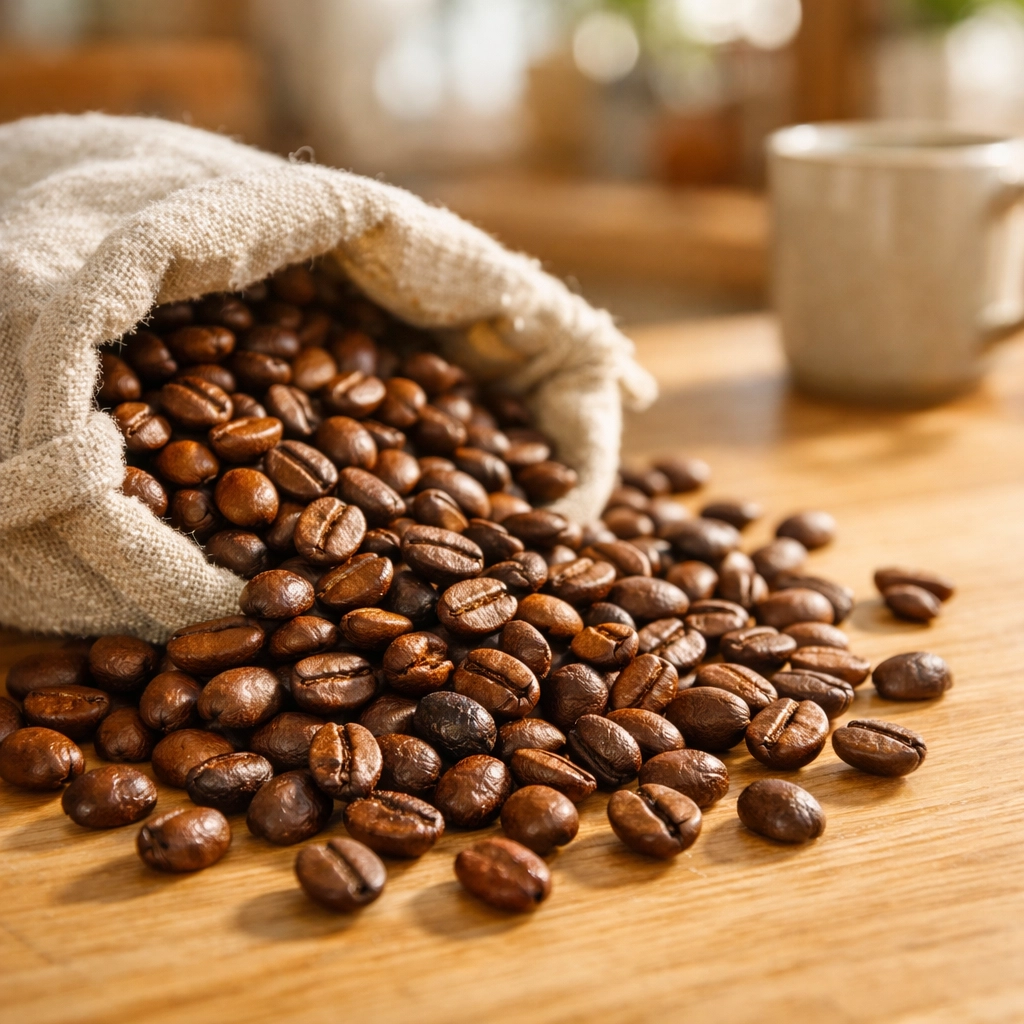
1. Using "Old" Beans (Even if the Bag is Sealed)
This is the big one. You can have the most expensive espresso machine on the planet, but if your beans are stale, your coffee will be dull. Period.
Many people think that because a bag of coffee is sealed and from a reputable supermarket, it’s "fresh." Unfortunately, coffee is a fresh agricultural product. Once it’s roasted, the clock starts ticking. Carbon dioxide starts escaping (degassing), and oxygen starts moving in, turning those beautiful aromatic oils rancid.
The Fix: Always look for a "Roasted On" date, not a "Best Before" date. We recommend using beans between 7 and 30 days after roasting for the peak flavour profile. If you’re looking for that vibrant, complex spark in your cup, you need to be sourcing freshly roasted specialty coffee beans.
At Limini, we’re obsessed with how we source our coffee, ensuring that every bag that reaches you is at its absolute prime.
2. The "Eye-Balling" Method
Are you still using a scoop? Or worse, just pouring beans into the grinder until it "looks right"?
If you want consistency, you have to use a scale. Coffee beans vary significantly in density. A scoop of a dark-roasted Brazilian coffee will weigh much less than a scoop of a light-roasted Ethiopian bean because the dark roast has expanded more and lost more moisture.
If your measurements are off by even a gram or two, your ratio, the relationship between coffee and water, is ruined. This leads to coffee that is either too weak (under-extracted) or too harsh (over-extracted).
The Fix: Invest in a digital scale that weighs to 0.1g. We generally recommend a starting ratio of 60g of coffee per 1 litre of water (or roughly 1:16). If you’re feeling a bit lost with the maths, you can use our handy coffee brewing calculator to get your numbers perfect every single time.
3. Using Boiling Water (The Scorched Earth Policy)
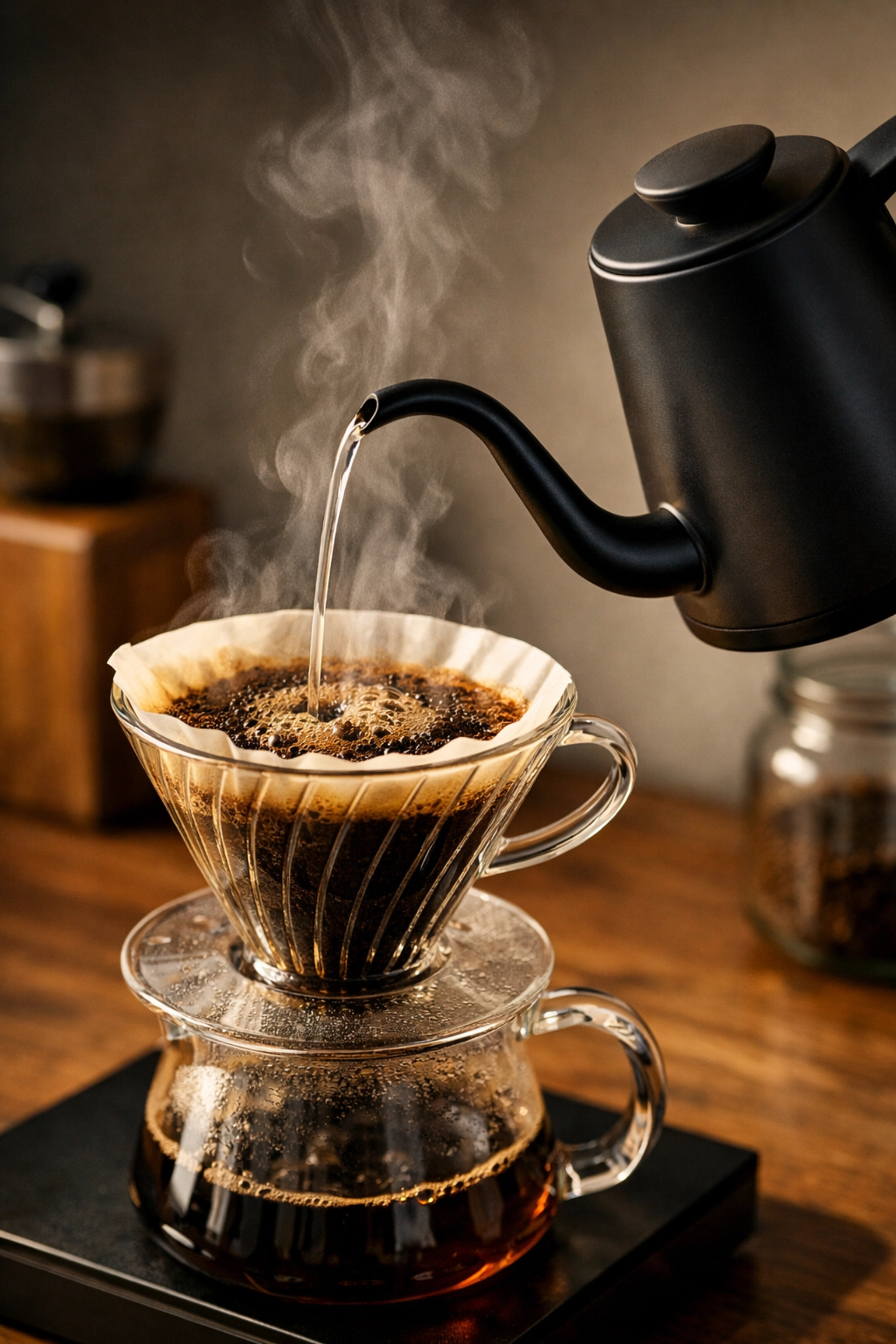
We see this a lot. The kettle clicks off, and you immediately pour that bubbling, 100°C water directly onto your delicate coffee grounds.
Stop! You’re essentially "cooking" the coffee. Water at a rolling boil is often too aggressive for specialty beans, extracting bitter, ashy notes that hide the delicate sweetness and acidity we worked so hard to roast into the bean.
The Fix: Give it a rest. Literally. Let your kettle sit for about 30 to 60 seconds after it boils. You’re aiming for a temperature between 92°C and 96°C (about 197°F to 205°F). This range is the "sweet spot" where the water is hot enough to extract the good stuff but cool enough to leave the bitterness behind.
If you're brewing espresso, temperature stability is even more critical. This is why high-end machines use a PID controller to keep things steady. For home pour-overs, a simple thermometer or a temperature-controlled kettle will change your life.
4. The Wrong Grind for the Wrong Method
Imagine trying to cook a whole potato and a French fry in the same pan for the same amount of time. One will be raw, or the other will be burnt.
Grind size works the same way. If your grind is too coarse for an espresso, the water will rush through it, resulting in a sour, thin mess. If it’s too fine for a French Press, the water won’t be able to filter through properly, and you’ll end up with a bitter, muddy sludge.
The Fix: You need a decent burr grinder. Blade grinders (the ones that look like mini blenders) chop the coffee into uneven shards, making a balanced extraction impossible.
- Coarse (Sea salt): Best for French Press or Cold Brew.
- Medium (Table salt): Perfect for V60 or Chemex.
- Fine (Powdered sugar): Necessary for espresso equipment.
If you aren't sure, try to change only one variable at a time. If it's too bitter, go coarser. If it's too sour, go finer.
5. Ignoring Your Water Quality
Coffee is roughly 98% water. If your water tastes like a swimming pool (chlorine) or is incredibly "hard" (full of minerals), your coffee will taste flat and chalky.
Hard water prevents the flavour compounds from the coffee from dissolving properly into the liquid. On the flip side, water that is too soft (like distilled water) can result in a sharp, metallic taste because it’s too "hungry" and over-extracts everything it touches.
The Fix: Don’t use straight tap water if you can avoid it. A simple charcoal filter jug (like a Brita) can remove most of the chlorine and balance the mineral content enough to make a massive difference. For the true nerds, using bottled water with a medium mineral content can be a revelation. You’ll suddenly taste notes of jasmine or blueberry that were previously hidden by the taste of your local plumbing.
6. Dirty Equipment = Dirty Flavour
This is the least "sexy" part of home brewing, but it’s perhaps the most important. Coffee beans are full of oils. These oils are delicious when fresh, but they are incredibly prone to going rancid.
If you haven’t cleaned your French Press filter or your espresso machine’s group head recently, those old, oxidized oils are coating your fresh brew. This is often where that "stale coffee" smell comes from, even when you’re using fresh beans.
The Fix: Clean your gear after every use. And we don't just mean a quick rinse. Use a proper coffee detergent (like Cafiza) to backwash your espresso machine or soak your removable parts. If you’re using a traditional espresso machine, pay attention to tamping and making sure your baskets are dry and clean before every shot.
A clean machine produces a clean cup. It’s as simple as that.
7. Storing Your Coffee in the Fridge
Please, for the love of all things holy, take your coffee out of the fridge.
There is a long-standing myth that the fridge keeps coffee fresh. In reality, coffee is hygroscopic, it absorbs moisture and odours from its environment. Your fridge is full of moisture and the smells of yesterday’s leftover curry. Your coffee will act like a sponge, soaking all of that up. Plus, every time you take the bag out, condensation forms on the beans, which accelerates the staling process.
The Fix: Keep your beans in a cool, dark, and dry place. A kitchen cupboard away from the oven is perfect. Keep them in the original bag (most Limini Coffee bags have a one-way valve to let CO2 out while keeping oxygen away) or move them to an airtight vacuum canister.
Ready to level up?
Mastering home brewing is a journey. It’s about that "Aha!" moment when you finally taste the difference between a "good" cup and a "great" one. It’s about understanding the crema on your espresso or finally getting that silky milk texture just right for your morning latte.
Don't be discouraged if your first few attempts after reading this aren't perfect. Half the fun is in the tweaking and the tasting.
If you’re ready to start with the best possible foundation, head over to the Limini Coffee shop and grab a bag of our latest single-origin roast. Whether you’re a total beginner or a seasoned pro, we believe everyone deserves a brilliant cup of coffee at home.
And hey, if you really want to dive deep, why not check out our barista training overviews? We love sharing what we know, and we'd love to help you become the best home barista in your neighbourhood.
Happy brewing! 🙂
Leave a Reply