
Look, we've all been there. You've invested in a proper espresso machine, a decent grinder, and you're ready to ditch the coffee shop queue forever. But somehow, your shots taste… off. Sour one day, bitter the next, and occasionally just downright disappointing.
Here's the thing: most home espresso problems aren't about your equipment. They're about technique. After years of training baristas and helping home brewers troubleshoot their setups, we've noticed the same mistakes popping up again and again. The good news? They're all fixable.
So let's dive into the seven most common espresso mistakes we see – and more importantly, how to actually fix them.
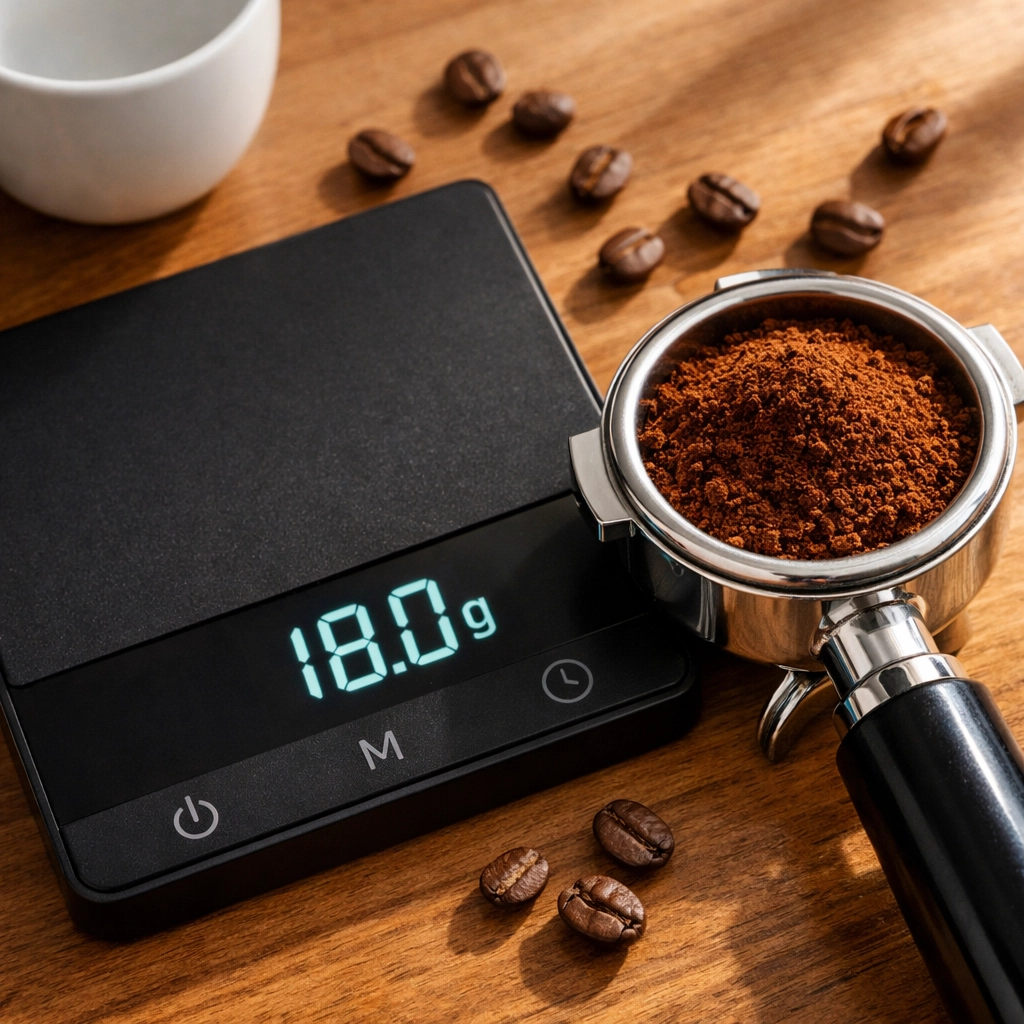
1. You're Eyeballing Your Coffee Dose (Instead of Weighing It)
This is the big one. We'd estimate that 95% of inconsistency issues with home espresso come down to not using a scale. When you're scooping coffee by eye or using volumetric measurements, you might think you're being consistent, but you're probably off by 2-3 grams every time.
Doesn't sound like much? If you're aiming for an 18g dose and you're actually using 20g, that's an 11% error. That's the difference between a balanced shot and something that tastes like you're chewing on coffee grounds.
The fix: Invest in a decent kitchen scale – doesn't need to be fancy, just accurate to 0.1g. Weigh your input dose every single time. We typically work with a 1:2 to 1:2.2 ratio, so if you're dosing 18g of coffee, you want to pull around 36-40g of espresso out.
This gives you actual data. When something tastes off, you can identify what changed. Without a scale, you're just guessing.
2. Your Grind Size is All Over the Place
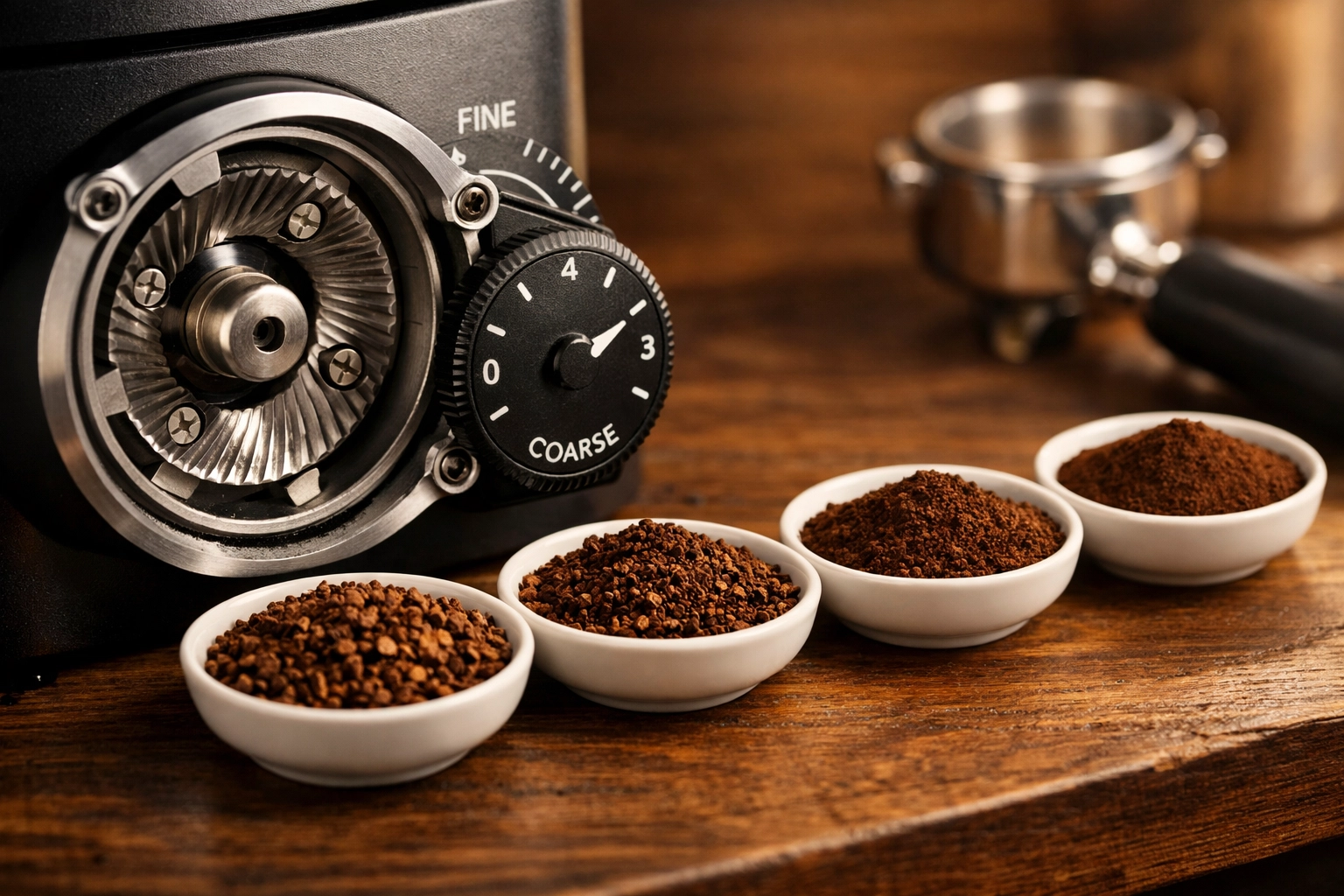
We see this constantly: people adjusting their grinder multiple times per day, chasing the perfect shot without understanding what they're actually changing. Or worse, grinding way too coarse because they read somewhere online that "espresso should flow like warm honey" and their shots are running like water.
The grind is crucial – it's your main extraction variable. Too coarse and you'll get a sour, under-extracted shot that runs in 15 seconds. Too fine and you'll choke your machine, getting a bitter, over-extracted mess (if you get anything at all).
The fix: Start with your machine's manual. Seriously. Most machines have recommended grind settings for a reason. Begin there, then make small adjustments based on taste and timing.
If your shot is pulling too fast (under 25 seconds) and tastes sour or weak, go finer. If it's taking forever (over 35 seconds) and tastes harsh or bitter, go slightly coarser. But here's the key – only change one variable at a time. Adjust grind, then dial in your dose and ratio before making more changes.
3. You're Not Dosing Enough Coffee
This one surprises people. Many home brewers underfill their portafilter basket, thinking they're saving coffee or being conservative. But if you're using 14g in an 18g basket, you're preventing your machine from building proper pressure.
Espresso extraction needs resistance to reach the optimal 9 BAR of pressure. Without enough coffee in the basket, water just flows through without extracting properly. You'll get thin, weak shots no matter how fine you grind.
The fix: Check your basket size (it's usually stamped on the side or in your manual) and dose to its recommended capacity. If you've got an 18g basket, use 18g of coffee. Every single time. Consistency is what lets you actually improve – when everything else is constant, you can taste what individual changes do.
4. Your Tamping Technique Needs Work
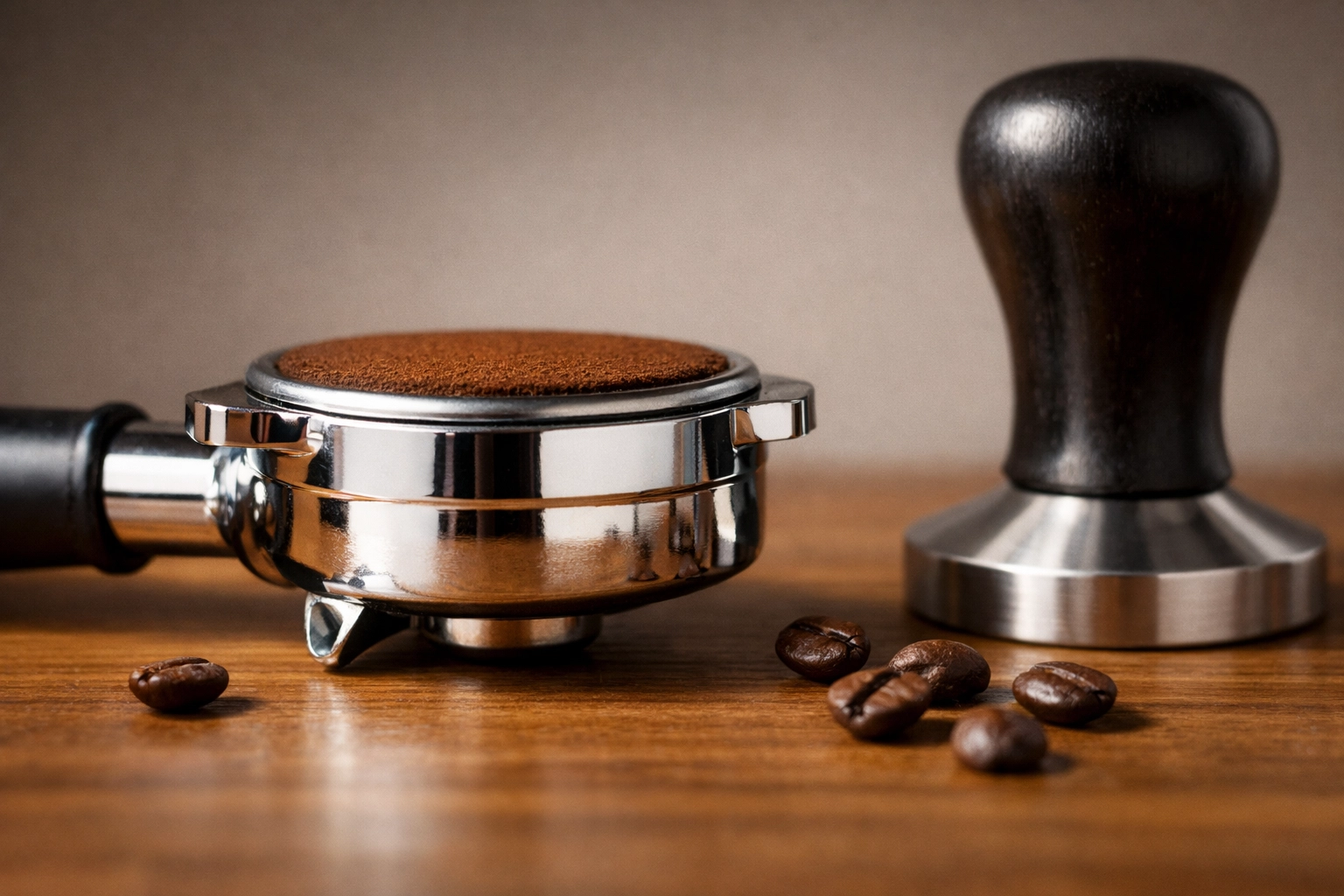
Tamping seems simple – just press down the coffee, right? But inconsistent tamping pressure or an uneven tamp creates channels in your puck. Water takes the path of least resistance, so it rushes through the thinner sections while leaving the thicker parts under-extracted.
The result? A shot that's simultaneously sour and bitter. Not ideal.
The fix: Tamp with consistent pressure (around 30 pounds of force) and make sure the tamp is perfectly level every time. The technique matters more than the strength. We like to press straight down, give a light polish, and check that the puck surface is completely flat.
Some people swear by distribution tools or WDT (Weiss Distribution Technique) to break up clumps before tamping. They're not necessary for everyone, but if you're seeing inconsistent extractions, they're worth trying.
5. You're Ignoring Water Quality and Temperature
Here's something that doesn't get enough attention: your water matters. A lot. If you're pulling shots with hard tap water or water that's been sitting in your machine's reservoir for a week, you're compromising flavor before you even start.
Temperature is equally crucial. Even a few degrees can swing your extraction from sour (too cool) to bitter (too hot). Most home machines struggle with temperature stability, especially single boilers.
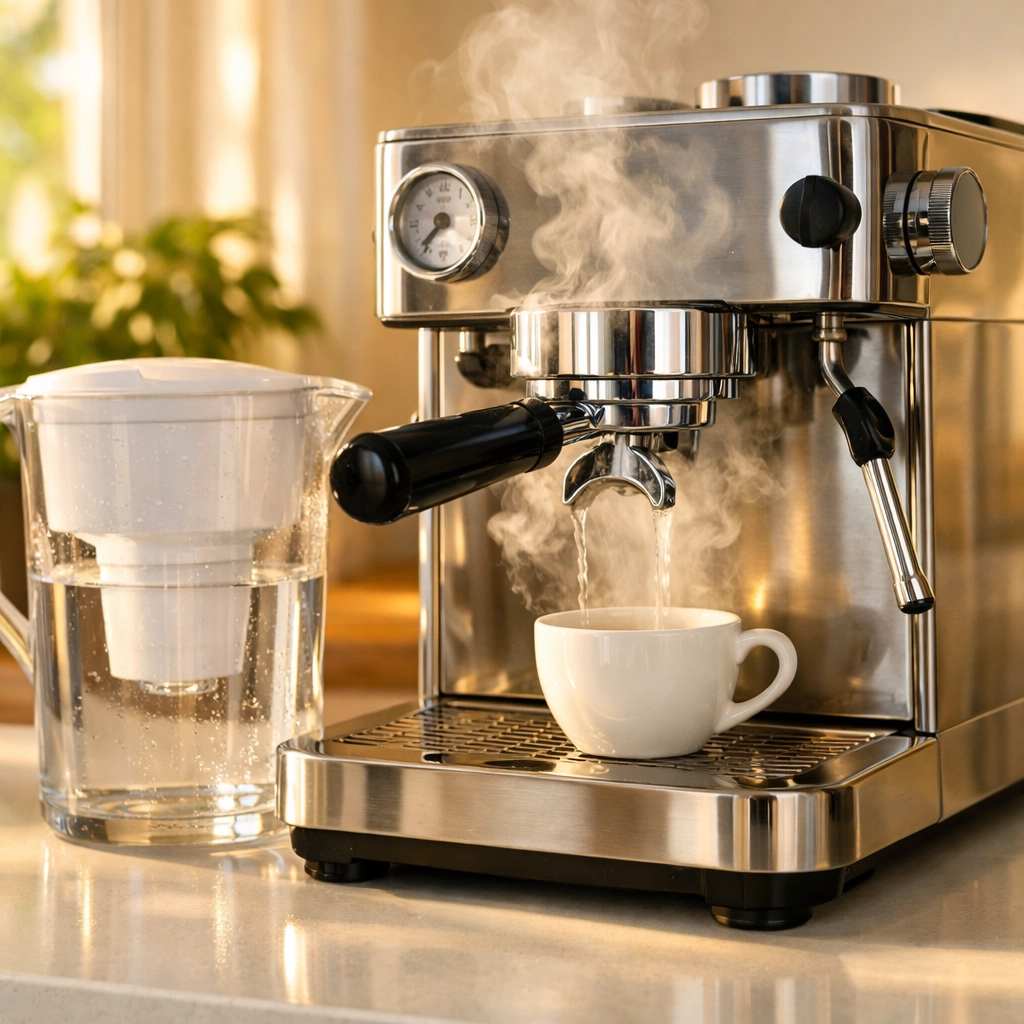
The fix: Use filtered water. If your machine doesn't have a built-in filter, a simple Brita will do. Change it regularly.
For temperature, flush a bit of water through the group head before pulling your shot. This achieves two things: it clears any stale water and helps stabilize the temperature. Also, preheat your cup – pouring espresso into a cold cup drops the temperature significantly.
If your machine has temperature control, aim for 92-95°C (197-203°F) as a starting point, then adjust based on taste and the specific beans you're using.
6. You're Not Cleaning Your Machine Properly
We get it – cleaning isn't glamorous. But espresso machines operate at high pressure with oily coffee grounds. Without regular cleaning, you get buildup in the group head, screen, and portafilter that affects water flow and taste.
Old coffee oils go rancid. They make everything taste stale and bitter, no matter how fresh your beans are.
The fix: Develop a cleaning routine. Daily: rinse your portafilter and basket thoroughly, wipe down the group head and screen. Weekly: backflush if your machine allows it, deep clean the basket and shower screen. Monthly: descale according to your machine's requirements.
This maintenance sounds like a lot, but it takes five minutes and makes a massive difference. Plus, it extends your machine's life significantly.
7. You're Using Stale Coffee (or Haven't Read Your Manual)
This might sound obvious, but we constantly see people trying to dial in espresso with beans that are weeks or months past roast. Coffee degasses over time, and espresso is particularly sensitive to freshness. Those pre-ground supermarket bags? They're stale before you even open them.
And the manual thing – look, we know reading instructions isn't exciting. But your machine's manual contains specific guidance on optimal dosing, recommended grind sizes, and features you might not even know exist.
The fix: Buy fresh, whole bean coffee and grind it immediately before brewing. At Limini Coffee, our beans are roasted to order, so you're getting them at peak freshness – usually within days of roasting. The difference is genuinely night and day.
And yes, read your manual. At least the espresso-specific sections. It'll save you hours of frustration and wasted coffee.
Bringing It All Together
Here's the thing about espresso: it's unforgiving, but it's also incredibly rewarding. Once you nail these fundamentals, you'll be pulling café-quality shots at home. And then the real fun begins – experimenting with different beans, trying single origins, exploring the nuances of different roast profiles.
The key is consistency. Get your basics dialed in – proper dosing, consistent grinding, good technique, fresh beans – and you create a stable foundation. From there, every adjustment you make teaches you something.
Start with one fix at a time. Don't try to overhaul everything overnight. Maybe this week you focus on weighing every dose. Next week, you work on your water quality. The improvements compound.
And remember, even professional baristas had to learn these lessons. The difference is they probably had someone showing them – consider this your crash course. Now get out there and make some proper espresso.
Want to level up your coffee game with beans that actually do justice to your technique? Check out our selection at Limini Coffee – we're obsessed with sourcing exceptional beans that shine in espresso.
Leave a Reply