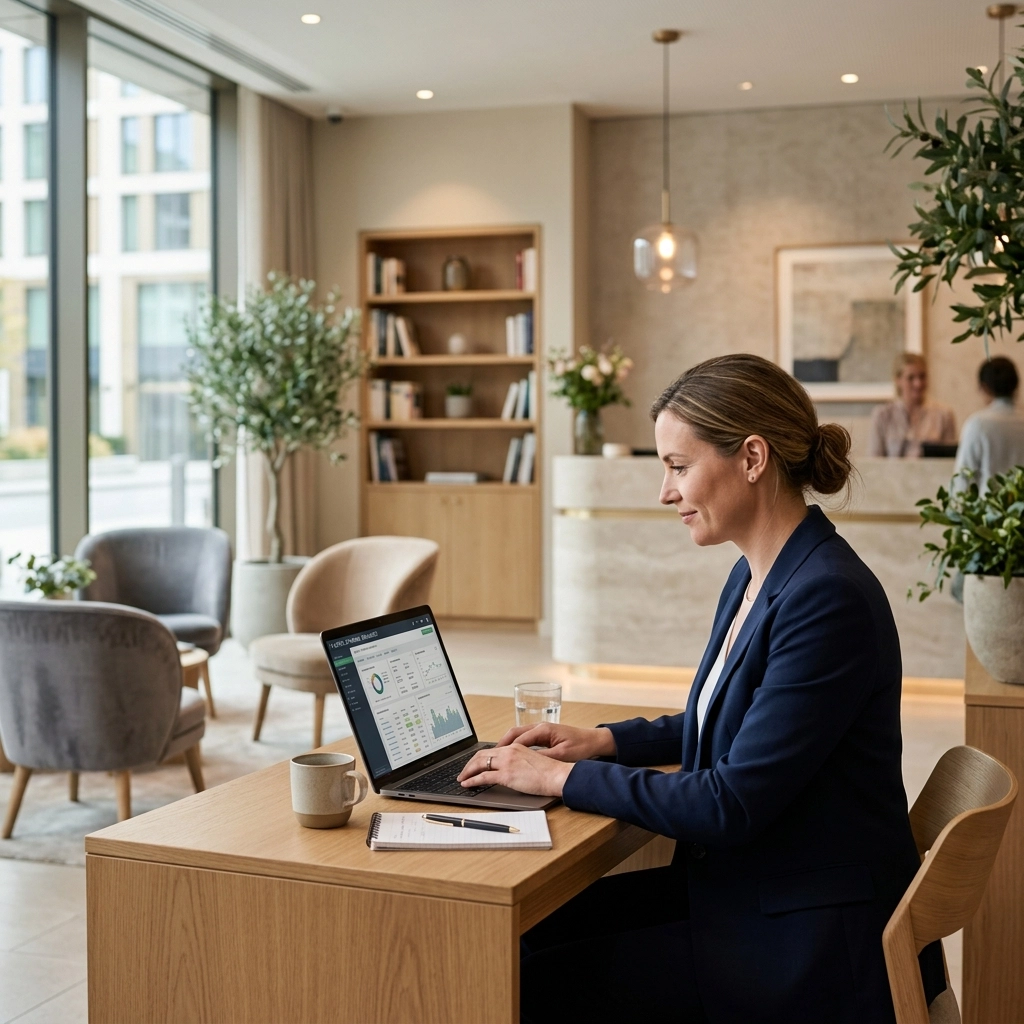
Connect your inventory. Automate your distribution. Scale your revenue.
The modern hotel tech stack is a symphony, and your channel manager is the conductor. But even the best conductors can’t fix a broken orchestra. If you’re still fighting with overbookings or spending hours manually updating rates across six different tabs, you aren’t just losing time: you’re losing the guest experience.
At Mews, we believe technology should set you free. We think the best software is the kind that works so well you forget it’s there. To get there, you need to move past the legacy "set it and forget it" mindset. It’s time to transform your distribution strategy from a chore into a competitive advantage, all from one cloud-native platform.
1. The Disconnection Dilemma
Using disconnected systems for your property management system (PMS), channel manager, and reservation tools is the quickest way to create chaos. When your software doesn't talk to each other in real-time, you’re essentially running a business on a delay. This lag causes inconsistent updates across OTAs, leading to the dreaded double booking.
We believe that data should flow like water: seamlessly and in one direction. If a room sells on Booking.com, your PMS should know instantly, and your direct booking engine should update before you can finish your espresso.
The transformation:
- Integrate your entire stack into a single source of truth.
- Prioritize real-time, two-way synchronization.
- Eliminate the "buffer" time between systems to stop overbookings.
2. Falling into the Manual Entry Trap
Manual data entry isn't just boring; it’s a revenue killer. Every time a member of your team has to copy reservation details from an OTA email into your system, you’re inviting human error. When you manage shared inventory manually: listing the same room under multiple types without a smart link: you are essentially playing Russian roulette with your availability.
Modern hospitality isn't about data entry; it’s about guest connection. You didn't get into this business to be a typist.
How to evolve:
- Implement a pool inventory model where all rooms live in one central bucket.
- Let the software map room types based on specific channel formatting.
- Use automation to pull bookings directly into your hotel PMS without human intervention.
3. Mismanaging Restrictions and Pricing
We see it often: a hotel has a great season but misses out on peak revenue because of poorly applied stay restrictions. Using CTA (Closed to Arrival) or CTD (Closed to Departure) can be powerful tools, but when used incorrectly, they create "unbookable" gaps in your calendar.
Static pricing is a relic of the past. Your channel manager should be a dynamic tool that responds to the market, not a static spreadsheet that needs a manual nudge every morning.
The strategy:
- Balance demand by applying minimum and maximum stay restrictions intelligently.
- Monitor your restrictions from a single dashboard to ensure you aren't accidentally blocking sales.
- Leverage smart automation to adjust rates based on occupancy and market demand.
"We saved about 15 hours a week just by letting the system handle our rate updates across channels automatically." : Verified Mews User
4. The "Single Channel" Blind Spot
Relying solely on one or two major OTAs is like building a house on a rented plot of land. If your distribution isn't diversified, you are vulnerable to commission hikes and algorithm changes. Many hoteliers stick to the "big players" because managing more channels feels like more work.
In reality, a diverse channel mix allows you to reach distant markets and niche travel segments that you might otherwise miss. It’s about being where your guests are, even if they aren't on the first page of Expedia.
The way forward:
- Analyze your market data to see where your most profitable guests are coming from.
- Diversify into niche OTAs that cater to your specific property type (e.g., boutique, luxury, or long-stay).
- Use your channel manager to test new markets without increasing your administrative workload.

5. Inconsistent Brand Messaging
Your hotel's digital identity is everything. A common mistake is updating photos and descriptions on your own website but forgetting to update them on the 10 OTAs you’re connected to. This creates a fragmented guest experience. If a guest sees a beautiful new suite on your Instagram but a grainy, 2018 photo on a booking site, you lose trust.
Consistency builds credibility. Your channel manager should be the megaphone for your brand, ensuring your best face is forward everywhere at once.
The fix:
- Centralize your content management through your distribution platform.
- Ensure photos, amenities, and property descriptions are identical across all touchpoints.
- Automate updates so that when you change a room description once, it populates everywhere.
6. Ignoring the Power of Guest Data
A channel manager shouldn't just be a pipe for bookings; it should be a goldmine for data. Many properties treat OTA bookings as "one-off" transactions and fail to capture the guest data needed to build a relationship. If you aren't pulling that guest info into your CRM, you’re losing the chance to turn an OTA guest into a direct, loyal customer.
We believe the guest journey starts long before they walk through your door. It starts at the moment of discovery.
The innovation:
- Centralize guest data management to ensure every booking feeds your CRM.
- Automate pre-stay communication to offer upgrades or self-check-in kiosks options.
- Use review management tools to capture feedback and protect your online reputation.

7. Losing Touch with Your Target Audience
The final mistake is treating all distribution channels as equal. Not every channel is right for every guest. If you’re a high-end boutique hotel, blasting your inventory on a discount-focused site might attract the wrong crowd: leading to poor reviews and operational friction.
Understanding your audience means knowing not just who they are, but how they book. Are they using mobile apps? Do they prefer booking via a direct booking engine for perks?
The solution:
- Conduct thorough market research to define your "ideal guest."
- Optimize your channel strategy to favor the platforms your target audience uses most.
- Tailor your property descriptions and pricing to meet their specific demands.
The Cloud-Native Edge
Legacy systems are heavy. They require servers, manual updates, and a lot of patience. Mews is different. We are cloud-native, which means we’re built for the speed of the modern world. Our platform is easy to use, automation-focused, and designed to put you back in control of your property.
Whether it’s streamlining your check-in with self-check-in kiosks or ensuring your channel manager is perfectly synced with your hotel PMS, we’re here to help you innovate.
Ready to see how a modern tech stack can transform your operations?
Schedule a 30-minute demo to see Mews in action.
Hospitality is changing. The question is: are you ready to lead the way? Focus on the narrative of your guest's journey, embrace the automation that saves your sanity, and let your technology work as hard as you do.
The future of hotel management isn't about fixing mistakes: it’s about creating opportunities.

Three things to do today:
- Audit your OTA listings for photo and description consistency.
- Check your PMS-to-Channel-Manager lag time.
- Explore one new distribution channel that targets a different guest demographic.
Building a better hotel experience doesn't happen overnight, but with the right tools, it’s a whole lot easier. Stay innovative, stay curious, and let’s get you earning more revenue in no time.
Leave a Reply