
Your hotel PMS should be making life easier, not harder. But here's the thing, most hoteliers aren't getting the full value from their software because of a few common setup and usage mistakes. These slip-ups lead to double bookings, pricing chaos, and staff spending hours on tasks that should be automated.
The good news? These problems are fixable. Let's walk through the seven biggest mistakes you're probably making with your hotel management software, and how to course-correct before they cost you revenue and sanity.
1. Fighting Your Own Automation
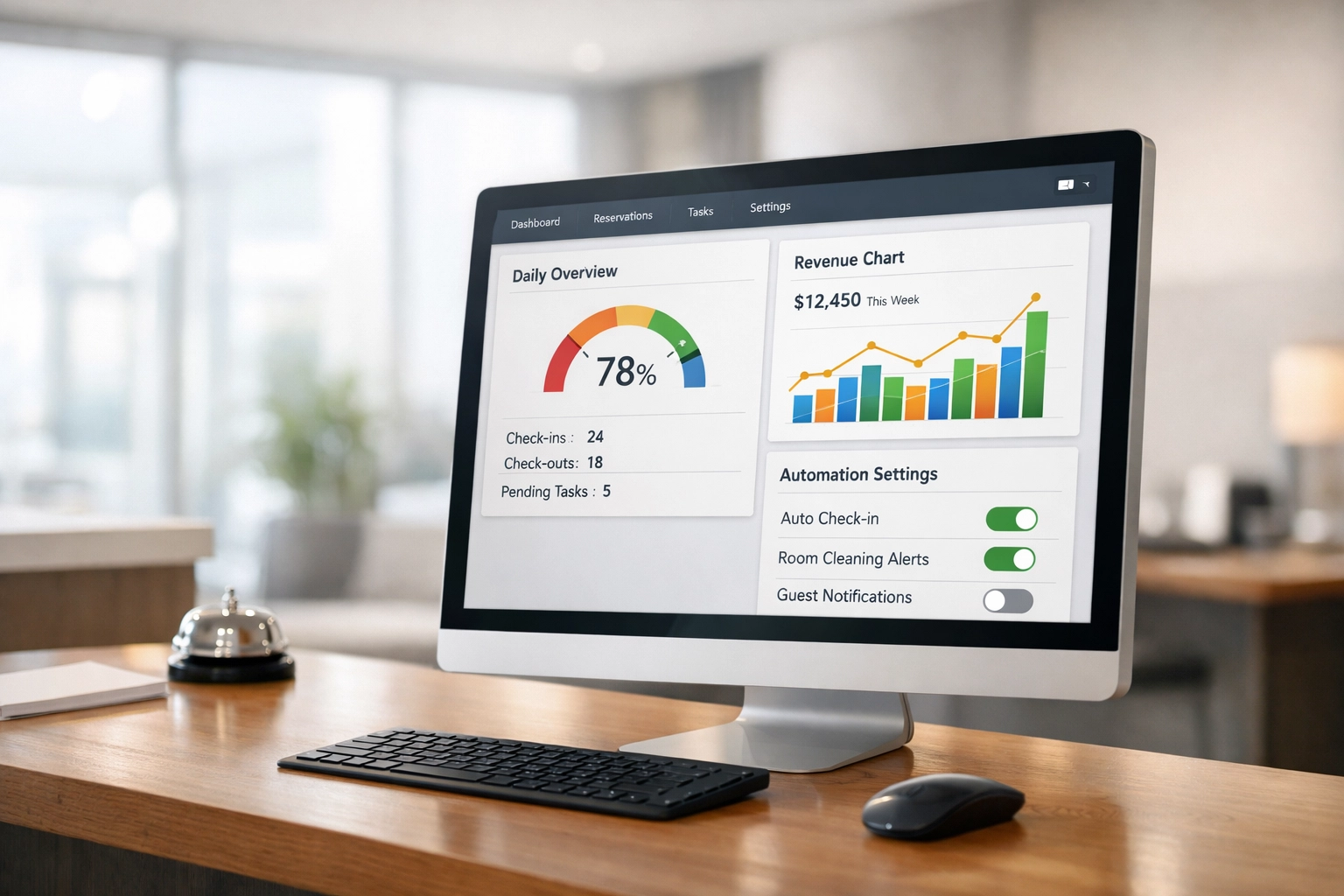
The Mistake: You've got revenue management tools and automation rules set up, but you're constantly overriding them manually. Changing prices here, adjusting availability there, tweaking restrictions because "you know better."
Here's the reality, every manual override creates a sync nightmare. Your channel manager gets confused, your booking engine shows different rates than your OTAs, and suddenly you're playing whack-a-mole with pricing discrepancies across platforms.
The Fix: Trust your automation. Configure your system properly during setup, set accurate minimum rates, competitor weights, and demand triggers, then let it run. Manual overrides should be rare exceptions, not daily habits. If you're constantly fighting the system, your setup is wrong, not your software.
Cloud-native platforms like Mews are built to handle dynamic pricing automatically, adjusting rates based on real-time demand without creating the sync issues that plague legacy systems.
2. Running Disconnected Systems
The Mistake: Your property management system doesn't talk to your channel manager. Your booking engine operates in a silo. Your CRM is completely separate. Every system is its own island, and you're the bridge manually copying data between them.
This creates double bookings, inventory errors, and rate mismatches. Guests see one price on your website and another on Booking.com. A room shows available on Expedia but was booked an hour ago through your direct channel.
The Fix: Integrate everything. Your hotel PMS should connect seamlessly with OTAs through a robust channel manager that syncs in real time. When a booking comes through any channel, availability should update everywhere instantly.
Modern hotel management software eliminates these blind spots. Look for platforms that offer native integrations rather than clunky third-party connectors that break when you need them most.
3. Messy Room Types and Rate Plans
The Mistake: Your room types are named inconsistently across platforms. On Booking.com it's "Deluxe King," on your PMS it's "King DLX," and on Expedia it's "Superior King Room." Your rate plans are equally chaotic, BAR, RACK, NRF, and a dozen promotional codes nobody remembers creating.
This confusion breaks your system's logic. Updates don't sync properly, reports become meaningless, and new staff can't figure out which room is which.
The Fix: Standardize everything. Create a clear naming convention for room types and rate plans, then map them consistently across every connected system. Document your structure so everyone on the team uses the same terminology.
This foundational work prevents headaches down the line. When your configuration is clean, your automation actually works.
4. No Real-Time Visibility
The Mistake: You're always finding out about problems after they've happened. A guest arrives and their "guaranteed" room isn't available. You discover a pricing error only when Finance runs the weekly report. Inventory issues surface when someone tries to book.
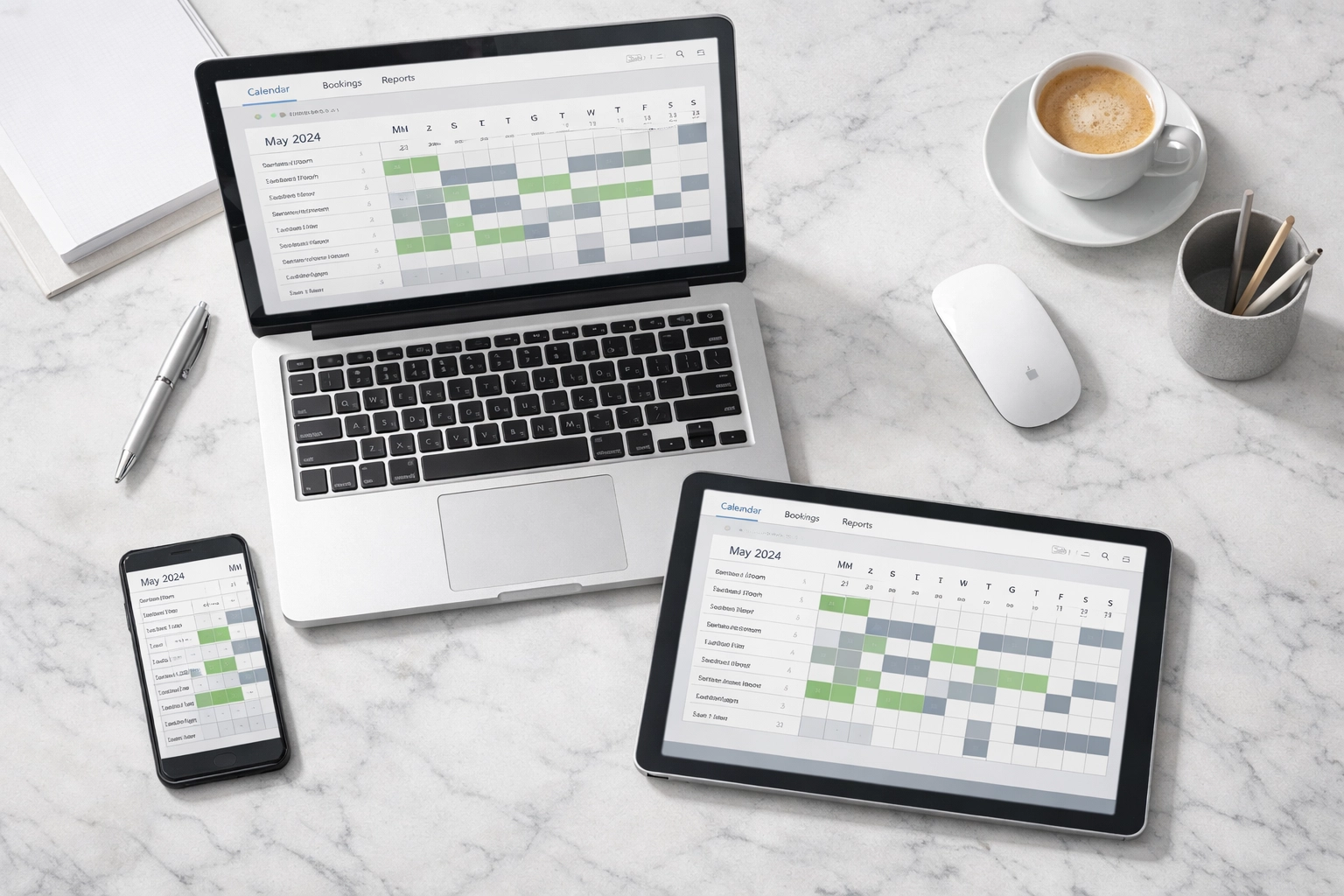
Without real-time dashboards showing what's happening across all channels right now, you're flying blind.
The Fix: Demand real-time visibility from your software. You should be able to see current inventory, rates, and bookings across every channel at a glance. When a cancellation comes through, it should reflect everywhere immediately, not hours later after some batch process runs.
Cloud-native systems excel here because they're built for instant synchronization. Legacy on-premise software with delayed updates can't compete in today's fast-paced booking environment.
5. Ignoring What Guests Are Telling You
The Mistake: Guest reviews and feedback pile up, but nobody's analyzing patterns. Complaints about check-in wait times keep appearing in reviews. Multiple guests mention confusion about parking policies. But each review gets read in isolation, so the systemic issues never get addressed.
The Fix: Set up a process to regularly review guest feedback and identify recurring themes. Better yet, use a hotel CRM that aggregates feedback and highlights patterns automatically.
Your guests are giving you a roadmap for improvement, you just need to pay attention. When the same issue appears three times, it's not coincidence, it's a fixable problem.
Act on what you learn. If multiple guests mention check-in friction, maybe it's time to implement self-check-in kiosks. If communication about amenities is unclear, update your pre-arrival messaging.

6. Flying Without KPIs
The Mistake: You're not tracking the metrics that matter. Sure, you glance at occupancy occasionally, but what about RevPAR? Channel mix? Average daily rate trends? Booking pace compared to last year?
Without clear KPIs, you can't tell if your software investments are actually paying off. You're making decisions based on gut feeling instead of data.
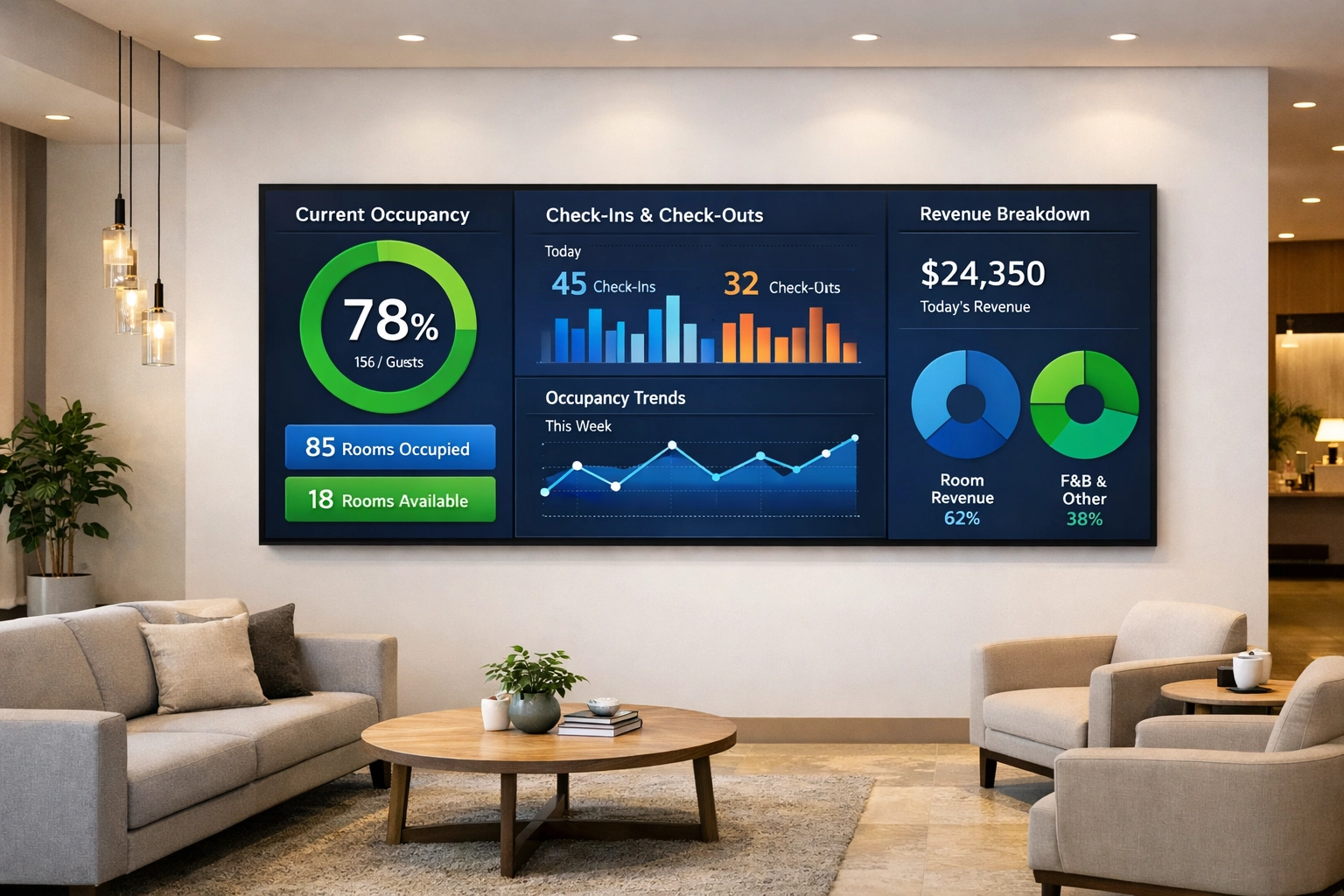
The Fix: Define the key performance indicators that matter for your property, then use your software's reporting tools to track them consistently. Most modern hotel PMS platforms offer dashboards that make this easy: if you actually use them.
Set up recurring reports that automatically deliver weekly summaries. Review occupancy patterns, rate performance by channel, and booking trends regularly. When you spot problems early, you can fix them before they impact revenue.
Data-driven decisions beat guesswork every time.
7. Undertrained Staff and Outdated Software
The Mistake: Staff got a quick tour of the system when they started, but never received proper training. They're using maybe 30% of the platform's capabilities because nobody taught them the rest exists. Meanwhile, your software vendor has released three major updates you never installed because "it's working fine as is."
This is leaving money on the table. That new automation feature could save hours of manual work. The updated booking engine could increase conversion rates. But you'll never know if you're running outdated software with undertrained staff.
The Fix: Invest in comprehensive onboarding for new team members and ongoing training for existing staff. Many software vendors offer training resources: actually use them.
Keep your software updated. Updates aren't just bug fixes: they often include performance improvements, new integrations, and automation options that solve the exact frustrations you're experiencing.
Modern cloud-native platforms like Mews handle updates automatically, so you're always running the latest version without manual intervention. No more delaying updates because you're afraid of breaking something.
Stop Fighting Your Software, Start Using It Right
Here's the bottom line: your hotel management software is only as good as how you use it. These seven mistakes are costing you time, money, and guest satisfaction. But they're all fixable with better configuration, proper training, and trusting your automation to do its job.
If you're constantly battling your current system, maybe it's not you: maybe it's time for software that actually works the way modern hotels need it to. Cloud-native platforms designed for ease of use and automation can eliminate most of these headaches before they start.
Ready to see what hotel management software should actually feel like? Check out Mews and discover a platform built for how hospitality actually works in 2026: automated, integrated, and refreshingly easy to use.
Leave a Reply