Your hotel PMS should be making your life easier. Not harder.
But here's the thing: most hoteliers aren't getting the full value from their systems. You've invested in technology that promises automation, real-time updates, and seamless operations. Instead, you're stuck with manual workarounds, inconsistent data, and revenue opportunities slipping through the cracks.
The good news? These mistakes are fixable. Let's walk through the seven most common PMS pitfalls and how to turn things around.
1. You're Overriding Your Automation (and It's Costing You)
We get it. Letting software make decisions feels uncomfortable. You didn't get into hospitality to hand control over to algorithms. But here's the problem: when you constantly override automated processes with manual interventions, you're undermining the entire system.
Your hotel PMS learns from data. When you interfere with every automated pricing recommendation or availability update, you create errors and inaccuracies that ripple through your entire operation.
The fix: Trust your automation. Modern systems like Mews are built to handle routine tasks with precision. Set your parameters correctly during setup, then let the system do its job. You'll get more accurate pricing, fewer booking errors, and your team can focus on delivering exceptional guest experiences instead of micromanaging software.
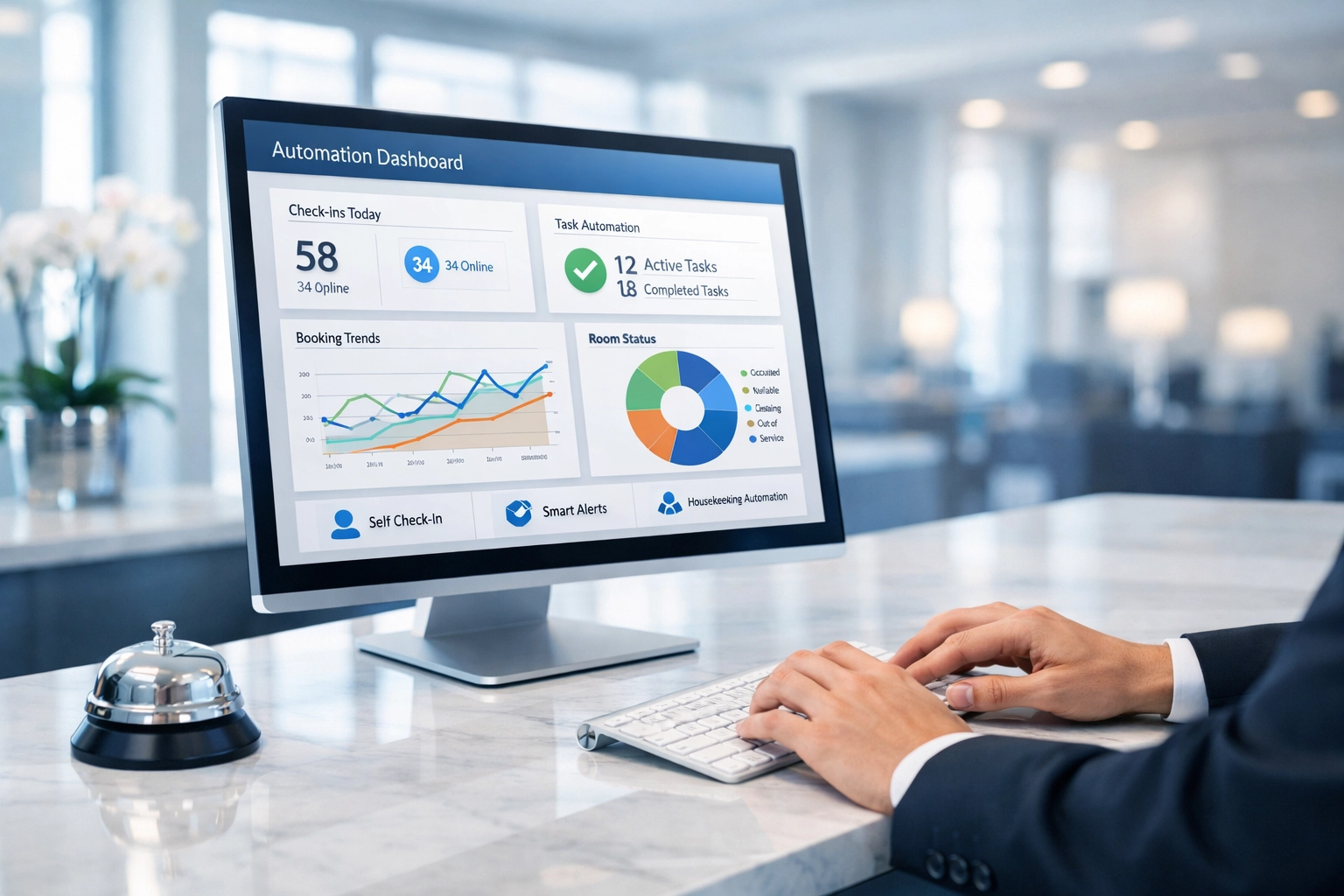
2. Your Settings Are Half-Baked
During implementation, it's tempting to rush through configuration. You want to start taking bookings. You need the system live yesterday. So you skip setting minimum and maximum rates. You don't properly weight competitor pricing. You leave sections incomplete.
Then you wonder why your pricing recommendations make no sense.
Incomplete configuration is like building a house without a foundation. Everything else crumbles.
The fix: Spend quality time with your software specialist during onboarding. Map out every room type. Define rate plans clearly. Set pricing boundaries that reflect your market positioning. This isn't a one-time thing either: as your property evolves, your configuration should too. Quarterly reviews keep your system aligned with your business reality.
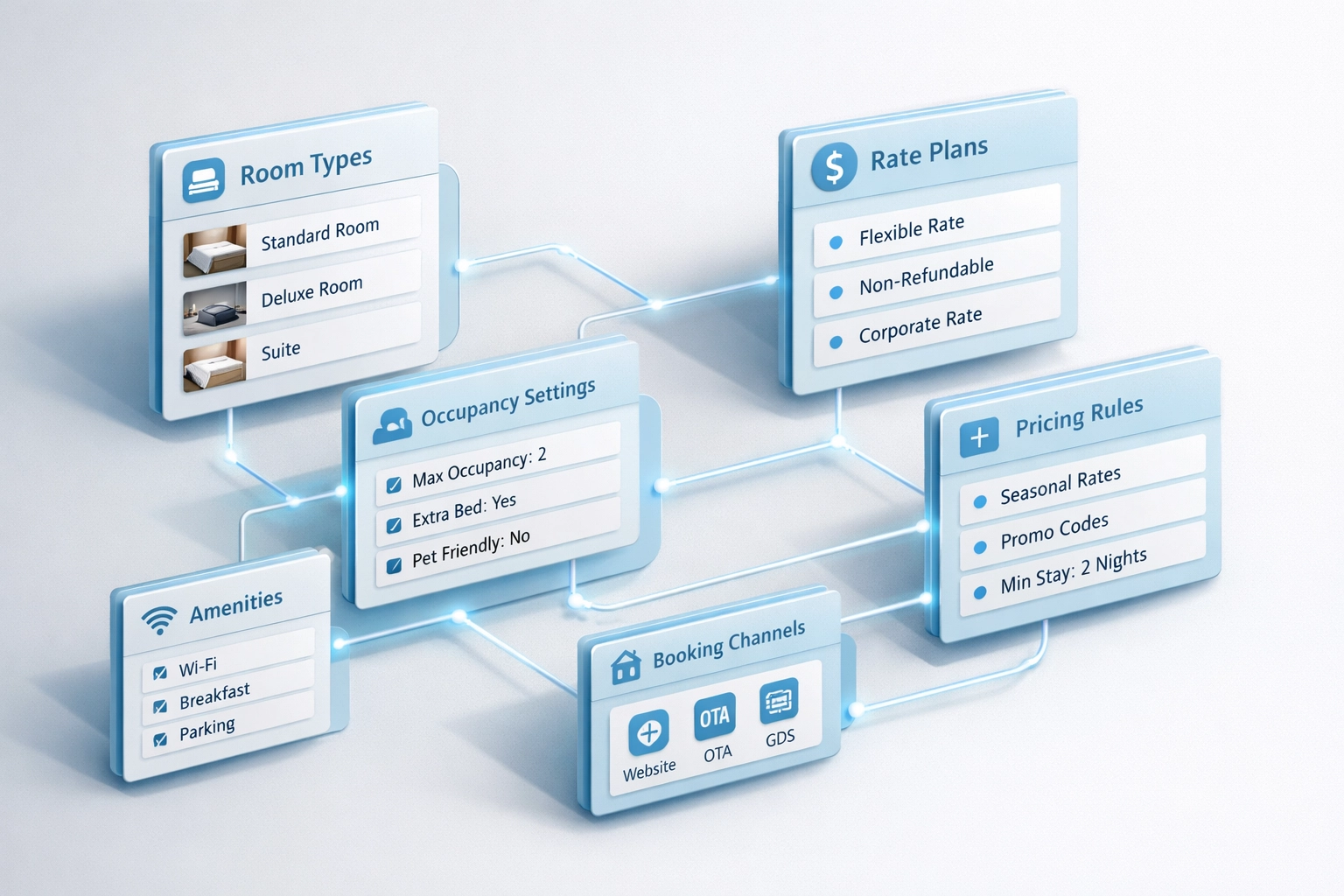
3. Your Room Types and Rate Plans Are a Mess
Here's a truth bomb: if your room types and rate plans aren't consistent across all systems, your entire tech stack breaks down.
One system calls it "Deluxe King." Another says "King Deluxe." Your channel manager thinks it's "Superior King." Now your inventory sync is broken, your pricing updates fail, and you're manually fixing overbookings at 11 PM.
The fix: Standardize everything. Room names. Rate codes. Policies. Use identical naming conventions across your PMS, booking engine, and all OTA connections. Map your room types properly so availability and pricing updates flow seamlessly. A cloud-native platform handles this integration automatically: no more playing translator between systems.
4. You "Set and Forget" Your Channel Strategy
You configured your channels months ago. Maybe years ago. Since then, you've let them run on autopilot while paying fat commissions to OTAs.
Meanwhile, demand patterns shift. Your competition adjusts. Market conditions change. But your length-of-stay restrictions, channel mix, and availability settings? Exactly the same as day one.
The fix: Your channel manager deserves weekly attention. Apply strategic restrictions to drive direct bookings. Close expensive channels during high-demand periods. Open lower-cost channels when you need volume. Adjust minimum stay requirements based on pickup patterns. This isn't busy work: it's revenue management.
The hotels winning at distribution treat channel strategy like a living, breathing thing. They adapt. They test. They optimize.
5. You're Flying Blind Without Reports
Quick question: What percentage of your bookings came through each channel last month? Which rate plans convert best? Are you leaving money on the table during peak periods?
If you can't answer these questions immediately, you're making decisions based on gut feeling instead of data.
The fix: Set up recurring reports in your PMS. Track pickup patterns. Monitor channel mix. Analyze occupancy and revenue trends. Modern hotel PMS platforms include dashboards that make this information digestible: you don't need a data science degree.
Use these insights to answer critical questions: Where are your most profitable bookings coming from? Should you be pushing direct bookings harder? Is your pricing strategy aligned with demand?
Data-driven decisions beat guesswork every single time.

6. You Have No Real-Time Visibility
Here's a scenario that happens more often than it should: A guest books your last room on Booking.com. Three minutes later, someone books the same room on your website. Your inventory hasn't synced yet. Now you're scrambling to relocate a guest or comp an upgrade.
Without real-time awareness of rates and availability across channels, you're always reacting to problems instead of preventing them.
The fix: Your PMS needs instant inventory management and channel integration. When a room books, every platform should update immediately. No delays. No manual pushes. This is where cloud-native technology shines: updates happen in milliseconds, not minutes.
Real-time visibility also means you can respond to demand shifts fast. Competitor drops prices? Adjust. Event gets announced in your city? Capture that demand before it's gone. Speed matters in revenue management.
7. You're Thinking Too Short-Term
You bought your current PMS to solve one immediate problem. Maybe you needed a booking engine. Or better reporting. Or basic automation.
But here's what you didn't consider: scalability. What happens when you add properties? When guest expectations evolve? When new integrations become must-haves?
Now you're stuck. Your system can't grow with you. Updates are rare. New features take years to roll out. Staff training ended after onboarding and nobody knows the advanced features.
The fix: Choose technology built for growth. A platform that adds features regularly. One that integrates with best-in-class tools for CRM, payments, and guest messaging. Investment in comprehensive training: not just during onboarding, but ongoing.
Mews works with over 12,500 properties precisely because it scales. Independent hotels use the same core platform as major hospitality groups. As your needs evolve, the system evolves with you.
The Common Thread
Notice the pattern? These mistakes all stem from the same root cause: treating your PMS like a static tool instead of a dynamic platform.
Modern hotel technology should be easy to use, automation-focused, and built to adapt. It should reduce manual work, not create more. It should provide clarity, not confusion.
When you fix these seven mistakes, operations get smoother. Revenue optimization becomes achievable. Your team stops fighting the software and starts using it as the competitive advantage it should be.
Take an honest look at your current setup. Which mistakes are holding you back? More importantly: what's your plan to fix them?
The best time to optimize your PMS was during implementation. The second best time is right now.
Leave a Reply