Your hotel PMS should make life easier. Not harder.
But here's the thing: even the best hotel pms becomes useless if you're not using it right. And most hoteliers? They're making the same seven mistakes over and over again, leaving money on the table and making their staff's lives unnecessarily complicated.
Let's fix that.
1. You Rushed Through Setup (And Never Looked Back)
The mistake: You got your PMS up and running during onboarding, checked a few boxes, and called it done. Now your system is generating wonky rate recommendations, your pricing looks off, and nobody knows why.
Why it matters: An improperly configured PMS is like a GPS with the wrong starting address. It'll get you somewhere, but probably not where you want to go.
The fix: Treat configuration as an ongoing conversation with your system, not a one-time task. Set up minimum rates, maximum rates, competitor weights, and restrictions properly during onboarding. Then: and this is crucial: keep revisiting these settings as your business evolves.
Your property changes. Demand shifts. Competitors adjust. Your PMS should reflect that reality.
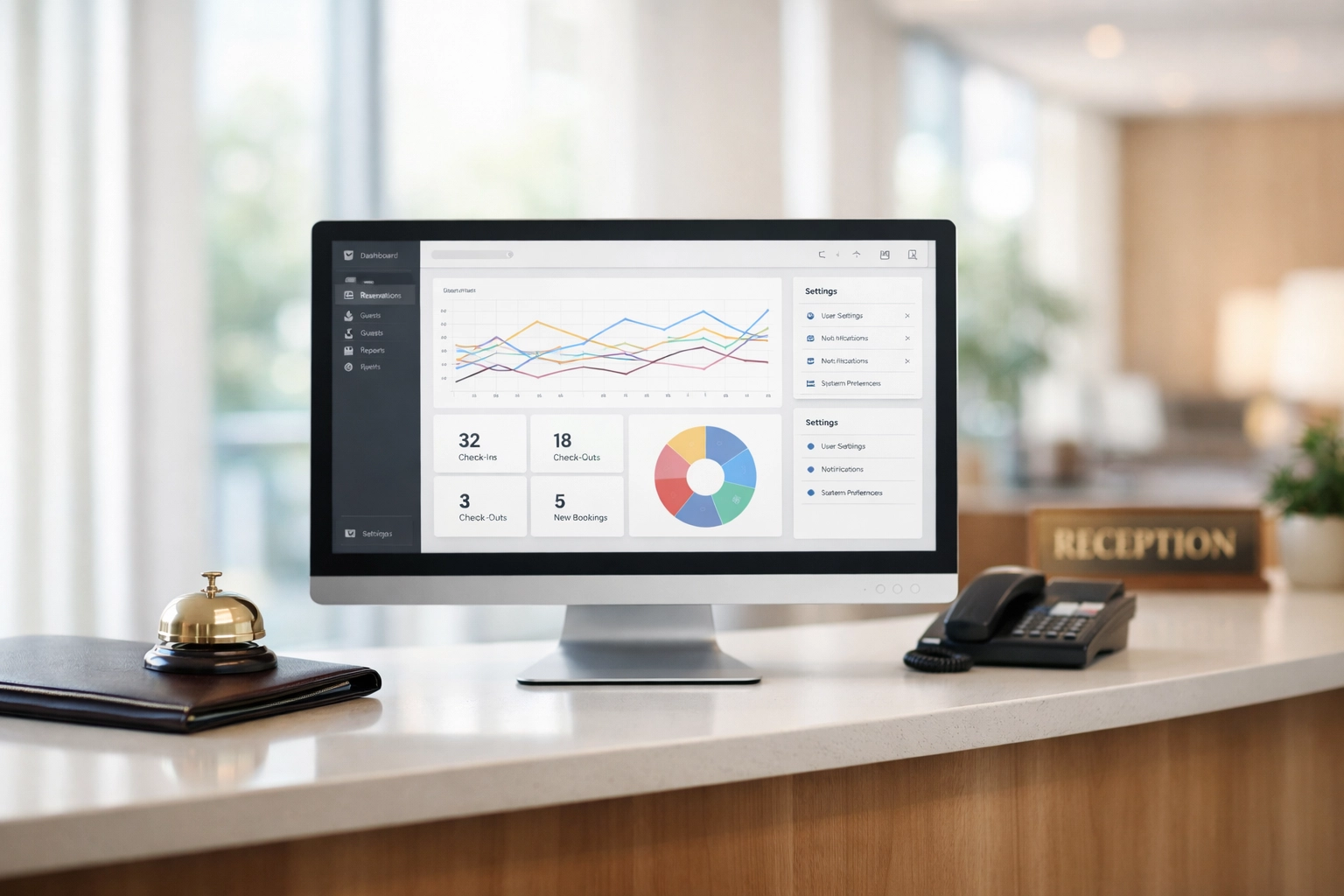
2. Your Room Types Are a Mess
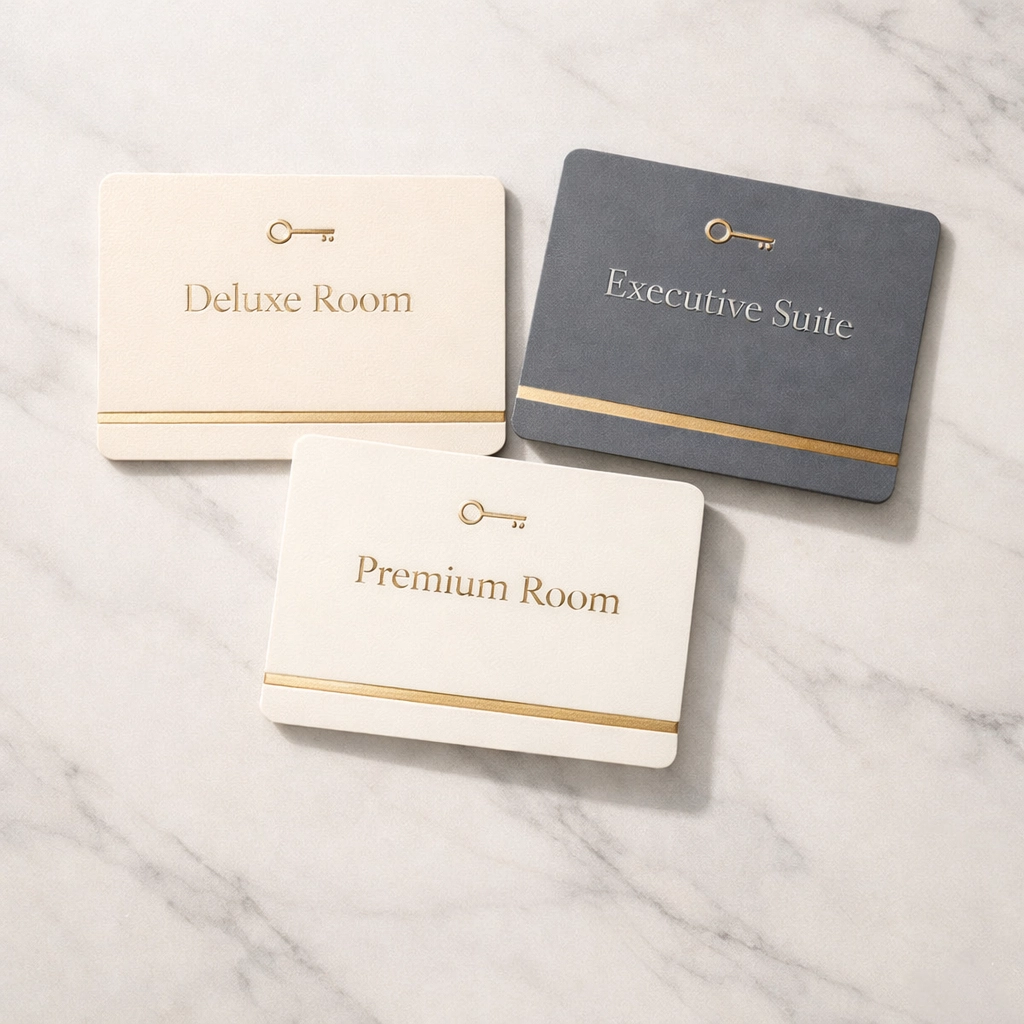
The mistake: Room names don't match across your channel manager, your booking engine, and your PMS. One system calls it "Deluxe Double," another says "Superior King," and your OTA shows "Executive Suite." The result? Pricing chaos, availability nightmares, and automation that just… doesn't work.
Why it matters: Room types and rate plans are the foundation of your entire tech stack. When they're inconsistent, everything built on top of them crumbles.
The fix: Standardize. Right now. Map your room types consistently across every platform. Use the same naming conventions, the same rate codes, the same policies everywhere.
Once everything's aligned, your system can actually automate like it's supposed to: updating prices, syncing availability, and preventing overbookings without you lifting a finger.
3. You're Ignoring Your Distribution Channels
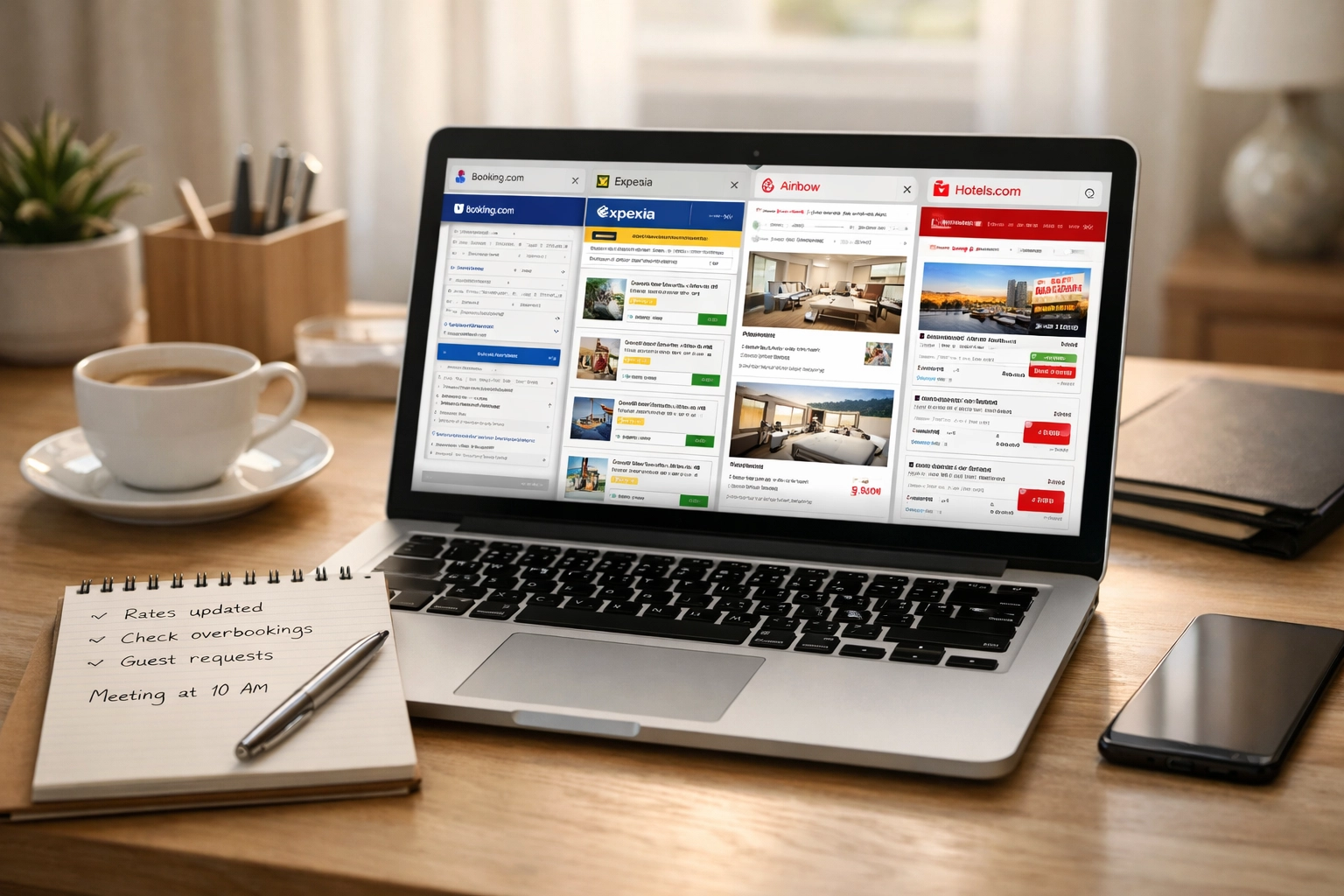
The mistake: You set up your channels six months ago and haven't touched them since. Length-of-stay restrictions? Still from last summer. Availability logic? Completely out of sync with demand. Meanwhile, you're hemorrhaging revenue to unnecessary OTA commissions.
Why it matters: A "set and forget" approach to channel management is like putting your revenue strategy on autopilot and then throwing away the steering wheel.
The fix: Actively manage your channels. Adjust length-of-stay restrictions based on current demand. Open or close channels dynamically depending on booking patterns. Apply smart restrictions to push bookings toward lower-commission channels when demand is there.
This isn't busywork: it's revenue management. And it makes a real difference in your bottom line.
4. You Have No Idea What's Happening Right Now
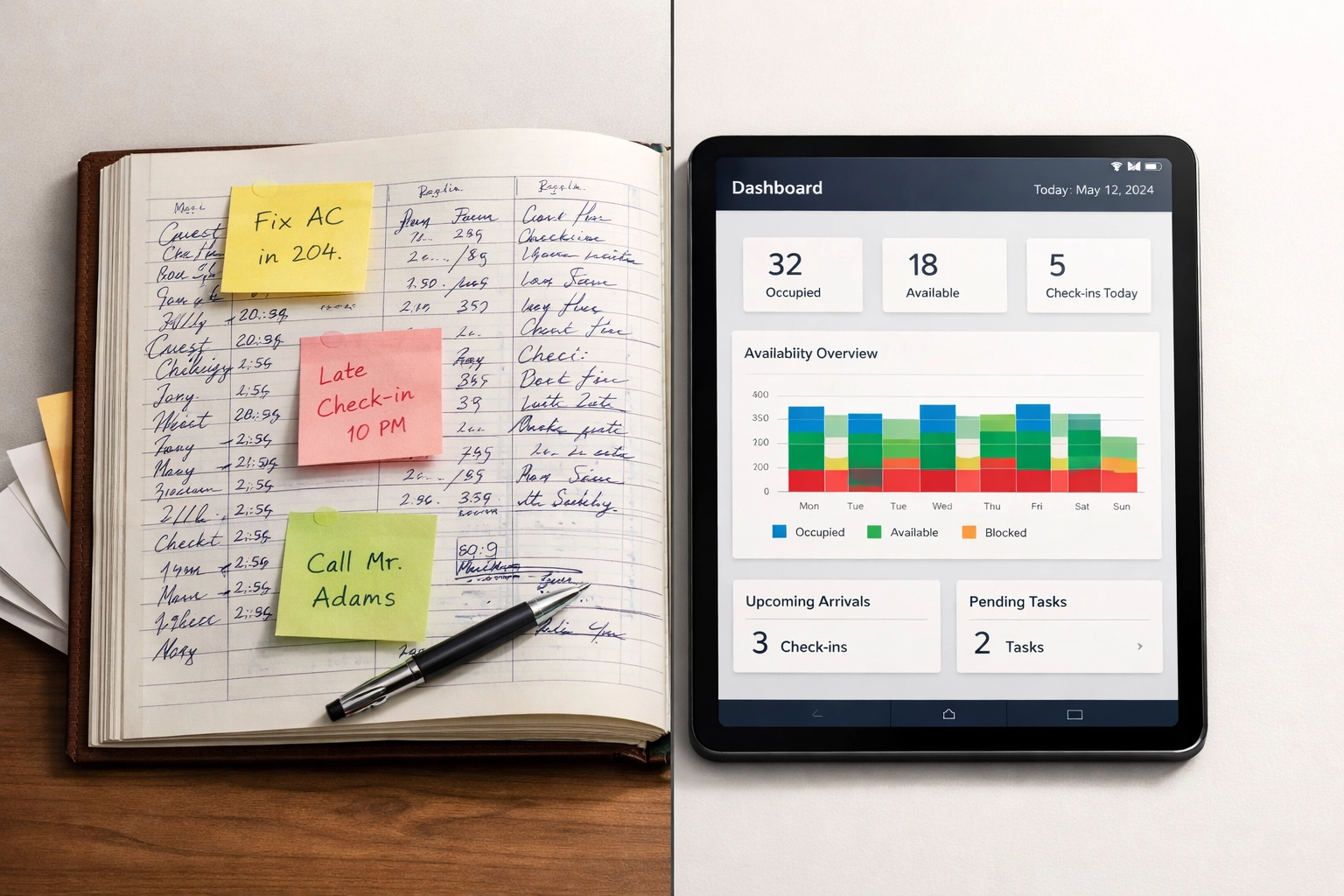
The mistake: Your availability isn't synchronized in real-time across platforms. Your pricing updates take hours to propagate. You only discover overbookings when a guest shows up and there's no room available.
Why it matters: Without real-time visibility, you're always reacting to problems instead of preventing them. You're fighting fires instead of running a hotel.
The fix: Switch to a cloud-native PMS with instant synchronization. When a room is booked on one channel, it should be blocked everywhere else immediately. When you adjust a rate, it should update across all platforms in seconds, not hours.
Real-time data means you can adjust to demand shifts before your competitors even notice them. That's the difference between chasing occupancy and optimizing revenue.
Modern systems like Mews handle this automatically: no manual intervention, no delays, no headaches.
5. You're Flying Blind on Data
The mistake: You have reports. Somewhere. But you never look at them. Decisions get made based on gut feeling, past habits, or whatever the last person to email you said.
Why it matters: Data isn't just numbers on a screen: it's the story of your revenue performance. When you ignore it, you miss patterns. You keep prices too low during peak periods. You rely on expensive channels when cheaper alternatives convert just as well.
The fix: Build reporting into your weekly routine. Set up dashboards tracking pickup rates, channel performance, occupancy trends, and revenue metrics. Then actually review them.
Ask yourself:
- Which channels bring the most profitable bookings?
- Are prices optimized for current demand?
- Which rate plans convert best?
- Where are we leaving money on the table?
Data-driven decisions beat gut feelings every single time.
6. Guest Feedback Goes Into a Black Hole
The mistake: Reviews come in. Surveys get completed. Guests send messages highlighting issues. And then… nothing happens. The same problems repeat. The same complaints surface. Nobody connects the dots.
Why it matters: Your guests are literally telling you where your operations are breaking down. Ignoring that feedback doesn't make the problems disappear: it just ensures they'll keep happening.
The fix: Make guest feedback review a non-negotiable part of your operations. Look for patterns. If five guests mention confusing check-in instructions, fix the instructions. If cancellation policies cause friction, clarify them everywhere.
Use your CRM to track these issues systematically. Modern systems can flag recurring complaints and help you address root causes before they become reputation problems.
7. You're Thinking Short-Term (And Skipping Training)
The mistake: You chose your PMS to solve one immediate problem without thinking about future growth. You trained staff during onboarding and never again. You ignore software updates because "everything works fine."
Why it matters: Hotels grow. Needs evolve. Technology improves. A system that can't scale with you becomes a limitation, not a solution.
The fix: Choose software that supports where you're going, not just where you are. Pick a platform that handles multi-property management, integrates with new tech, and actually improves over time.
Then commit to ongoing training. When your PMS releases new automation features, make sure your team knows about them. When workflows could be streamlined, take the time to implement those changes.
Cloud-native systems get better automatically with regular updates: but only if you're paying attention.
The Integration Bonus Problem
Here's an eighth mistake that deserves a mention: running a frankenstack of disconnected tools.
Your PMS doesn't talk to your booking engine. Your channel manager operates in its own universe. Your self-check-in kiosks require manual data entry. Every system is an island.
This creates manual work, data discrepancies, and missed opportunities. Modern hospitality tech should integrate seamlessly: OTAs, guest messaging platforms, revenue management tools, payment processors, everything.
When systems communicate automatically, your staff can focus on guests instead of spreadsheets.
Making It Right
Look, fixing these mistakes isn't about becoming a tech expert. It's about treating your PMS like what it actually is: the operating system for your entire property.
Configure it properly. Keep it updated. Train your team. Use the data. Pay attention to what guests are telling you.
Do these things consistently, and your PMS transforms from a necessary evil into a genuine competitive advantage.
Because at the end of the day? Technology should make hospitality easier, not harder. It should give you time back, not steal it away. It should help you deliver better guest experiences while running a more profitable operation.
That's what hospitality tech is supposed to do. If yours isn't doing that, it might be time for a change.
Want to see what a properly implemented, cloud-native PMS can do for your property? Check out Mews and discover what automation-first hospitality technology actually looks like.
Leave a Reply