
Opening a coffee shop is exciting. You've got the vision, the passion, and probably a Pinterest board full of interior design inspiration. But here's the thing , the café business is unforgiving to those who skip the fundamentals.
We've seen hundreds of coffee shop startups over the years, and the ones that thrive aren't necessarily the ones with the biggest budgets or trendiest aesthetic. They're the ones who avoid these seven critical mistakes.
So let's dive in.
1. Skipping Market Research (Or Doing It Half-Heartedly)
You wouldn't believe how many people pick a location because "there's no coffee shop on this street" without asking why there's no coffee shop on this street.
Market research isn't just a box to tick. It's about understanding whether your concept actually fits the community you're serving. Are you opening a slow-bar specialty spot in an area where people want quick grab-and-go? Are you pricing at £4.50 a flat white in a neighbourhood where Greggs dominates?
How to avoid it: Spend time in your target area. Visit at different times of day. Talk to locals. Check demographic data , age ranges, income levels, work patterns. And critically, analyze your competition. What are they doing well? Where are the gaps?
This groundwork will shape everything from your menu to your opening hours to your wholesale coffee choice.

2. Choosing the Wrong Location
Location is everything. Low foot traffic, terrible parking, poor visibility, or being tucked down a side street with no signage , these will kill even the best coffee shop concept.
We've also seen people sign leases before properly evaluating the space with professionals. The building might look perfect, but does it have adequate electrical service? You'll need 200-400 amps for a commercial espresso machine, grinders, refrigeration, and HVAC. Does it have proper gas capacity if you're installing cooking equipment?
How to avoid it: Calculate the location's earning potential before signing anything. Work with an architect and engineer to vet the space thoroughly. Check the basics , foot traffic, parking, visibility, proximity to offices or residential areas. And for the love of good coffee, visit the location at different times throughout the week to see actual patterns, not just the busy Wednesday lunchtime you happened to visit.
3. Inadequate Financial Planning
Here's where things get real. Most coffee shop failures aren't about bad coffee , they're about running out of money.
Too many owners start the build without a clear budget target, which means it's easy to burn through funds on aesthetic choices while underfunding the things that actually generate revenue (like proper equipment and quality coffee).
How to avoid it: Set your budget early and stick to it. Get multiple quotes for everything. Build in a 20% contingency for unexpected costs , because there will be unexpected costs. And please, don't cheap out on equipment thinking you'll upgrade later. Those "semi-professional" machines designed for home use will fail under commercial demand, and you'll end up paying twice.
Investing in proper commercial-grade, NSF-approved equipment from the start saves money in the long run. Same goes for your coffee supplier : choosing the cheapest option usually means compromising on quality, consistency, and support.

4. Choosing the Wrong Coffee Supplier
This is huge, and it's where we see café owners make decisions that haunt them for months (or years).
Your coffee supplier isn't just selling you beans. They should be a partner in your success : offering training, equipment support, menu development, and consistency you can rely on.
Going with the cheapest option or choosing based solely on price per kilo ignores the bigger picture. What happens when your machine breaks down? When you need emergency stock? When you want to develop a seasonal blend or need barista training for new staff?
How to avoid it: Choose a wholesale specialty coffee roaster who understands the café business. Look for suppliers who offer comprehensive support, including training, equipment advice, and flexibility as your business grows.
We're obviously biased, but partnering with roasters who are invested in your success makes a massive difference. If you're looking for that kind of support, check out what we offer : from wholesale coffee to equipment guidance to barista training. It's about building a relationship, not just placing orders.
The right coffee supplier will help you dial in your espresso, troubleshoot extraction issues, and ensure you're serving consistently excellent coffee that keeps customers coming back.
5. Buying the Wrong Equipment (Or Cheaping Out)
We touched on this in the financial planning section, but it deserves its own spotlight.
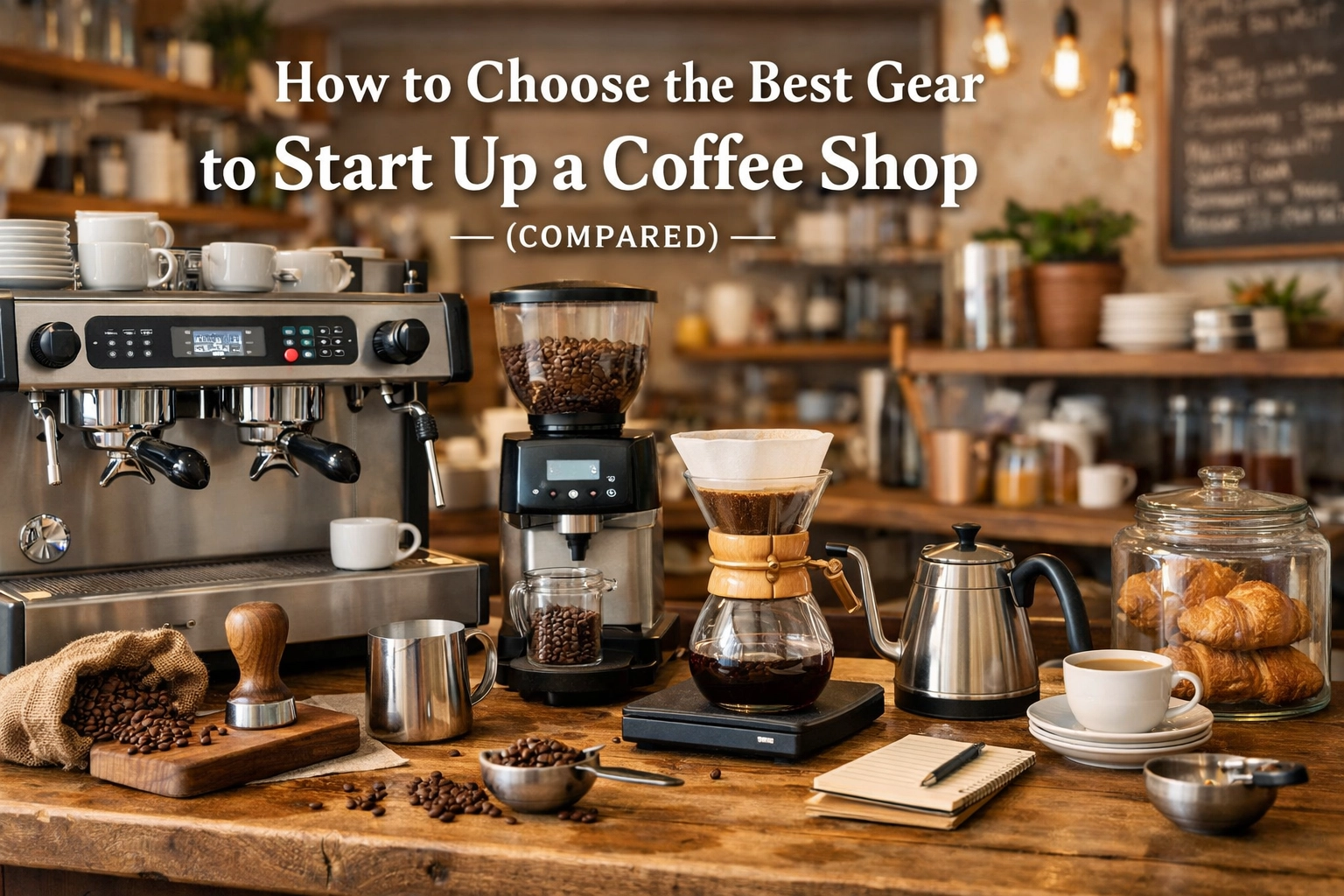
That shiny domestic espresso machine might look the part, but it's not designed for pulling 200+ shots a day. Commercial equipment exists for a reason : it's built for speed, volume, consistency, and durability.
Beyond espresso machines, think about grinders (arguably more important than your machine), water filtration systems, commercial refrigeration, and even your dishwasher. The health department may reject non-NSF approved equipment, which could delay your opening by weeks.
How to avoid it: Work with a contractor who specializes in food service fit-outs. They'll ensure proper equipment clearances, electrical capacity, and health department compliance. Invest in quality commercial grinders : a mediocre grinder will sabotage even the best beans. And don't overlook water quality. Poor water temperature and quality will undermine everything else.
If you need guidance on choosing espresso equipment, we've got resources that break down exactly what to look for.

6. Neglecting Staff Training (Or Hiring Based Only on Experience)
Here's a counterintuitive truth: hiring someone because they've "been a barista for five years" can actually bring problems into your shop. They'll bring habits from other cafés : some good, some not aligned with your standards.
We've seen shops where customers request drinks made by specific staff members because quality varies wildly. That's a training problem, not a staffing problem.
How to avoid it: Prioritize attitude and retail experience over coffee experience. You can train coffee skills, but you can't train enthusiasm or customer service instincts.
Invest properly in barista training covering coffee science, equipment use, brewing methods, milk steaming, troubleshooting, and customer service. Establish standardized procedures so every flat white tastes the same regardless of who makes it.
Consistency is what builds loyal customers. And consistency comes from proper training, not experience.
7. Taking a Hands-Off Approach as Owner
Even if you hire an experienced manager, you can't afford to be completely detached from operations : especially in the early months.
Owners who delegate entirely without staying involved risk losing control over quality standards, customer experience, and brand identity. Problems that could be caught early snowball into bigger issues.
How to avoid it: Remain actively involved. Know your numbers. Taste your coffee regularly. Work a shift now and then. Be visible to your team and customers. This doesn't mean micromanaging : it means staying connected enough to ensure your café performs to your standards.
You don't need to pull every shot, but you should know what a properly extracted espresso from your machine looks like, tastes like, and how to troubleshoot when it's not right.
The Common Thread
Notice the pattern across all seven mistakes? They're all about cutting corners on the fundamentals.
Market research, location analysis, financial planning, proper equipment, quality coffee suppliers, thorough training, and owner involvement : these aren't optional nice-to-haves. They're the foundation that separates thriving cafés from those that struggle through year one and close by year two.
The good news? Every single one of these mistakes is completely avoidable with proper planning and the right partners.
If you're in the planning stages of opening a café, or you're currently running one and recognizing some of these mistakes in your own operation, it's never too late to course-correct. Start with the fundamentals. Get your coffee supply sorted with a roaster who'll support your success. Invest in proper training. Stay involved.
And remember : the best coffee shops aren't built on luck. They're built on solid foundations, one decision at a time.
If you'd like to talk about wholesale coffee, equipment recommendations, or setting up your coffee shop with proper support from day one, we're here. That's what we do.