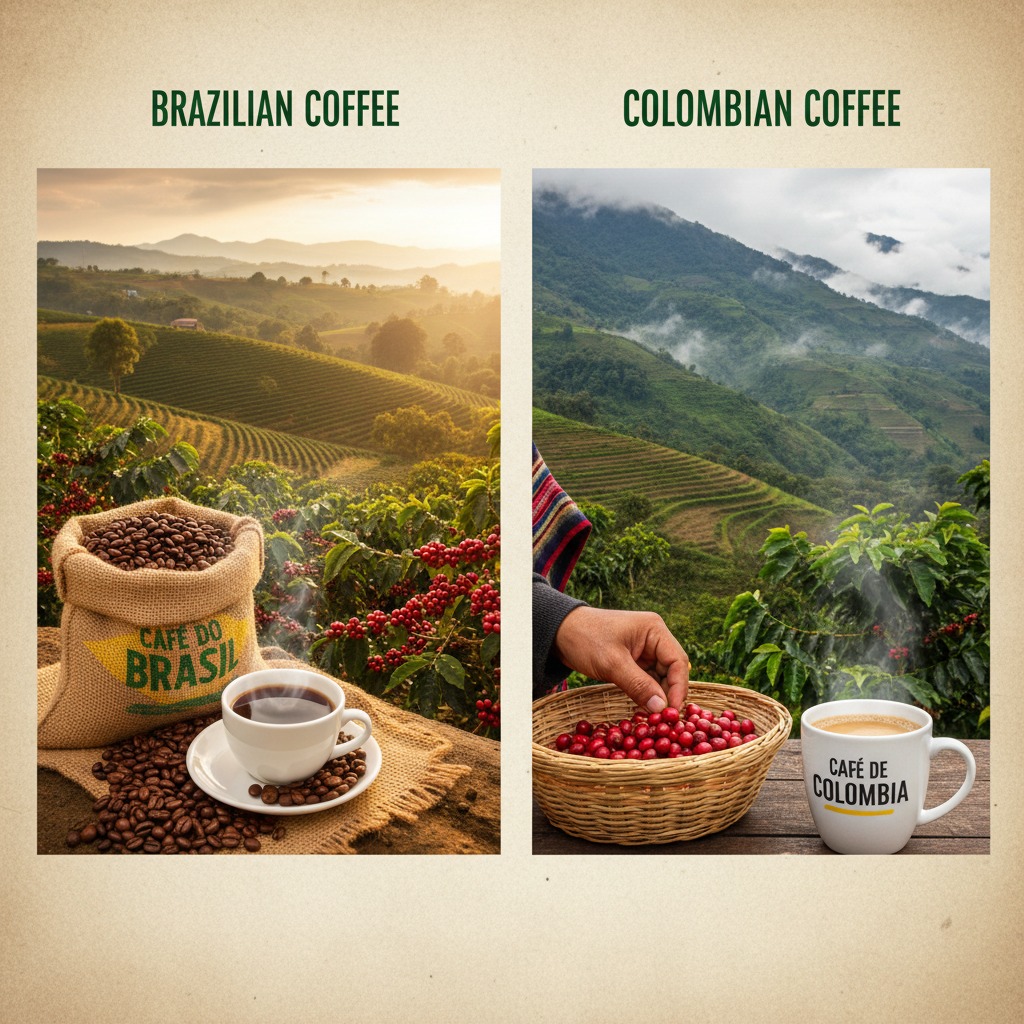

Have you ever walked into a roastery or a really well-designed cafe and felt that immediate "vibe"? You know the one. It’s a mix of the smell of freshly roasted beans, the hiss of the steam wand, and a certain rustic, earthy aesthetic that just screams specialty coffee.
Often, if you look toward the corner or hanging on the walls, you’ll see them: coffee sacks. These rough, hessian bags are the unsung heroes of the coffee world. They aren't just there for the "look," though they certainly nail that. They are the final vessel that carries the hard work of farmers across oceans right to our door here at Limini Coffee.
But what happens once the green beans are poured into the hopper of our roaster? Do those sacks just disappear? They shouldn't. Because, honestly, a coffee sack is one of the most versatile, character-filled items you can have in your shop.
What Exactly Are They Made Of?
Before we talk about how to use them, let’s get a bit technical. Most coffee sacks are made from jute, also known as hessian. It’s a natural vegetable fibre that’s incredibly strong and, more importantly, breathable.
Why does breathability matter? Well, green coffee beans (the unroasted ones) are actually seeds. They are living things that need to "breathe" to stay fresh and avoid mould or "baggy" flavours during their long journey from places like Brazil or Ethiopia. If we shipped coffee in plastic bags, the moisture would get trapped, and the coffee would be ruined before it even reached the port.
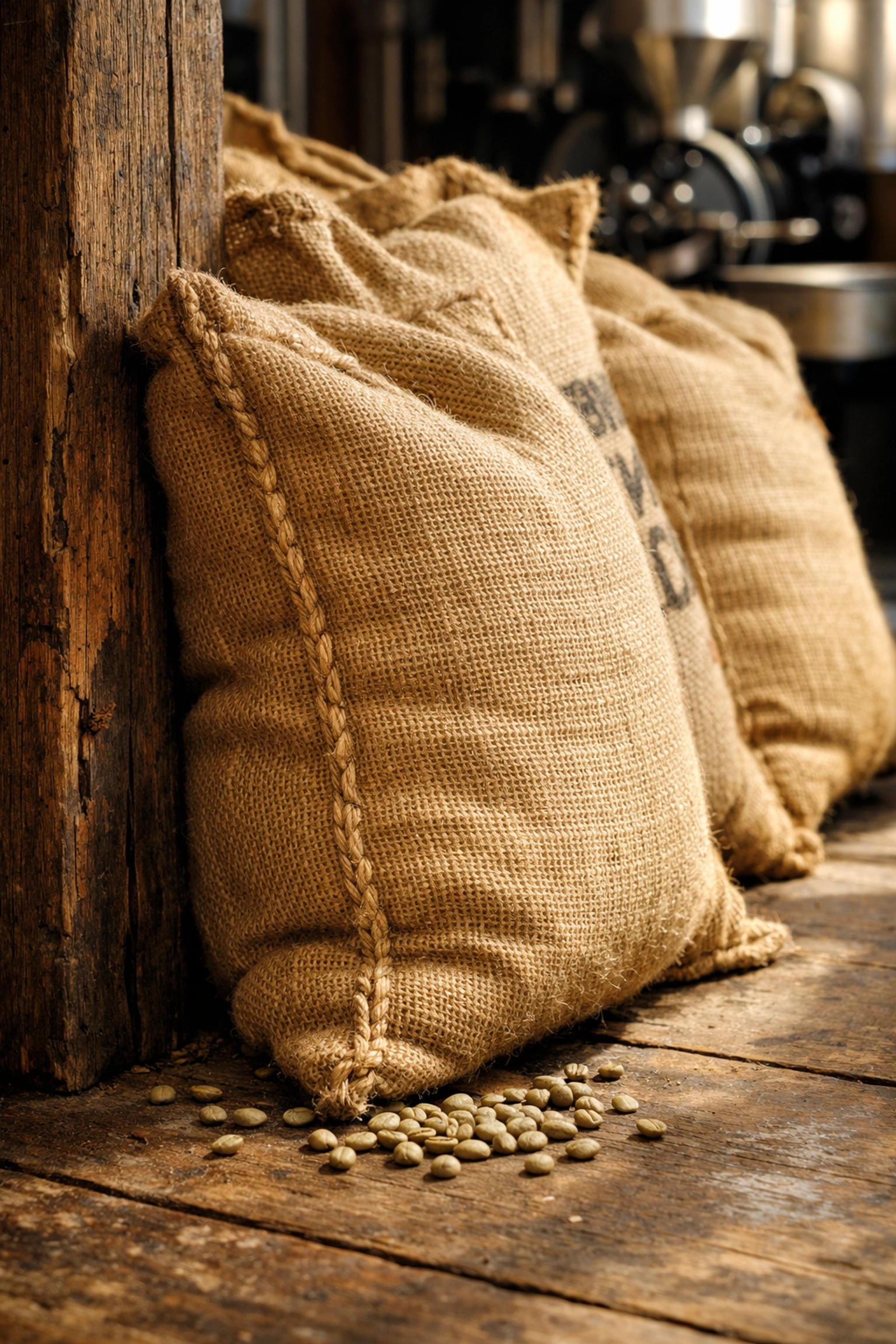
Jute is also biodegradable and renewable, which aligns perfectly with the way we think about sourcing our coffee. We care about the journey from the soil to the cup, and that includes the packaging that keeps those precious beans safe.
So, when you see a coffee sack, you're looking at a functional piece of agricultural technology. Pretty cool, right?
Adding Character and "Theatre" to Your Cafe
In the world of specialty coffee, we talk a lot about "theatre." It’s not just about making a drink; it’s about the experience of the customer from the moment they step through the door.
If your shop feels a bit "cold" or too modern, adding some coffee sacks can instantly warm the place up. They provide a tactile, organic element that reminds people where coffee actually comes from. It's a connection to the farm.
Imagine a stack of full (or stuffed) coffee sacks in the corner. It suggests volume, freshness, and a direct link to the roasting process. It makes your shop feel like a working part of the coffee industry rather than just another high-street chain. We believe that this kind of article theatre is what keeps customers coming back. It’s the difference between buying a caffeine hit and experiencing a craft.
The Beauty of the Design
Every coffee sack is a piece of art. Well, most of them are. Some are plain, but many feature incredible graphic designs, bright colours, and the logos of the washing stations or cooperatives where the coffee was processed.
You’ll see things like:
- Bold typography denoting the country of origin (e.g., COLOMBIA, VIETNAM).
- Animal icons (jaguars, birds, elephants).
- Grade markings (like Supremo or AA).
- Shipping marks and batch numbers.
These designs are unique to the season and the farm. When you display these in your shop, you aren't just decorating; you're telling the story of the coffee you're serving. It’s a conversation starter. A customer might ask, "Is this the bag the coffee I'm drinking came in?" and suddenly you’re talking about high-altitude farming in Peru. That’s how you build a community around your brand.
Upcycling: Giving Sacks a Second Life
So, you’ve used the beans (hopefully they were delicious wholesale specialty coffee from us!), and now you have an empty sack. What do you do with it?
Please, don’t just throw it in the bin. There are so many ways to repurpose these bags that add value to your business or home.
1. Wall Art
This is the easiest and most effective use. Take a particularly beautiful sack, maybe one from a limited-edition microlot, and frame it. Or, if you want a more "industrial" look, simply staple it to a wooden frame. It covers large wall spaces cheaply and looks fantastic.
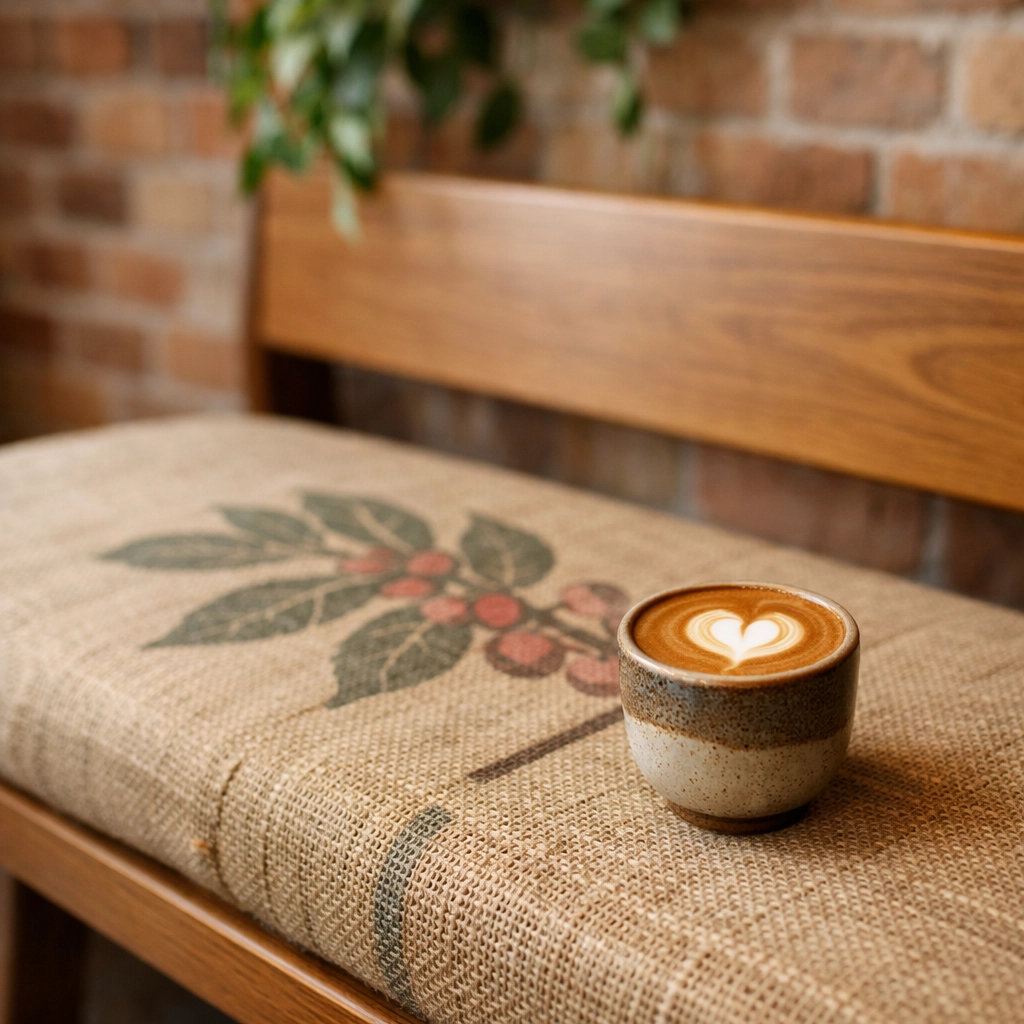
2. Upholstery
If you have some old stools or a bench that’s looking a bit tired, jute sacks make for incredibly durable upholstery fabric. It’s a bit scratchy, so maybe don't use it for the back of a chair where people have bare skin, but for a seat? It’s perfect. It gives that rugged, workshop-style aesthetic.
3. Planter Covers
If you have plants in your cafe (and you should, they’re great for air quality and vibes), try slipping the plastic pots inside a coffee sack. Roll the top down to the right height. It hides the ugly plastic and adds a nice natural texture to your greenery.
4. Gardening and Potatoes
If you’re a green-thumbed barista, these sacks are the gold standard for growing potatoes. They are deep, breathable, and drain perfectly.
Quality from Bean to Bag
At Limini Coffee, we take quality seriously. And we mean really seriously. From the moment we select a green coffee to the moment it’s roasted and sent to you, every step is scrutinized.
But we also know that being a "pro" doesn't mean being boring. We love the quirkiness of the coffee industry. We love that our coffee arrives in these giant, heavy, 60kg (132 lbs) or 70kg (154 lbs) sacks that leave little bits of fluff all over our clothes. It’s part of the job.
If you’re looking to start your own coffee journey or upgrade your current setup, we’d love to help. Whether it’s finding the right wholesale beans or getting some top-tier barista training, we’ve got you covered.
And hey, if you need some empty sacks to decorate your new shop, just ask! We usually have a mountain of them at the roastery.
A Quick Warning: Handling and Cleaning
Before you go pinning sacks to your walls, there are a few things you should know.
First, jute can be a bit dusty. When we open them at the roastery, it’s not uncommon to see a bit of "coffee lint" flying around. If you’re using them for decor, give them a good shake outside first.
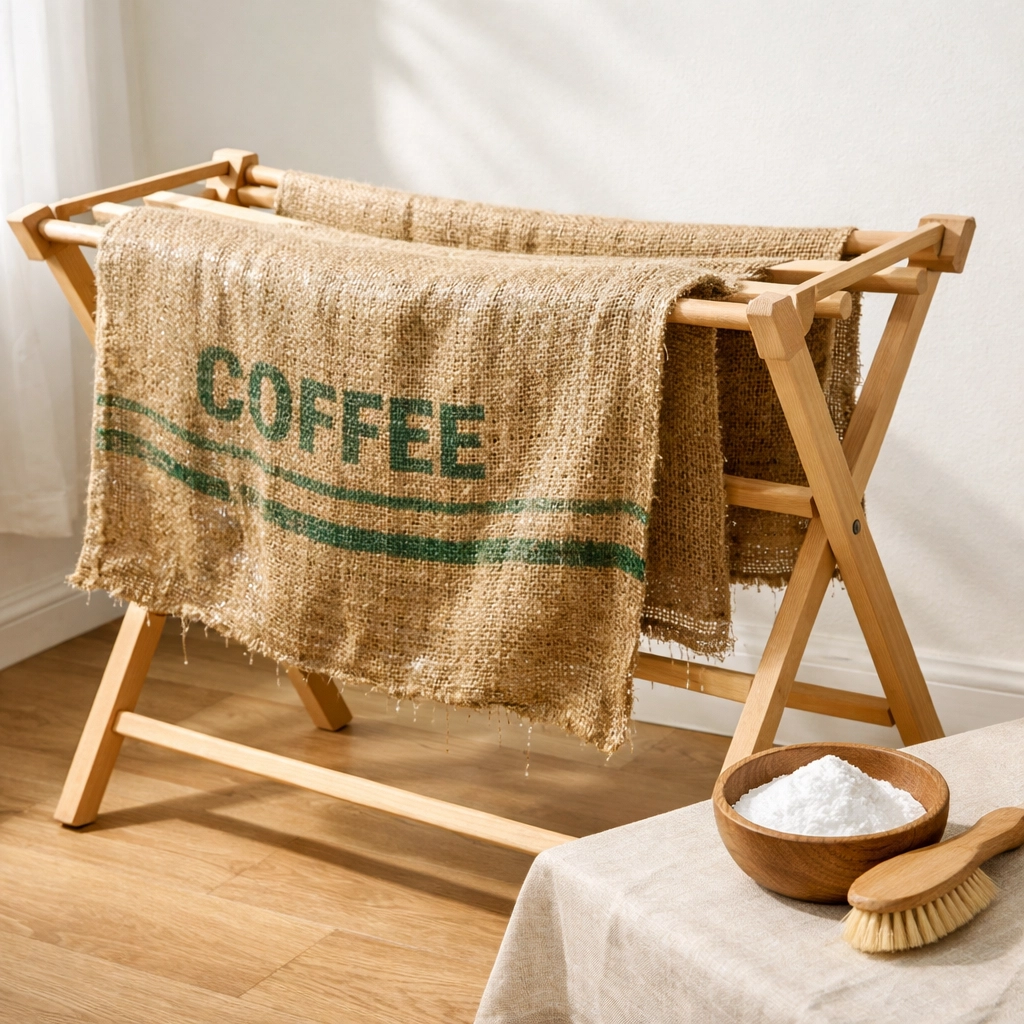
Second, if you’re using them for something like cushions, you’ll want to clean them. Do not just throw them in a standard washing machine on a heavy cycle. They will disintegrate and clog your filter with fibres (not a fun Sunday afternoon task, trust us). Instead:
- Hand wash them in cold water with a very mild detergent.
- Let them air dry flat.
- If they smell a bit "earthy" (which is normal), a bit of baking soda sprinkled on them for a few hours before shaking it off usually does the trick.
Why It Matters to Your Customers
In a world of mass-produced, plastic-wrapped everything, people crave authenticity. A coffee sack represents a real product, made by real people, transported across the globe.
When a customer sees a hessian bag, they subconsciously associate it with quality and tradition. It’s the same reason we prefer a loaf of bread in a paper bag or wine with a real cork. It feels right.
By integrating these elements into your shop, you’re telling your customers that you care about the details. You’re showing them that you understand the heritage of the drink you’re serving. It’s a small touch, but in a competitive market, those small touches are what make you stand out.
Ready to Level Up Your Shop?
Whether you're just starting out and building a coffee shop or you're a seasoned pro looking for a fresh look, remember the humble coffee sack. It’s more than just packaging; it’s a piece of the coffee soul.
And if you want the high-quality beans to go inside those sacks, you know where to find us. We’re always happy to chat about roasting, brewing, or even the best way to staple jute to a wall.
So, what’s your favorite coffee sack design you’ve ever seen? We’re partial to the ones with the big colorful parrots ourselves. They just brighten up the whole warehouse!
If you're looking for the best equipment to pair with your aesthetic, check out our guide on choosing espresso equipment. Because while the bags look great, the coffee has to taste even better.
Catch you at the next roast! 🙂