So, you’ve decided to take the plunge and open a coffee shop. Or maybe you’re already running a business and realized that the "dusty beans from a supermarket" approach just isn't cutting it anymore. We get it. The world of specialty coffee can feel a bit like walking into a chemistry lab where everyone is speaking a different language.
But here’s the secret: it doesn’t have to be intimidating. In fact, mastering your menu is the most rewarding part of the journey. It’s where your brand’s personality meets the hard work of farmers thousands of miles away. As wholesale coffee roasters, we’ve seen shops thrive and shops struggle, and the difference almost always comes down to how they curate their coffee offering.
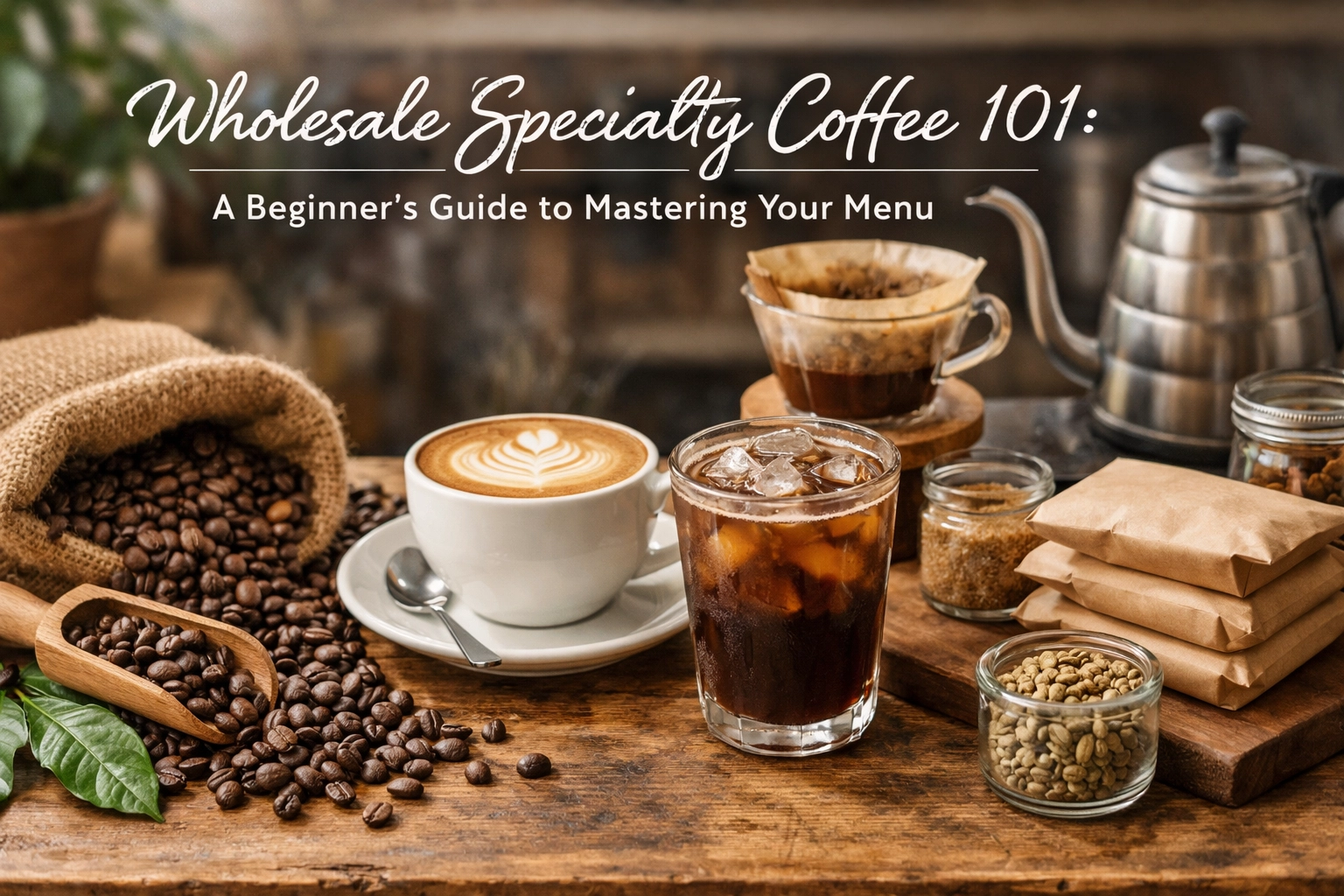
In this guide, we’re going to break down everything you need to know about wholesale specialty coffee: from choosing the right coffee suppliers to making sure your team actually knows how to brew the stuff.
What Exactly is "Specialty Coffee"?
Before we dive into your menu, we need to clear something up. "Specialty" isn't just a marketing buzzword we use to feel fancy. It has a very specific meaning.
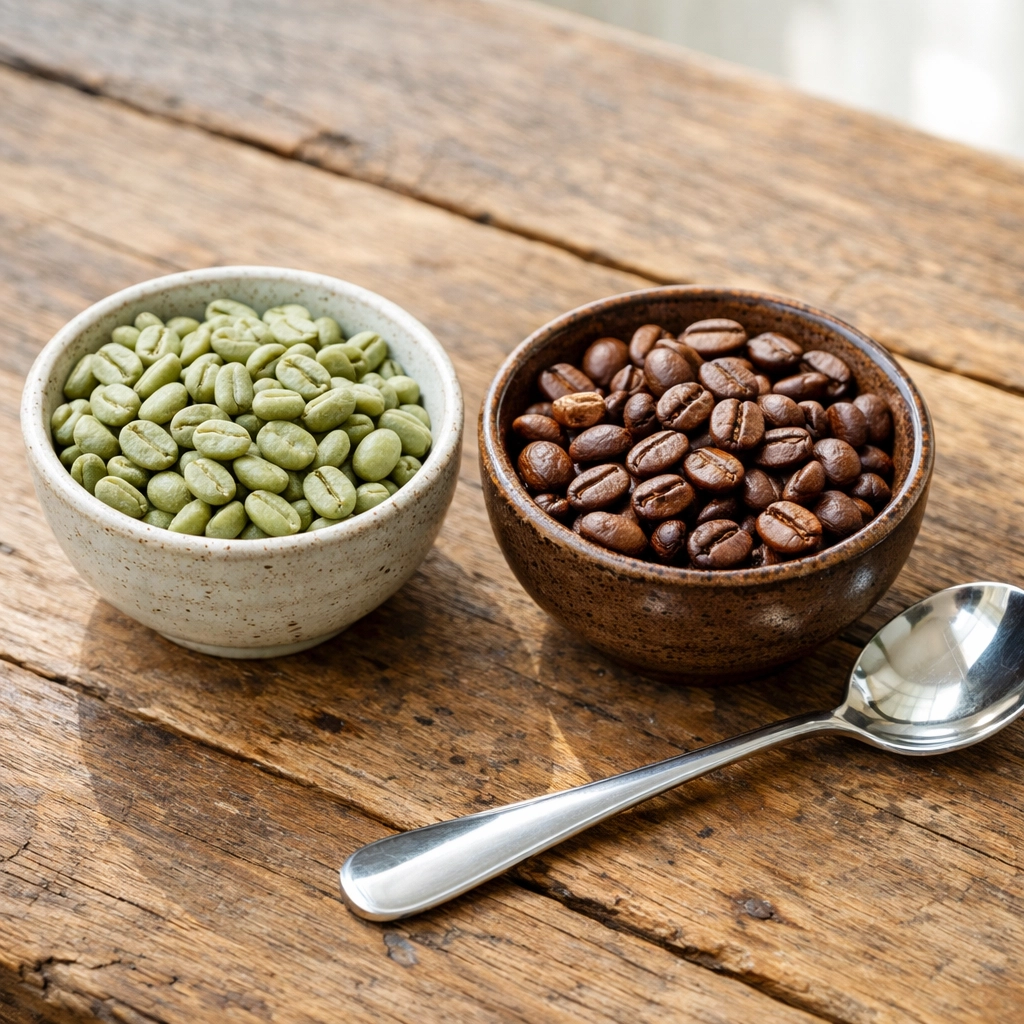
Most commercial coffee brands buy low-grade beans in massive quantities. To hide defects and ensure every bag tastes the same (usually bitter and charred), they roast them very dark. Specialty coffee is the opposite. It’s coffee that has been graded 80 points or above on a 100-point scale by the Specialty Coffee Association (SCA).
This means the beans are physically superior: fewer defects, better size consistency: and they possess unique flavor profiles. Instead of just "tasting like coffee," you’ll find notes of blueberry, chocolate, jasmine, or even tomato (though we prefer the fruity ones, to be honest). When you work with Limini Coffee, you’re tapping into a supply chain that values sourcing excellence and traceability. You know the farm, the region, and often the name of the producer.
Choosing Your Coffee Suppliers: It's a Partnership, Not a Transaction
Choosing between different coffee suppliers is probably the biggest decision you’ll make for your B2B startup. You aren't just buying a product; you’re choosing a partner who will be there when your grinder jams on a busy Saturday morning.
When scouting for wholesale coffee roasters, look beyond the price per kilo. Ask yourself:
- Do they offer training? Great beans are useless if your barista is burning the milk. (Check out our training overview for a look at how we handle this).
- Is the coffee fresh? Coffee is a seasonal agricultural product. It is best consumed within 1-6 weeks of roasting. If a supplier can’t tell you the "Roasted On" date, run.
- Do they know their equipment? A roaster who also understands espresso machine maintenance is worth their weight in gold.
We believe that a good supplier should make your life easier. Whether it’s providing a brewing calculator to dial in your recipes or offering on-site barista training, the support should be comprehensive.
Building Your Menu: The "House Blend" vs. "Single Origin" Debate
This is where the magic happens. How do you actually structure your menu?
The House Blend (The Reliable Workhorse)
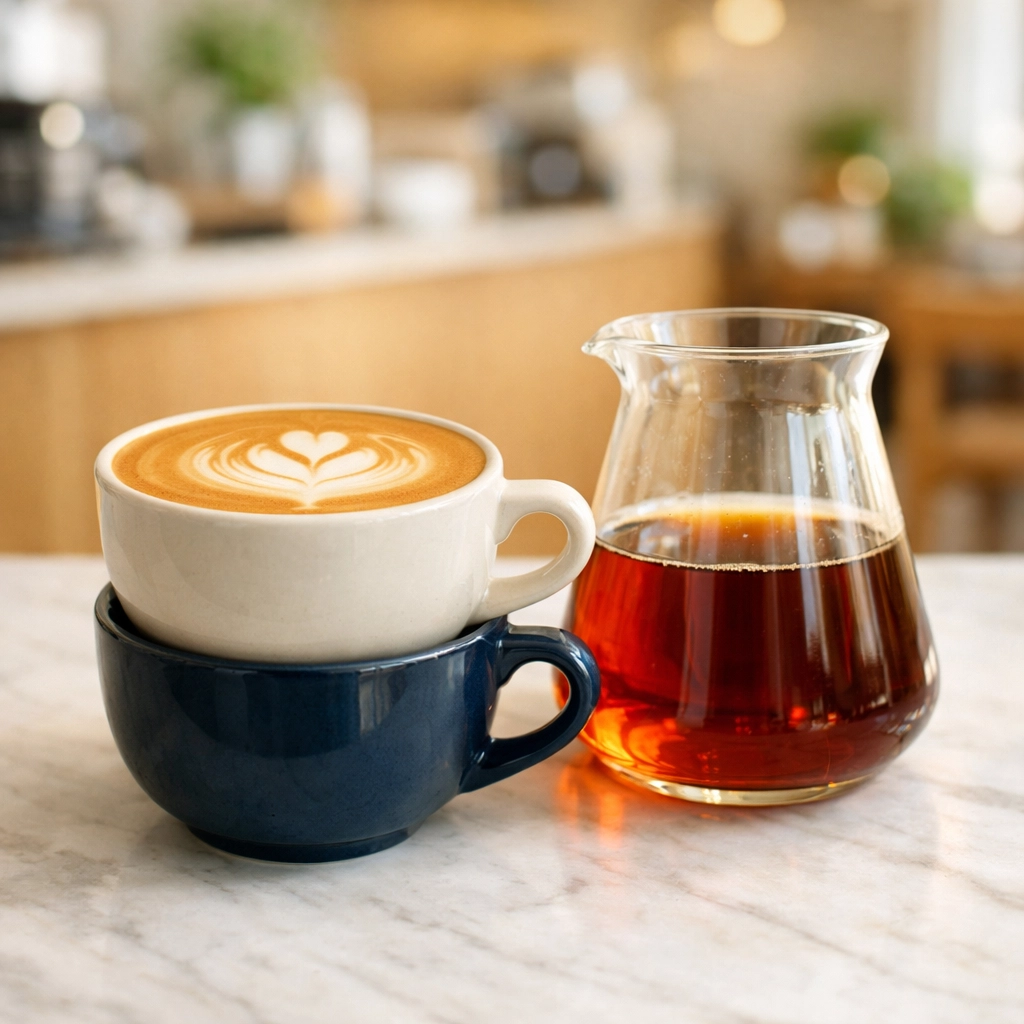
For 90% of your customers, the "House Blend" will be their go-to. Most people in the UK drink milk-based coffees like lattes and flat whites. For these, you need a coffee that can cut through the sweetness of the milk.
We usually recommend a blend that leans toward chocolatey, nutty, and caramel notes. These are approachable, consistent, and: let’s be honest: downright delicious. A medium roast is perfect here; it preserves the natural sweetness without the bitterness of a dark roast.
Single Origins (The Conversation Starter)
If you want to establish yourself as a "serious" coffee spot, you need at least one single origin on the menu. This is coffee from one specific farm or region.
- African coffees (like Kenya or Ethiopia): Often bright, floral, and acidic. Imagine a tea-like consistency with citrus notes.
- South American coffees (like Brazil or Colombia): Generally heavier bodies with chocolate and red fruit vibes.
You might offer these as a "Guest Espresso" or as a filter option. It adds a bit of theatre to your shop and gives your baristas something exciting to talk about with customers.
The Technical Bits: Why Precision Matters
We promised to keep this casual, but we can't ignore the science. Coffee extraction is a game of variables. If your water is too hot, the coffee tastes bitter. Too cool? It tastes sour and thin.
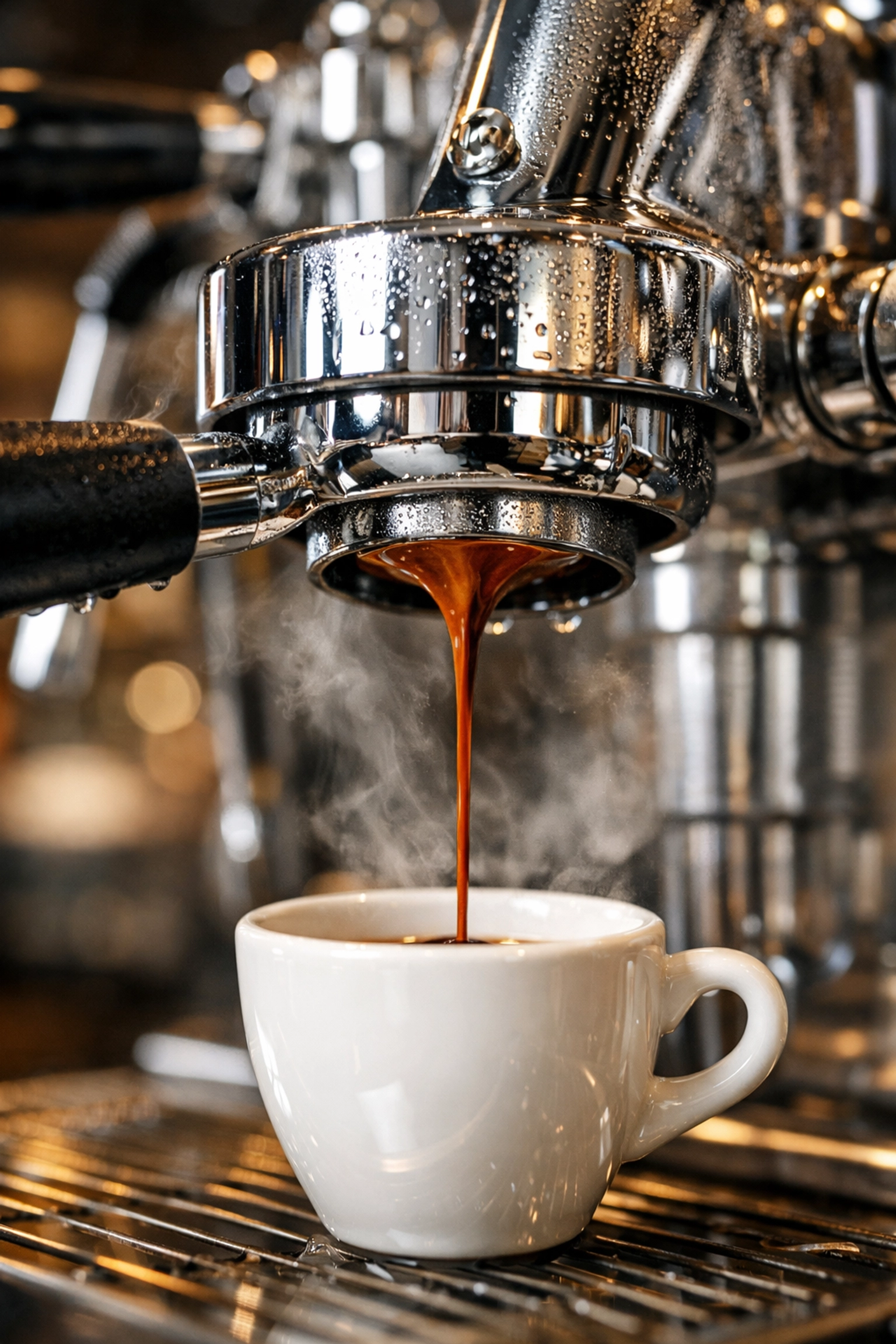
Ideally, you want your espresso water temperature to sit between 88 C and 95 C (190 F to 203 F). Pressure is just as vital; most machines are set to 9 BAR. If you're looking for that perfect crema, you need to ensure your tamping technique is consistent every single time.
And then there's the milk. Understanding milk chemistry is what separates a "latte" from a "cup of warm milk with bubbles." You’re aiming for "microfoam": that silky, glossy texture that looks like wet paint. The goal temperature? 140 °F / 60 ºC. Any hotter and you start to scald the proteins, destroying the sweetness.
Equipment: The Backbone of Your Business
You can have the best beans from the best wholesale coffee roasters, but if your equipment is flaky, your menu will suffer.
For a busy café, we often point people toward La Spaziale machines. They are absolute workhorses with incredible temperature stability. If you want to go more traditional and add some manual flair, lever machines are a fantastic way to stand out from the crowd.
When choosing espresso equipment, consider your volume. Don't buy a one-group machine if you plan on having a queue out the door. It’s also worth thinking about your cups and glassware: the vessel changes the perception of the drink!
The Hidden Cost of Bad Training
Imagine spending thousands on a shop fit-out, buying the best specialty beans, and then having a staff member serve a bitter, scummy cappuccino. It happens more than you’d think, and it’s a real shame.
Wholesale specialty coffee requires a higher level of skill than commercial coffee. Because the roasts are lighter and the flavors more nuanced, errors in brewing are much more obvious. This is why we insist on wholesale support that includes ongoing training.
Your team should know the difference between a latte and a cappuccino inside out, but they should also understand why they are doing what they are doing. Why does the grind need to be finer when the air is humid? Why do we purge the steam wand? This knowledge builds confidence, and confident baristas sell more coffee.
Putting it All Together
Mastering your menu isn't a "set it and forget it" task. It’s an evolving process. Start with a solid house blend that people love, and then experiment. Listen to your customers. If they’re asking for something "stronger," maybe look at a different blend ratio rather than just roasting the life out of the beans.
Remember, at the end of the day, you're in the business of hospitality. The coffee is the bridge between you and your community.
If you're feeling overwhelmed or just want to chat about which beans would suit your new venture, we’re here to help. We’ve helped countless startups find their feet and grow into local legends.
Ready to level up your coffee game? Check out our full range of wholesale specialty coffee and let’s get brewing.
So, what are you waiting for? The perfect cup isn't going to pour itself. 🙂