So you're opening a coffee shop, or maybe you're rethinking your current supplier relationship. Either way, choosing who roasts your beans is one of the most critical decisions you'll make. And honestly? It's not just about finding the cheapest price per kilo.
We've worked with hundreds of café owners over the years, and the difference between those who thrive and those who struggle often comes down to their coffee supply partnership. Not supplier. Partnership. Because that's really what it should be in 2026.
Let's walk through the seven things that actually matter when choosing coffee suppliers for your shop.
1. Bean Quality and Consistency (This is Non-Negotiable)
Your reputation lives and dies by what's in the cup. Sounds obvious, but you'd be surprised how many café owners get seduced by rock-bottom pricing only to discover their beans taste like cardboard.
Here's what to look for: single-origin options or carefully balanced blends designed for consistency. And by consistency, we mean batch-to-batch reliability. Your customers should get the same excellent shot whether they visit on Tuesday or Saturday three months from now.
Ask potential suppliers about their cupping scores and quality grading. Specialty grade coffee (scoring 80+ on the SCA scale) isn't just marketing fluff – it's a meaningful indicator of flavour complexity and lack of defects. We source beans that meet these standards because anything less simply doesn't cut it for discerning customers.
The question you should ask: "How do you ensure consistency across roast batches?" If they can't give you a detailed answer involving quality control processes and cupping protocols, that's a red flag.
2. Sustainability Isn't Optional Anymore
In 2026, sustainability is both a marketing asset and increasingly a procurement requirement. Your customers – especially younger ones – genuinely care about this. They'll ask where your beans come from and how the farmers are treated.
Look for suppliers with transparent sourcing practices. Direct trade relationships (where the roaster works directly with producers or cooperatives) typically ensure better compensation for growers and tighter quality control throughout the supply chain. We believe strongly in building long-term relationships with our coffee-growing partners, which is why we're transparent about where our coffee comes from.
Environmentally responsible roasting matters too. Ask about their packaging choices, energy use, and waste management. Clear sustainability commitments backed by actual practices beat vague green-washing claims every time.
This isn't just ethics – it's smart business. Customers will pay more and return more often when they feel good about supporting your shop.
3. Freshness and Traceability (Know Your Beans)
Here's something that drives us mad: suppliers pushing beans that have been sitting in warehouses for months. Coffee is an agricultural product. Fresh is best.
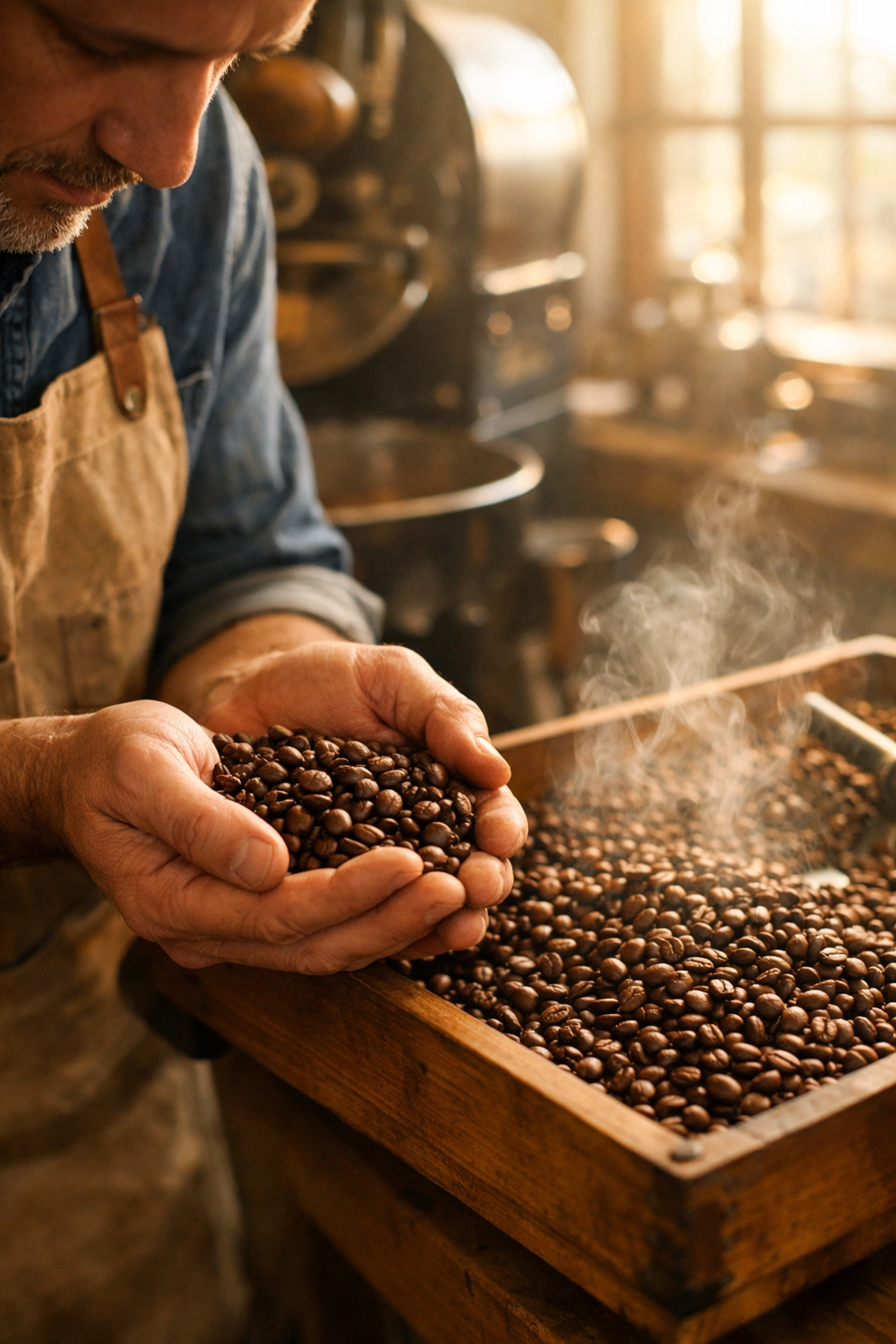
The best wholesale coffee roasters offer beans roasted to order. This means you're getting coffee that was roasted days ago, not months. Yes, this requires better planning on your part, but the quality difference is dramatic. Most specialty beans hit their sweet spot between 7-21 days post-roast for espresso.
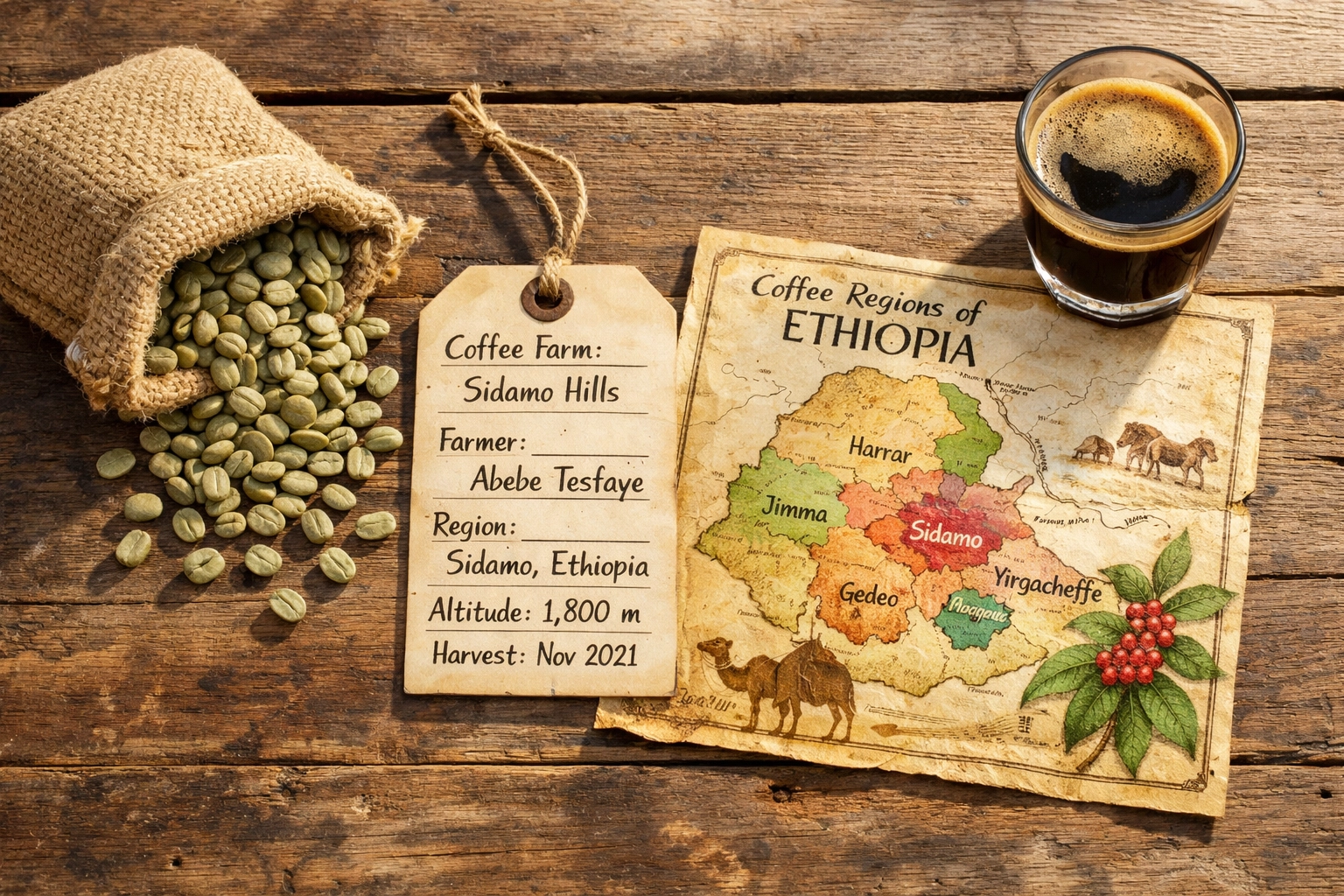
Traceability matters beyond just freshness. Can your supplier tell you the specific farm or cooperative? The processing method? The altitude? This information isn't just interesting – it builds customer trust and allows you to tell compelling stories about your coffee program.
When customers can scan a QR code or read on your menu that their Ethiopian beans come from the Guji Zone, processed naturally at 2,100m altitude, they're engaged. They remember. They come back.
4. Service Levels Make or Break the Relationship
Price and quality get you in the door. Service keeps you there.
The difference between average and excellent coffee suppliers often shows up in how they handle problems. Do they resolve issues within hours or days? Is their support proactive (calling to check how a new blend is working) or reactive (responding eventually after you chase them)?
Look for suppliers offering reliable delivery schedules, responsive customer support, and clear communication about stock levels or potential delays. Account management matters – having an actual person who knows your business beats transactional sales interactions.
We've heard too many horror stories about café owners scrambling because their supplier ran out of their house blend with no warning. Or worse, showing up to open only to find yesterday's delivery never arrived. These operational nightmares are preventable with the right partner.
Ask potential suppliers: "What happens if there's a problem with my order?" Their answer tells you everything about working with them long-term.
5. Equipment Compatibility and Technical Expertise
Your supplier should understand the machines you're running. Really understand them.
Different espresso machines require different approaches. A manual lever machine needs a different roast profile than a modern heat-exchange or dual-boiler setup. Energy-efficient systems often operate at different pressure or temperature profiles. Does your potential supplier know this?
The best suppliers offer beans optimized for your specific equipment, advice on grind settings and calibration, and support for troubleshooting extraction issues. If you're just getting started and need help choosing equipment, we've written extensively about choosing the right espresso equipment for different business models.
This expertise prevents costly downtime. When your shots start pulling too fast and tasting sour, a knowledgeable supplier can talk you through whether it's the beans, your grinder burrs, or your technique. That's valuable.
Some roasters – including us at Limini Coffee – also provide barista training as part of wholesale partnerships. This kind of support transforms your staff's confidence and consistency behind the bar.
6. Pricing Transparency and Actual Value
Let's talk money. Obviously it matters. But cheapest rarely means best value.
Here's the reality: poor-quality coffee costs you more in the long run. Customers don't return. Staff become demoralised serving drinks they wouldn't drink themselves. Your reputation suffers. That "savings" of £2 per kilo suddenly looks expensive.
Look for transparent pricing structures that help you understand cost per cup, not just cost per kilo. Factor in waste (how many shots are you dumping?), customer retention, and premium pricing opportunities. A café serving exceptional coffee can charge £3.80 for a flat white. One serving mediocre coffee struggles at £3.20.
Ask suppliers about volume discounts, payment terms, and what's included beyond just the beans. Equipment loan programs, free training, marketing support – these add real value. Our wholesale program includes several support options that help café owners beyond just delivering beans.
The question isn't "What's your cheapest blend?" It's "What's the best value for building my business?"
7. Scalability and Long-Term Partnership Thinking
Where will your business be in two years? Five years?
The right coffee supplier should grow with you. Whether you're opening a second location, increasing volume, or shifting your offering toward more premium beans, your supplier should adapt smoothly.
In 2026, coffee supply is fundamentally a partnership decision. You're not just buying a commodity product. You're aligning your brand with another brand. Your customers will associate your café with your coffee supplier's quality and values.
Look for suppliers who think long-term. Do they invest in their own growth and infrastructure? Are they stable enough to be around in five years? Do they have the capacity to support your expansion plans?
Have honest conversations about your vision. A good supplier gets excited about your growth plans and figures out how to support them. A transactional supplier just wants this month's order.
Making Your Decision
Choosing coffee suppliers isn't a quick decision, and it shouldn't be. Arrange meetings or calls with potential roasters. Discuss your preferences regarding taste profiles, quality standards, ordering processes, and delivery schedules.
Sample their beans. Extensively. Try different roast levels and origins. Get your team involved in the tasting process – they're the ones who'll be working with these beans daily.
Network with other coffee shop owners. Ask who they use and why. The specialty coffee community is generally generous with recommendations about quality suppliers.
And remember: switching suppliers is disruptive but not impossible. If your current relationship isn't working, don't stay out of inertia. Your customers deserve better, and your business deserves a true partner.
If you're setting up a new café and want to understand the full picture of what's involved, our coffee shop setup guide covers everything from equipment to suppliers to training.
The right coffee supplier relationship transforms your business. The wrong one limits it. In 2026, with more options than ever before, there's no reason to settle for anything less than a true partnership that elevates your coffee program and supports your vision.
Choose wisely. Your customers will taste the difference.