
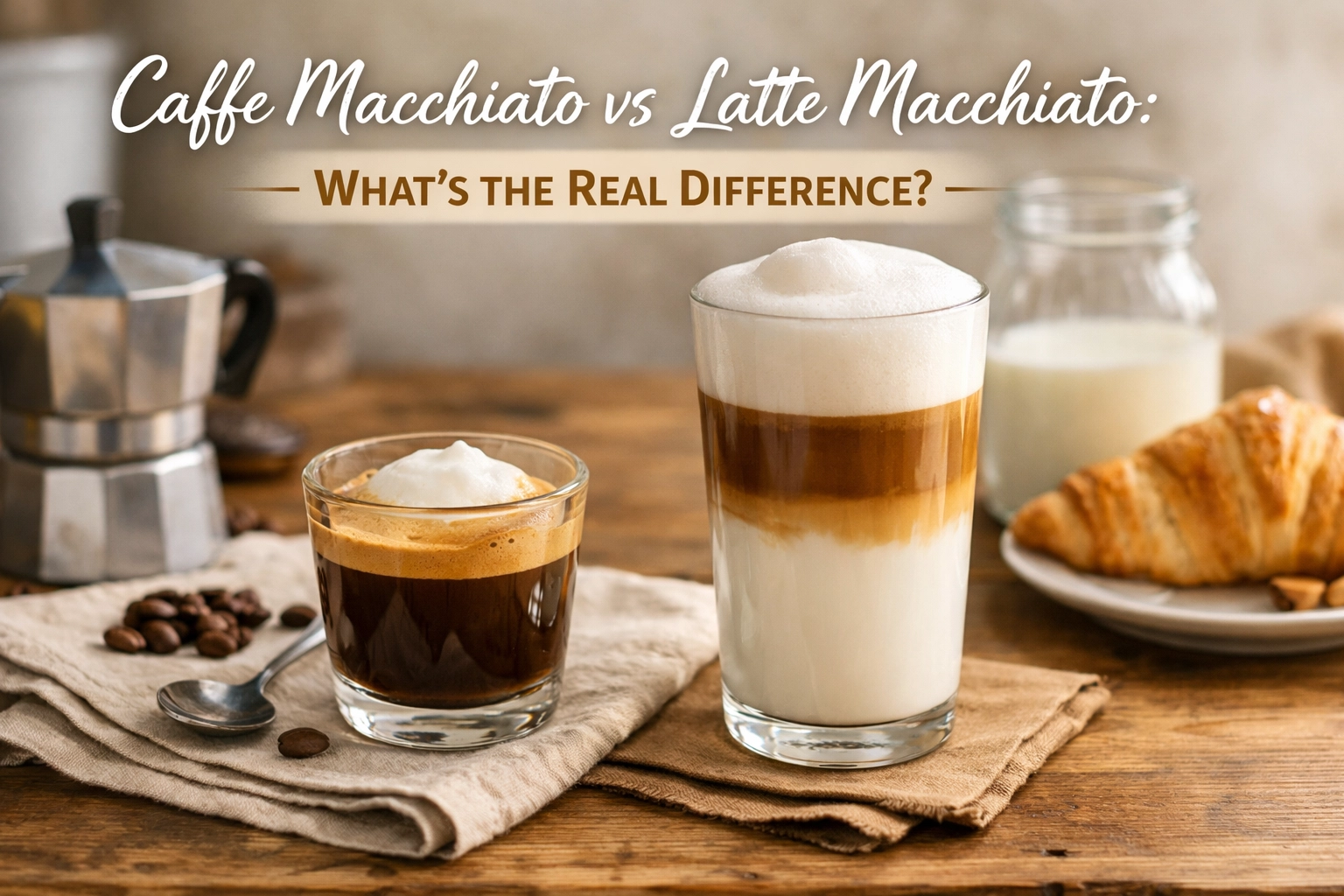
If you have ever stood behind a coffee machine while a customer asks for "a macchiato" without further clarification, you know the internal panic that follows. Do they want the tiny, punchy Italian classic that fits in the palm of your hand? Or are they expecting a towering, three-layered glass of milky goodness that looks like a dessert?
Confusion in the coffee world is nothing new, but the "Caffe Macchiato vs Latte Macchiato" debate is perhaps the most frequent source of "that’s not what I ordered" moments in modern cafes. Whether you are a cafe owner trying to standardise your menu, a barista in training, or a home enthusiast looking to up your game with some freshly roasted beans from Limini Coffee, understanding the distinction is essential.
So, let's pull some shots, steam some milk, and dive into the beautiful, sometimes messy world of "marked" coffee.
It All Starts With a Stain: What Does "Macchiato" Actually Mean?
Before we look at the differences, we have to look at the word itself. In Italian, macchiato literally means "marked" or "stained."
The name originally came about because baristas needed a way to show the waiters the difference between a plain espresso and an espresso that had a tiny dash of milk in it. They would "mark" the espresso with a dollop of foam so the server knew which was which.
Basically, the name describes the action of one ingredient marking the other. The key difference between the two drinks we are discussing today is simply which ingredient is doing the marking.
- Caffe Macchiato: Espresso marked with milk.
- Latte Macchiato: Milk marked with espresso.
It sounds simple, right? And yet, the resulting drinks couldn't be more different if they tried.
The Caffe Macchiato: The Purist’s Choice
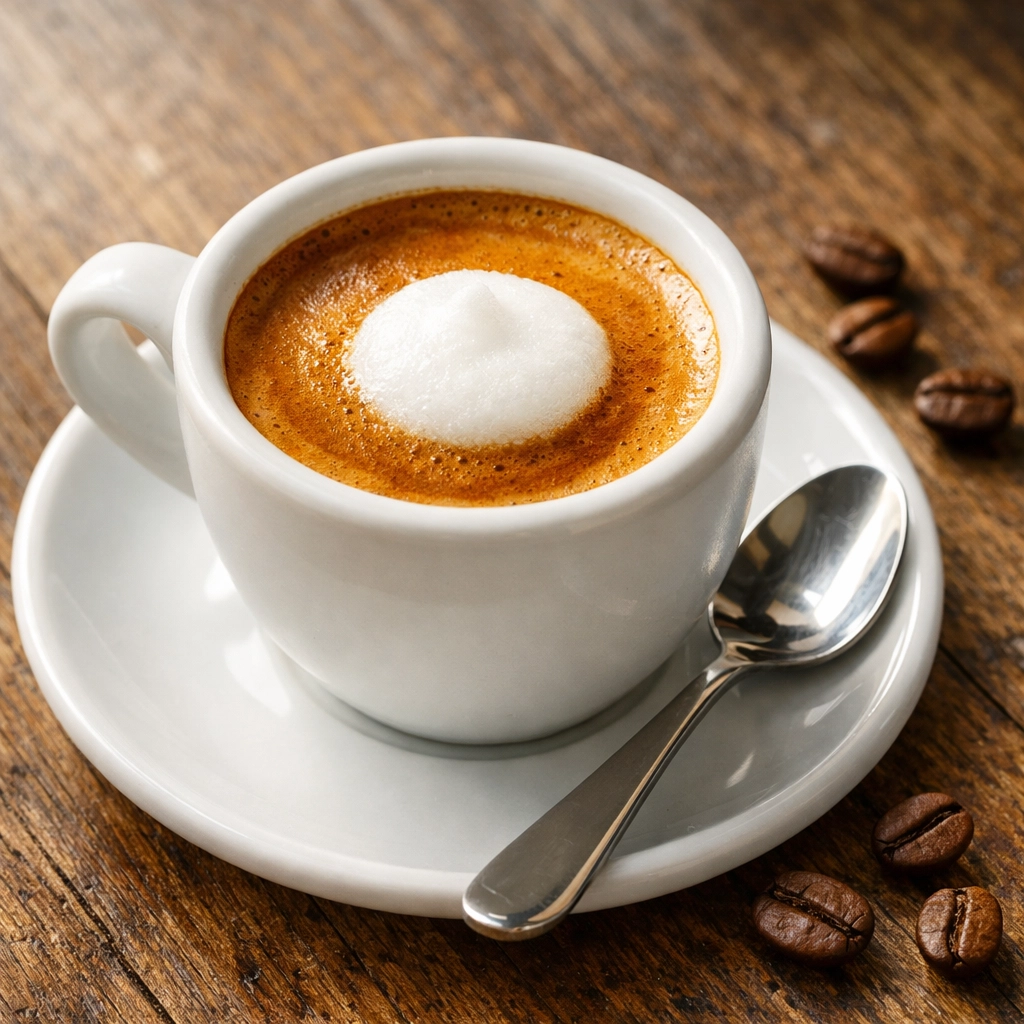
The Caffe Macchiato (often just called an "Espresso Macchiato") is the traditional Italian version. If you walk into a bar in Rome and ask for a macchiato, this is what you’ll get.
It is a short, intense drink. We are talking about a single or double shot of espresso topped with a very small amount: usually just a spoonful or two: of steamed milk and foam. The goal here isn't to dilute the coffee, but to soften the sharp edges of the espresso’s acidity and bitterness with a touch of creamy sweetness.
The Composition
When we make a Caffe Macchiato here at Limini, we start with a beautifully extracted espresso. (If you're struggling with your shots, check out our guide on understanding crema).
- The Base: One shot (about 30ml) or a double shot (60ml) of espresso.
- The "Mark": A small dollop of textured milk and microfoam on top.
- The Volume: Usually 60ml to 90ml (2-3 oz) in total.
The flavor is bold. You still get the full profile of the coffee: the chocolatey notes, the fruitiness, the roast: but it’s just a little bit more approachable. It’s the perfect mid-afternoon pick-me-up for someone who finds a straight espresso a bit too "aggressive" but doesn't want the volume of a flat white.
The Latte Macchiato: The Beauty of Layers
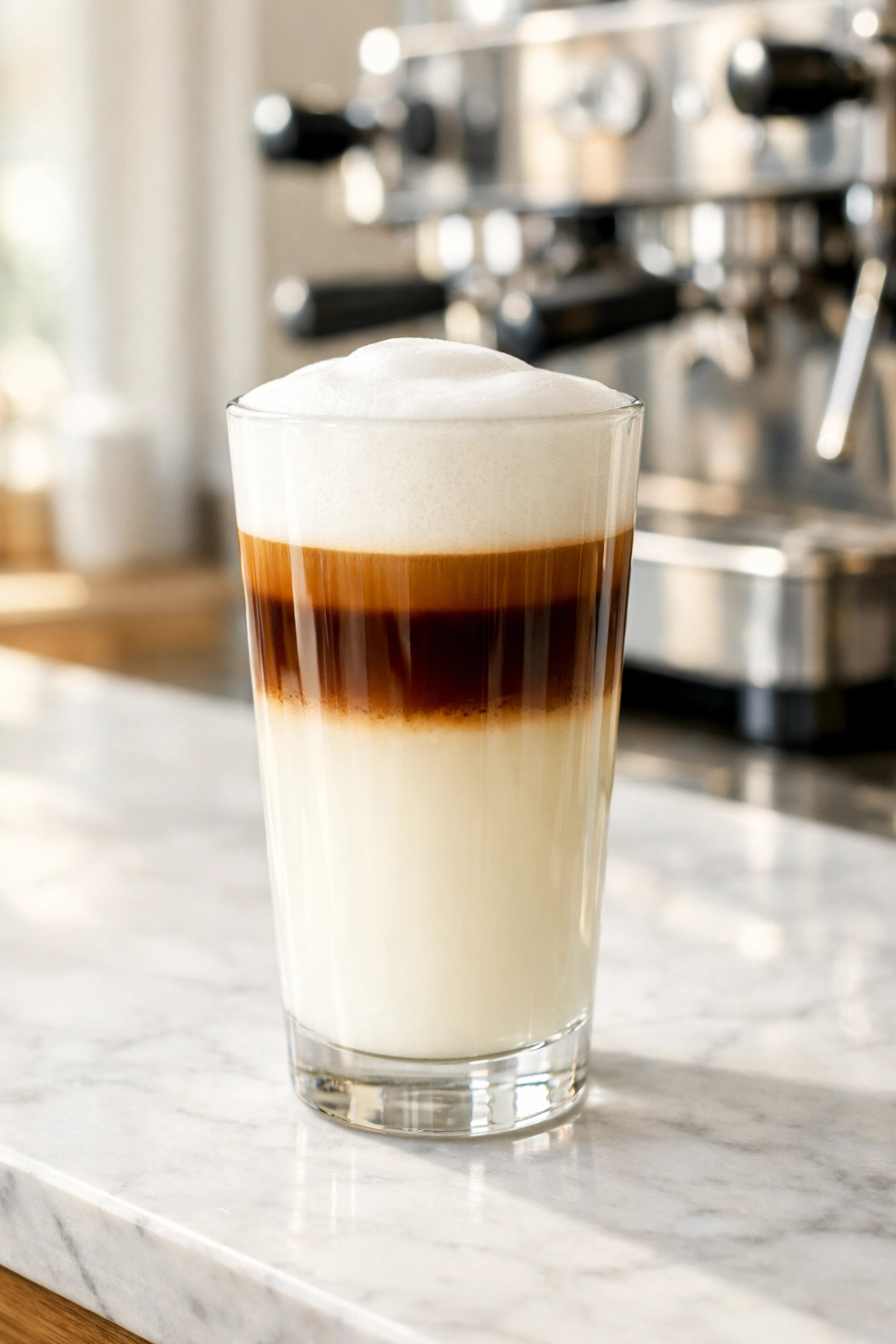
The Latte Macchiato is the extroverted cousin. It’s larger, milkier, and visually much more impressive. If the Caffe Macchiato is about the coffee, the Latte Macchiato is very much about the milk.
While the Caffe Macchiato marks coffee with milk, the Latte Macchiato reverses the formula: we are marking a glass of hot milk with a shot of espresso.
The Composition
This drink is almost always served in a tall glass so you can see the distinct layers. Creating those layers is a bit of a science (and a bit of a magic trick).
- The Base: 150ml to 200ml of steamed milk.
- The "Mark": A shot of espresso poured slowly over the milk.
- The Volume: 200ml to 300ml+ (8-12 oz).
Because the espresso is poured after the milk, it settles between the heavy liquid milk at the bottom and the light, airy foam at the top. This creates a gorgeous three-tier effect. When you take a sip, your palate first hits the cool, thick foam, then the hot, punchy espresso, and finally the sweet, warm milk.
It’s a much milder experience. If you use our wholesale speciality coffee, the natural sweetness of the milk really shines here, making it a favorite for those who enjoy a longer, more relaxing drink.
Head-to-Head: The Key Differences
To help your staff (or your own brain) keep this straight, let’s look at the cold, hard facts.
| Feature | Caffe Macchiato | Latte Macchiato |
|---|---|---|
| Primary Ingredient | Espresso | Milk |
| Order of Assembly | Coffee first, then milk | Milk first, then coffee |
| Total Volume | 60-90ml (Small) | 200-300ml (Large) |
| Caffeine Intensity | High (Perceived) | Low (Diluted by milk) |
| Visuals | Small cup, white dot on brown | Tall glass, distinct layers |
| Best For… | Espresso lovers | Milk coffee lovers |
The Technical Bit: Why the Layers Happen
You might be wondering why the espresso sits in the middle of a Latte Macchiato instead of just mixing straight in like a standard latte. This comes down to density and temperature.
When you steam milk, you create microfoam. This foam is full of tiny air bubbles, making it much less dense than the liquid milk below it. Espresso is denser than the foam but less dense than the hot milk (partly due to the oils and the temperature).
If you pour the espresso very slowly: ideally over the back of a spoon or right in the centre: it will pierce the foam and come to rest on top of the milk. It’s a bit of coffee theatre that customers absolutely love.
For the best results, your milk needs to be textured perfectly. We recommend steaming to around 60 ºC (140 °F). Anything hotter and you risk destroying the sweetness and the structural integrity of the bubbles. For more on this, our article on understanding milk is a must-read.
Training Your Staff (and Managing Customers)
For cafe owners, the "Macchiato Problem" is a real thing. Because of giant coffee chains, many customers have been conditioned to think a macchiato is a large, sugary, caramel-drizzled latte.
When a customer orders a "macchiato," we highly recommend your baristas ask a clarifying question: "Would you like the traditional short espresso macchiato, or the long, layered latte macchiato?"
It takes two seconds, but it saves the cost of a wasted drink and a frustrated customer.
Barista Tips for the Perfect Caffe Macchiato:
- Don't over-milk it: You aren't making a small cappuccino. You want just enough foam to "stain" the crema.
- Focus on the espresso: Since the coffee is the star, the extraction must be perfect. If your machine isn't hitting that 9 BAR pressure consistently, it’s time for a service. You can read more about looking after your espresso machine here.
- The Cup Matters: Serve it in a demitasse or a very small glass. Presentation is everything. Check out our range of coffee cups for shops for inspiration.
Barista Tips for the Perfect Latte Macchiato:
- Wait for the milk to settle: After steaming the milk and pouring it into the glass, let it sit for 30 seconds before adding the espresso. This allows the foam to separate from the liquid, creating a sharper line for your layers.
- The "Slow Pour": Pour the espresso in a very thin stream. If you dump it in, the momentum will carry it to the bottom, and you’ll just have a messy latte.
- Temperature is Key: If the espresso is too cold, it will sink. If it's fresh off the machine (around 88 C to 95 C), it should float perfectly.
Why Quality Beans Matter in Both
Whether you are "marking" the coffee or the milk, the quality of the bean is the foundation of the house.
In a Caffe Macchiato, there is nowhere for bad coffee to hide. If the beans are oily, over-roasted, or stale, the drink will be unpleasantly bitter. In a Latte Macchiato, you need a coffee that can "cut through" all that milk. A weak, characterless roast will simply get lost, leaving the customer with a glass of warm milk that slightly smells of coffee.
We take immense pride in sourcing our coffee to ensure that whether you're serving a tiny macchiato or a large one, the flavor is exceptional. Using Scott’s affiliate link to grab your next bag of beans ensures you’re getting the freshest speciality roast delivered to your door.
Common Misconceptions (The Caramel Question)
We can't talk about macchiatos without mentioning the elephant in the room: The Caramel Macchiato.
Technically, a Caramel Macchiato is usually a Latte Macchiato with vanilla syrup and caramel drizzle. The "mark" in this case is the caramel on top of the foam. While purists might scoff, it’s a huge seller.
If you're running a cafe, you don't necessarily have to be a "coffee snob" about it. You can serve a brilliant, high-quality version of these sweeter drinks by using better ingredients. Use a real lever or automatic machine to get a superior espresso base, and your "dessert" coffees will taste infinitely better than the high-street chains.
Final Thoughts: Which One Should You Drink?
At the end of the day, the "real" difference is about the experience you want.
- Choose a Caffe Macchiato if you want to taste the nuances of a specific origin, but want a little creamy luxury on top.
- Choose a Latte Macchiato if you want a long, comforting drink that looks as good as it tastes.
For cafe owners, the secret is education. Train your staff to know the difference, and train them to communicate that difference to the customer. If you’re looking to level up your team's skills, we offer comprehensive barista training that covers everything from milk chemistry to the perfect pour.
Coffee is a journey of discovery, and even a drink as seemingly simple as a "stained" coffee has layers (literally!) of history and technique behind it.
So, next time you’re at the machine, take a second to appreciate the physics of the pour. And if you need more tips on choosing espresso equipment or perfecting your tamping, we've got you covered.
Happy brewing!
Ready to stock your cafe with the best? Or maybe you just want the good stuff for your morning brew at home? Check out our full range at Limini Coffee and join the speciality revolution.