Reimagine your operations. Automate the mundane. Elevate the guest experience.
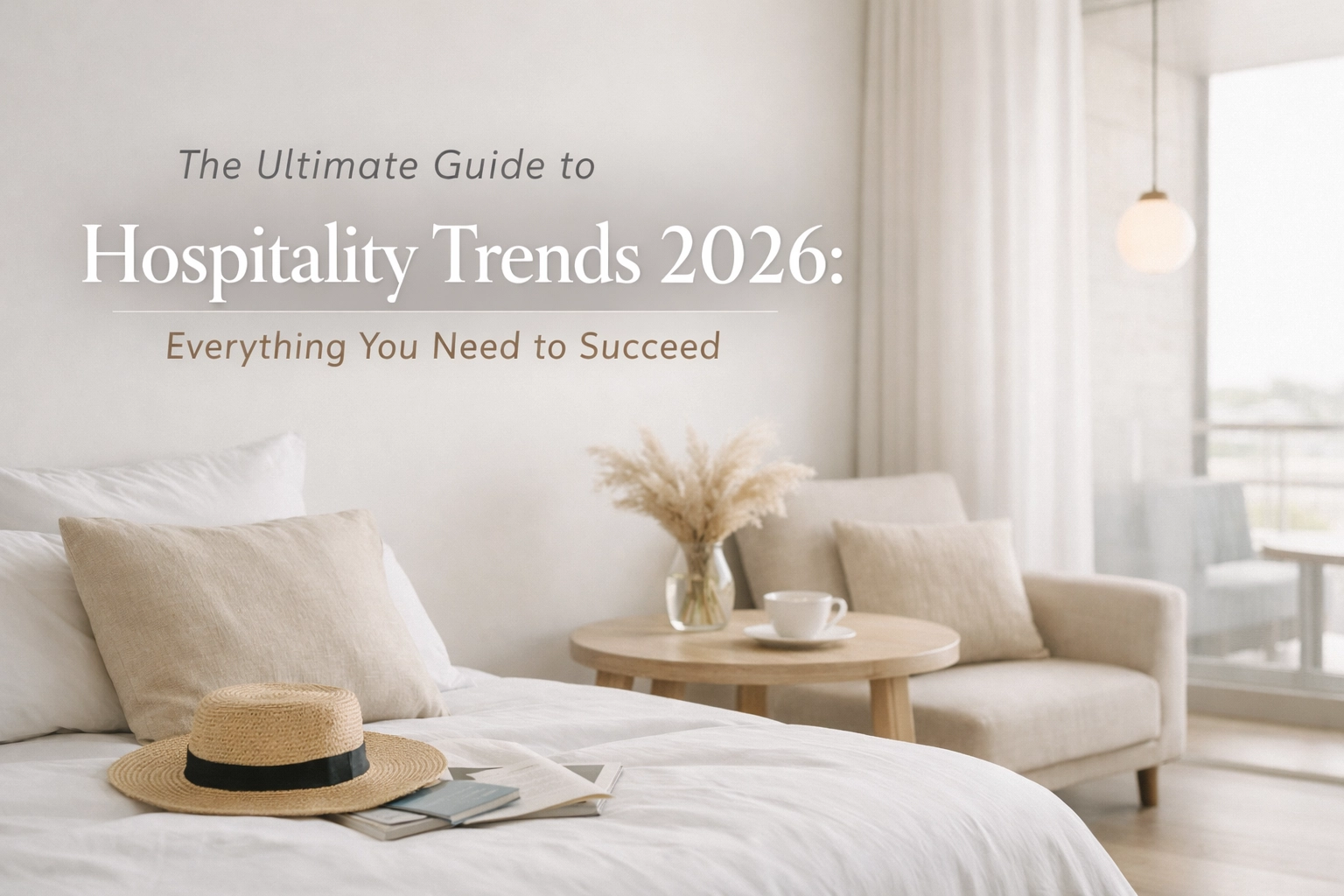
The hospitality landscape of 2026 isn't a distant vision: it’s the reality we’re living right now. Guests aren't just looking for a bed; they’re looking for a seamless, tech-enabled journey that feels personal, purposeful, and surprisingly easy. If your property is still operating on legacy thinking, you’re not just behind; you’re invisible.
We’ve seen properties increase their operational efficiency by 35% simply by shifting their mindset from "managing rooms" to "managing experiences." Success in 2026 requires a unified platform that connects every touchpoint of the guest journey.
AI: The Invisible Engine of Excellence
Artificial Intelligence has moved from a buzzword to the backbone of modern hospitality. In 2026, AI isn't just a chatbot on your website; it's an invisible concierge working 24/7 to optimize every corner of your business.
We believe technology should handle the complexity so your team can handle the hospitality. AI agents are now the primary way travelers discover and book their next trip. If your property isn't optimized for LLM (Large Language Model) search, you’re missing out on the "AI-native" traveler.
- Dynamic Revenue Management: AI analyzes real-time occupancy, local events, and even weather patterns to adjust pricing instantly.
- Predictive Maintenance: Smart systems identify a failing HVAC unit before the guest even notices the room is getting warm.
- Hyper-Efficient Housekeeping: Tasks are assigned based on real-time checkout data, not static morning lists.
The Rise of Attribute-Based Selling
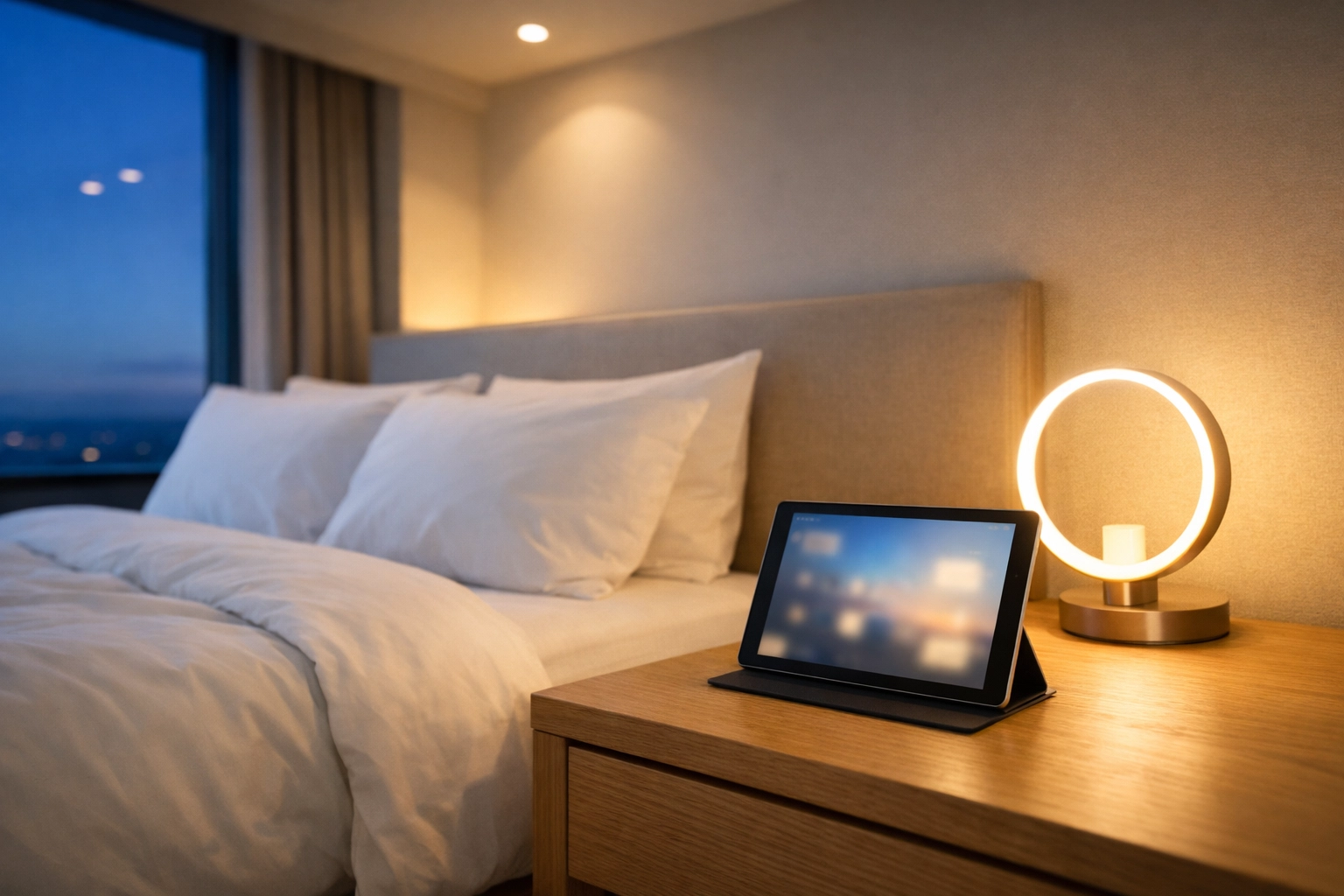
The era of the "Standard Double Room" is officially over. In 2026, personalization means giving guests exactly what they want: down to the specific floor, the type of coffee machine, or the proximity to the elevator.
This is Attribute-Based Selling (ABS). Instead of shoehorning guests into rigid categories, you allow them to build their own stay. It’s better for them, and it’s significantly better for your bottom line.
- Higher Conversion: Guests are more likely to book when they can select the specific features they value.
- Incremental Revenue: Charging a small premium for "high floor" or "balcony" adds up fast across 12,500 properties.
- Reduced Friction: No more awkward conversations at check-in about room upgrades.
"We saved 10 hours a week just by letting guests choose their own room features during the booking process. It’s a win-win."
The "Whycation" and Intentional Travel
Travelers in 2026 are more intentional than ever. We’re seeing the rise of the "Whycation": trips centered around a specific purpose, niche interest, or cultural milestone. Whether it’s a wellness retreat, a sporting event, or a deep dive into local craftsmanship, guests are booking the experience first and the hotel second.
The luxury market is leading this charge. High-net-worth individuals are prioritizing private, discreet, and highly curated vacations. They want to be connected to the soul of a destination, not just stay in a gold-plated box.
- Cultural Tentpoles: Align your packages with local events, like the Route 66 centennial or regional festivals.
- Niche Experiences: Partner with local experts to offer sunrise yoga, artisan workshops, or exclusive culinary tours.
- Meaningful Connections: Move beyond generic tourism to offer something that reflects the true character of your neighborhood.

Sustainability is a Profit Center
Eco-friendly isn't a "nice-to-have" anymore; it’s a core requirement for the modern traveler. But in 2026, sustainability has moved beyond the "don't wash my towel" sign. It’s about operational excellence that reduces waste and boosts your brand value.
We think sustainability should be woven into the fabric of your operations. This means sourcing food locally, using AI to optimize energy consumption, and eliminating paper-based processes entirely.
- Audit your supply chain. Use local artisans and producers to reduce your carbon footprint and delight guests with authentic flavors.
- Implement smart sensors. AI-driven lighting and climate control can slash energy costs by up to 20% in unoccupied rooms.
- Go paperless. A cloud-based PMS like Mews eliminates the need for printed registration cards and paper invoices.

The Human-Centric Staffing Model
With AI handling the routine tasks, the role of the hotel employee has been transformed. The most successful properties in 2026 are those that prioritize "Human-Centric Leadership." When your staff isn't bogged down by data entry and manual check-ins, they can focus on what they do best: making guests feel welcome.
The staffing shortage is still a reality, but the solution isn't just higher pay: it’s higher fulfillment. By giving your team the tools to work smarter, not harder, you create an environment where they actually want to stay.
- Employee Wellbeing: Use tech to create flexible schedules and reduce the stress of peak-hour rushes.
- Skill Growth: Transition your front-desk staff into "Guest Experience Ambassadors" who provide high-value concierge services.
- Collaborative Tech: Let AI handle the complexity so your team can handle the connection.
"Our team is much happier now that they aren't staring at a computer screen all day. They’re actually talking to guests again."
Flexibility: The New Gold Standard
The line between work and play has permanently blurred. Digital nomads and remote workers are a massive, growing segment that fills rooms during traditionally slow periods.
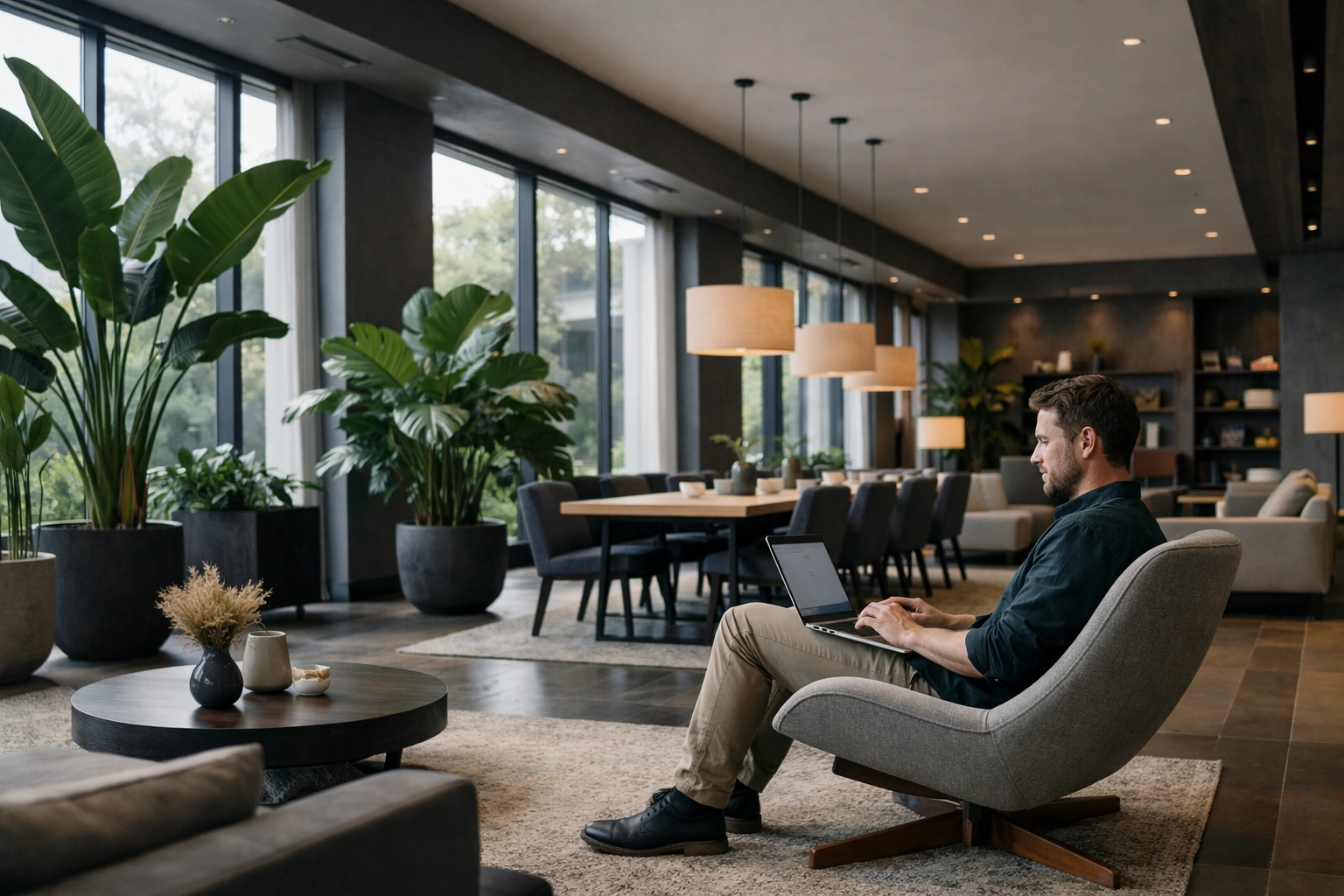
To win this demographic, you need to offer more than just "fast Wi-Fi." You need a space that accommodates the fluidity of modern life. This means flexible check-in times, comfortable co-working areas, and long-stay packages that feel like a second home.
- Adaptive Spaces: Turn underutilized lobby areas into vibrant co-working hubs.
- Seamless Connectivity: Ensure your tech stack supports high-bandwidth needs for video conferencing.
- Community Building: Host weekly mixers or "nomad nights" to help solo travelers connect.
Why the Right Tech Stack Matters
You can’t meet 2026 expectations with 2016 technology. Your Property Management System (PMS) needs to be more than a database: it needs to be an ecosystem.
At Mews, we believe in a platform that grows with you. We’ve built a system that is open, intuitive, and designed for the future of hospitality. Whether you’re managing a boutique hotel or a global brand, your tech should empower you to innovate, not hold you back.
Ready to see how the right platform can transform your property? Join the thousands of hoteliers who are already thriving in the new era of hospitality.
Schedule a 30-minute demo today.
Get started with Mews and let’s get you earning more revenue in no time.
Conclusion: The Path Forward
The hospitality industry is undergoing its most significant transformation in decades. The winners of 2026 will be those who embrace AI for efficiency, lean into hyper-personalization for guest delight, and never lose sight of the human connection at the heart of our industry.
It’s time to move beyond the traditional and embrace the innovative. The future of hospitality is here: is your property ready to lead?
Check out Mews now (it only takes a minute to see the difference).