Explore deeper. Discover faster. Connect better.
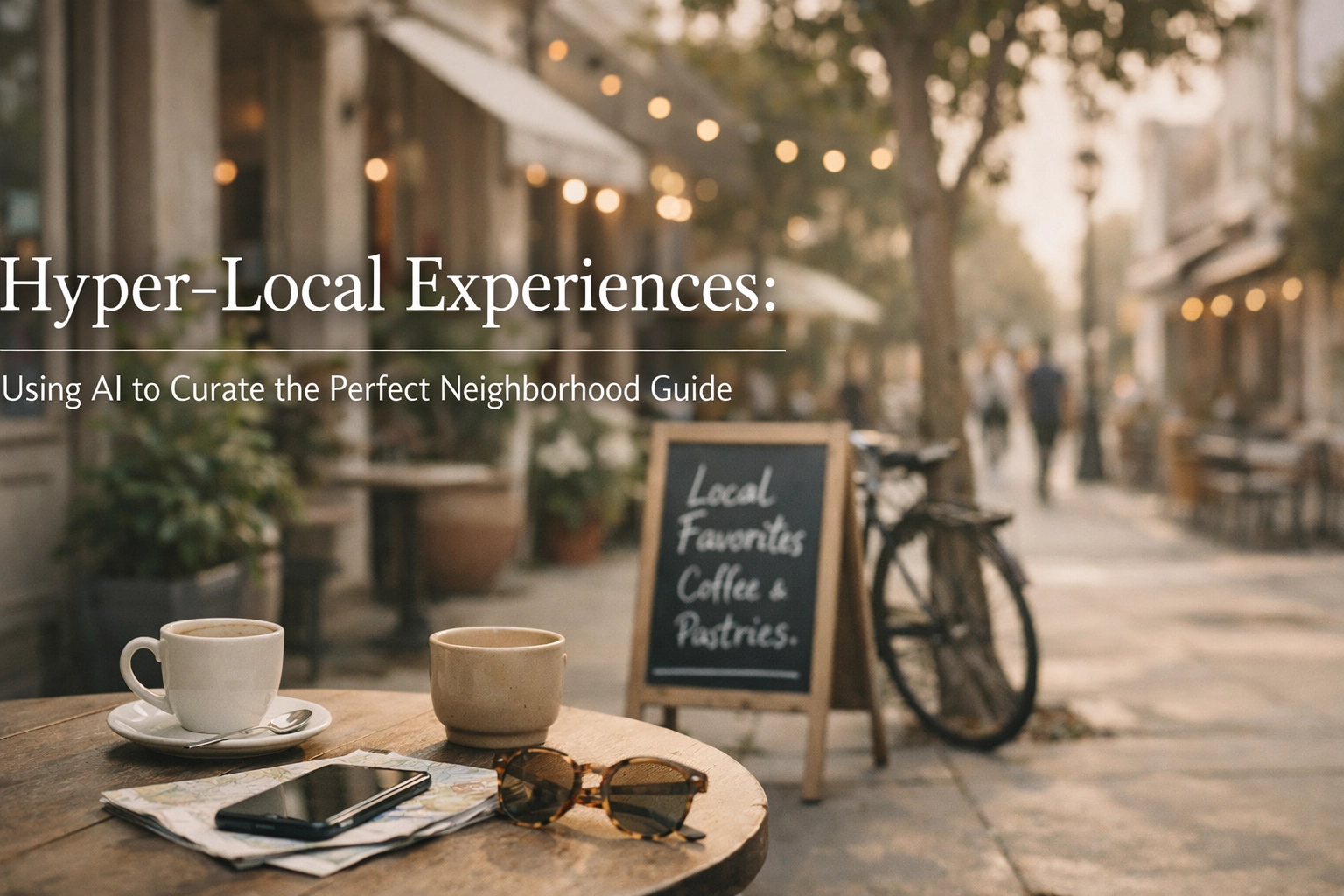
Traditional neighborhood guides are static, outdated, and: to be honest: a bit boring. They rely on the same five "top-rated" tourist traps that everyone already knows. But in 2026, the modern traveler demands more. They want the hidden courtyard cafe that only opens on Tuesdays. They want the jazz bar that’s actually hosting a session tonight. They want the city as a local sees it, and they want it personalized to their specific mood.
We’ve seen guest engagement with local content jump by 85% when it’s delivered through smart, responsive platforms. By moving away from the printed PDF and toward a dynamic, AI-driven ecosystem, you transform your property from a place to sleep into a gateway to the community. It’s about building a bridge between your hotel and the heartbeat of your neighborhood: all from one innovative platform.
The death of the "one size fits all" guide
We believe hospitality is about curation, not just accommodation. The old way of doing things: a dusty binder at the front desk or a generic list on the website: fails because it assumes every guest is the same. It ignores the weather, the time of day, and the unique interests of the person standing in your lobby.
AI changes the equation. Instead of a static list, you provide a living, breathing digital concierge. This isn’t just about "tech for tech’s sake." It’s about solving the age-old problem of the "bad recommendation."
- Dynamic relevance. Recommendations change based on the current weather, traffic, and local event schedules.
- Hyper-personalization. The guide learns if a guest prefers artisanal sourdough or high-octane espresso.
- Frictionless discovery. Guests find what they need in seconds, not after twenty minutes of scrolling through biased review sites.
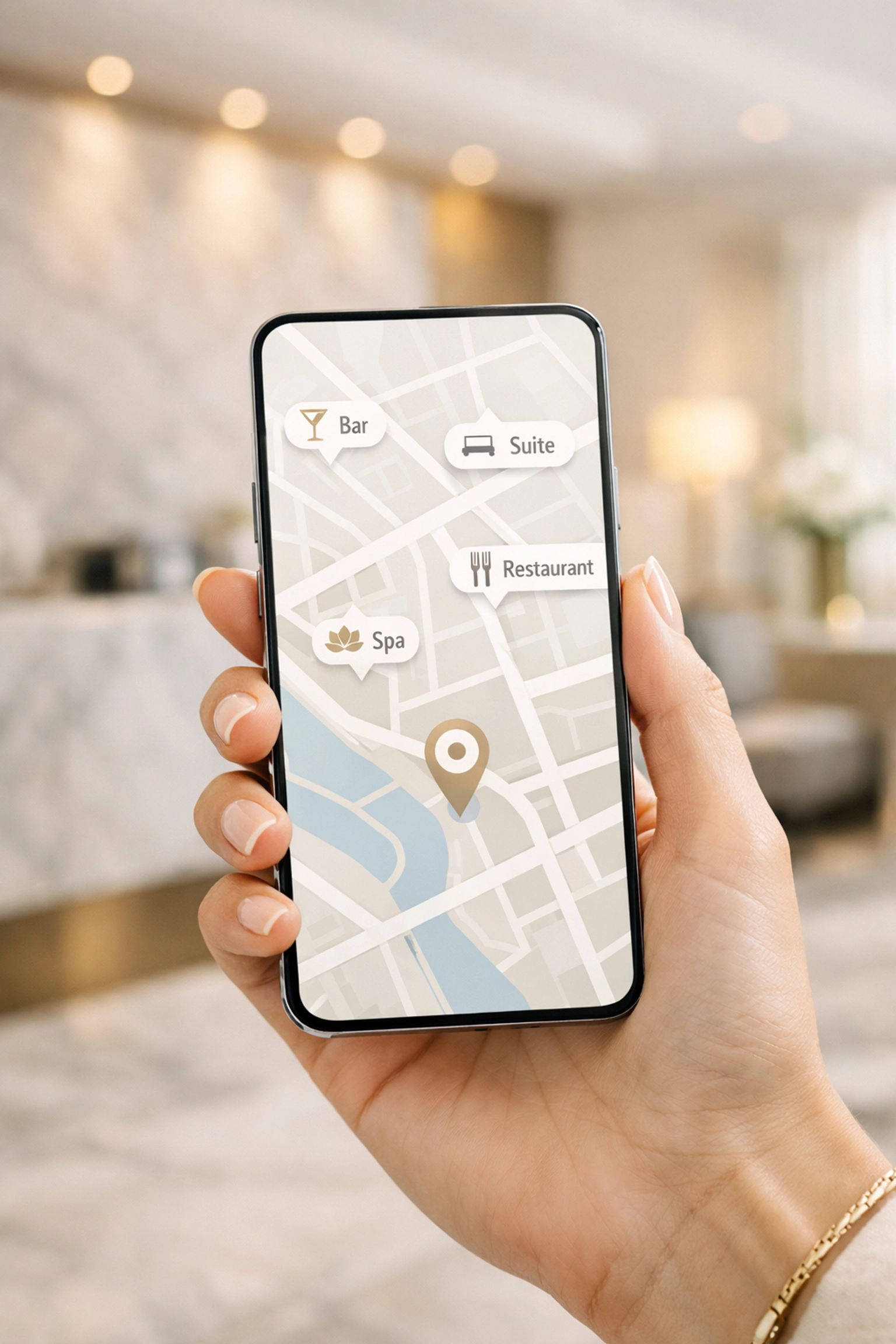
Agentic AI: The concierge in their pocket
The leap from 2025 to 2026 has been defined by the move toward Agentic AI. These aren't just chatbots that answer questions; they are agents that take action. In the context of a neighborhood guide, this means the AI doesn't just suggest a restaurant: it checks availability, looks at the guest's previous dining history, and offers to secure a table.
Think of it as a predictive layer over the physical world. If it’s raining, the guide suggests the best boutique cinema or an indoor art gallery. If the guest is a morning person, it highlights the sunrise viewpoints and the earliest opening bakeries. It’s about providing the right information at the exact moment it becomes useful.
"Our guests stopped asking 'What should I do?' and started saying 'That recommendation was perfect.' It’s saved our front desk 15 hours a week in repetitive questions." : Sarah T., General Manager
Curating the "Undiscovered"
We think the real value of a hotel lies in its ability to unlock the local area. AI tools can now ingest thousands of data points: from local blogs and social media to municipal event calendars: to find the "hidden gems" that even your staff might not know about yet.
By using AI to aggregate these data points, your property becomes the ultimate local authority. You aren't just competing on room rate or thread count anymore; you're competing on the quality of the experience you provide outside your four walls.
- Ingest local data. Connect your guide to real-time local feeds and social signals.
- Filter for quality. Use AI to vet recommendations based on recent sentiment and guest profiles.
- Deliver instantly. Push recommendations to the guest’s mobile device via your guest portal.
Beyond the map: Contextual recognition
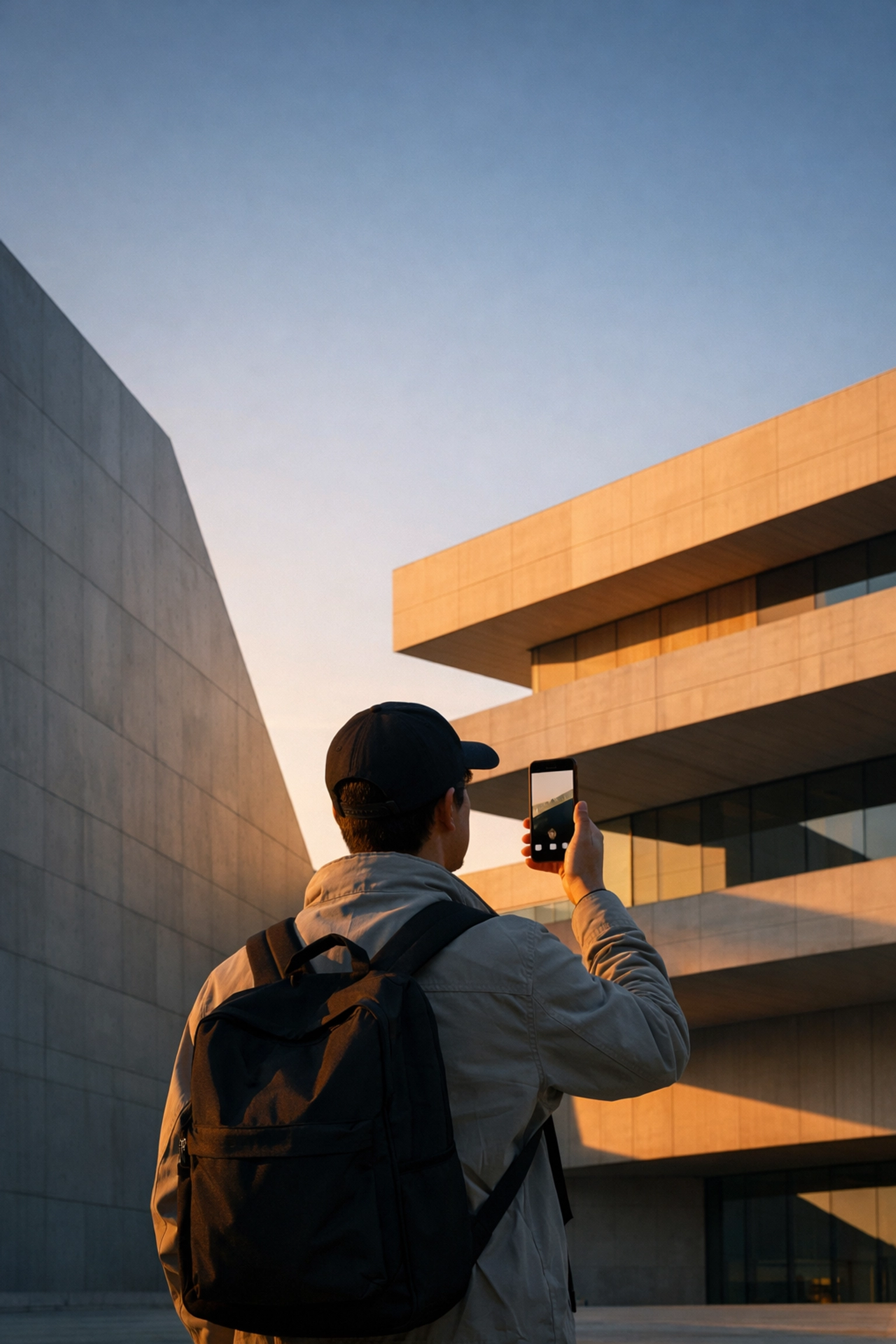
The technology has moved beyond the blue dot on a map. With the rise of visual AI, guests can now point their cameras at a historic building or an interesting menu and get instant, context-rich information.
Imagine a guest walking through the neighborhood. They see a mural. Through your hotel’s AI guide, they can instantly learn about the artist, the history of the building, and where to find similar street art nearby. This isn't just a guide; it’s an immersive, educational experience. It turns a simple walk into a curated tour, and it positions your brand as the facilitator of that magic.
We believe this level of interaction is what defines a modern luxury stay. It’s proactive, it’s intelligent, and it’s deeply rooted in the physical location of your property.
- Architectural insights. Instant history on the surrounding skyline.
- Cultural context. Real-time updates on local festivals or street markets.
- Personalized detours. Suggestions for "the long way" back to the hotel based on points of interest.
Driving revenue through local partnerships
Innovative hospitality isn't just about the guest experience: it’s about the bottom line. When you use AI to curate local guides, you create a powerful channel for local partnerships. By recommending the boutique down the street or the local tour operator, you’re supporting the local economy while potentially opening up new commission-based revenue streams.
Because the AI tracks what guests are interested in, you can provide local partners with anonymized data on what people are looking for. This helps everyone in the neighborhood provide a better service. It’s a win-win-win scenario: the guest gets a great experience, the local business gets a customer, and your hotel reinforces its position as a community hub.
You can get started with these types of integrations easily. Take a look at how we're thinking about the future of the guest journey here: https://referrals.mews.com/umqHYIto.
Freeing your team for what matters
One of the biggest misconceptions about AI in hospitality is that it replaces the human touch. We believe the opposite is true. By automating the "Where is the nearest pharmacy?" and "What’s a good Italian place?" questions, you give your staff the time to actually engage with guests.
Instead of being a human search engine, your concierge becomes an experience designer. They can handle the complex, high-touch requests that require true human empathy and creativity, while the AI handles the data-heavy, real-time logistics of the neighborhood guide.
- Reduce burnout. Eliminate the repetitive "broken record" tasks for front desk staff.
- Enhance interaction. Staff can spend more time on personalized welcomes and problem-solving.
- Empower knowledge. Staff can use the same AI tools to stay updated on local trends themselves.

How to launch your AI neighborhood guide
Setting up a high-tech local guide doesn't have to be a months-long project. With the right platform, it’s a matter of connecting the dots between your existing guest data and local information sources.
Follow these simple steps to get started:
- Audit your current "local" content. Identify what’s outdated or generic.
- Choose your AI integration. Look for tools that offer real-time data and natural language processing.
- Define your "vibe." Train the AI to recommend places that reflect your brand’s personality (e.g., "high-energy and modern" vs. "quiet and historic").
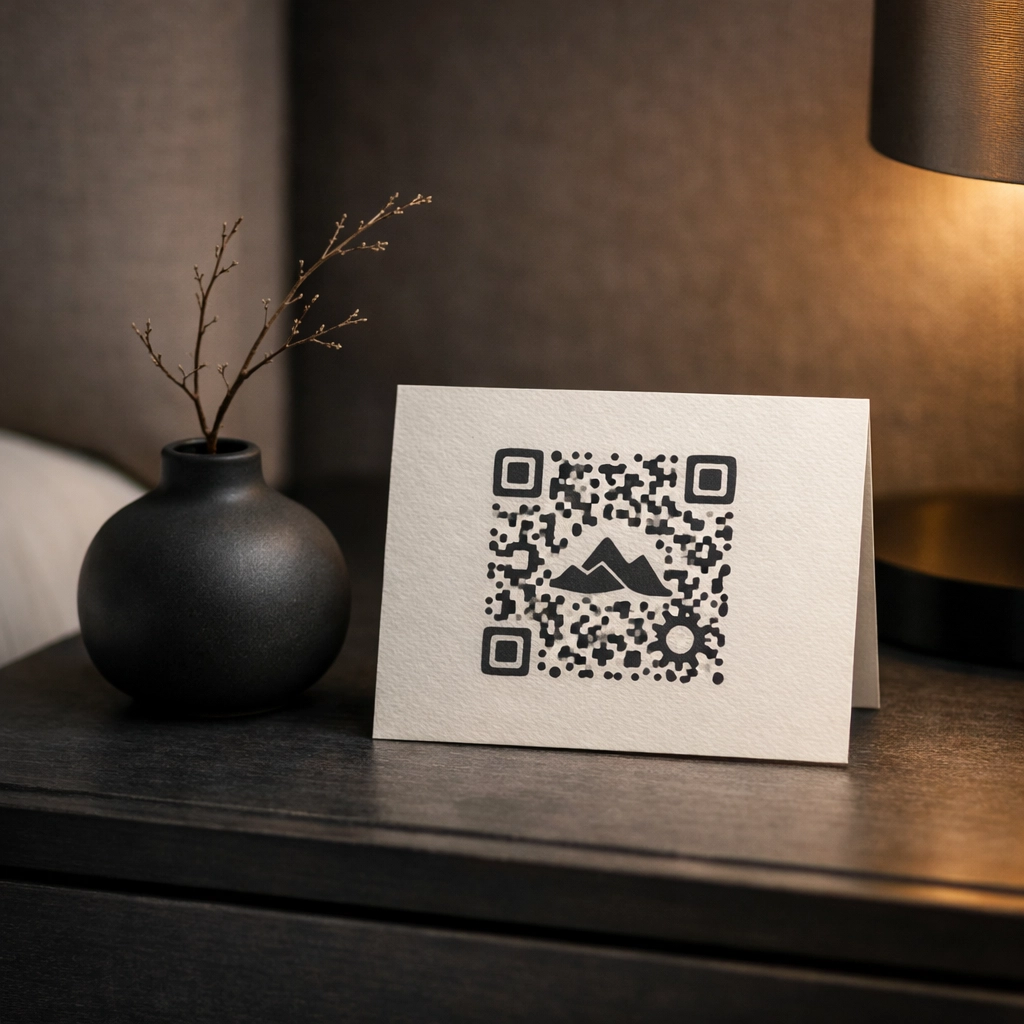
- Promote the tool. Use QR codes in-room and links in your pre-arrival emails to get guests using the guide before they even check in.
- Gather feedback. Use the AI’s analytics to see which recommendations are hits and which are misses.
The future is hyper-local
The hotels that thrive in 2026 will be those that realize they are more than just buildings. They are the curators of the local experience. By leveraging AI to provide hyper-local, personalized, and real-time neighborhood guides, you aren't just giving a guest a map: you're giving them a key to the city.
This level of service creates the kind of loyalty that no points program can match. It’s the difference between a stay that’s forgotten and an experience that’s shared. Ready to see how the right technology can transform your guest experience?
Explore the possibilities and get you earning revenue in no time: https://referrals.mews.com/umqHYIto.