
Choosing a coffee supplier is a bit like online dating. In the beginning, everyone puts their best foot forward. The website looks sleek, the sales rep is charming, and the sample bag they sent you smells like heaven. But six months into the relationship, you might find yourself sitting in a dark café at 6:00 AM, staring at a bag of "speciality" beans that look suspiciously like oily pebbles, wondering why your supplier hasn't returned your last three emails.
Choosing the right partner is the single most important decision you’ll make for your business, besides, perhaps, choosing a machine that doesn't explode. At Limini Coffee, we’ve seen it all. We’ve been the "fixers" for many cafés that started with the wrong partner.
So, let’s talk about the mistakes you might be making right now and, more importantly, how to fix them before your customers start heading to the big green siren down the street.
1. The "Cheapest Kilo" Trap
We get it. Running a business is expensive. Rent is up, energy bills are eye-watering, and milk prices are… well, don't get us started on milk prices. It is incredibly tempting to scroll through a spreadsheet and pick the coffee supplier with the lowest price per kilo.
But here’s the cold, caffeinated truth: a cheaper bag of coffee is often the most expensive mistake you can make. Why? Because coffee isn't a commodity like napkins or sugar; it’s the primary reason people walk through your door.
If you save £2 per kilo but lose three regular customers because the espresso tastes like a burnt rubber tyre, you haven’t saved money: you’ve lost a fortune in lifetime value. Cheap coffee usually comes with a hidden cost: zero technical support, inconsistent roasting, and beans that are old enough to have a pension.
How to fix it: Stop looking at the price per kilo and start looking at the value per cup. Ask what else is included. Do they offer wholesale support that includes equipment servicing? Do they provide barista training? A supplier that helps you sell more coffee is always cheaper than one that just sells you "cheap" coffee.

2. Failing to Verify Batch-to-Batch Consistency
Consistency is the holy grail of the coffee industry. It is very easy to roast one amazing batch of coffee. It is incredibly difficult to roast one thousand amazing batches that all taste exactly the same.
Mistake number two is assuming that because the sample was great, the five-kilo bag arriving on Tuesday will be identical. Many suppliers struggle with quality control as they scale. One week the coffee is bright and fruity; the next, it’s underdeveloped and tastes like a grass clipping salad. This is a nightmare for your baristas who have to constantly dial in and adjust grinders (something we teach in our training sessions).
How to fix it: Be a bit of a nerd. Ask your supplier about their quality control (QC) process. Do they use a colorimeter to check roast consistency? Do they cup every single roast? At Limini, we’re obsessed with this. We believe that if the coffee isn't right, it doesn't leave the building. Check out our sourcing philosophy to see how we maintain those standards. If your supplier can't explain their QC, they probably don't have one.
3. The "Ghosting" Phenomenon (Poor Communication)
Everything is great when the sun is shining and the espresso is flowing. But what happens on a Saturday morning when your steam wand starts screaming or your delivery hasn't arrived?
Many businesses partner with massive national suppliers because they think "big" means "reliable." Often, it just means you’re customer number 4,502. If you’re struggling to get a human on the phone when you have a crisis, you have the wrong supplier.
How to fix it: Test the waters early. Before you sign anything, see how long it takes them to reply to a technical question. Do they have a dedicated account manager? Do they actually know who you are? We pride ourselves on being partners, not just vendors. You can read some reviews from our partners to see why communication matters. A supplier should be your first port of call, not a source of frustration.

4. Treating Coffee Like a Commodity
This is a subtle one. If you think "coffee is just coffee," your customers will too. If your procurement team is treating coffee suppliers the same way they treat the people who provide the toilet rolls, you’re missing the point of speciality coffee.
Speciality coffee is about traceability, ethics, and craft. It’s an experience. When you treat it as a commodity, you lose the story. And in 2026, the story is what sells. People want to know about the farm, the altitude, and the process.
How to fix it: Educate yourself and your staff. Coffee isn't just brown dust; it’s a complex fruit. Use tools like a coffee brewing calculator to understand the science behind the brew. When you treat the product with respect, your supplier will too. We love working with people who are as passionate about the crema and the mouthfeel as we are.
5. Ignoring the "Tech" Side of the Deal
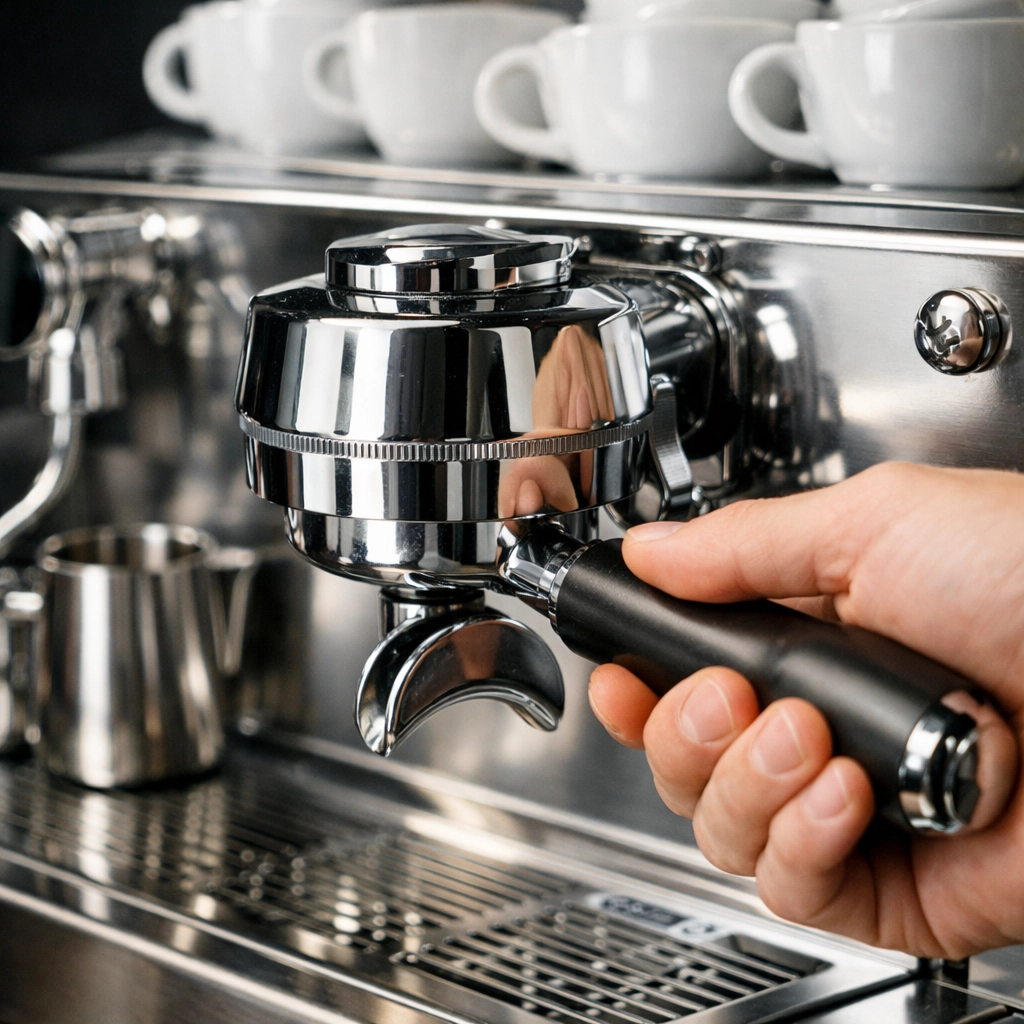
A common mistake is picking a coffee supplier who knows everything about beans but nothing about the machines that brew them. Your coffee is only as good as the machine it’s coming out of. If your supplier doesn't understand the difference between a lever and an automatic machine, they can’t help you when things go sideways.
We’ve seen so many cafés with beautiful beans and a machine that hasn't been descaled since the late nineties. The result? Bitter, lukewarm coffee that ruins the supplier's reputation and your profit margins.
How to fix it: Ensure your supplier has technical expertise. Can they talk you through looking after your espresso machine? Do they understand the inner workings of a La Spaziale? Your supplier should be able to help you troubleshoot basic issues over the phone to save you a call-out fee.
6. Shiny Object Syndrome (Popularity vs. Quality)
It’s easy to get swayed by the "cool" roaster that everyone is talking about on Instagram. They have the neon packaging and the minimalist aesthetic. But are they actually a good business partner?
Sometimes, the trendiest suppliers are the most overwhelmed. They might be great at marketing, but they might struggle with the logistical "boring" stuff: like making sure your order arrives on the day they said it would. Or, they might be so focused on "light roasts" that their coffee doesn't actually cut through milk in a 12oz latte, leaving your customers wondering where the coffee flavour went.
How to fix it: Focus on the "theatre" of your own shop, not theirs. (Check out our article on creating theatre in your café). Choose a supplier based on how their coffee performs in your environment. Does it taste good in the cups you’ve chosen? Does it complement the milk you use? Be practical, not just trendy.
7. Skipping the Fine Print
Finally, the boring-but-essential mistake: not understanding the agreement. Some suppliers will offer "free" equipment in exchange for a five-year contract and a massively inflated price per kilo. Others have minimum order quantities that are impossible for a small start-up to hit without the beans going stale.
How to fix it: Be honest about your volumes. If you’re just setting up your coffee shop, don't over-commit. Ask about the exit strategy. A good supplier: like us at Limini: doesn't need to "trap" you with a predatory contract because the quality of the coffee and the service keeps you coming back anyway.
The Bottom Line
Your coffee supplier shouldn't just be a name on an invoice; they should be the backbone of your business. If you’re making any of these mistakes, don’t panic. It’s never too late to pivot.
Whether you need help choosing espresso equipment or you just want to understand why your tamping technique matters, we’re here to help.
The goal is simple: serve incredible coffee, keep your customers happy, and make a profit. If your current supplier isn't helping you do all three, it might be time for a fresh start. You can learn more about us and how we do things differently right here.
Ready to stop making these mistakes? Let’s grab a coffee (a good one) and chat. Head over to Limini Coffee to see what a real partnership looks like.