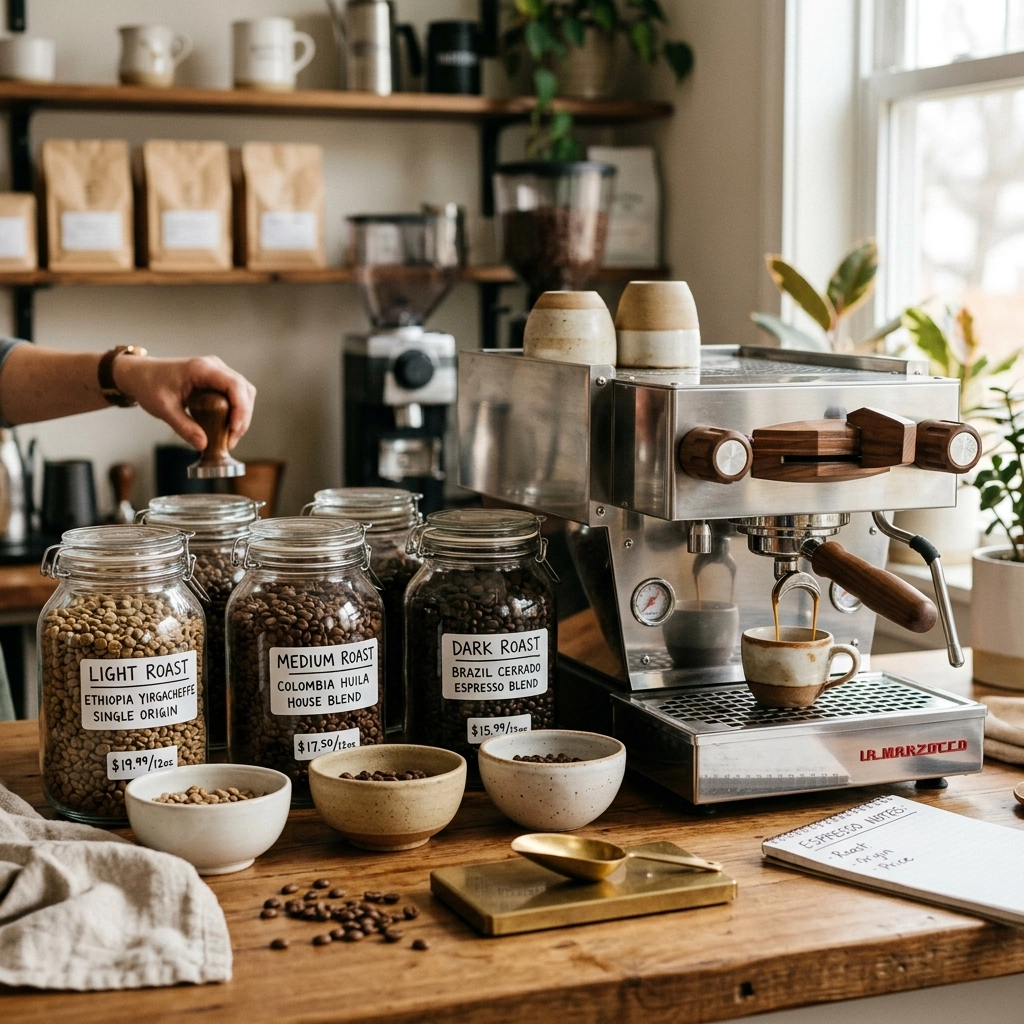
So, you’ve finally invested in a home espresso machine. Maybe it’s a shiny new lever machine or a reliable automatic setup. You’ve got the espresso equipment, you’ve got the fancy cups, and you’re ready to pull that god-shot. But then you stand in front of the coffee aisle, or scroll through an endless list of online roasters, and panic sets in.
"Espresso Roast," "Single Origin," "Dark Roast," "Italian Blend"… what does it all actually mean for your morning latte?
The biggest secret in the industry (that isn't really a secret) is that "espresso beans" aren't a special type of bean grown on a secret mountain. Espresso is simply a brewing method. You can use any coffee bean for espresso, but, and this is a big "but", not every bean will taste good when concentrated under 9 BAR of pressure.
At Limini Coffee, we spend our days obsessing over these variables so you don't have to. If you're looking for the perfect starting point for your home barista journey, you can browse our current freshly roasted selection here.
The Roast Level: Finding Your Sweet Spot
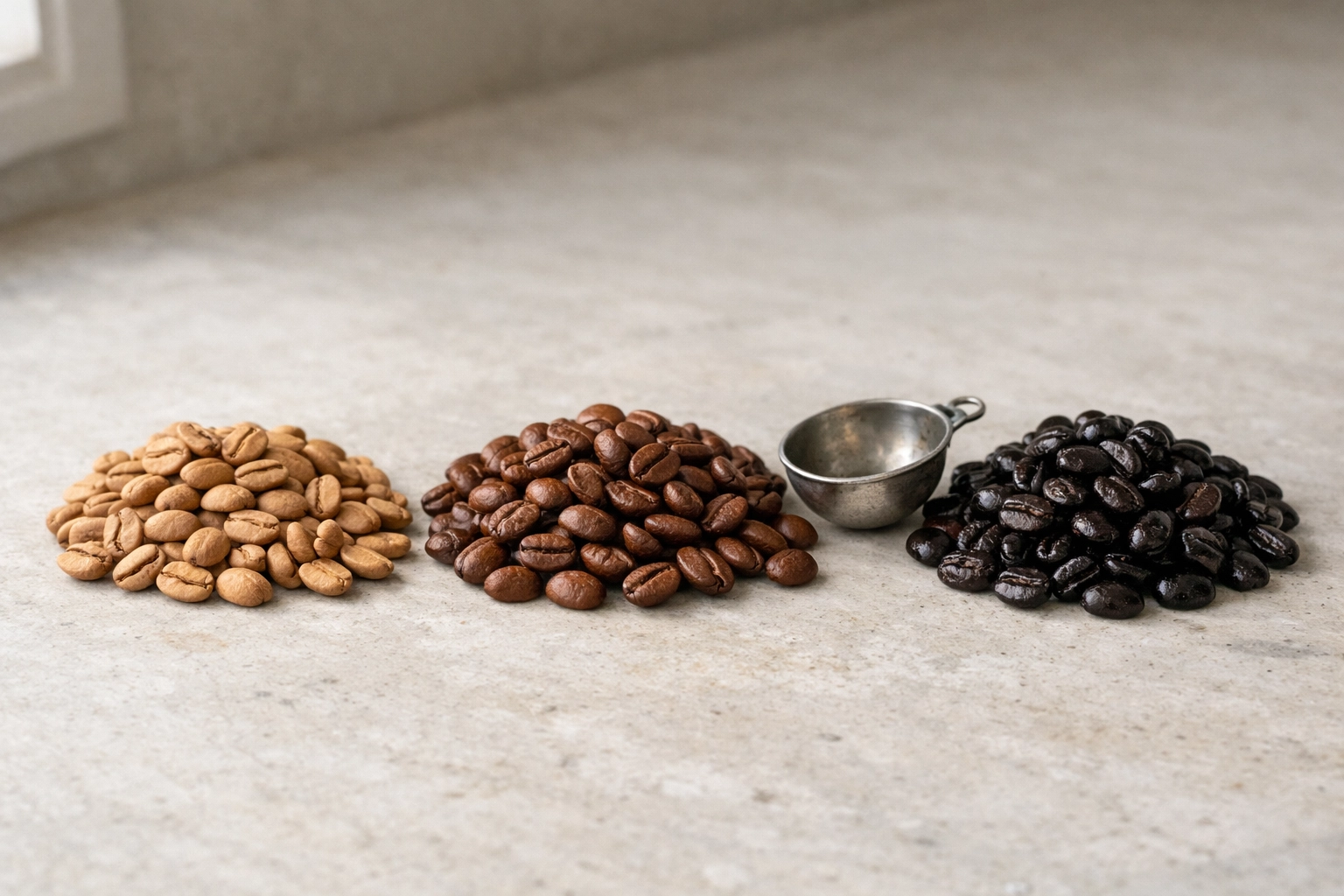
Roast level is arguably the most significant factor in how your espresso will taste. It affects everything from the crema to how easy the coffee is to "dial in."
Dark Roasts: The Traditional Heavyweight
When you think of a classic Italian espresso, you're thinking of a dark roast. These beans are roasted longer, often until they develop a glossy, oily surface.
The Profile: Low acidity, heavy body, and flavours of dark chocolate, toasted nuts, and caramel.
Why we like it: They are incredibly forgiving. Because they are more porous, they extract easily. They also cut through milk like a dream, making them perfect for lattes and cappuccinos.
The Drawback: If roasted too dark, you lose the individual characteristics of the bean and end up with a "burnt" or "ashy" flavour.
Medium Roasts: The Modern Standard
Most specialty roasters (us included!) lean towards a medium roast for espresso.
The Profile: A balance of sweetness and acidity. You’ll find notes of milk chocolate, red fruits, and brown sugar.
Why we like it: It offers more complexity than a dark roast without the aggressive "sourness" that can come from light roasts. It’s the "Goldilocks" zone for home brewers.
The Drawback: Requires a bit more precision with your tamping and grind size to get the best results.
Light Roasts: The Wild Card
Light roasts are rarely labelled "espresso roast" because they are notoriously difficult to extract in a short window of time.
The Profile: High acidity, floral, tea-like, and citrusy.
Why we like it: If you want to taste the "terroir" of the coffee, this is it.
The Drawback: For most home baristas, light roasts can taste like sour lemon juice if the water temperature isn't high enough or the grind isn't fine enough. We usually recommend these for filter coffee rather than espresso.
Origin Selection: Does Geography Matter?
Where your coffee is grown determines the chemical makeup of the bean. When we talk about sourcing our coffee, we look for specific profiles that complement the espresso method.
Central and South America (The Reliable Backbone)
Countries like Brazil, Colombia, and Guatemala are the powerhouses of the espresso world.
- Brazil: Often low in acidity with a big, nutty, chocolatey body. It’s the perfect "base" for a blend.
- Colombia: Offers a bit more "zip" and caramel sweetness.
East Africa (The Flavor Bombs)
- Ethiopia: Known for "natural" processed beans that can taste like blueberries or jasmine. When added to a blend, these beans add a "jammy" complexity that makes an espresso stand out.
- Kenya: High acidity and big berry notes. Exciting, but can be overwhelming for some as a straight espresso shot.
Asia and Indonesia (The Earthy Giants)
- Sumatra: These beans often have an earthy, spicy, or even "tobacco" note. They provide a very heavy mouthfeel and almost zero acidity.
If you're unsure where to start, we highly recommend a blend that combines South American beans for body and African beans for a hint of fruit. You can find our signature blends and single origins right here.
Price Comparison: Budget vs. Specialty
Let's talk money. We know it’s tempting to grab a massive 1kg bag of "Espresso Beans" from the supermarket for £8. But there’s a reason specialty coffee costs more.
| Category | Price Range (per 250g) | What you get |
|---|---|---|
| Budget (Supermarket) | £3 – £5 | Often stale, roasted months ago, oily (which can clog grinders), and bitter. |
| Mid-Range (Mass Market) | £6 – £8 | Better quality control, but usually very dark/oily to mask inconsistent bean quality. |
| Specialty (Limini Coffee) | £9 – £14 | Freshly roasted (essential!), ethically sourced, complex flavours, and easier to brew. |
Is it worth the extra £5?
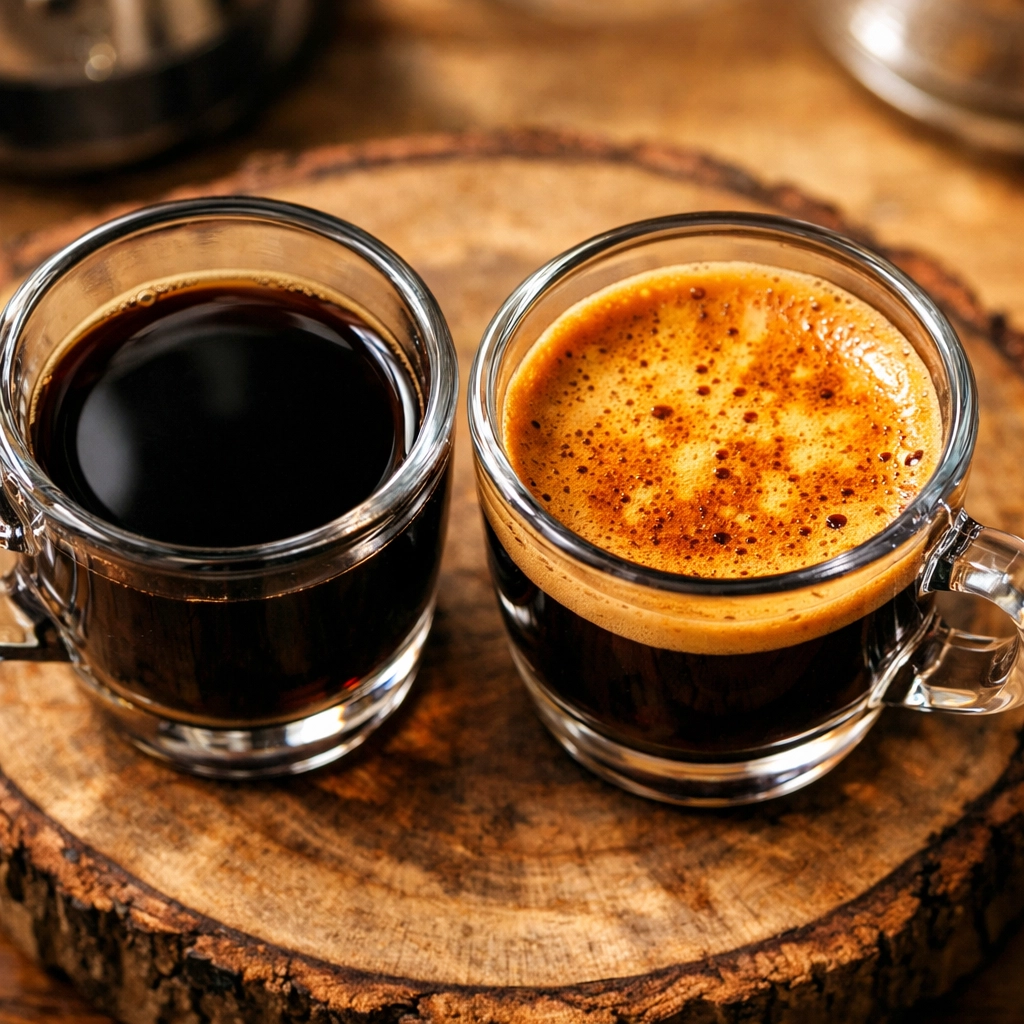
Absolutely. Freshness is the single most important factor in espresso. Old beans lose their CO2, which means no crema. Without crema, your espresso lacks that silky texture and looks… well, a bit sad. Specialty beans like ours are roasted to order, ensuring you get that perfect "tiger-striped" pour.
Freshness: The "Roasted On" Date
If a bag of coffee has a "Best Before" date but no "Roasted On" date, put it back.
Espresso relies on the degasification of CO2 to create pressure and crema.
- Too Fresh (1-3 days): The coffee is still "fizzing" with gas. The shots will be inconsistent and can taste metallic.
- The Sweet Spot (7-21 days): This is peak performance for espresso. The flavours have settled, and the gas levels are perfect for a stable extraction.
- Too Old (6+ weeks): The oils have begun to oxidise (go rancid), and the bean has lost its internal pressure. You’ll find the water just gushes through the puck no matter how fine you grind.
If you find yourself struggling with shot times, check our coffee brewing calculator to help you adjust your ratios based on your bean’s age and roast.
Blends vs. Single Origins
This is a common debate in the home barista community.
Blends are designed for consistency. We take different beans and mix them to create a balanced flavour profile that remains the same bag after bag. They are generally much easier to work with and are designed specifically to taste great with milk.
Single Origins come from one specific farm or region. They are more "seasonal." One month your Colombian might taste like apple and caramel; the next, it might be more chocolatey. They are fantastic for the adventurous brewer who drinks straight espresso or long blacks and wants to explore the nuances of different regions.
If you’re just starting out, we suggest starting with a house blend. It removes one variable from the equation while you're still mastering your barista training skills at home.
Putting it All Together: Our Practical Advice
So, how do you actually choose? Here is our "cheat sheet" for your next purchase at the Limini Coffee shop:
- Check the Roast: If you love milk-based drinks (Lattes/Flat Whites), go for a Medium-Dark roast. If you drink black espresso, try a Medium roast.
- Look for the Date: Ensure the beans were roasted within the last 14 days.
- Choose Your Vibe: Do you want "Chocolate and Nuts" (Brazil/Colombia) or "Fruit and Flowers" (Ethiopia/Kenya)?
- Invest in Quality: Spend the extra few pounds for specialty-grade beans. Your palate (and your expensive espresso machine) will thank you.
Basically, the "best" coffee bean is the one that makes you excited to get out of bed in the morning. Espresso is a journey of trial and error, but starting with high-quality, fresh beans from a roaster who cares about the craft makes that journey a whole lot more delicious.
If you want to dive deeper into the technical side of things: like understanding why milk textures differently or how to maintain your La Spaziale machine: we have a wealth of guides available.
Ready to pull the perfect shot? Grab your next bag of fresh beans here and let's get brewing!