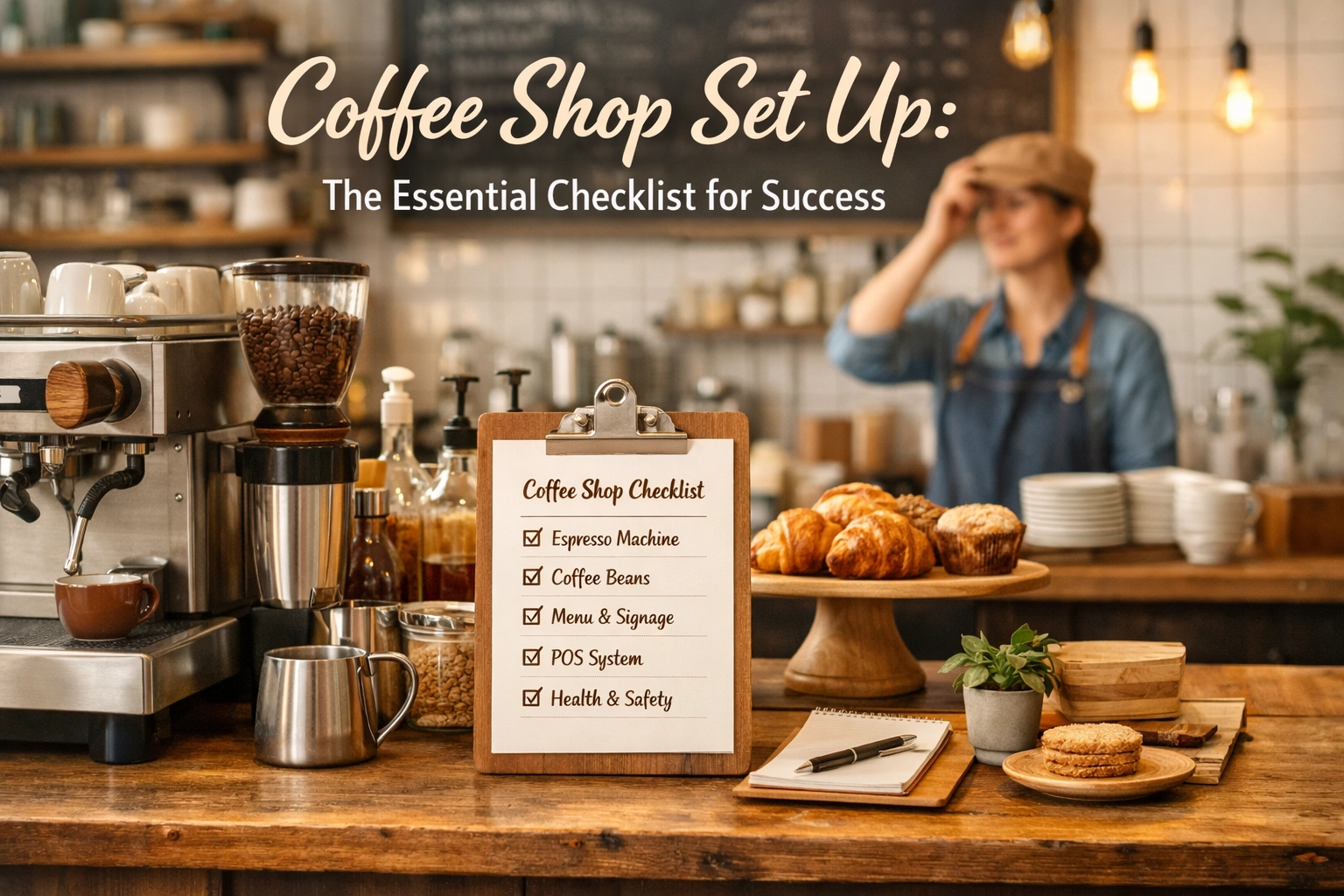
So, you’ve decided to take the plunge. You want to open a coffee shop. It’s a dream shared by many: the smell of freshly roasted beans, the hiss of the steam wand, and the hum of a happy community in your very own space. But let’s be honest for a second: moving from a dream to a functional, profitable business is a massive undertaking.
Setting up a coffee shop is about much more than just picking out a cute name and buying a bag of beans. It’s a puzzle of logistics, legalities, and a whole lot of caffeine. At Limini Coffee, we’ve helped hundreds of people transition from coffee lovers to coffee business owners, and we’ve seen what works (and what definitely doesn't).
To help you navigate the chaos, we’ve put together the ultimate coffee shop set up checklist. Think of this as your roadmap to success.
Phase 1: The Foundation (Planning & Concept)
Before you buy a single teaspoon, you need a plan. We know, writing a business plan sounds about as fun as cleaning a grease trap, but it is the single most important thing you will do.
1. Define Your "Why" and Your Concept
What makes your shop different? Are you a high-volume takeaway spot near a train station, or a slow-bar speciality shop where people linger over a V60? Your concept dictates everything else: your equipment, your layout, and your choice of beans.
2. The Business Plan
You’ll need this for bank loans, but more importantly, you need it for yourself. It should cover your financial projections (be realistic!), your target market, and your competitive analysis. Who are the big players in your area? What are they missing?
3. Market Research
Spend time in the area you’re eyeing. Who is walking past at 8:00 AM? Is it commuters looking for speed, or parents looking for a place to sit with a pram? We always recommend doing a literal head count of foot traffic. It’s tedious, but data doesn't lie.

Phase 2: The Legal Maze
This is the part everyone wants to skip, but unfortunately, the council and the taxman have very little patience for "good vibes."
4. Permits and Licenses
You need to check your local regulations, but typically you’ll need:
- A business license.
- Food premises registration (usually required 28 days before opening).
- Public liability insurance (non-negotiable).
- PPL/PRS license if you plan on playing music (and you definitely should).
- Outdoor seating permits if you’re eyeing the pavement.
5. Health and Safety
Get your HACCP (Hazard Analysis and Critical Control Point) plan in order. You need to demonstrate that you know how to handle food and milk safely. This includes everything from fridge temperature logs to staff hygiene training.
Phase 3: Location and Layout
You’ve heard it before: location, location, location. But once you have the keys, the layout becomes just as critical.
6. Choosing the Space
Visibility is king. You want to be where people already are. Check the utilities too: does the building have the electrical capacity for a commercial espresso machine? You’d be surprised how many people sign a lease only to find out they need a £5,000 power upgrade.
7. Designing for Workflow
This is where many shops fail. You need a "flow" that works for both the customer and the barista. The distance between the grinder, the machine, and the knock box should be as small as possible. This is what we call the "golden triangle" of coffee shop set up.
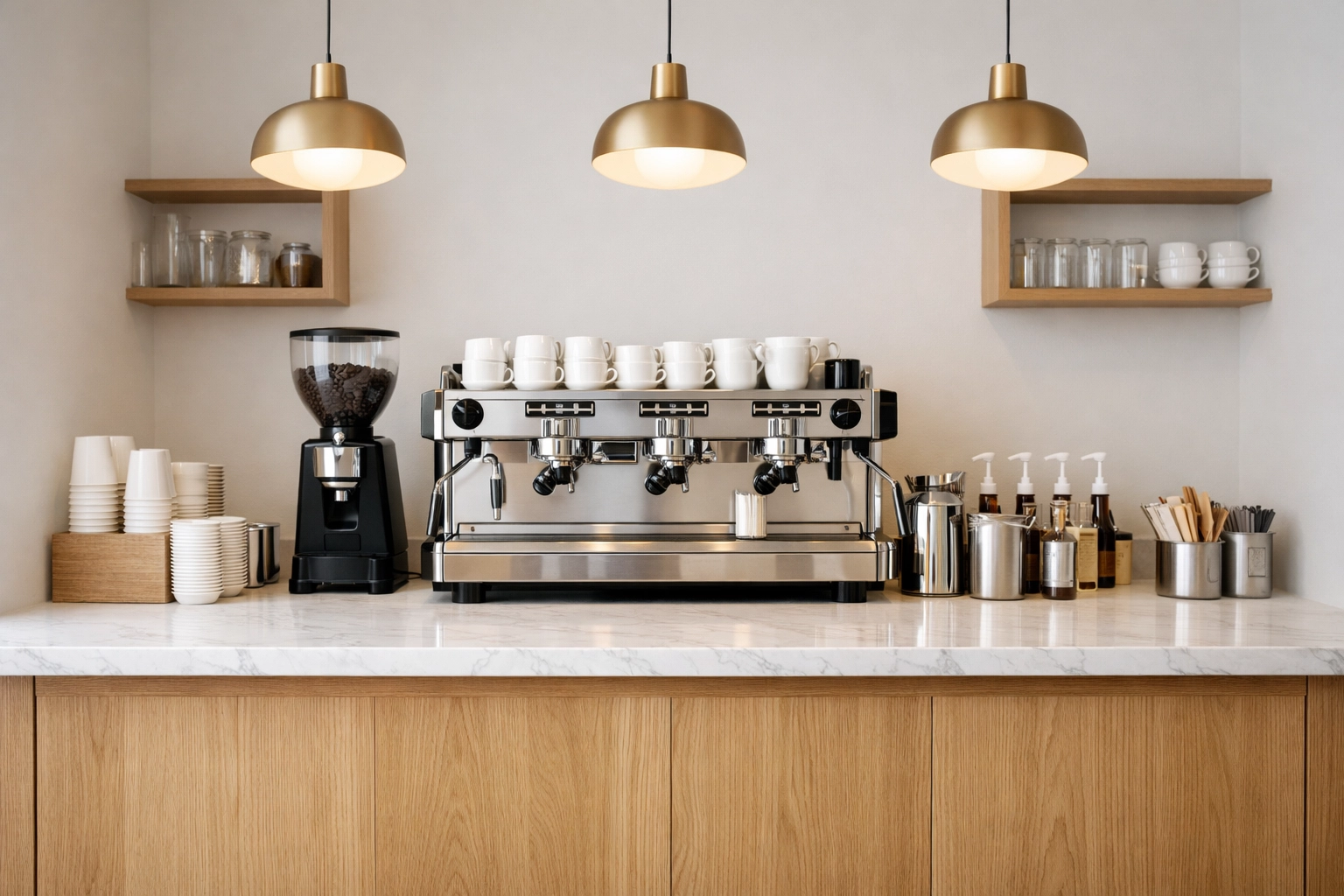
We have a great guide on building a coffee shop and shop fitting that dives deeper into this. If your baristas are constantly bumping into each other, your service will be slow, and your staff will be grumpy. Neither is good for business.
Phase 4: The Gear (The Heart of the Operation)
This is the fun part, but it’s also where you’ll spend the most money. Don’t just buy what looks pretty on Instagram. You need workhorses.
8. The Espresso Machine
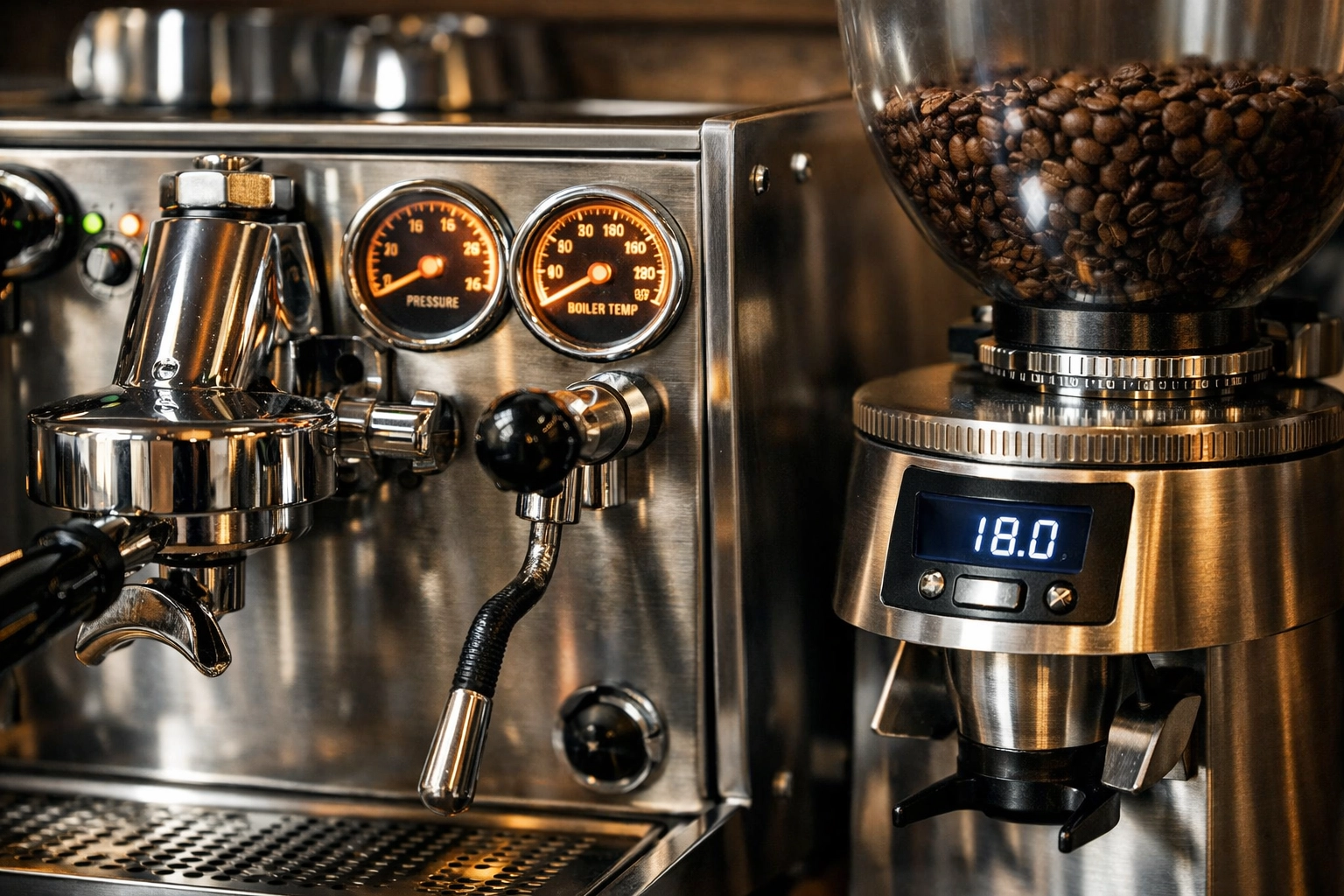
Do you want a classic lever machine or an automatic? For most high-volume shops, we recommend something reliable like a La Spaziale. You need to decide between 1, 2, or 3 groups based on your projected volume. If you're unsure, choosing espresso equipment is a great place to start your research.
9. The Grinder
Honestly? The grinder is often more important than the machine. A poor-quality grind will ruin the best beans in the world. Look for "on-demand" grinders to ensure every shot is as fresh as possible.
10. Water Filtration
Coffee is 98-99% water. If your water tastes like chlorine or is full of limescale, your coffee will suffer, and your expensive machine will scale up and die. A high-quality filtration system is an absolute must-have.
Phase 5: Sourcing and Menu
Now we get to the soul of the shop: the coffee itself.
11. Find a Roaster Partner
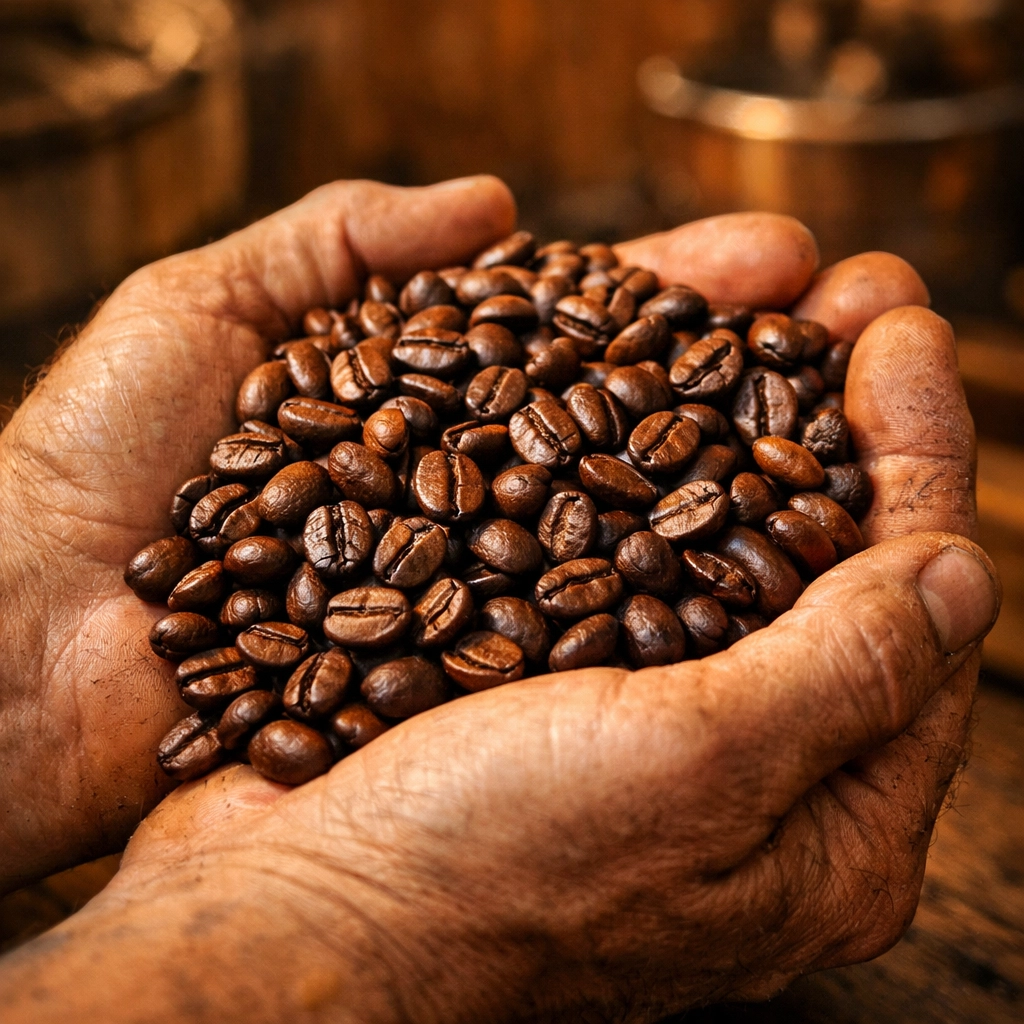
You aren't just looking for a supplier; you’re looking for a partner. At Limini Coffee, we believe that the relationship between the roaster and the shop owner is vital. We don't just ship boxes; we offer support, advice, and some of the best speciality beans in the business. If you’re looking for a partner who lives and breathes this stuff, we’d love for you to check out what we do at Limini Coffee.
12. The Menu
Keep it simple to start. A massive menu leads to waste and confusion. Master the basics: the flat white, the latte, and the cappuccino. Understanding the difference between these is key: not just for you, but for your customers. We’ve even written about the theatre of coffee to help you make the experience special for your guests.
Phase 6: The Human Element (Staffing & Training)
You can have a £15,000 machine and the best beans in the world, but if your barista doesn't know how to tamp or steam milk, it’s all for nothing.
13. Hiring for Personality
You can teach someone how to pull a shot of espresso, but you can’t teach someone how to be genuinely nice to a customer at 7:00 AM. Hire for attitude, then train for skill.
14. Barista Training
Training is an ongoing process, not a one-time event. Your team needs to understand the "why" behind what they do. Why does the grind need to change throughout the day? Why is milk temperature so critical (usually around 60 ºC to 65 ºC for the best sweetness)?
We take this so seriously that we offer comprehensive barista training and a full training overview for our partners. It’s the secret sauce to consistency.
Phase 7: The Grand Opening
You’re almost there! Before you swing those doors open, there are a few final checks.
15. Soft Launch
Never just open the doors on day one and hope for the best. Run a "soft launch" for friends, family, and local business owners. It’s a low-pressure way to find the "bottlenecks" in your workflow. Maybe the till is too far from the pickup point, or maybe your oat milk isn't frothing right. Fix it now, not when there's a queue out the door.
16. Marketing
Start your Instagram and Facebook pages months before you open. Share the journey: the messy construction shots, the coffee tastings, the arrival of the machine. People love a "behind the scenes" look. It builds anticipation.

Final Thoughts
Setting up a coffee shop is a marathon, not a sprint. There will be days when the plumbing leaks, the milk delivery is late, and you wonder why you didn't just stay in your office job. But then, you’ll serve that perfect cup of coffee to a regular who tells you that your shop is their favorite place in town. And suddenly, it’s all worth it.
If you’re feeling overwhelmed by the process of setting up a coffee shop, don’t be. Take it one step at a time, use this checklist, and surround yourself with experts who want to see you succeed.
We’ve spent years exploring every facet of this industry, from sourcing our coffee to the science of the perfect crema. If you want to chat about wholesale opportunities or just need some friendly advice on which machine to pick, get in touch with us. We’d love to be a part of your journey.
Good luck( you've got this!) ☕️