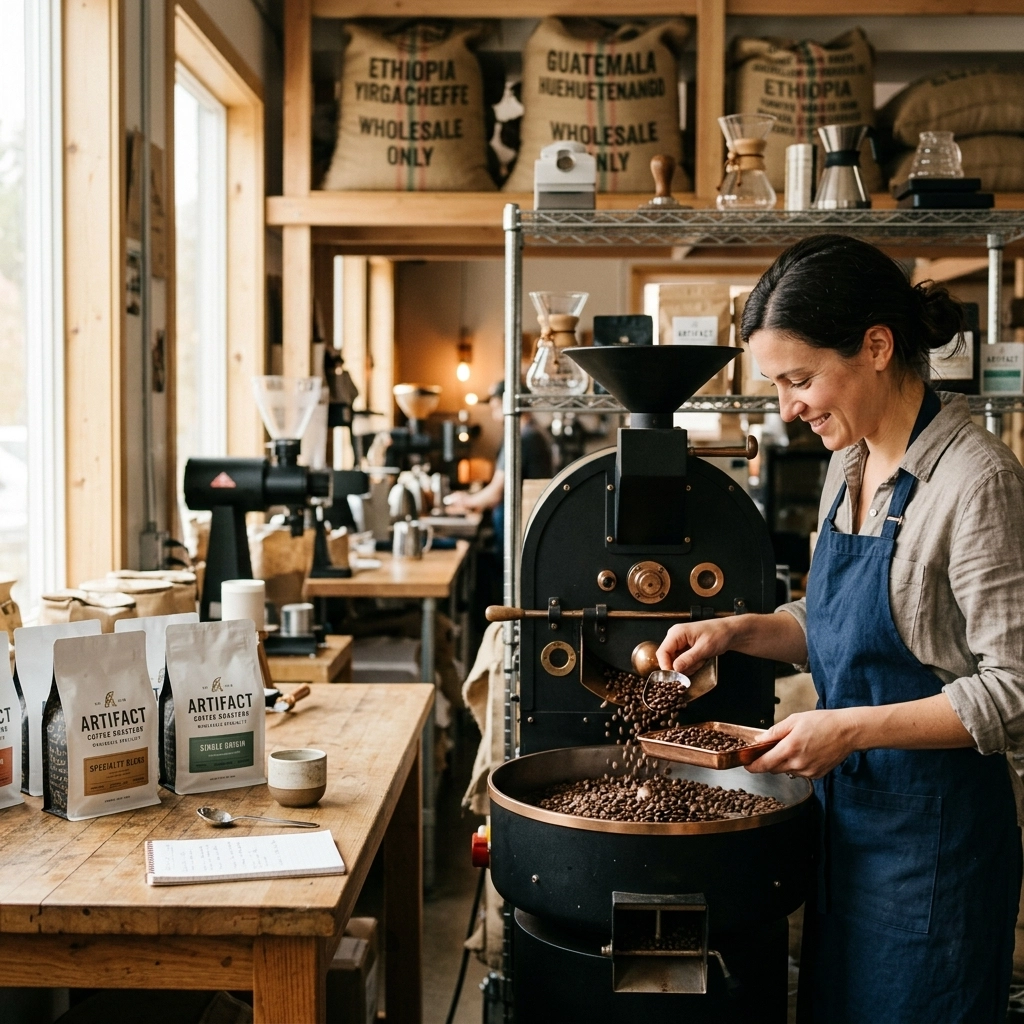
So, you’ve decided to take the plunge and open a coffee shop, or perhaps you’re looking to level up your current offering. It’s an exciting time! You’ve probably spent hours browsing through beautiful Instagram feeds of latte art and sleek espresso machines. But here is the reality: the transition from "coffee lover" to "coffee business owner" is a steep learning curve.
When it comes to wholesale specialty coffee, it isn't just about buying a bag of beans and putting it in a hopper. It’s a partnership. We’ve seen many talented entrepreneurs stumble because they treat their coffee supply like they treat their milk or sugar, as a commodity.
At Limini Coffee, we believe that specialty coffee should be accessible, transparent, and, above all, successful for your business. To help you navigate these murky waters, we’ve put together the seven most common mistakes we see in the wholesale world and, more importantly, how you can fix them.
1. Choosing Your Roaster Based Only on Price
We get it. Running a business is expensive. When you see one supplier offering a "specialty" blend at £12/kg and another at £18/kg, the temptation to save that £6 is massive. But here is the catch: cheap coffee often ends up being the most expensive mistake you’ll ever make.
Why is this? Usually, "cheap" specialty coffee means the roaster is cutting corners. This might mean inconsistent screen sizes (which leads to uneven extraction), a higher percentage of defects, or older green beans that have lost their vibrance. If your coffee is inconsistent, your baristas will spend more time "dialing in" and wasting coffee, and your customers will notice the dip in quality.
The Fix: Look at the total value, not just the price per kilo. Does the roaster offer support? Is the quality consistent week after week? Remember, if you lose just three or four regular customers because the coffee tasted "off" one Tuesday morning, that £6 saving has already evaporated. If you’re looking for a partner that values quality as much as you do, check out what we offer at Limini Coffee.
2. Ignoring the "Box Dropper" Problem
A "box dropper" is a wholesaler who sends you the coffee and then disappears until the next invoice is due. This is a huge mistake for new startups. Specialty coffee is a living, breathing product. It changes with the weather, the humidity, and the age of the roast.
If you don’t have a supplier who provides ongoing support, you’re on your own when the shots start pulling at 15 seconds or the milk won’t stretch properly. You need a partner, not just a vendor.
The Fix: Ask potential suppliers about their support structure. Do they offer barista training? Do they have technicians who can help if your machine starts acting up? At Limini, we pride ourselves on being more than just roasters; we are your back-office coffee experts.

3. Underestimating the Importance of Barista Training
You can buy the best, most expensive beans in the world, but if your team doesn’t know how to extract them, it’s money down the drain. We often see café owners invest £10,000 in a beautiful espresso machine and then zero in staff training.
Specialty coffee requires a specific skill set. Understanding the "dialing-in" process, the importance of tamping, and the science of milk chemistry is non-negotiable. Without this, your "specialty" coffee will taste mediocre at best.
The Fix: Make training part of your business DNA. Don’t just do a one-off session when you open. As staff rotate, ensure new hires are properly inducted. We offer comprehensive training overview sessions that cover everything from basic espresso to advanced latte art. It’s worth the investment, trust us.
4. Mismanaging Freshness and Stock Levels
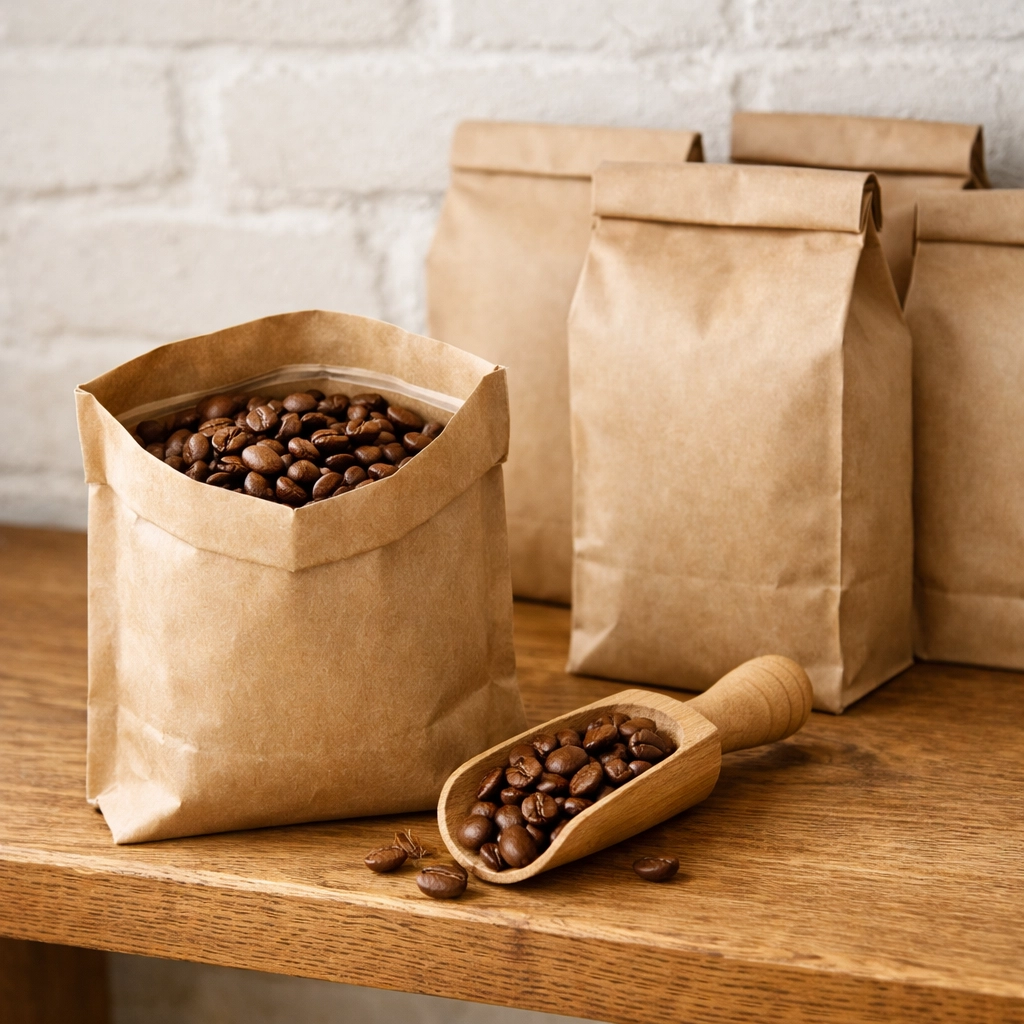
There is a common misconception that "the fresher the better" always applies. While you definitely don't want old, stale coffee, using beans that were roasted yesterday can also be a mistake. Freshly roasted coffee contains a lot of CO2, which can cause "blooming" during espresso extraction, leading to inconsistent shots and a sour taste.
On the flip side, we see shops ordering three months' worth of coffee at once to save on shipping. By month three, that specialty vibrance is gone.
The Fix: Aim for the "sweet spot." Most specialty coffees perform best between 7 to 21 days post-roast. Work with your wholesale coffee roaster to set up a weekly or bi-weekly ordering schedule. This ensures you always have coffee in that prime window.
5. Buying the Wrong Equipment for Your Volume
We love a beautiful lever machine as much as the next person, but if you’re a high-volume shop in a train station, a manual lever machine might be your downfall. Conversely, buying a cheap, domestic-grade grinder for a busy café will lead to overheating, inconsistent grinds, and eventually, a broken motor.
Equipment needs to match your business model. Are you focusing on theatre and aesthetics, or pure speed and volume?
The Fix: Consult with your roaster before buying equipment. We often help clients navigate choosing espresso equipment to ensure they get something reliable and fit for purpose. Whether it's a La Spaziale or a high-tech automatic, the right machine makes all the difference.
6. Neglecting Quality Control (QC) Systems
In a busy café, it’s easy to let standards slide. You’re in the middle of a morning rush, the line is out the door, and the shots are running a little fast. A common mistake is saying, "It's fine, they’re putting milk in it anyway."
This mindset kills specialty coffee businesses. Consistency is what brings people back. If the coffee is amazing on Monday but bitter on Thursday, you won't build a loyal following.
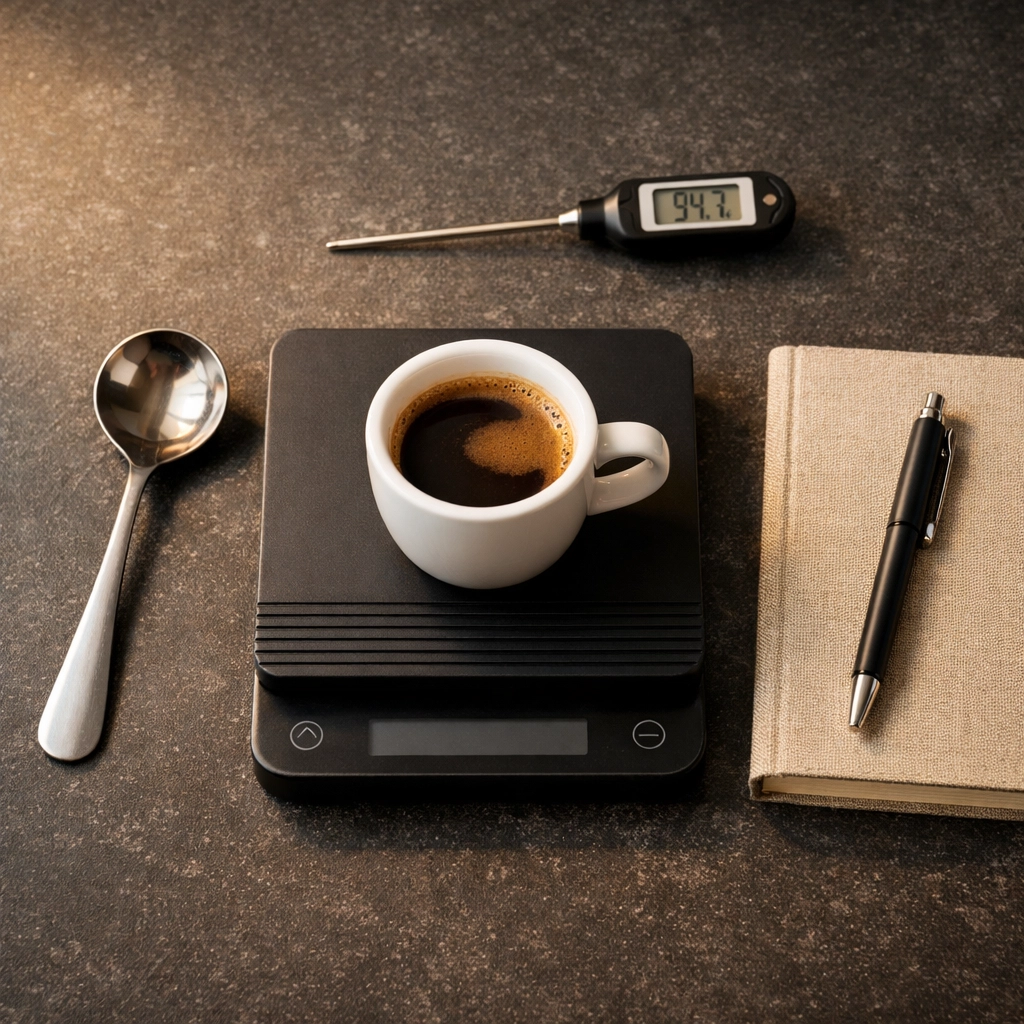
The Fix: Implement simple, daily QC checks. This means tasting the espresso (yes, even at 7 AM), checking the brew temperature (we usually recommend 88°C to 95°C depending on the roast), and using a coffee brewing calculator to ensure your ratios are spot on. If you aren't measuring, you aren't managing.
7. Failing to Tell the "Story"
Specialty coffee is a premium product. Your customers are paying more for it than they would at a fast-food chain, so they want to know why. If you’re serving a beautiful single-origin from Ethiopia but your staff can't tell the customer anything about it, you're missing a massive opportunity to build brand value.
A mistake many make is treating specialty coffee as a "secret menu" item. If you don't shout about your sourcing and your partnership with a quality roaster, you're just another coffee shop.
The Fix: Use your marketing materials. Put up cards explaining the origin, the processing method, and the tasting notes. Let people know you care about sourcing. When customers understand the effort that goes into their cup: from the farm to the roast: they become much more loyal.
Wrapping It Up
Wholesale specialty coffee is a journey, and honestly, you're going to make a few mistakes along the way. That's just part of the game. However, by avoiding these seven big ones, you’ll be miles ahead of the competition.
It’s all about the details. From the way you tamp the puck to the way you choose your coffee cups, every decision contributes to the final experience.
If you’re feeling a bit overwhelmed, don’t worry. We’ve helped hundreds of businesses find their feet. Whether you need a reliable wholesale partner, some expert training, or just a chat about which machine is right for you, we’re here to help.
Ready to take your coffee game to the next level? Head over to Limini Coffee and let’s start a conversation. We’d love to be part of your story. 🙂