When we talk about specialty coffee, we often get caught up in the romance of the origin. We talk about the high altitudes of Ethiopia, the volcanic soil of Guatemala, or the meticulous honey-processing in Costa Rica. We obsess over the roast profile, finding that perfect "sweet spot" where the acidity balances with the body. But there is a silent hero in this journey that often gets overlooked: the bag.
The coffee sack, whether it’s the rugged jute bag transporting green beans across the ocean or the sleek, valved pouch sitting on your cafe shelf, is the guardian of flavour. If you think about it, a coffee bean spends more time inside a bag than it does anywhere else. So, it stands to reason that the choice of coffee sacks matters, a lot.
If you’re looking to step up your coffee game, whether as a home enthusiast or a business owner, understanding the "suit" your coffee wears is just as important as the beans themselves. Let's dive into why the right packaging is the difference between a mind-blowing cup and a stale disappointment.
The Humble Beginning: The Jute Sack
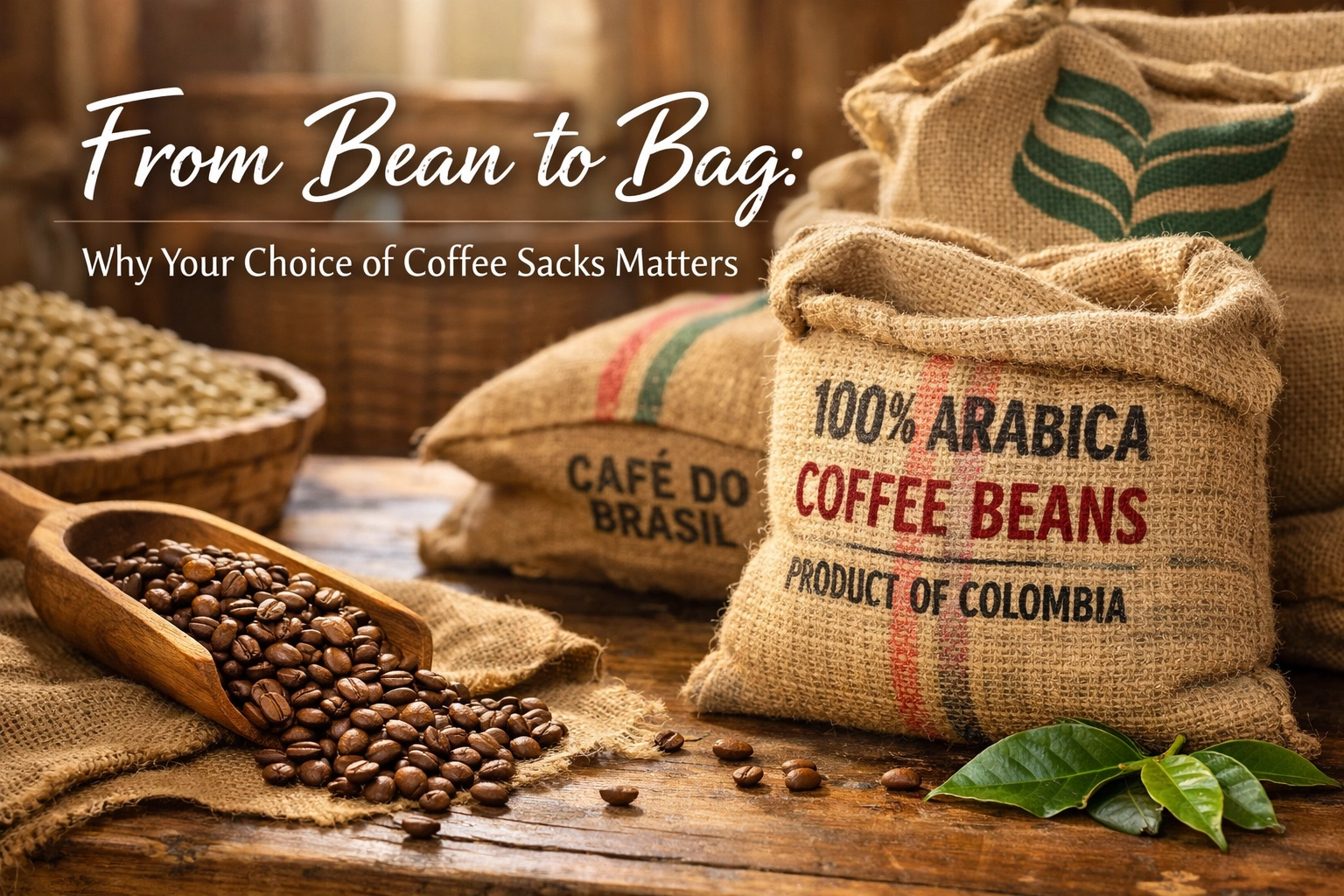
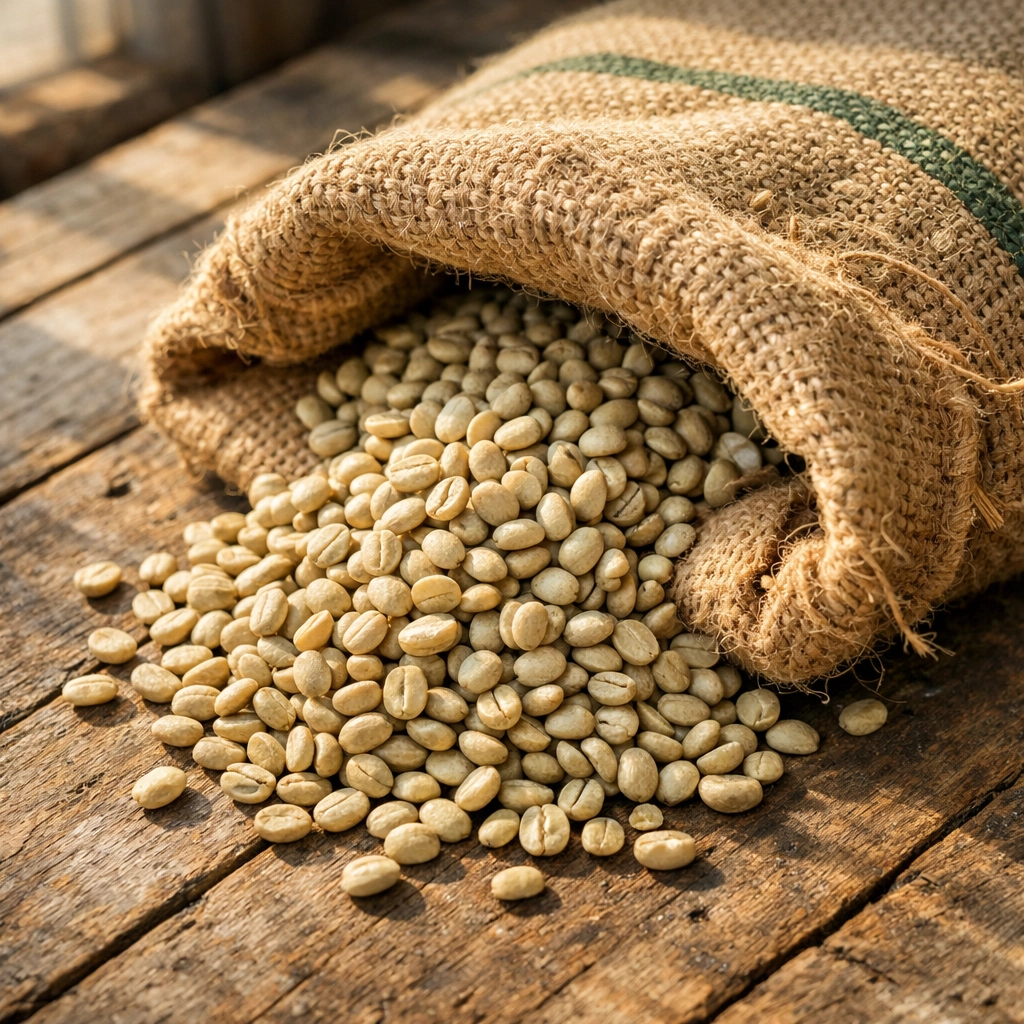
Before the beans are roasted to a beautiful chocolatey brown here at Limini Coffee, they travel thousands of miles as "green" beans. Historically, and still largely today, these beans are transported in large jute or sisal sacks.
Why jute? Well, it’s durable, breathable, and incredibly cheap to produce. In the world of wholesale specialty coffee, these 60kg or 70kg sacks are iconic. They represent the rugged, agricultural roots of our industry. However, jute has its drawbacks. It’s porous. If those sacks sit in a damp shipping container or a humid warehouse, the green beans can absorb moisture and off-flavours from the environment.
This is why many high-end producers now use "GrainPro" or similar hermetic liners inside the jute sacks. It’s like putting a high-tech raincoat inside a vintage tweed jacket. It keeps the moisture out and the freshness in. When we are sourcing our coffee, we always look for these extra steps because it ensures the beans arrive at our roastery in the UK exactly as the farmer intended.
The Roasted Bean’s Greatest Enemies
Once we roast those beans, the clock starts ticking. Roasted coffee is a volatile, sensitive product. It has four main enemies:
- Oxygen: Leads to oxidation and staleness.
- Moisture: Can cause mould and ruins the cellular structure.
- Light: UV rays break down the fats and oils that provide flavour.
- Heat: Accelerates all the chemical reactions that make coffee go "off."
The coffee sacks you choose for roasted beans need to be a fortress against these elements. This is why you’ll rarely see specialty coffee sold in simple paper bags anymore. While paper looks "crafty" and eco-friendly, it’s essentially a sieve for oxygen. Within days, your beautiful floral Kenyan coffee will taste like cardboard. Not something we would recommend.
Understanding the Anatomy of a Coffee Bag
If you’ve ever looked closely at a high-quality coffee bag, you’ll notice it’s not just a single layer of plastic. It’s a multi-layered construction designed for maximum protection.
The One-Way Valve: The Magic Component
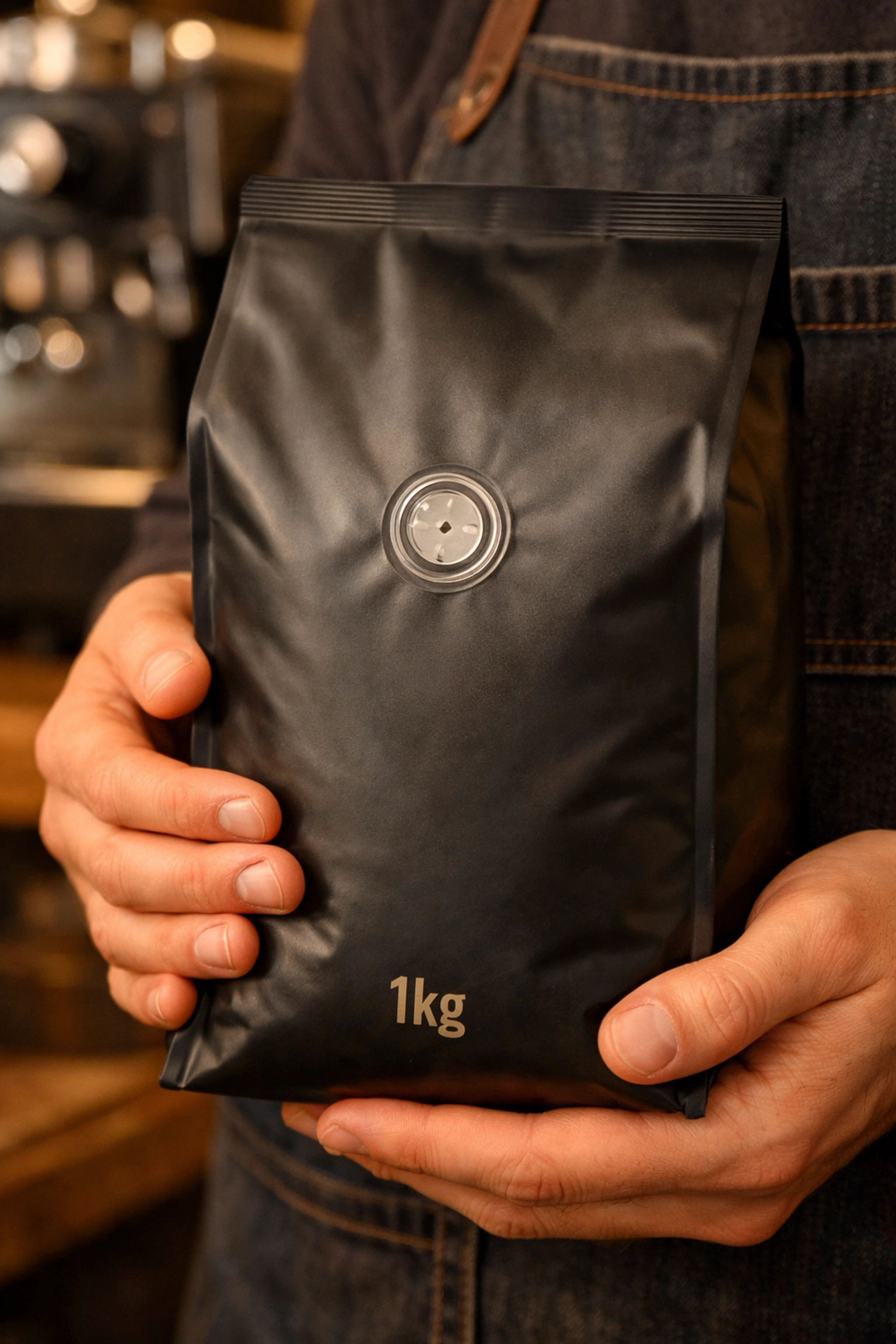
Have you ever seen that little plastic circle with tiny holes on a coffee bag? That is a one-way degassing valve, and it is arguably the most important invention in coffee packaging history.
Freshly roasted coffee releases a significant amount of Carbon Dioxide (CO2). If you seal fresh coffee in an airtight bag without a valve, the bag will eventually swell up and pop like a balloon. Not ideal for shipping! The valve allows the CO2 to escape while preventing oxygen from entering. This means we can bag the coffee immediately after roasting, locking in those aromatic oils before they have a chance to dissipate.
The Barrier Layers
Most wholesale specialty coffee bags use a combination of materials. Traditionally, this included a thin layer of aluminium foil because it’s a perfect barrier against light and oxygen. However, as we move toward more sustainable options, many roasters (ourselves included) are looking for high-barrier plastics that are easier to recycle or even compost.
Choosing the Right Shape for Your Business
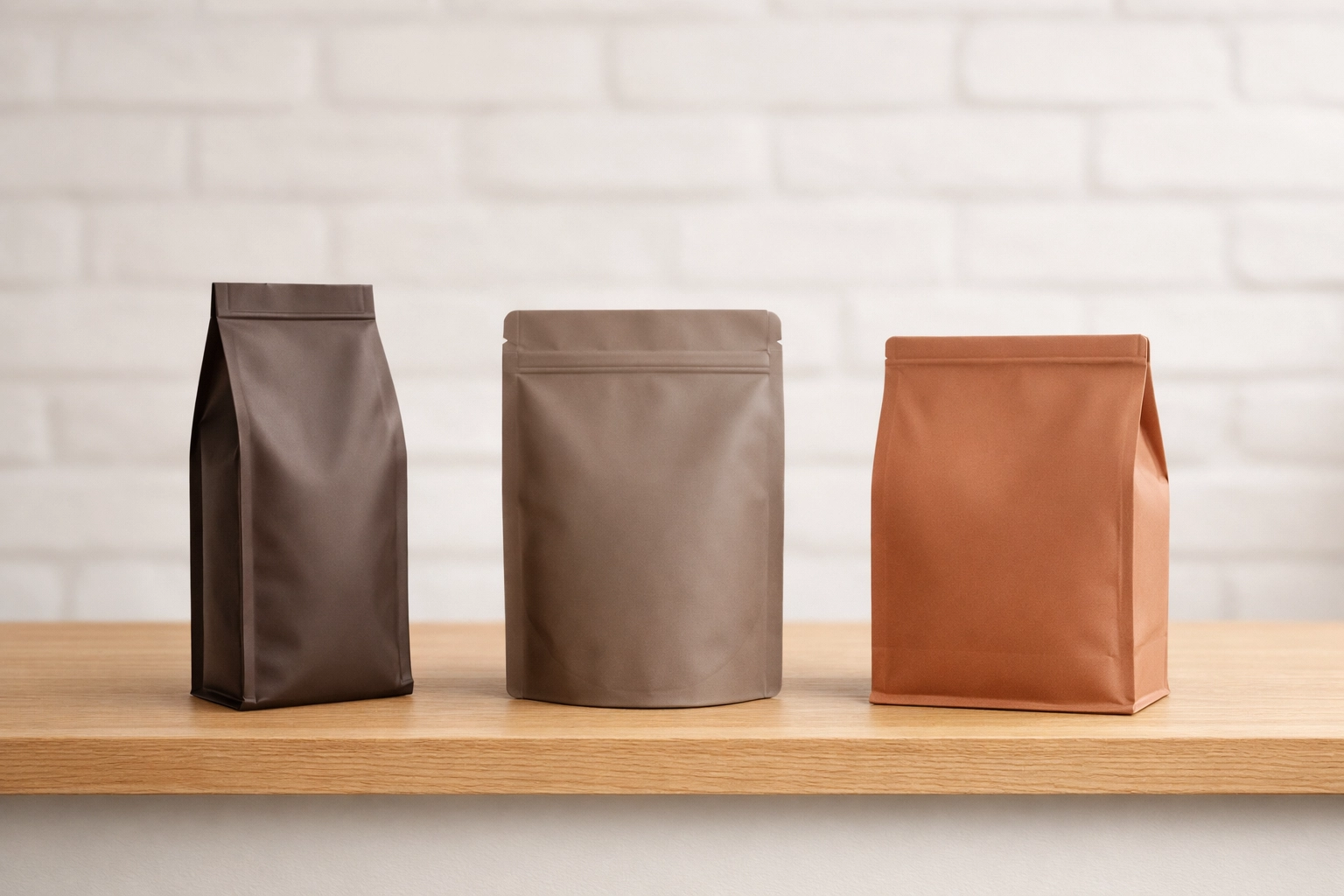
The shape of the bag isn't just about aesthetics; it’s about functionality and how it sits on a shelf or in a warehouse.
| Bag Type | Best For | Why? |
|---|---|---|
| Side Gusset | Wholesale/Bulk | Classic look, expands well, cost-effective for 1kg+ sizes. |
| Stand-Up Pouch (Doypack) | Retail/Home Use | Sits upright on shelves, usually features a resealable zipper. |
| Flat Bottom | Premium Retail | Combines the best of both; very stable and looks high-end. |
| Quad Seal | Large Shipments | Four corner seals provide extra strength for heavy 1kg or 2kg bags. |
If you are building a coffee shop, you’ll likely be dealing with 1kg side-gusset bags for your espresso. They are the workhorses of the industry. They stack easily, and because they don't have a lot of "dead air" space inside, the beans stay fresher for longer.
The Sustainability Shift: Coffee Sacks with a Conscience
Let's talk about the elephant in the room: waste. The coffee industry produces a lot of it. For a long time, the high-barrier bags required to keep coffee fresh were impossible to recycle because they were made of bonded layers of different materials (like plastic and foil).
The good news? Things are changing. We’re now seeing the rise of:
- Compostable Bags: Made from plant-based materials like cornstarch. These are great, but they often have a shorter "shelf life" barrier than traditional bags.
- Recyclable Mono-Plastics: Bags made from a single type of plastic (like LDPE) that can be recycled in most soft-plastic streams.
- Kraft Paper with Bio-Liners: Gives that natural look while still providing a decent barrier.
At Limini Coffee, we believe that the journey from bean to bag should be as "green" as possible. When you’re choosing coffee for your business or home via Scott’s affiliate link, you’re supporting a roaster that actually cares about where those bags end up.
Why Wholesale Packaging Matters for Quality Control
If you run a cafe, you know that consistency is king. You’ve done the barista training, you’ve dialled in your espresso equipment, and you’re weighing every shot. But if your coffee has been sitting in a poorly sealed 1kg sack for two weeks, all that effort is wasted.
Poorly made wholesale coffee sacks can develop micro-tears or have faulty valves. This leads to what we call "flat" coffee. The crema will be thin, and the vibrant acidity will have turned into a dull bitterness.
When you receive a delivery of wholesale specialty coffee, give the bags a gentle squeeze (don't pop them!). You should smell a burst of aroma through the valve, and the bag should feel firm. That’s the sign of a bag doing its job.
Branding: The Bag is Your Storyteller
Finally, let's talk about the "look." In a crowded market, your coffee sack is your silent salesperson. For us, the brand tone is warm and inviting. We want our bags to reflect the care we put into the roast.
For a coffee shop owner, the branding on the bag tells your customers what you value. Is it minimalism? Is it transparency about the farmer? Is it bold and energetic? The surface area of a flat-bottom bag or a quad-seal bag offers plenty of space for artwork, roast dates, and flavour notes.
We always recommend looking at your packaging as an extension of your cafe’s theatre. When a customer sees those bags lined up behind the counter, they should feel like they are about to experience something special.
Wrapping It Up (Literally)
So, why does your choice of coffee sacks matter? Because coffee is a living, breathing product. It’s a culmination of a year’s worth of work by a farmer, weeks of transport, and a precise roast by us here at the roastery. To put that precious cargo into a sub-par bag is just a real shame.
Whether you're looking for the best wholesale specialty coffee for your new venture or just want to make sure your morning brew stays fresh, pay attention to the bag. Look for the valve, feel the thickness of the barrier, and consider the environmental impact.
If you’re ready to taste the difference that proper sourcing and packaging make, head over to Limini Coffee and see what we’ve got roasting this week. We take the "bean to bag" journey very seriously so that all you have to do is enjoy the cup.
And remember, if you ever have questions about which coffee is right for your equipment or how to get the most out of your beans, we're always here to help. That’s the beauty of coffee : )