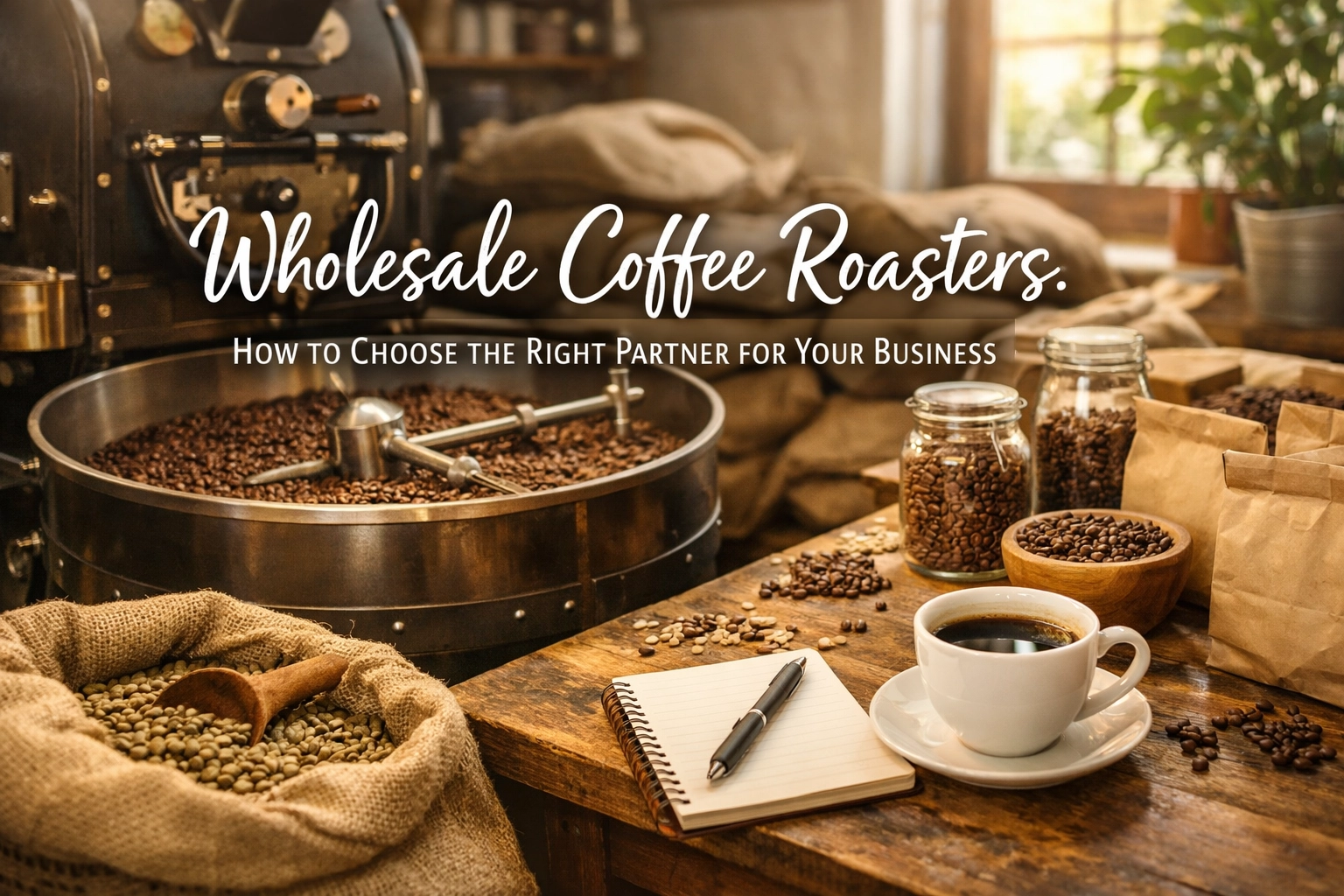
Choosing a wholesale coffee roaster is a bit like entering a long-term relationship. In the beginning, it’s all excitement and delicious samples. But as the months roll by, you need someone who shows up on time, listens to your problems, and: most importantly: doesn't let the quality slip when things get busy.
Whether you are opening a brand-new café or looking to upgrade your current offering, your roaster is arguably your most important business partner. They aren't just a supplier; they are the foundation of every cup you serve. Get it right, and you have a queue out the door. Get it wrong, and you’re just another shop selling "brown caffeine water."
So, how do you sift through the hundreds of wholesale coffee roasters out there to find "the one"?
Start with the Liquid in the Cup
It sounds obvious, doesn't it? But you’d be surprised how many people choose a roaster based on a cool logo or a cheap price point without actually putting the coffee through its paces.
When you’re looking at wholesale specialty coffee, quality is non-negotiable. You should be asking for samples: and lots of them. But don't just cupp them in a vacuum. Try them in the environment where they will actually be served. How does that espresso taste at 9:00 AM on a rainy Tuesday? How does it cut through milk?
We believe that a great wholesale partner should offer a range of profiles. Some customers want those funky, fruity natural process coffees that taste like blueberries and sunshine. Others just want a solid, chocolatey Brazilian blend that reminds them why they love coffee in the first place. A roaster like Limini Coffee understands this balance. We focus on consistency because we know that if the coffee tastes different every week, your baristas will struggle to dial it in, and your customers will notice.
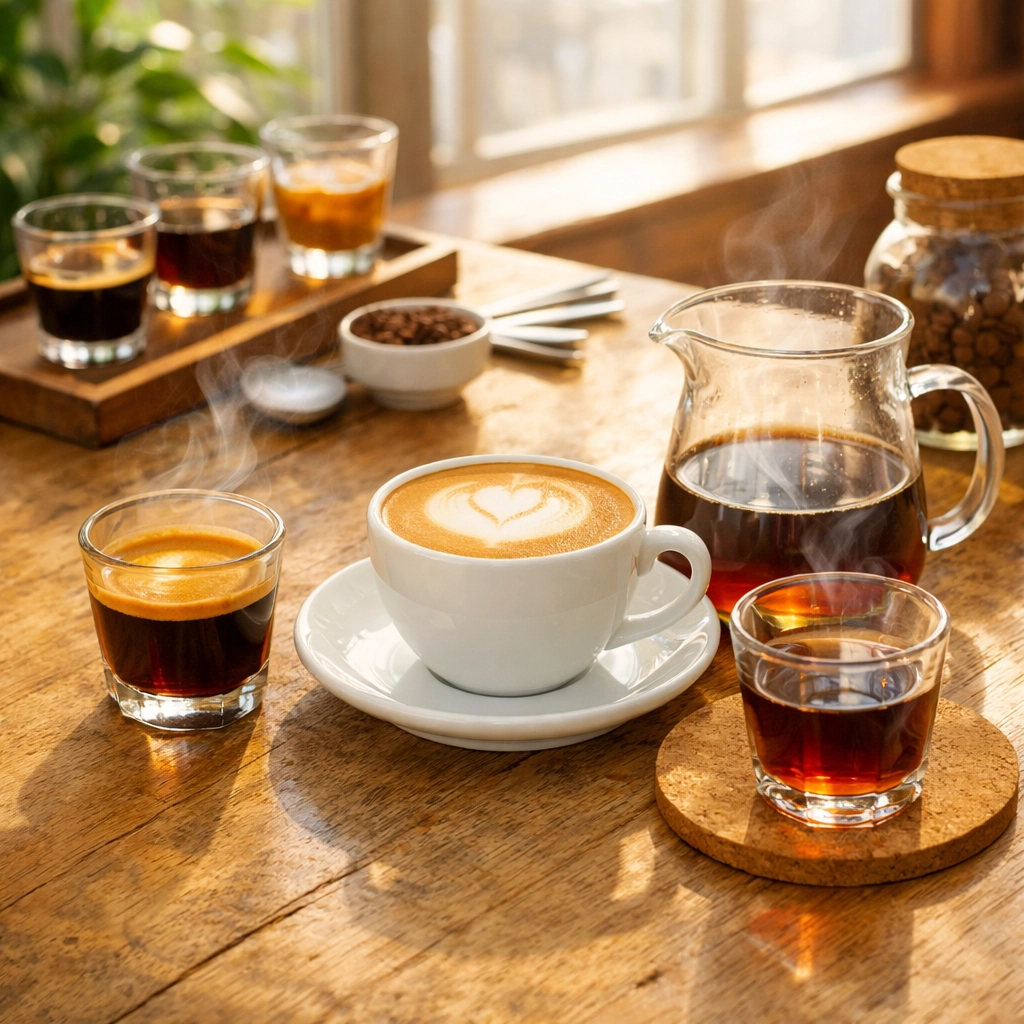
Roasting Philosophy: Science vs. Art
Is the roaster a "Third Wave" purist who only roasts light enough to keep the bean's "intrinsic soul" intact (translation: it might taste like sour grass to the uninitiated)? Or are they more traditional?
Understanding a roaster's philosophy is vital. Some roasters aim for high acidity and floral notes, which are incredible for filter coffee but can be a nightmare to balance in a high-volume latte environment. Others might roast a bit darker to ensure body and sweetness.
At Limini Coffee, we lean towards a warm, accessible style. We want the coffee to be specialty grade, sure, but we also want it to be delicious for everyone: from the coffee geek to the person just stopping by for their morning fix. We use precision equipment and software to track roast profiles, ensuring that the batch we roast today is identical to the one we roasted last month. This level of sourcing and roasting isn't just about being nerdy; it's about making your life easier.
It’s Not Just About the Beans: Equipment and Support
Here is a truth that some roasters won't tell you: the best beans in the world will taste like charcoal if your espresso machine is poorly calibrated or your water filtration is ancient.
When choosing between wholesale coffee roasters, look at what else they bring to the table. Do they offer equipment? Do they understand the technical side of the machines?
A true partner will help you with choosing espresso equipment that actually fits your volume. There is no point in buying a three-group monster if you only serve fifty coffees a day. Conversely, a domestic-grade machine will die a painful death in a busy commercial setting. We often talk about lever vs automatic machines; knowing the difference can save you thousands in maintenance and lost "theatre" points.
And then there’s the water. If your water isn't right, your coffee won't be right. A good roaster will ask you about your filtration system before they even ship the first bag.
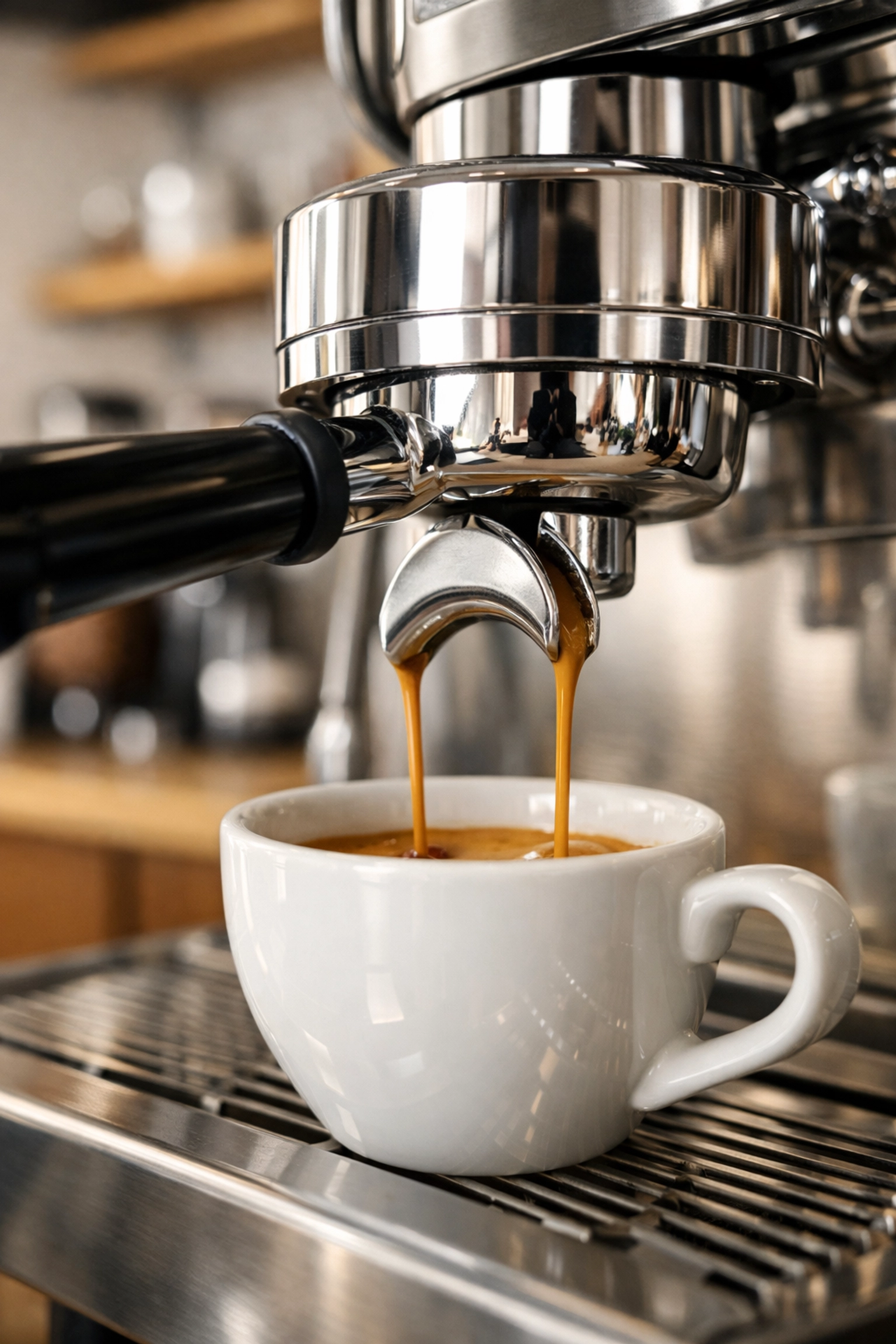
The Power of Barista Training
You can have the best beans from the best wholesale specialty coffee roaster and a £15,000 espresso machine, but if your barista doesn't know how to tamp correctly, it’s all for nothing.
Does the roaster offer training? And we don't just mean a quick twenty-minute "this is how you froth milk" session. We mean deep-dive barista training.
Training should cover:
- The Science of Extraction: Understanding yield, brew ratios, and extraction times (the sweet spot is usually between 25-30 seconds).
- Milk Chemistry: Learning how to create that silky microfoam at 140 °F / 60 ºC.
- Workflow: How to keep the quality high when there is a line of ten people out the door.
- Maintenance: Daily cleaning routines to prevent rancid oil buildup in the group heads.
We take this very seriously. We offer a comprehensive training overview because we know our coffee only shines when it's prepared with care. If your roaster isn't invested in your skills, they aren't a partner; they’re just a delivery service.
Sustainability and Sourcing (The Ethical Cup)
Your customers care about where their coffee comes from. Increasingly, "Specialty Coffee" implies a certain level of ethical responsibility.
Ask your potential roaster about their supply chain. Do they buy direct trade? Do they ensure farmers are paid well above the C-market price? Transparency is key here. You want to be able to tell your customers the story of the coffee they are drinking: the farm, the altitude, the processing method.
This isn't just marketing fluff. Better pay for farmers leads to better care for the crops, which leads to better quality beans for you. It’s a virtuous cycle. At Limini, we are open about how we source, ensuring that every bag of wholesale coffee we send out supports a sustainable future for the industry.
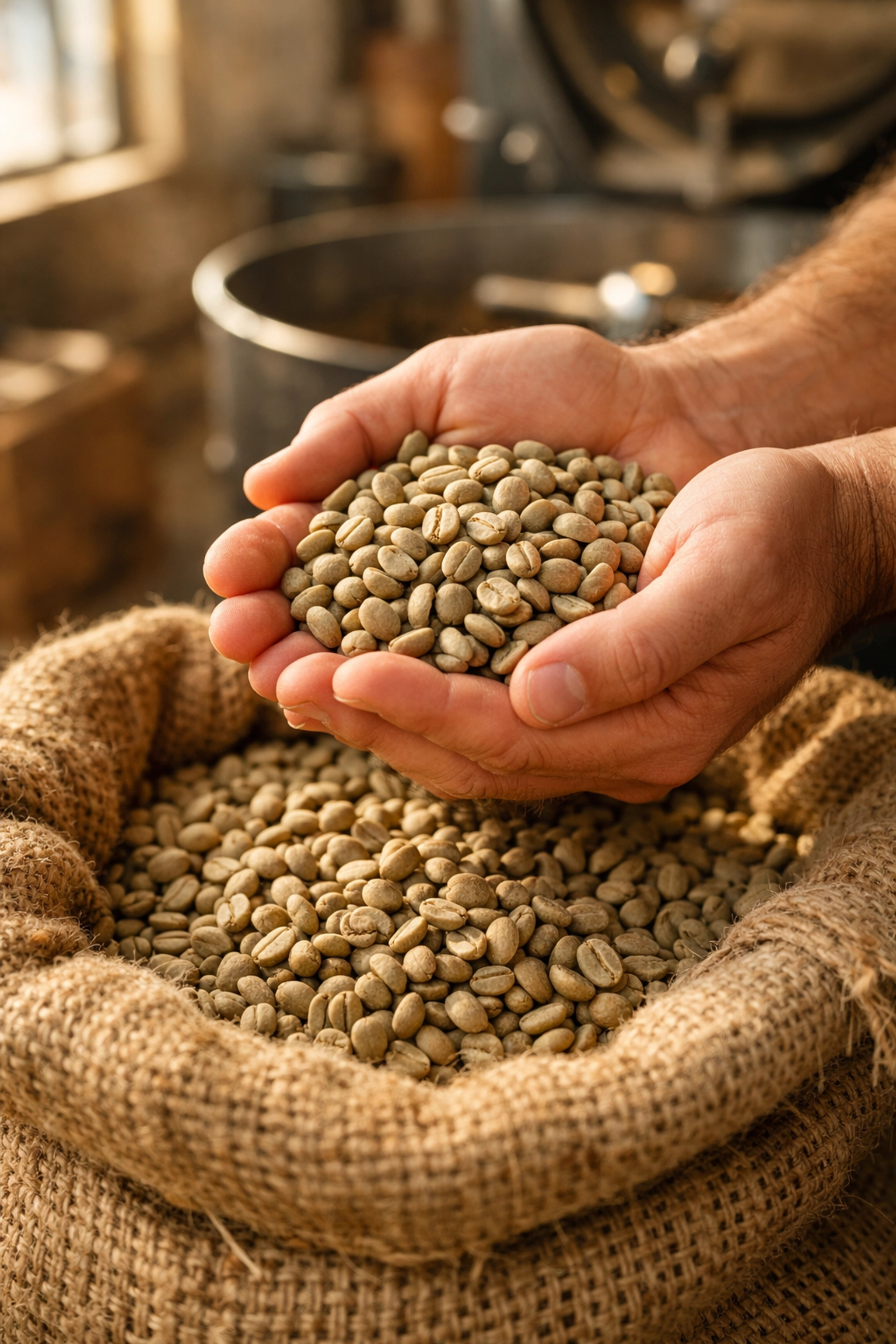
Logistics: The Unsung Hero of Freshness
Freshness is everything. Coffee is a fresh produce item, not a dry pantry staple. Once it's roasted, the clock starts ticking. Ideally, you want coffee that has rested for about 7 to 10 days to allow CO2 to degas (this helps with crema stability), but you definitely don't want coffee that has been sitting in a warehouse for three months.
Consider the roaster's location and their shipping schedule.
- How often do they roast? Daily is best.
- What is the lead time? If you run out of coffee on a Thursday, can they get a bag to you by Friday morning?
- Are they local? Being able to pop into the roastery or have a technician visit quickly is a massive advantage.
Distance matters. Choosing a roaster halfway across the country might seem fine until a delivery gets delayed by a storm and you’re forced to buy supermarket beans to stay open. (Which is just a real shame, honestly.)
The Hidden Costs: Pricing vs. Value
It is very tempting to go for the lowest price per kilo. Running a business is expensive, and margins are tight. However, the "cheap" option often ends up being the most expensive.
Why? Because cheap wholesale coffee roasters often cut corners on:
- Green Bean Quality: Leading to inconsistent flavour and more "quakers" (unripe beans).
- Support: Good luck getting someone on the phone when your grinder burrs are shot.
- Training: Without it, your staff will waste more milk and coffee through poor technique.
Instead of looking only at the price per bag, look at the value of the partnership. Does the roaster help you with shop fitting? Do they provide branded cups? Do they have a brewing calculator to help you manage your waste?
A slightly higher price per kilo that includes expert support and training will actually result in a more profitable business in the long run.
Why a Warm Partnership Matters
At the end of the day, coffee is a people business. You want to work with people you actually like. People who are as passionate about your café’s success as you are.
We’ve seen it happen many times: a café signs up with a big, corporate roaster only to feel like "Customer #4502." They lose that personal touch. We prefer a warmer approach. We love it when our wholesale partners call us up to chat about a new brew recipe or to ask for advice on adding some theatre to their service.
If you’re looking for a team that treats your business like their own, check out what we do at Limini Coffee. We’ve spent years refining our process to ensure we provide not just the beans, but the full package.
Final Thoughts: Making the Decision
Ready to choose? Here is a quick checklist to take with you:
- Taste: Do you actually love the coffee?
- Consistency: Have you tried multiple batches?
- Equipment: Can they help you source and maintain the right gear?
- Education: Is training included or available?
- Values: Do their sourcing ethics align with yours?
- Vibe: Are they easy to talk to and reliable?
Choosing the right wholesale specialty coffee partner is the first step toward building a coffee destination rather than just a coffee shop. Take your time, drink plenty of samples, and don't be afraid to ask the hard questions.
If you want to see how we handle things, have a look at our reviews to see what other business owners think. We’d love to be part of your journey. Reach out to us at Limini Coffee and let’s talk about how we can make your coffee business extraordinary.