So, you’ve opened your doors, the espresso machine is gleaming, and you’ve got a bag of beans on the shelf with more origin data than a census report. But for some reason, the numbers aren't adding up. Your wholesale specialty coffee strategy feels like it’s stalled.
We see it all the time. Many café startups jump into the world of specialty coffee with heaps of passion but without a solid roadmap for the B2B side of things. Choosing the right coffee suppliers is about more than just finding the highest SCA score; it’s about building a sustainable business model.
If you feel like you’re treading water, don't worry. We’ve identified the 10 biggest reasons why your current strategy might be failing, and, more importantly, how you can fix it.
1. You’re Chasing "Shiny Objects" Over Consistency
We all love a rare, experimental fermented micro-lot that tastes like strawberry shortcake. It’s exciting! But if your entire wholesale strategy is built on coffees that are only available for three weeks a year, you’re creating a logistical nightmare for yourself and your customers.
The problem is that specialty coffee often prioritizes novelty over reliability. If your "house" espresso changes its flavour profile every month, your regular customers (the ones who pay your rent) will get confused.
The Fix: Balance your menu. You need a rock-solid, consistent "anchor" coffee. Here at Limini Coffee, we focus on consistency so that your customers get the same delicious experience every single morning. Save the wild micro-lots for a rotating guest slot.
2. Your Supplier is a Ghost After the Invoice is Paid
Are you working with wholesale coffee roasters who disappear the moment the beans are delivered? If your supplier doesn't offer ongoing support, you’re essentially flying solo.
Specialty coffee is a high-maintenance product. Things go wrong. Grinders drift. Pumps fail. If you can't get your supplier on the phone when your machine is acting up at 8:00 AM on a Saturday, your strategy is broken.
The Fix: Partner with a roaster that views you as a partner, not just a customer. Look for someone who offers comprehensive wholesale support and actually picks up the phone. A great supplier should feel like an extension of your team.

3. You’ve Overlooked the "Barista Gap"
You can buy the best coffee in the world, but if the person behind the machine doesn't know how to dial it in, it’s going to taste like battery acid. A common mistake is investing thousands in beans but pennies in people.
The "Barista Gap" is the distance between the quality of the green coffee and the quality of the final cup. If your staff doesn't understand extraction, tamping, or milk chemistry, your brand will suffer.
The Fix: Training is not a one-time event; it’s a culture. We believe that professional coffee barista training is the single best investment you can make. We’re talking about learning the science, understanding why 9 BAR of pressure is the standard and how to adjust for humidity.
4. Equipment Misalignment
We’ve seen it happen: a beautiful boutique café buys a single-group machine for a high-volume train station location. Or, conversely, a tiny shop buys a three-group monster that takes up all their counter space and uses too much power.
If your equipment isn't suited to your volume, your workflow will collapse. A machine that can't keep up with back-to-back lattes will lead to "thin" milk and lukewarm shots.
The Fix: Be honest about your projected volume. Talk to experts about choosing espresso equipment that matches your business model. Whether it’s a workhorse like a La Spaziale or something more manual, it has to fit the "flow" of your shop.
5. You’re Ignoring the "Theatre" of Coffee
In the specialty world, we sometimes get so bogged down in brew ratios and TDS (Total Dissolved Solids) that we forget that coffee is an experience. Customers don't just want caffeine; they want the ritual.
If your shop feels like a sterile laboratory, you’re missing out on the emotional connection that builds loyalty.
The Fix: Embrace the theatre of coffee. Show off the process. Talk to your customers about the sourcing of the coffee. Let them see the steam, smell the freshly ground beans, and watch the crema settle.
6. Milk Quality is an Afterthought
Did you know that in most UK cafés, over 70% of drinks sold are milk-based? If you’re spending all your time worrying about the roast profile but buying the cheapest milk possible and steaming it to 80 ºC (176 °F), you’re sabotaging your specialty status.
Milk is a complex ingredient. Overheating it kills the sweetness and destroys the texture.
The Fix: Treat milk with the same respect as coffee. Learn about understanding milk and aim for that perfect "wet paint" microfoam at around 60 ºC to 65 ºC (140 °F to 149 °F). This is where the magic happens.

7. Lack of Brand Clarity
Who are you? Are you the "fast and friendly" local spot, or the "geeky and precise" brew bar? Many businesses fail because they try to be everything to everyone.
If your marketing says "high-end specialty" but your shop sells dusty bags of pre-ground coffee from six months ago, the message is conflicted.
The Fix: Define your niche. If you’re working with Limini Coffee, use our story to bolster yours. Be transparent about your quality standards and stick to them. Don't be afraid to be "the place that does espresso right."
8. Pricing for 2019 in 2026
The coffee market is volatile. Between climate change affecting harvests and rising logistics costs, the price of "green" coffee isn't what it used to be. If you haven't adjusted your wholesale margins or your retail prices recently, you’re likely bleeding money.
Many café owners are afraid to raise prices for fear of losing customers. But here’s the truth: quality-conscious customers will pay for a better product if you explain the value.
The Fix: Run the numbers. Use a coffee brewing calculator to understand your exact cost per cup. Factor in waste, milk, and energy. If your margins are thin, it’s time to rethink your pricing strategy.
9. Neglecting Machine Maintenance
A dirty machine makes bad coffee. It’s a simple fact. If your group heads are caked in old oils and your steam wands are crusty, your "specialty" beans will taste like burnt rubber.
Furthermore, lime-scale is the silent killer of espresso machines. If you aren't looking after your equipment, you’re looking at a massive repair bill down the line.
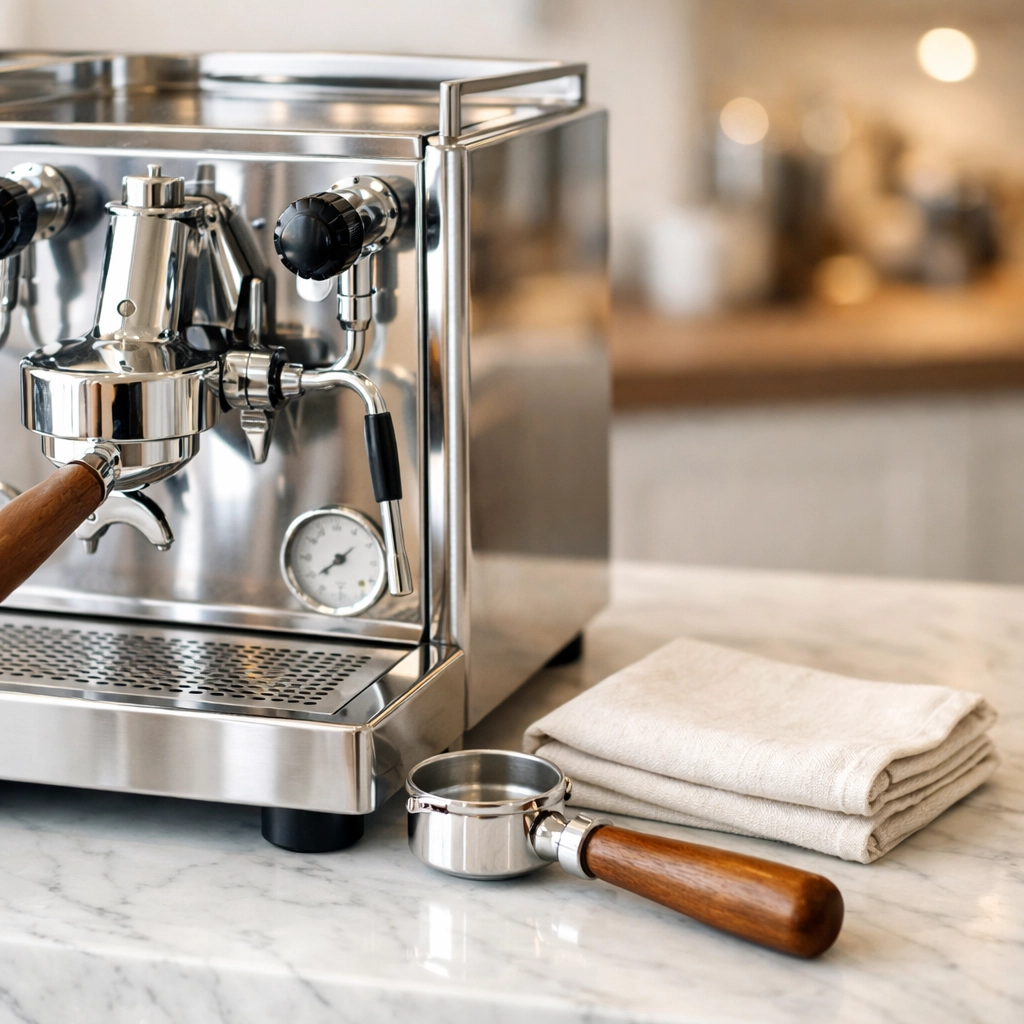
The Fix: Implement a strict cleaning schedule. We’ve put together a guide on looking after your espresso machine that every staff member should read. Backflush daily. Clean your steam wands after every use. It’s not just about hygiene; it’s about flavour.
10. You Aren't Measuring Success
How do you know if your strategy is working? If you’re just looking at the bank balance at the end of the month, you’re missing the nuances.
Are your customers returning? Is your waste percentage too high? Are your baristas confident?
The Fix: Use data. Track your coffee-to-milk ratios. Read your reviews. Ask for feedback from your coffee suppliers. At Limini, we love helping our partners dive into the details of their business to find where improvements can be made.
Putting it All Together
Fixing a wholesale specialty coffee strategy isn't about changing everything overnight. It’s about small, intentional shifts. It’s about realizing that the coffee in the bag is only 50% of the equation, the rest is how you prepare it, how you present it, and the support system you have behind you.
Whether you are just building a coffee shop or looking to revamp an existing one, remember that you don't have to do it alone. The world of wholesale coffee roasters is vast, but finding a partner who cares about your success as much as their own roast profile is the real "secret ingredient."
Ready to fix your strategy? We’d love to help you get your coffee business exactly where it needs to be. Check out our training overview to see how we can level up your team, or browse our wholesale options to find your next favorite bean.
And hey, if you're looking for a roaster that actually treats you like a human being, come and say hi to us at Limini Coffee. We’ve been through the ups and downs of the industry, and we’re here to make sure your journey is a successful one.
Because at the end of the day, life is too short for bad coffee: and even shorter for a bad business strategy. 🙂