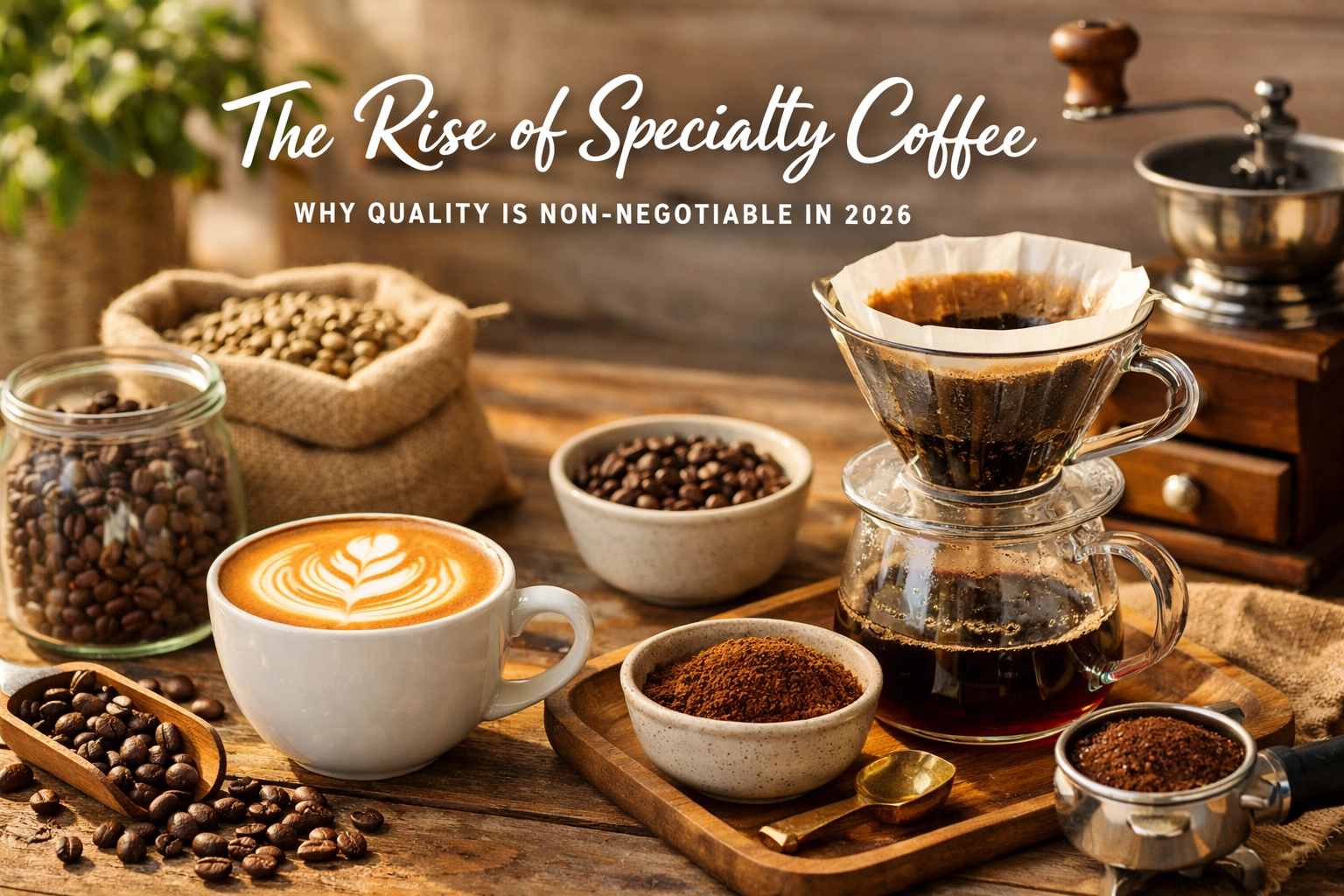
It is Monday, the 9th of March, 2026. If you’ve stepped into a coffee shop lately, you might have noticed that the "standard" latte just doesn’t look, or taste, the way it did five years ago. The world of coffee has shifted beneath our feet, and honestly? We couldn’t be happier about it.
Gone are the days when "speciality" was a niche term reserved for folks who spent their weekends measuring TDS (Total Dissolved Solids, basically a measure of how much coffee is actually in your water) with a refractometer. In 2026, quality isn't just a nice-to-have; it's the very baseline for survival in a market that has become increasingly sophisticated and, frankly, a lot more precious.
But why now? Why has the bar been raised so high that "average" coffee feels like a relic of the past? Well, it’s a bit of a perfect storm.
The Climate Reality: Why Good Beans Are Harder to Find
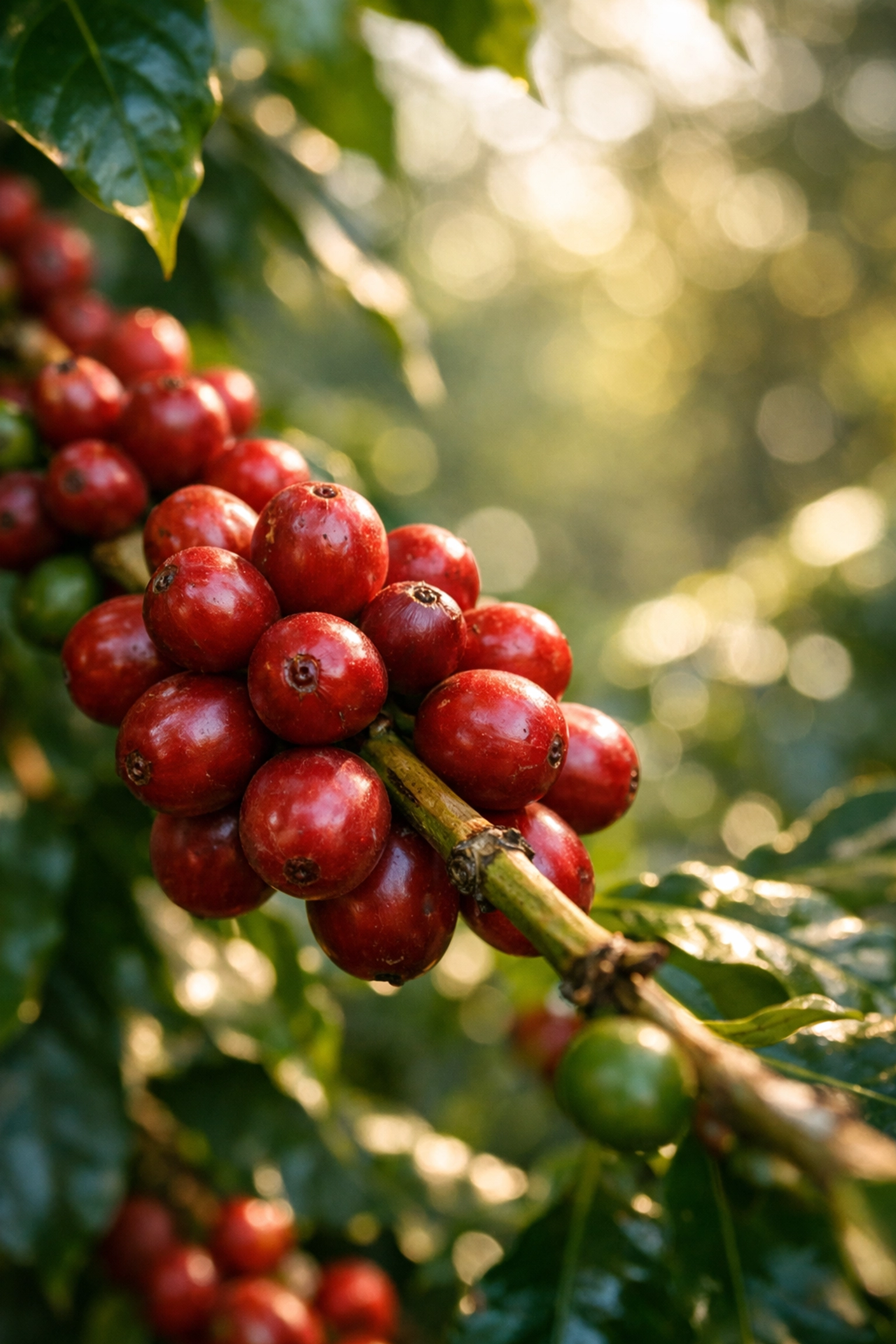
Let’s be real for a second. Growing coffee has never been easy, but in 2026, it’s become a bit of a high-stakes gamble. Climate instability has moved from "theoretical threat" to "daily headache" for our farming partners. We’re seeing reduced yields in classic regions, increased pest pressure, and weather patterns that make us want to give Mother Nature a very stern talking-to.
Because the supply of high-quality Arabica is under such pressure, authentic speciality coffee has become a scarce commodity. It’s less abundant and more precious than ever before. For us at Limini Coffee, this means that our sourcing process has to be more rigorous than ever.
When coffee is this hard to produce, you can't afford to waste it on mediocre roasting or poor brewing. Quality differentiation has shifted from being a competitive advantage to an essential survival mechanism. If you aren't serving something special, you’re essentially fighting for scraps in a diminishing market.
The 2026 Consumer: They Know Their Stuff
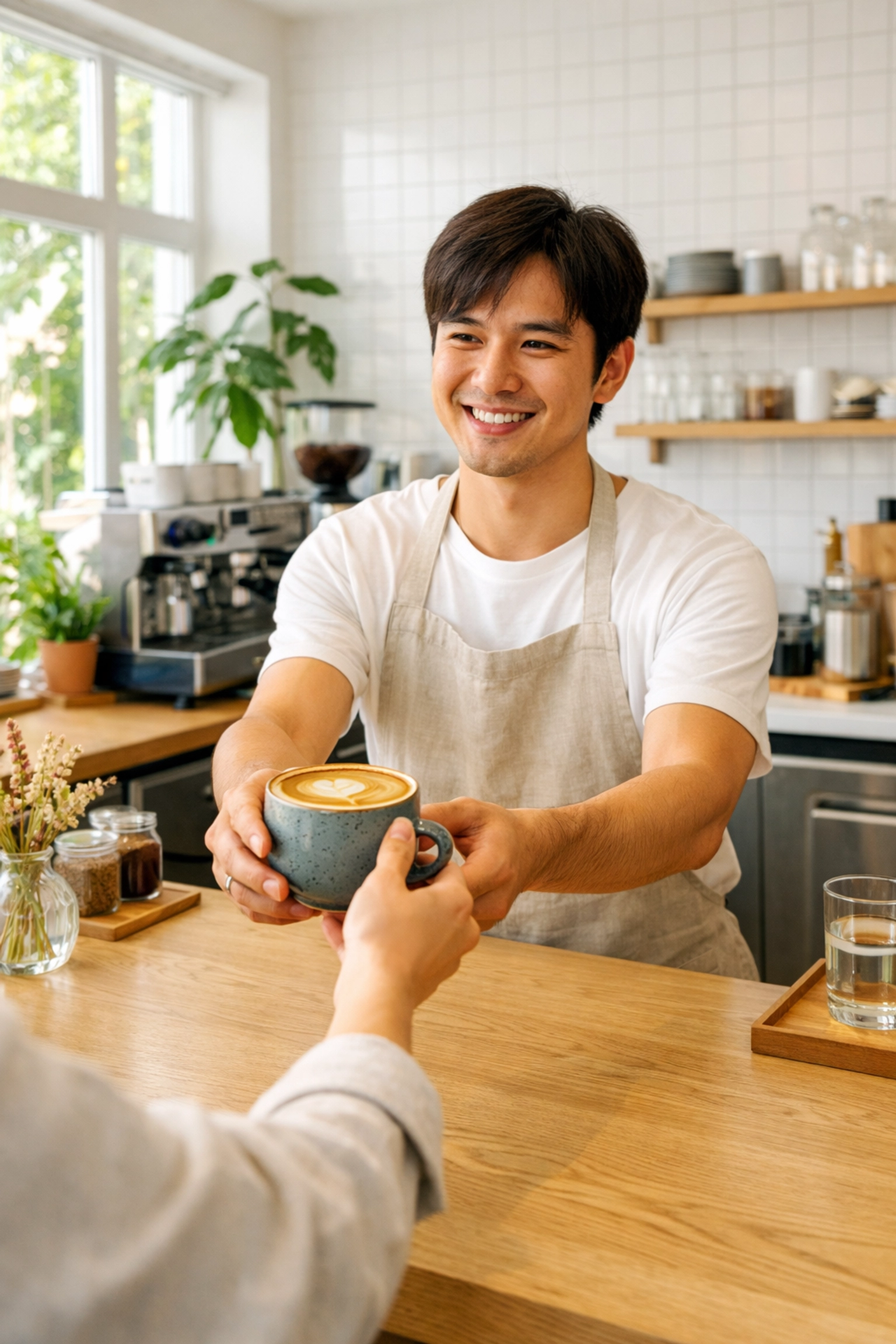
If you think your customers aren't paying attention, think again. The modern coffee drinker is more informed than a barista was a decade ago. They aren’t just looking for a caffeine hit; they’re looking for a lifestyle alignment.
Research shows that around 73% of speciality coffee purchases are now explicitly labeled as "sustainable." But here’s the kicker: in 2026, sustainability isn't a marketing slogan, it’s a requirement. Consumers are demanding origin transparency. They want to know the name of the farm, the altitude it was grown at, and exactly how the workers were treated. They want evidence, not adjectives.
This shift in consumer expectation means that if you’re running a business, your choice of wholesale specialty coffee partner is the most important decision you’ll make. You need a roaster who doesn’t just provide beans, but provides a story and a verified ethical trail.
Why Wholesale Specialty Coffee is Your Business’s Secret Weapon
We often talk to shop owners who are tempted to cut corners on their bean budget. We get it, running a business is expensive. But in 2026, "budget coffee" is the most expensive mistake you can make. Why? Because the modern palate is unforgiving.
When you invest in high-quality wholesale specialty coffee, you aren't just buying a product; you're buying insurance against a one-star review. You’re buying a reason for a customer to walk past three other shops to get to yours.
At Limini, we believe that the relationship between a roaster and a coffee shop should be a partnership. It’s about more than just a delivery van turning up once a week. It’s about ensuring that the crema on your espresso (that beautiful, golden-brown foam that signals a perfect extraction) is thick and persistent, and that your milk texturing is silky enough to make a silk merchant jealous.
Technical Excellence: The 9 BAR Truth
Quality isn't just about the beans, though. You could have the most expensive Geisha beans in the world, but if your equipment is sub-par or your barista is having a "bad hair day," it’s all for naught.
In 2026, we’ve seen a massive leap in espresso equipment. We’re talking about machines with incredible thermal stability, keeping temperatures within a fraction of a degree (usually around 92°C to 94°C for most speciality roasts).
Why does this matter? Because coffee is chemically complex. It’s full of volatile aromatics and delicate acids. If your water is too hot, you’ll extract bitter, ashy notes. Too cool, and you’ll get a sour, under-extracted mess. When we talk about 9 BAR of pressure, we aren't just being nerdy (well, maybe a little). That pressure is what forces the water through the tightly packed puck of coffee to create the emulsion we love.
Speaking of pucks, don't even get us started on tamping. If your tamp isn't level, the water will find the path of least resistance (channeling), and your coffee will taste… well, sad.
The "Theatre" of Coffee
In a world where you can get a decent-ish coffee from a pod machine at home, why do people still go to coffee shops? It’s for the experience. We call it the theatre of coffee.
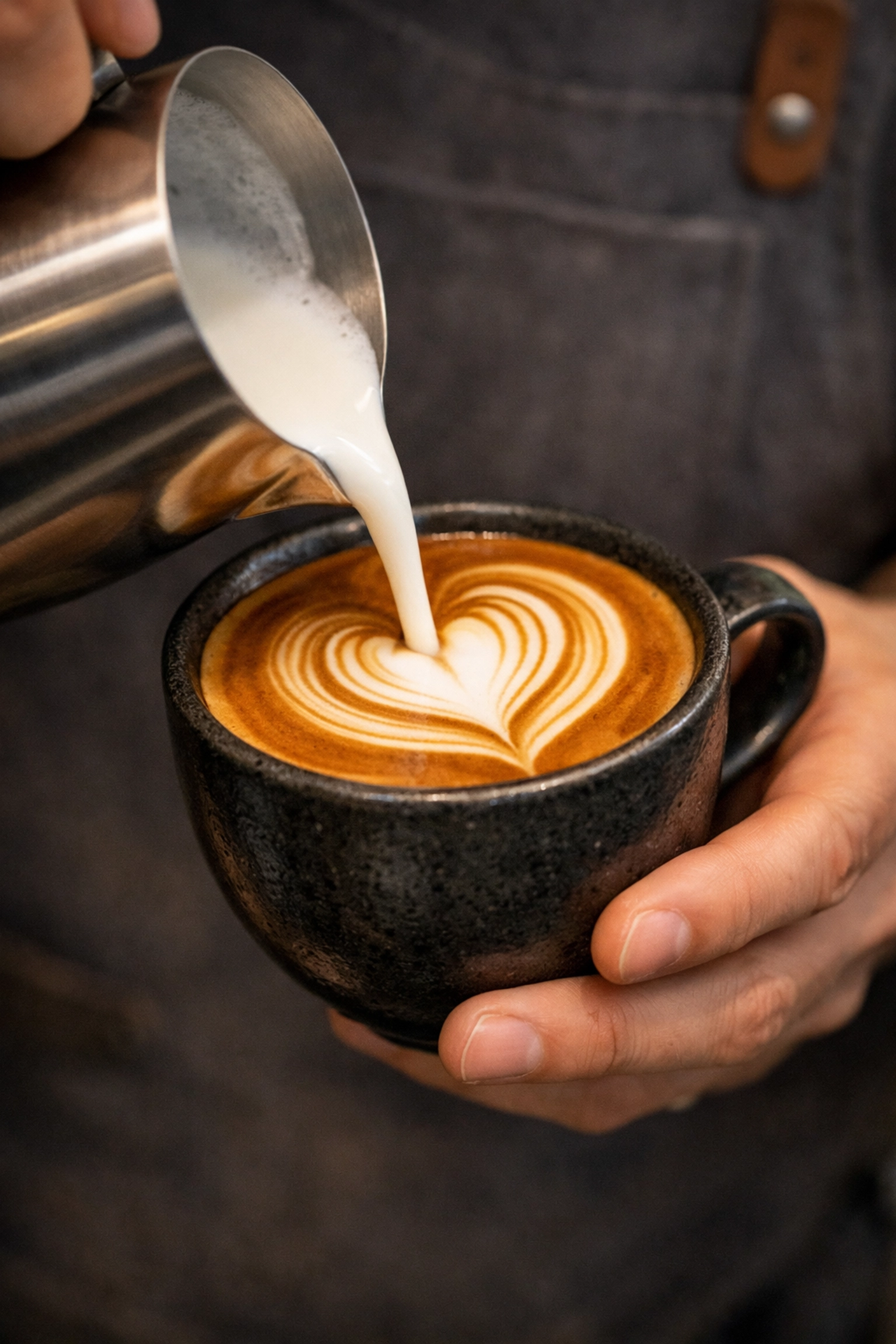
It’s the sound of the grinder, the aroma that hits you when you walk in, and the visual delight of a perfectly poured flat white. But theatre only works if the actors know their lines. This is why barista training is no longer optional. A barista who understands the difference between a latte and a cappuccino is the bare minimum. We need baristas who understand milk chemistry: how the proteins and fats interact at 60°C to create that sweet, velvety microfoam.
Sustainability is the Foundation, Not the Roof
We mentioned it earlier, but it bears repeating: sustainability is non-negotiable. In 2026, if you aren't thinking about your carbon footprint or the social impact of your supply chain, you’re already behind.
At Limini, we take this seriously. We know that for specialty coffee to exist in 2036, we have to act now. This involves everything from how we source to the cups we recommend for your shop.
It’s a systemic challenge. If farmers aren't paid a living wage, they’ll stop growing coffee. If they stop growing coffee, the speciality market collapses. It’s that simple. Quality is intrinsically linked to ethics. You cannot have a high-scoring coffee from a farm that is struggling to survive.
How to Stay Ahead of the Curve
So, you’re convinced. Quality is king, and 2026 is the year of the "no-compromise" cup. What do you do next?
- Evaluate Your Beans: Are you using truly wholesale specialty coffee? Does it have a clear origin story?
- Audit Your Equipment: Is your machine performing at its best? If you're looking for something that offers both beauty and precision, maybe it's time to look at lever or automatic options.
- Invest in People: Gear is great, but a trained human is better. Check out our training overview to see how you can level up your team.
- Know Your Numbers: Use tools like a brewing calculator to ensure consistency. In 2026, "winging it" is a recipe for disaster.
Final Thoughts (Over an Espresso, Naturally)
We’ve come a long way since the early days of the "second wave" coffee chains. We’re in an era where coffee is respected as much as fine wine or craft spirits. It’s an exciting time to be in the industry, but it’s also a demanding one.
Quality isn’t a destination; it’s a constant pursuit. It’s about checking your grinder settings every morning, tasting your espresso throughout the day, and never settling for "good enough."
If you’re ready to take your coffee game to the next level, we’d love to help. Whether you’re building a new coffee shop or just want to improve your current offering, we've got the expertise (and the beans) to make it happen.
To find out more about what we do and how we can support your business, get to know us here at Limini Coffee. Let’s make sure that in 2026, your coffee is the one everyone is talking about.
Because at the end of the day, life is far too short for bad coffee. Don't you agree? 🙂