Ever stood in front of a shelf of coffee bags or scrolled through our online shop and felt a bit like you’re trying to decode a secret language? We’ve all been there. You see terms like "washed process," "altitude 1800m," or "notes of bergamot and stone fruit," and you just want to know one thing: will this taste good in my French Press tomorrow morning?
Choosing the right speciality coffee isn't just about picking the bag with the prettiest label (though we do love a good label). It’s about the marriage between the bean and how you choose to brew it. If you pair a delicate, light-roasted Ethiopian Yirgacheffe with an intense espresso extraction, you might end up with something that tastes more like a battery than a berry. And that is just a real shame.
So, we’ve put together this guide to help you navigate the world of fresh roasted coffee beans. We want you to get the absolute best out of every gram you buy from Limini Coffee. Whether you’re a V60 purist or an espresso enthusiast, let's find your perfect match.
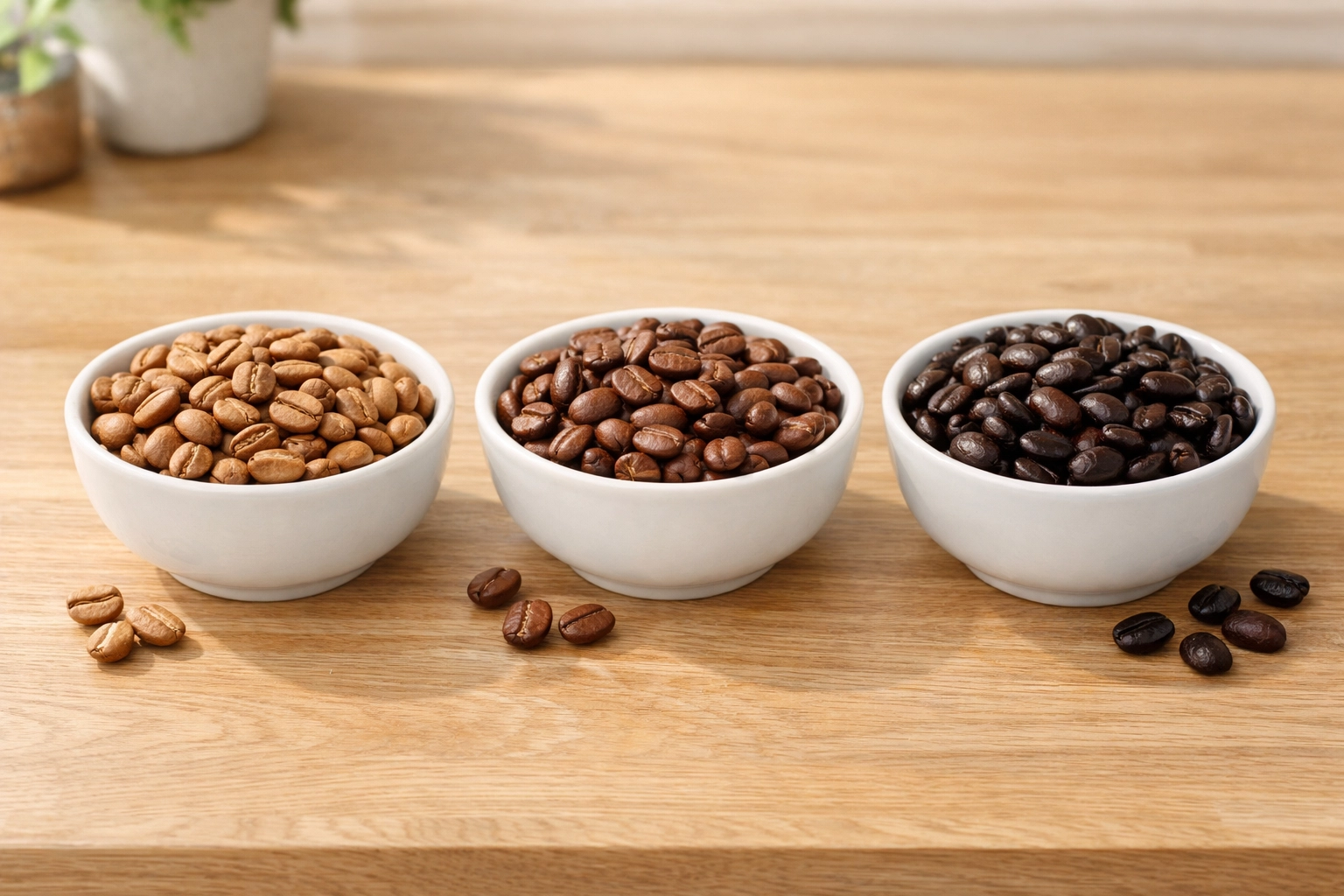
Understanding the Roast Spectrum
Before we dive into the specific gear, we need to talk about the roast. In the speciality world, we tend to roast lighter than the "charcoal" style you might find in a supermarket. Why? Because we want you to taste the actual coffee, not just the fire it was roasted over.
Light Roasts: These are usually bright, acidic, and tea-like. They preserve the unique characteristics of the terroir: the soil, the climate, and the altitude. If you like fruity, floral, or citrusy notes, this is your playground.
Medium Roasts: The "sweet spot" for many. You get a balance of that origin acidity but with more developed sweetness, often tasting like milk chocolate, nuts, or caramel.
Dark Roasts: In the speciality world, a "dark" roast is still carefully managed. It’s rich, bold, and low in acidity, with heavy notes of dark chocolate and toasted nuts. It’s what most people think of when they imagine "coffee-flavoured coffee."
The Pour-Over (V60, Chemex, Kalita Wave)
The Vibe: Clean, elegant, and nuanced.
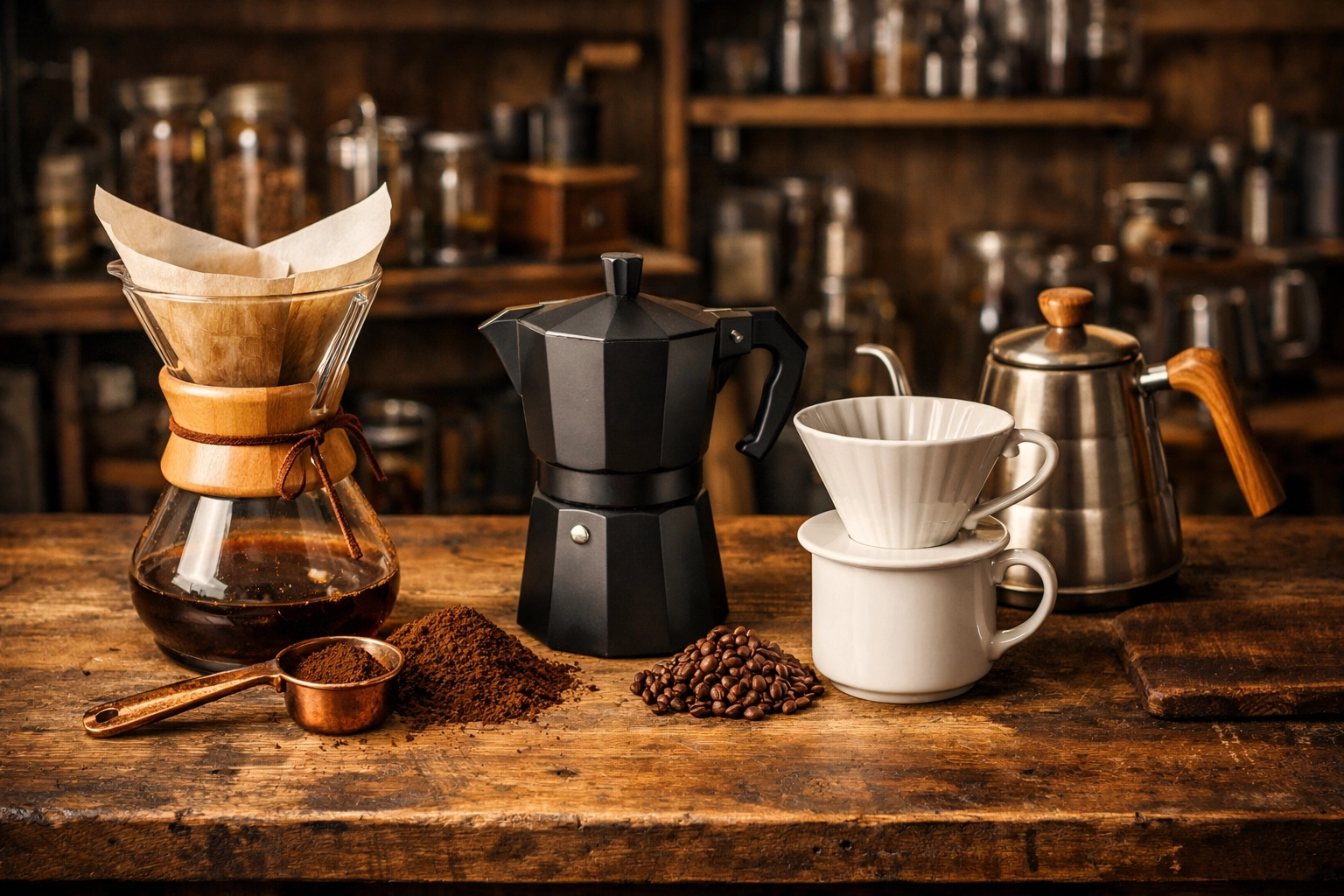
If you’re using a V60 or a Chemex, you’re looking for clarity. These methods use paper filters that catch most of the coffee oils and fine particles, leaving you with a very "clean" cup. It’s the best way to experience the subtle complexities of single-origin beans.
For pour-overs, we almost always recommend Light to Medium Roasts.
Why? Because these methods excel at highlighting acidity. A light-roasted Kenyan coffee brewed through a V60 can taste like blackcurrant juice. It’s incredible. If you use a very dark, oily roast here, the paper filter might struggle, and the delicate brewing process won't be able to punch through that heavy roast profile.
Our Tip: If you're looking for that "wow" factor, check out our single-origin reviews and pick something with "citrus" or "floral" notes. And remember, because pour-over is so delicate, your water temperature matters. We suggest around 92 °C to 94 °C (198 °F to 201 °F).
You can find our latest seasonal gems at Limini Coffee.
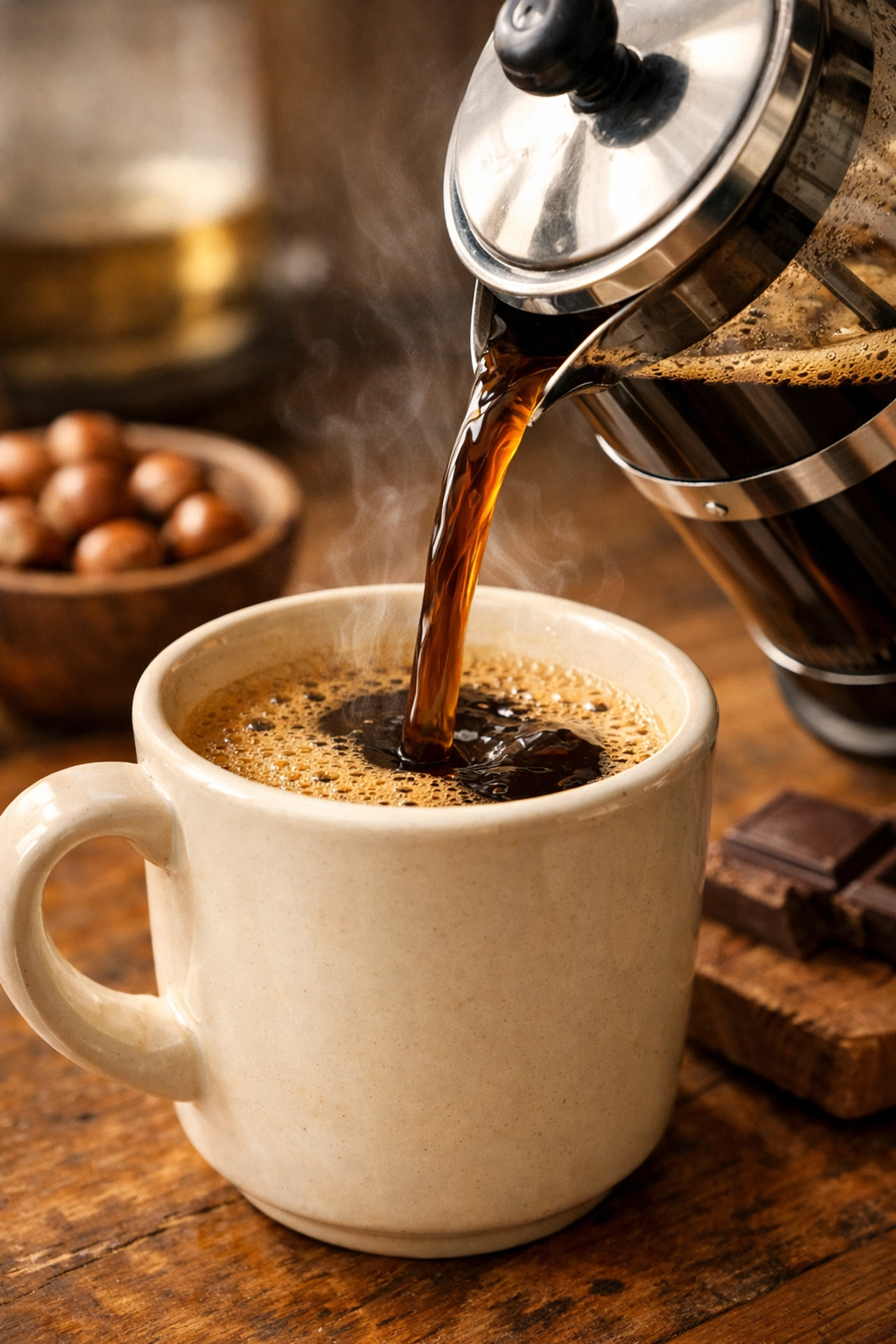
The French Press (Cafetière)
The Vibe: Heavy, textured, and comforting.
The French Press is an immersion method. The coffee sits in the water for the entire brew time (usually about 4 minutes), and because the filter is a metal mesh rather than paper, all those delicious oils and tiny particles end up in your cup.
For the French Press, we suggest Medium to Dark Roasts.
Because this method produces a full-bodied cup, you want a coffee that can stand up to that weight. A medium-dark Brazilian coffee with chocolate and hazelnut notes is a match made in heaven for a cafetière. Natural process coffees (where the cherry is dried on the bean) also work brilliantly here because they contribute to a heavier, syrupy mouthfeel.
Is it worth trying a light roast? You can, but it often feels a bit "thin" in a French Press. To be honest, we prefer the richness of a more developed roast for our morning plunger coffee.
The Espresso Machine
The Vibe: Intense, concentrated, and demanding.
Espresso is a different beast entirely. You’re forcing water through a fine bed of coffee at 9 BAR of pressure. This intensifies everything: the sweetness, the bitterness, and especially the acidity.
For home espresso, we usually recommend Medium-Dark Roasts or Espresso Blends.
Blends are designed specifically to be balanced. They take the best parts of different beans to ensure you get a thick crema and a balanced taste that isn't too "sharp." If you use a very light-roasted bean for espresso, it can often taste incredibly sour (what we call "under-extracted") unless you have a very high-end machine and a lot of patience.
Wait, what about "Single Origin Espresso"?
It’s definitely a thing! But it’s a bit more advanced. If you’re just starting out, grab a reliable blend from Limini Coffee. It will be much more forgiving while you're dialling in your grinder.
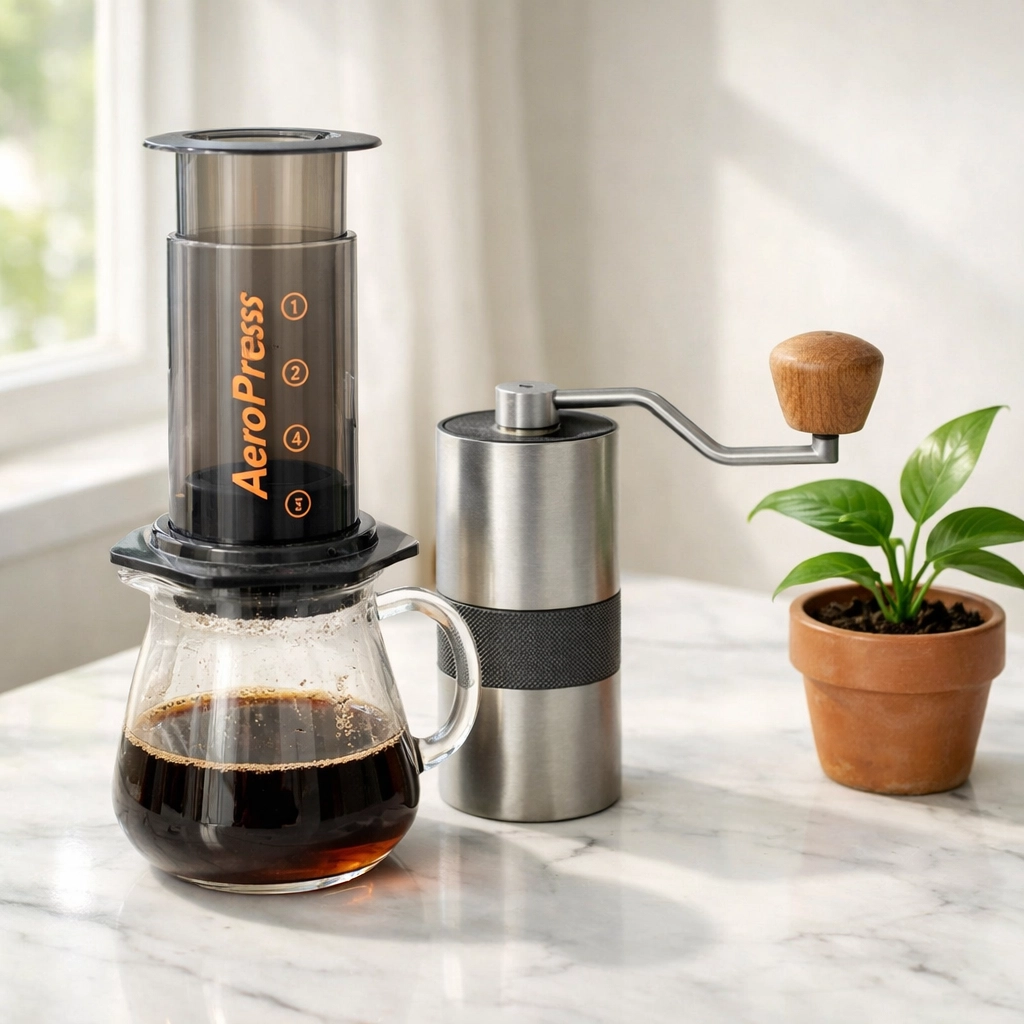
The AeroPress: The Great All-Rounder
The Vibe: Versatile, fun, and indestructible.
The AeroPress is the "choose your own adventure" of the coffee world. Because it uses both immersion and pressure, you can make it do almost anything.
Want a concentrated, espresso-style shot? Use a medium-dark roast and a fine grind. Want a clean, pour-over style cup? Use a light roast, a coarser grind, and a paper filter.
We love the AeroPress because it’s so forgiving. If you’re traveling or just want a quick cup at the office, it’s the way to go. We’ve found that Medium Roasts tend to be the most "idiot-proof" for the AeroPress, providing enough sweetness to be enjoyed black or with a splash of milk.
Cold Brew
The Vibe: Smooth, sweet, and refreshing.
Cold brew is made by steeping coarse grounds in cold water for 12 to 24 hours. Because there’s no heat involved, the acidity isn't extracted in the same way. The result is an incredibly smooth drink that is naturally sweet.
For cold brew, we recommend Natural Process coffees or Dark Roasts.
The long steep time pulls out a lot of the fermented, fruity sweetness from natural process beans. Alternatively, a dark roast will give you a "cold cocoa" vibe that is absolutely brilliant over ice. If you're unsure how much coffee to use, our coffee brewing calculator can help you get the ratios right.
Does the Processing Method Matter?
You’ll often see "Washed," "Natural," or "Honey" on our bags. Does it affect your brewing method? Absolutely.
- Washed coffees tend to be cleaner and more acidic. Perfect for V60 and Chemex.
- Natural coffees are funkier, fruitier, and have more body. They are the superstars of the French Press and Cold Brew.
- Honey process sits somewhere in the middle, offering a lovely syrupy sweetness that works great in an AeroPress.
We take great care in sourcing our coffee to ensure these characteristics shine through, no matter how you brew.
Summary: The Quick Cheat Sheet
If you’re in a rush, here is the "too long; didn't read" version of how to pair your beans:
| Brewing Method | Recommended Roast | Flavor Profile |
|---|---|---|
| V60 / Chemex | Light | Floral, Citrus, Tea-like |
| French Press | Medium to Dark | Chocolate, Nutty, Full Body |
| Espresso | Medium-Dark / Blend | Balanced, Sweet, Thick Crema |
| AeroPress | Any (Versatile) | Balanced to Intense |
| Moka Pot | Medium-Dark | Bold, Traditional |
| Cold Brew | Dark or Natural | Smooth, Low Acidity, Sweet |
Why Freshness is the Non-Negotiable
We can talk about roast levels and brewing methods all day, but if your coffee was roasted six months ago and sat in a clear jar on a sunny windowsill, it won't matter what method you use. It will taste like cardboard.
Speciality coffee is a fresh product. We believe it's at its best between 7 and 30 days after roasting. This allows the beans to "degas" (get rid of excess CO2) while retaining all those volatile aromatics that make coffee smell like heaven.
This is why we roast to order. When you buy from Limini Coffee, you aren't getting something that’s been sitting in a warehouse. You’re getting the freshest possible expression of that bean.
A Final Word on Water and Grinding
You’ve got the right beans for your method. Now, don't trip at the finish line!
First, use filtered water. Your cup of coffee is about 98% water. If your tap water tastes like chlorine, your coffee will too. It’s a real shame to spend money on high-quality beans only to mask them with poor water.
Second, grind fresh. If you take one thing away from this blog, let it be this: buy a burr grinder. Grinding right before you brew preserves the oils and aromas that disappear within minutes of the bean being broken open. If you're not sure which grinder to get, we have plenty of advice on choosing equipment.
And if you ever feel like you need a bit of hands-on help, we love seeing people at our barista training sessions. There is nothing quite like learning to dial in a machine with a pro by your side.
So, ready to upgrade your morning ritual? Head over to the Limini Coffee shop and find a roast that matches your favourite brewer. Your taste buds will thank you. 🙂