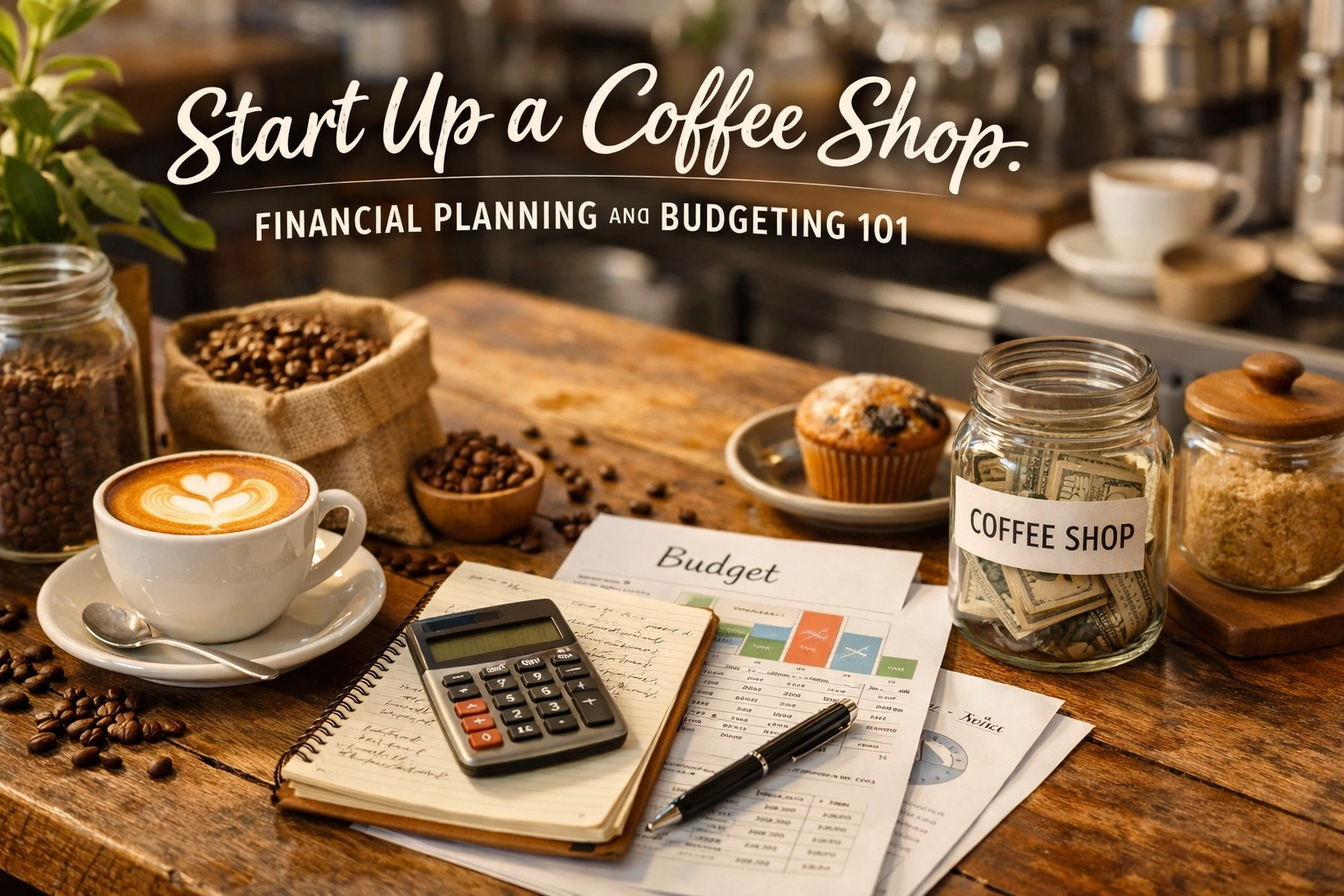
So, you’ve decided to take the plunge. You want to start up a coffee shop. We love that for you, really, we do. There is nothing quite like the smell of freshly roasted beans in the morning and the hum of a busy cafe. But before you start picking out the perfect shade of sage green for the walls or dreaming about latte art championships, we need to have a little "kitchen table" talk about the numbers.
Opening a coffee business is a beautiful, chaotic, and rewarding journey, but it’s also one paved with invoices, spreadsheets, and the occasional late-night panic about the price of milk. If you don't get the financial planning right from day one, that dream of yours can quickly feel like a very expensive hobby.
At Limini Coffee, we’ve helped countless entrepreneurs transition from "coffee lover" to "coffee shop owner." We’ve seen what works, what breaks, and where the money usually disappears. So, let’s break down the cold, hard cash you’ll need to make this happen.
The Big Question: How Much Does It Actually Cost?
The honest answer? It depends. (We know, that’s everyone’s least favourite answer.)
Depending on whether you’re looking at a tiny coffee cart or a full-blown high-street bistro, your startup costs can swing wildly. Based on industry standards and our own experience helping folks set up, you’re looking at a range anywhere from £50,000 to £300,000+.
Here is a quick look at the typical ranges for different formats:
| Format | Estimated Startup Cost Range |
|---|---|
| Mobile Coffee Cart / Kiosk | £40,000 – £90,000 |
| Coffee Food Truck / Van | £50,000 – £120,000 |
| Small Sit-down Shop (15-20 seats) | £100,000 – £200,000 |
| Large Sit-down / Drive-thru | £200,000 – £400,000+ |
Why such a big gap? Because the "shell" of your building dictates everything. If you find a space that was previously a cafe, you might save a fortune on plumbing and electrics. If you’re converting an old shoe shop, prepare to spend a lot of time (and money) with contractors.
Breaking Down Your Startup Capital
When you start up a coffee shop, your initial investment usually splits into five main buckets. Let’s look at where the money goes before you even sell your first flat white.
1. The Build-Out and Shop Fitting
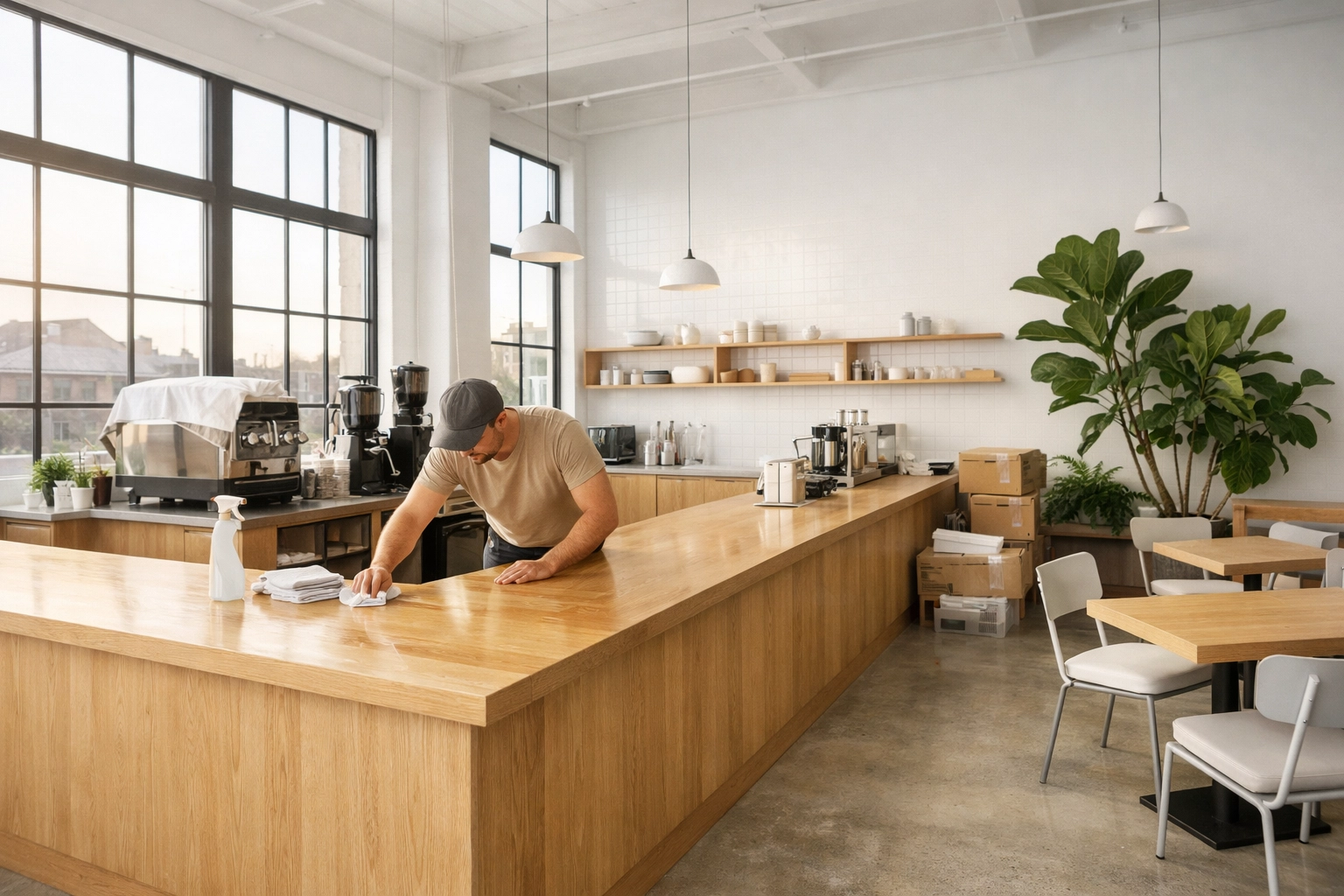
This is usually the biggest "ouch" moment. You’re looking at floors, counters, lighting, painting, and, most importantly, plumbing. Coffee machines need water and drainage. If those aren't in the right place, you're looking at expensive jackhammering. We always recommend reading up on building a coffee shop and shop fitting to avoid common mistakes that eat into your budget.
2. Equipment (The Heart of the Operation)
Please, we beg you, do not skimp here. Your espresso machine and grinder are the workhorses of your business. While it’s tempting to buy a used machine off an auction site for a "bargain," we’ve seen that go south too many times. Used gear often comes with hidden limescale issues or worn-out pumps that fail right when you have a queue out the door.
We’re big fans of quality, which is why we talk so much about choosing espresso equipment. You need something reliable that can handle 9 BAR of pressure consistently all day long. If you want to see how the "insides" of a professional machine work to understand why they cost what they do, take a look at the La Spaziale workings.
3. Professional Fees and Licenses
Solicitors for the lease, planning permission, health and safety certifications, and insurance. These are "invisible" costs, but they add up. Budget at least £2,000 – £5,000 for these boring but essential bits.
4. Initial Inventory
You can’t open without coffee beans, milk, syrups, pastries, and those all-important coffee cups. For a speciality shop, your initial stock will likely cost between £2,000 and £5,000.
5. Training
You can have a £10,000 machine, but if your team doesn't know how to dial in the grind or understand milk chemistry, the coffee will be mediocre. Investing in coffee barista training before you open is non-negotiable for a speciality roaster vibe.
The "Golden Ratios" of Operating Expenses
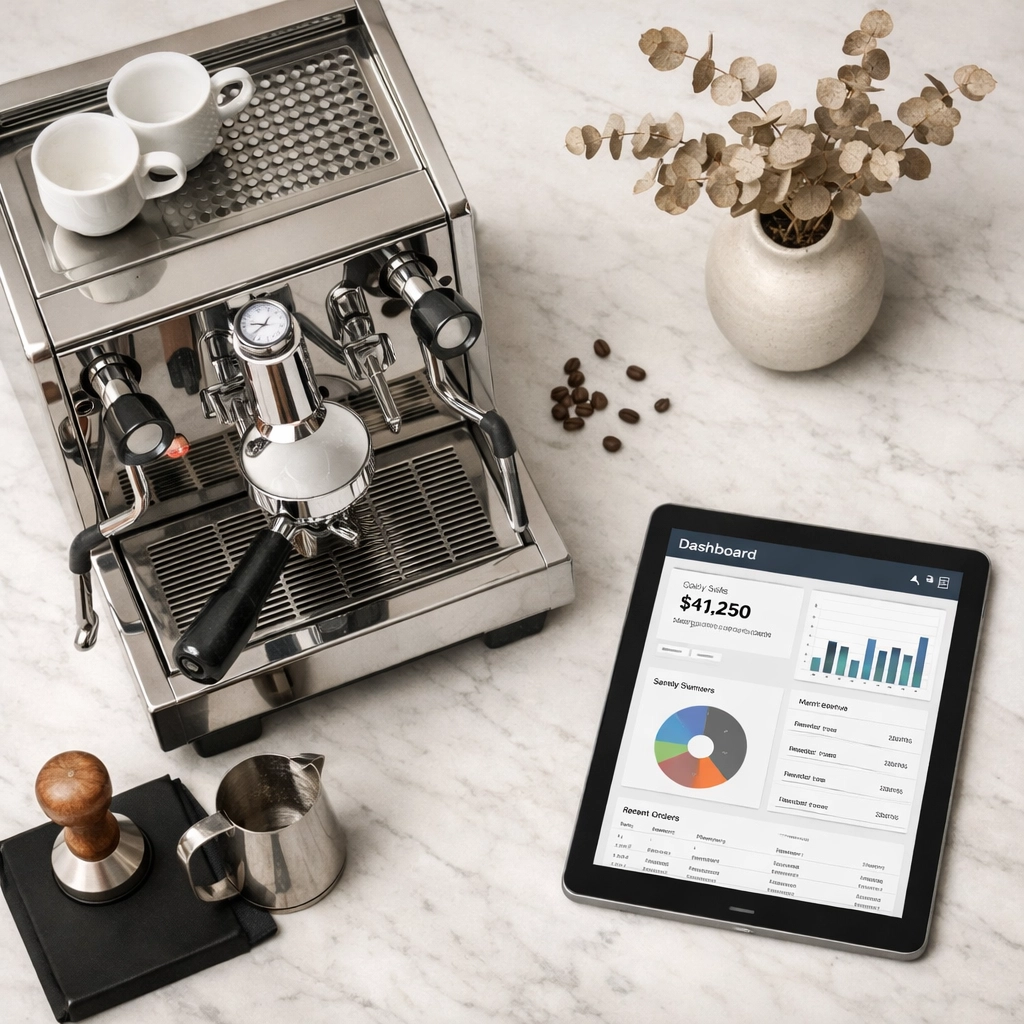
Once the doors are open, the game changes. Now you’re managing "The Burn": the monthly costs of staying alive. In the coffee world, we follow some pretty standard ratios to keep a business profitable.
- Labor Costs (30-35% of sales): This includes your baristas' wages, payroll taxes, and your own salary (don't forget to pay yourself!).
- Cost of Goods Sold / COGS (20-30% of sales): This is the cost of the beans, the milk, the sugar, and the cups. This is where your wholesale specialty coffee relationship becomes vital.
- Rent and Occupancy (15-20% of sales): A classic rule of thumb is that your rent should never exceed 15% of your monthly sales. If you’re paying £3,000 a month in rent, you need to be doing at least £20,000 in turnover to stay healthy.
- Operating Expenses (10-15%): Utilities, marketing, WiFi, and that weird insurance premium you forgot about.
The Working Capital Trap
This is the number one reason coffee shops fail in their first year. Owners spend every last penny on the build-out and the machine, leaving the bank account at zero on opening day.
You must have at least 6 months of operating expenses in cash reserves before you open.
Why? Because it takes time to build a "tribe." You might not turn a profit for the first few months. You need to be able to pay your staff and your electricity bill even if it rains for three weeks straight and foot traffic drops. If you’re looking for a partner to help you navigate these early stages and provide more than just beans, you can find our wholesale and support options here.
Saving Money Without Sacrificing Quality
We’re all for being frugal, but there’s a difference between "saving money" and "cutting corners."
Where to be frugal:
- Furniture: Upcycled or second-hand tables and chairs can look incredible and save you thousands.
- Marketing: You don't need a billboard. Use Instagram, TikTok, and local community groups. Word of mouth is free and far more effective.
- Decor: A bit of paint and some plants go a long way. You don't need Italian marble counters on day one.
Where to spend the money:
- The Grinder: Most people focus on the espresso machine, but the grinder is actually more important for flavor consistency.
- The Coffee: If you use cheap, oily beans, people won't come back. Speciality coffee is your primary product: make it great.
- The Staff: Pay a little more for great people. A grumpy barista will kill your business faster than an expensive rent ever could.
Planning for the Unexpected
When you start up a coffee shop, things will go wrong. A pipe will leak. A fridge will stop cooling. A staff member will call in sick on your busiest Saturday.
Basically, you need a contingency fund. We usually suggest adding a 10% "oops" buffer to your initial startup budget. If your budget says £100,000, try to have £110,000. It’s better to have it and not need it than to be £5,000 short when the health inspector tells you that you need an extra sink.
If you’re feeling a bit overwhelmed, don’t worry. We’ve all been there. The key is to take it one step at a time. Start by using a coffee brewing calculator to understand your margins on a per-cup basis. Once you see that a latte that costs you 45p to make (including milk and beans) sells for £3.50, the math starts to look a lot more exciting.

Final Thoughts: It’s a Marathon, Not a Sprint
Building a successful coffee shop is about more than just the numbers, but the numbers are what allow the "more" to happen. They allow you to create a space for the community, to serve incredible drinks, and to build a life you love.
We’ve spent years refining our about us story and our processes so we can be more than just a supplier; we want to be a partner in your success. Whether it's through our training overview or just a chat about which machine fits your budget, we're here to help.
So, get that spreadsheet open. Be honest with your numbers. And remember, if you’re looking for the best foundation for your new venture, check out our wholesale speciality coffee and equipment here.
We can't wait to see what you build. 🙂