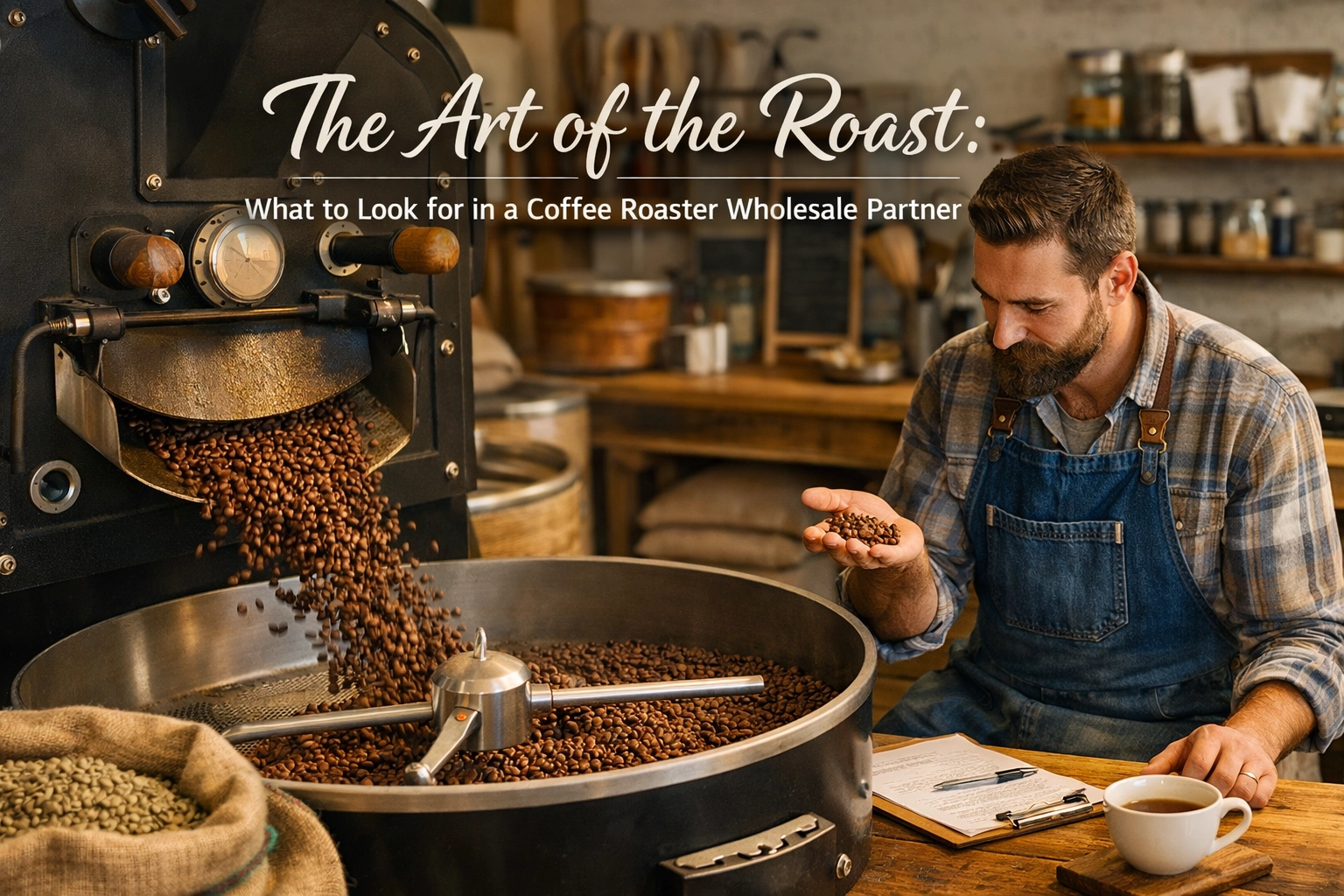
So, you’re looking for a coffee roaster wholesale partner. It’s a big step. Whether you are just starting your journey or you’ve been running a busy café for years and feel like your current beans just aren’t hitting the mark anymore, choosing who roasts your coffee is one of the most critical decisions you’ll make.
It isn't just about finding someone who can ship you a few kilos of brown beans every Tuesday. It’s about finding a partner. Someone who cares as much about your customers' morning latte as you do. Here at Limini Coffee, we’ve seen both sides of the coin, and we know that a great partnership can be the difference between a struggling shop and a local legend.
But what actually makes a "good" roaster? Is it the fancy branding? The awards? Or is it something a bit more… technical?
Quality and Consistency: The Holy Grail
Let’s be honest. Anyone can roast a decent batch of coffee once. The real "art of the roast" isn’t just about making one amazing bag; it’s about making ten thousand amazing bags that all taste exactly the same.
When you are looking for a coffee roaster wholesale partner, consistency is king. If your espresso tastes like chocolate and hazelnuts on Monday, but like burnt toast on Thursday, your customers are going to notice. And they won't be happy.
We believe that a roaster should have rigorous quality control. This means cupping every single batch. It means using software to track roast profiles to the second and the degree. If a roaster can’t tell you their target end temperature or how they manage the "crack" (that's the popping sound beans make when they expand), they might not be the right fit for a professional environment.
Freshness is Not Negotiable
Fresh is best. Period.
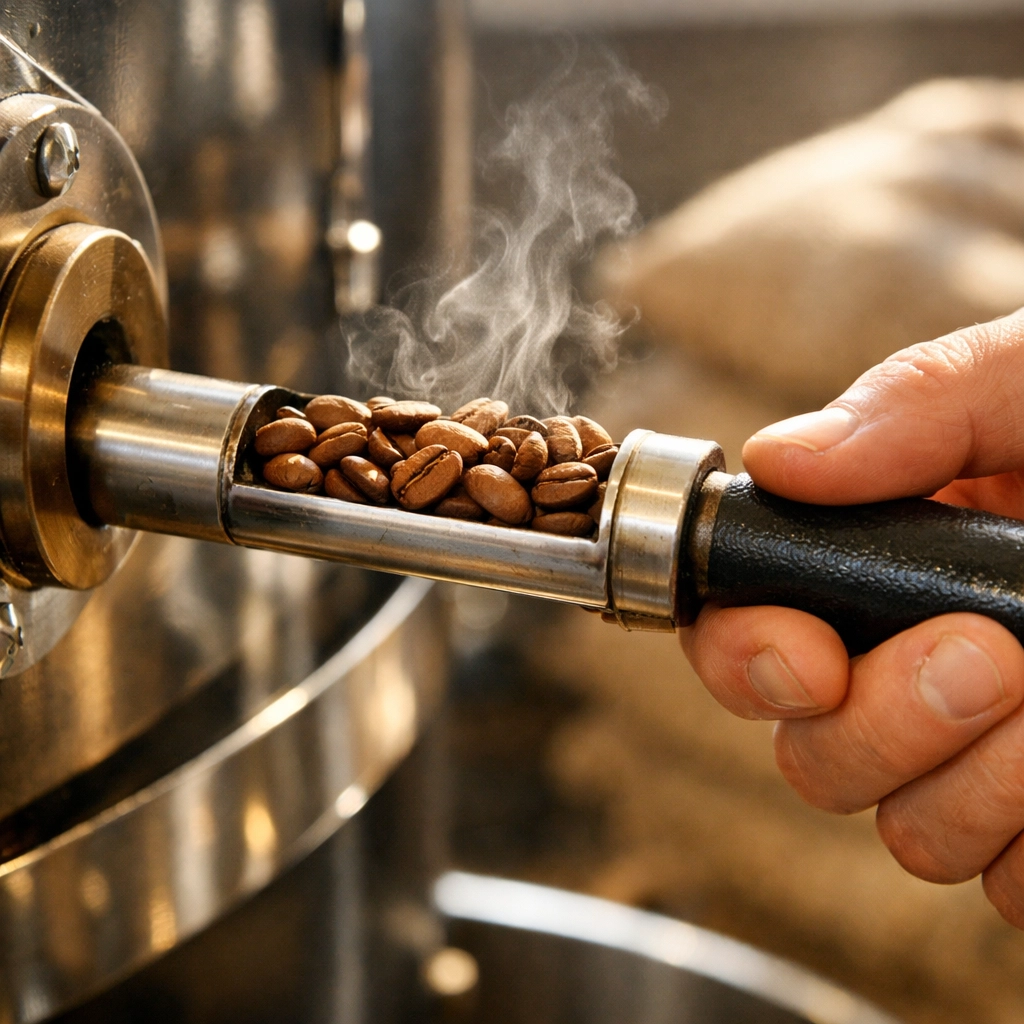
Coffee is a perishable product. Once it’s roasted, the clock starts ticking. Carbon dioxide starts escaping, and oxygen starts moving in: a process lovingly called oxidation. This leads to stale, flat coffee that lacks that beautiful, vibrant aroma we all love.
When vetting a partner, ask about their roasting schedule. Do they roast to order? Or do they have shelves full of bags that have been sitting there for three weeks? We think you should ideally be receiving coffee that was roasted within the last few days. This gives it enough time to degas (usually about 5 to 7 days for espresso) so that it’s at its absolute peak when it hits your hopper.
If you want to dive deeper into why this matters for your extraction, check out our guide on understanding crema, as freshness plays a massive role there.
Sourcing with Soul
Where does the coffee actually come from?
A great wholesale partner should be able to tell you exactly which farm or washing station your beans originated from. This isn’t just about being "fancy": it’s about traceability and ethics. We believe in paying a fair price to the farmers who do the hard work. High-quality speciality coffee costs more because it’s better for everyone involved, from the soil to the server.
At Limini Coffee, we focus on transparency. We want to know that the farmers are being looked after. When you partner with a roaster, you are essentially endorsing their supply chain. Make sure it’s one you’re proud of.
Beyond the Bag: Support and Training
Here is a truth that some roasters don't like to admit: You can have the best beans in the world, but if your barista doesn't know how to dial them in, the coffee will taste terrible.
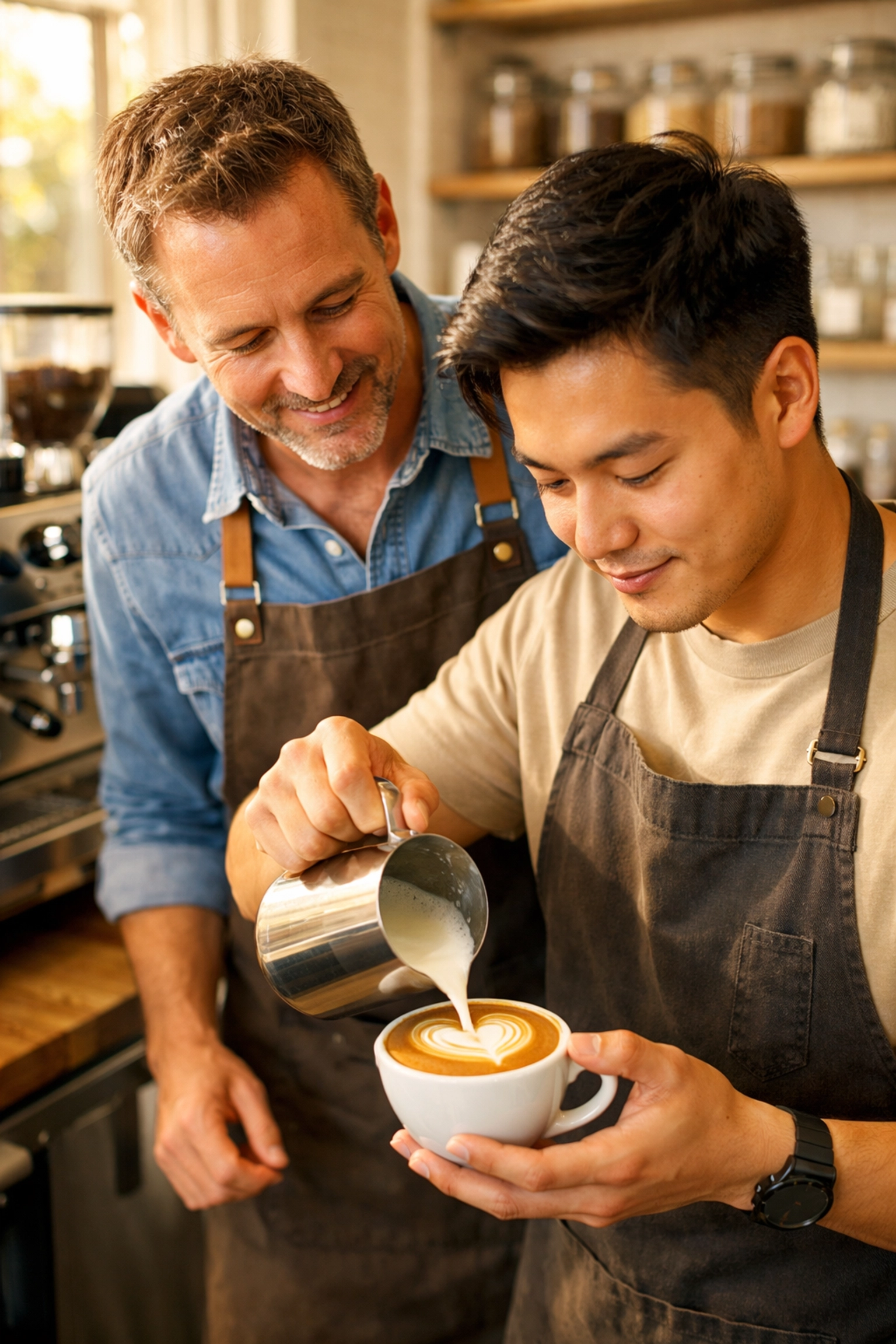
A coffee roaster wholesale partner should be more than just a delivery driver. They should be an educator. Do they offer barista training? Do they understand the physics of extraction?
We’ve found that the most successful coffee shops are the ones that invest in their staff. If your roaster can help you master the art of tamping or explain why your milk texture isn't quite right for a latte vs a cappuccino, they are adding real value to your business.
And then there's the equipment. A roaster that knows their way around a La Spaziale or a high-end grinder is worth their weight in gold. If your machine goes down on a Saturday morning, you need a partner who can help you troubleshoot: or at least someone who understands the workings of the machine well enough to guide you.
Flexibility and Scalability
Your business is going to grow. At least, that's the plan, right?
You need a roaster that can grow with you. If you suddenly double your order because you've opened a second location or had a massive week, can they handle it? Or will they tell you they’re out of stock?
Before signing on the dotted line, talk about:
- Minimum Order Quantities (MOQs): Are they realistic for your current volume?
- Delivery Turnaround: How fast can they get coffee to you in an emergency?
- Custom Blends: If you want a unique "house blend" to set you apart from the guy down the street, are they willing to develop that with you?
We think it's vital to have a partner who is responsive. If you send an email or a text, do they get back to you? Or are you left shouting into the void? Good communication is the bedrock of any wholesale relationship.
The Technical Bits (The Nerd Stuff)
We promised some technical detail, so here it is. When evaluating a roaster’s product, you should be looking at things like:
- TDS (Total Dissolved Solids): A good roaster should be able to give you a recipe. They should tell you, "Try 18g of coffee in, 36g of liquid out, in about 28 to 30 seconds." This shows they have actually tested their product.
- Roast Profile: Are they roasting for "development"? Underdeveloped coffee tastes sour and grassy (like peas, which is just a real shame). Overdeveloped coffee tastes like carbon and ash. A great roaster finds that "sweet spot" where the sugars are perfectly caramelised.
- Equipment Compatibility: Not all coffee works in all machines. If you are using a lever machine, the roast profile might need to be slightly different than if you are using a high-pressure automatic.
It might seem like a lot to take in, but these details are what separate the pros from the amateurs.
How to Make Your Choice
So, how do you actually pick? Here is our recommended checklist:
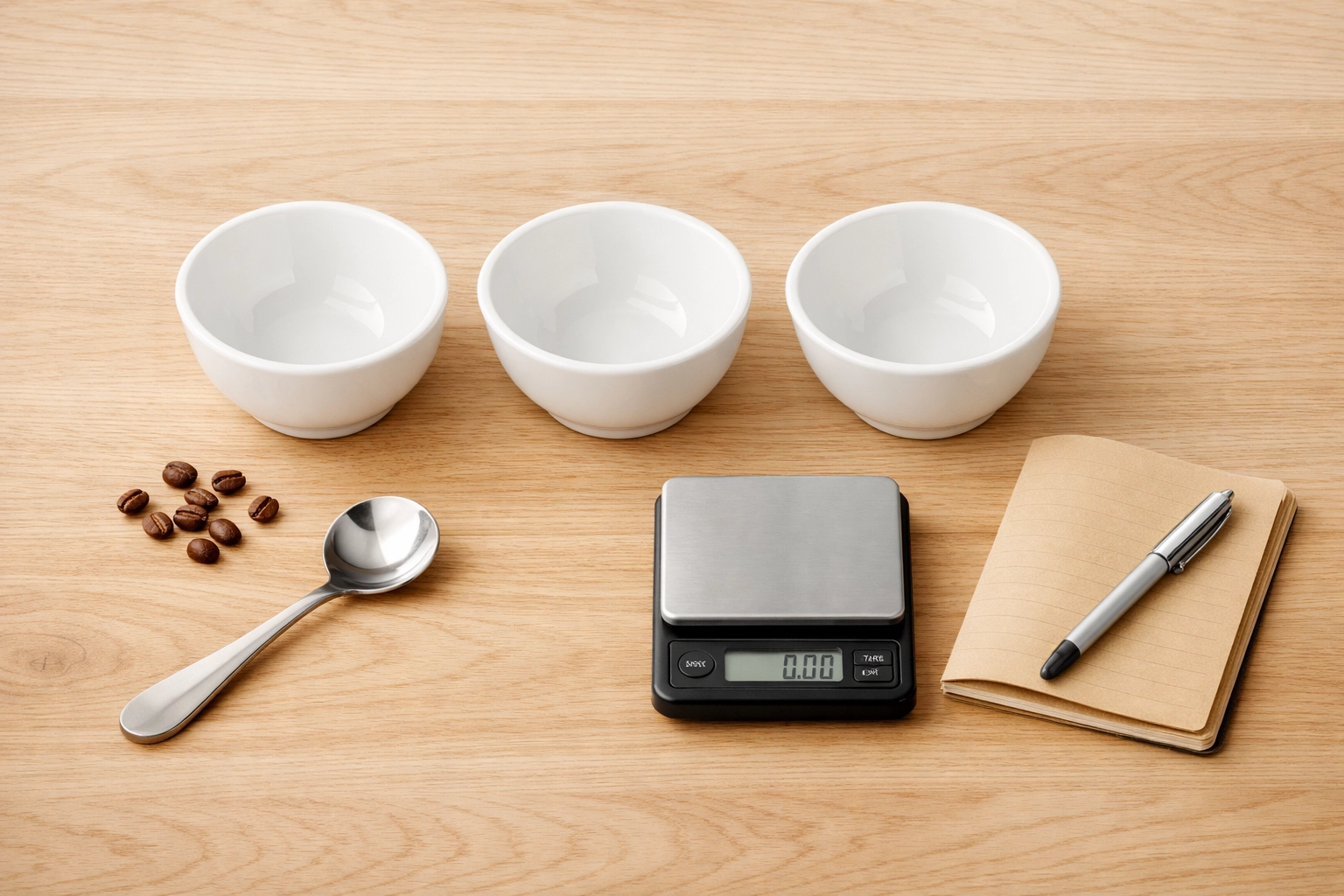
- Taste the Coffee: Obvious, right? But don't just drink it black. Try it as an espresso, a flat white, and maybe even a filter coffee. How does it hold up against milk?
- Visit the Roastery: If they won't let you in, what are they hiding? A good roaster should be proud of their setup.
- Check the Reviews: What are other wholesale customers saying? Look for mentions of reliability and support, not just "the coffee tastes nice." You can see what people think of us right here.
- Ask About Training: Is it included? Is it on-site or at the roastery?
- Check the Equipment Knowledge: If you are choosing espresso equipment, can they help you decide which one fits your specific needs?
Final Thoughts
Choosing a coffee roaster wholesale partner is about finding a shared vision. You want someone who is as obsessed with the "Art of the Roast" as you are with the "Art of the Service."
At Limini Coffee, we don't just sell beans. We provide the training, the equipment advice, and the constant support you need to make your coffee business a success. We want to be the reason your customers keep coming back, day after day.
If you are ready to take your coffee game to the next level, why not get in touch with us? We'd love to chat about your shop, your goals, and of course, some really, really good coffee.
Remember, the roast is just the beginning. The partnership is what makes it last.