
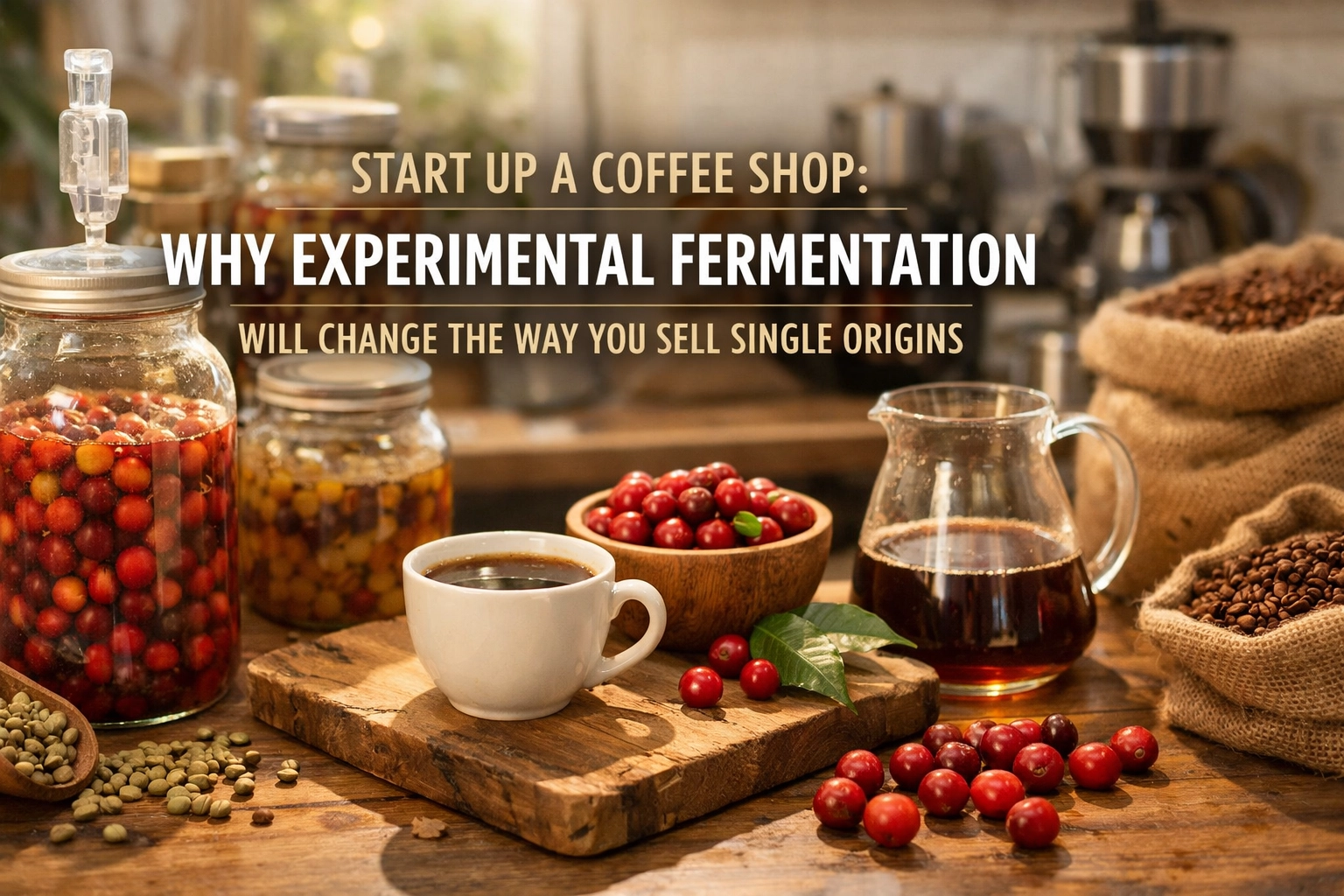
So, you’ve decided to take the plunge and start up a coffee shop. First of all, congratulations! It’s an exciting, caffeine-fueled journey, but we also know it can be a bit daunting. In a world where there’s a specialty cafe on every corner, how do you make sure yours is the one people are talking about?
The answer isn't just better decor or a fancy sign (though those help). It’s what’s in the cup. Specifically, it’s about a massive shift happening at the farm level that is landing right on our doorsteps: experimental fermentation. If you want to differentiate your brand and give your customers a reason to choose you over the big chains, understanding these processes is your secret weapon.
What Exactly Is Experimental Fermentation?
Back in the day, processing was simple. You had "Washed" (clean, bright, classic) and "Natural" (fruity, heavy, sometimes a bit wild). But lately, producers have been getting creative, borrowing techniques from the wine and beer industries to manipulate flavor in ways we never thought possible.
When we talk about experimental fermentation, we’re talking about controlling the environment where the coffee cherries or beans sit after harvest. Instead of just letting nature take its course, farmers are intervening with specific temperatures, oxygen levels, and even added ingredients.
Why does this matter to you? Because it allows a single origin coffee to taste like things you’ve never associated with coffee before, think tropical punch, strawberry yogurt, or even expensive red wine.

Anaerobic Fermentation: The Game Changer
You’ve probably seen the word "Anaerobic" popping up on wholesale specialty coffee menus. Basically, "anaerobic" means "without oxygen."
The coffee is placed in sealed stainless steel tanks with one-way valves. As the fermentation happens, CO2 builds up and pushes out the oxygen. This creates a pressurized, oxygen-free environment where specific microbes thrive. The result? Intensely fruity, boozy, and complex flavors that literally stop people in their tracks. It’s the kind of coffee that makes a customer put their cup down and say, "Wait, is this actually coffee?"
Carbonic Maceration
This one is borrowed straight from the French wine-making playbook (specifically Beaujolais). In this method, the whole cherries are placed in a tank that is then flushed with carbon dioxide. This allows the fermentation to happen inside the cherry skin itself.
From a sensory perspective, carbonic maceration often yields incredibly clear, wine-like notes and a silky mouthfeel. It’s sophisticated, elegant, and perfect for that customer who thinks they’ve "tried everything."
Why This Is Your Best Marketing Tool
When you’re looking to start up a coffee shop, your biggest challenge is "the hook." Why should someone walk past three other shops to get to yours?
Experimental lots give you a built-in narrative. You’re not just selling a "Brazilian dark roast"; you’re selling a "72-hour Anaerobic Fermented Lot from the Minas Gerais region with notes of grilled pineapple and cinnamon."
1. It Creates "Destination" Status
Most people are used to coffee tasting like… well, coffee. When you introduce them to a lactic-fermented coffee that has a creamy, yogurt-like texture, you’ve given them an experience. They’ll go to work and tell their colleagues about it. Suddenly, your shop is the destination for the "weird and wonderful" stuff.
2. Highlighting Your Expertise
By serving these coffees, you’re positioning yourself as a curator. It shows you know your stuff. It gives your baristas something exciting to talk about beyond "how many sugars would you like?" We’ve seen that when baristas are excited about a product, that energy is infectious.
If you want to get your team up to speed on how to describe these complex flavors, we highly recommend some focused coffee barista training. It makes a world of difference when your staff can explain why a coffee tastes like passionfruit.

Protecting Your Margins with Specialty Lots
Let’s talk numbers. We know that when you're starting out, every penny counts. You might look at the price of a wholesale specialty coffee that has undergone experimental processing and think, "Wow, that’s expensive."
But here’s the thing: experimental coffees carry a much higher "perceived value."
While you might struggle to charge an extra 50p for a standard latte, customers are often more than happy to pay a premium for a "limited release" or "competition series" filter coffee. These lots allow you to offer a tiered menu. You have your solid, reliable house blend for the daily milk-based drinks, and then you have your rotating "guest" slots for these experimental single origins.
This tiered pricing helps protect your margins. By offering a high-end experience, you’re attracting the type of customer who values quality over price, and that’s a very healthy place for a new business to be.
Sourcing the Right Stuff
Not all experimental coffee is created equal. Because these processes are… well, experimental, things can go wrong. If the fermentation goes too far, the coffee can end up tasting like vinegar or overripe compost. (Not exactly what you want to serve on a Monday morning).
This is why your choice of roaster is so critical. You need a partner who understands the science behind these processes and who has the roasting skill to bring out those delicate notes without masking them with roast flavor.
At Limini Coffee, we spend an enormous amount of time sourcing our coffee. We look for producers who are doing innovation the right way, focusing on cleanliness and consistency alongside those wild flavor profiles. If you’re looking for a wholesale specialty coffee partner that can guide you through the maze of anaerobic, thermal shock, and yeast-inoculated lots, we’d love to chat.

How to Introduce These Coffees to Your Customers
If you just put "Thermal Shock Geisha" on the menu without context, most people will be confused. To make this work for your business, you need to bridge the gap between "weird science" and "delicious drink."
- The "Taster" Approach: Offer small, 2oz tasters of your experimental filter coffee alongside a regular Americano. Once people taste the difference, they’re often hooked.
- Brewing Methods: We find that these complex coffees shine brightest as pour-overs. If you’re choosing equipment for your new shop, think about including a dedicated manual brew bar. It adds a bit of theatre to the experience and allows those fermentation notes to really sing.
- Keep the Jargon in Check: While we love talking about "Saccharomyces cerevisiae" (the yeast used in some fermentations), your average customer probably doesn't. Use evocative flavor descriptions first. "Tastes like a tropical fruit salad" is much more enticing than "high lactic acid content."
Is It Just a Fad?
In a word: No.
Experimental fermentation isn't just a trend; it's the evolution of the industry. As climate change makes it harder to grow traditional varieties in some regions, these processing techniques allow farmers to add value to their crops and differentiate themselves in a competitive market. It’s a win-win for the producer and the cafe owner.
For a new shop, embracing these coffees means you’re future-proofing your business. You’re showing your community that you’re at the forefront of what’s happening in the coffee world.

Final Thoughts
Starting a coffee shop is a massive undertaking, but it’s also an opportunity to build something truly unique. By incorporating experimental fermentation into your wholesale specialty coffee strategy, you’re giving yourself a massive head start. You’re not just selling caffeine; you’re selling discovery.
Remember, you don't have to do this alone. Whether you need help choosing espresso equipment or you just want to taste some of the wilder lots we have in the roastery right now, we’re here to help.
The world of coffee is changing fast, and honestly, we think that’s the beauty of it! 🙂
If you're ready to take the next step in your coffee journey, or if you're just starting to plan your shop layout, get in touch with us. We've helped hundreds of shops get off the ground, and we'd love to help you make your dream a reality.
And hey, if you want to dive even deeper into the technical side of things: like understanding milk texture or mastering the perfect tamping technique: keep an eye on our blog. We're always adding new guides to help you stay ahead of the curve.
Good luck with the launch, Scott! We can't wait to see what you build.