Personalize guest stays. Automate your desk. Reclaim your time.
The boutique hotel landscape in 2026 isn't just about providing a bed: it’s about orchestrating an entire lifestyle. With 78% of travelers now prioritizing "transformative experiences" over traditional luxury, the pressure is on to evolve. Success this year means moving beyond legacy systems and embracing a unified guest experience platform.
We believe your technology should work as hard as your concierge. Here is how you can stay ahead of the curve, all from one innovative platform.
1. Agentic AI as Operational Infrastructure
The days of simple "if-this-then-that" automation are over. Agentic AI doesn't just answer questions; it executes multi-step workflows. We are seeing properties use AI agents to manage complex booking modifications, coordinate with housekeeping in real-time, and even handle vendor procurement without human intervention.
- Autonomously resolves guest requests before they reach the desk.
- Syncs inventory across all channels with zero latency.
- Predicts maintenance needs before equipment fails.
2. Hyper-Personalization at Scale
Generic "Welcome Back" emails don't cut it anymore. In 2026, guests expect their room environment to reflect their data-driven preferences the moment they walk in.
- Automatic adjustment of room temperature and lighting based on previous stays.
- Curated mini-bars featuring snacks and beverages specific to guest dietary profiles.
- Customized digital art displays tailored to the guest’s aesthetic taste.

3. Quiet Luxury Meets Tactile Design
The "Instagrammable" neon sign era is fading. Boutique hotels are shifting toward "quiet luxury": warmer, more tactile environments that focus on how a space feels rather than just how it looks.
- Natural materials like reclaimed wood, linen, and raw stone.
- Sculptural furniture that prioritizes comfort over trendy silhouettes.
- Acoustic design that creates a sense of sanctuary in urban environments.
4. F&B as a "Third Space"
Hotel dining has evolved from a passive amenity into a core brand driver. Boutique hotels are now designing restaurants as "third spaces" where locals and guests blend seamlessly.
- Collaborations with local chefs for rotating pop-up concepts.
- Designing lobbies that function as high-end coffee shops by day and cocktail bars by night.
- Integrated POS systems that allow guests to charge a local bakery visit directly to their room.
5. First-Party Data Sovereignty
With third-party cookies long gone, your first-party data is your most valuable asset. Smart boutique hotels are building their own data ecosystems to own the guest relationship from start to finish.
"We saved 10 hours a week just by letting our guest data flow naturally between our PMS and marketing tools," says one London boutique manager.
- Unified guest profiles that track behavior across multiple properties.
- Direct booking incentives that outweigh OTA convenience.
- Predictive analytics to forecast seasonal staffing needs.
6. Wellness Ecosystems
A gym in the basement is no longer enough. Wellness in 2026 is an ecosystem that touches every part of the stay, from sleep hygiene to mental clarity.
- In-room "sleep kits" featuring weighted blankets and smart sound machines.
- Partnerships with local spas and meditation practitioners for on-demand services.
- Menus designed with "brain food" and bio-hacking principles in mind.

7. Human-Centric Leadership
Staffing remains a challenge, but the solution isn't just higher pay: it’s human-centric leadership. Leaders who prioritize emotional intelligence and employee well-being are seeing 4x higher retention rates.
- Flexible scheduling powered by AI-driven labor forecasting.
- Professional development tracks that treat hospitality as a long-term career.
- Removing administrative friction so staff can focus on genuine guest connection.
8. Regenerative Hospitality
Sustainability is the baseline; regeneration is the goal. Guests want to know that their stay actively improved the local environment or community.
- Zero-waste kitchens that compost 100% of organic material.
- "Give back" programs where a percentage of the room rate funds local conservation.
- Hyper-local sourcing that reduces carbon footprints while supporting local artisans.
9. The Blended Travel Evolution
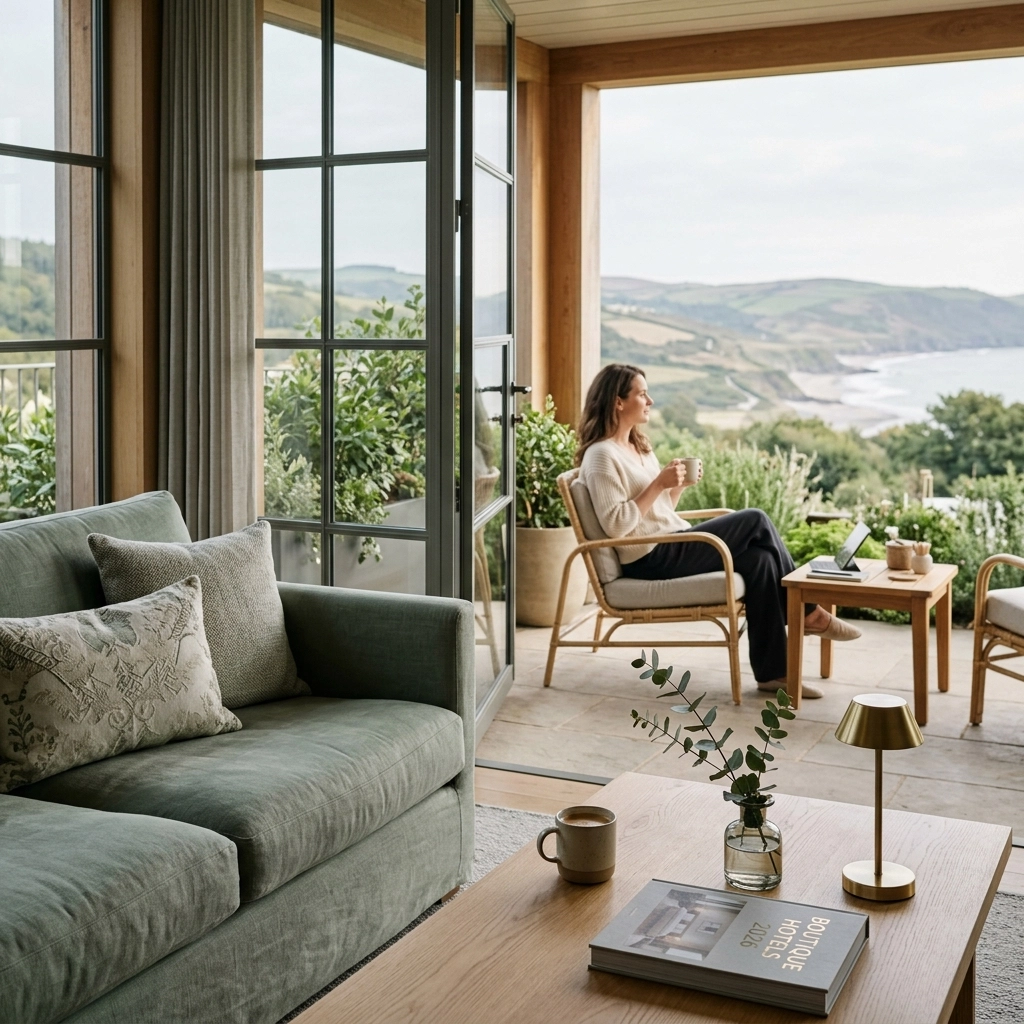
"Bleisure" has matured. Travelers in 2026 are staying longer and bringing their families, requiring spaces that accommodate both high-speed work and high-quality play.
- High-end workstations in-room with ergonomic seating.
- Sound-proofed "zoom booths" in communal areas.
- Family-friendly programming that doesn't compromise the "boutique" feel.
10. Smart Room Automation
The Internet of Things (IoT) is finally seamless. We believe that technology should be invisible: it’s there when you need it and stays out of the way when you don’t.
- Voice-activated controls for everything from drapes to room service.
- Smart mirrors that display local weather, news, and workout videos.
- Occupancy sensors that save energy while ensuring housekeeping never walks in on a guest.

11. Shorter Stays, Higher Frequency
Travel patterns are shifting. Instead of one long annual vacation, guests are taking more frequent, shorter trips: often booked at the very last minute.
- Optimized last-minute pricing strategies to fill gaps.
- Mobile-first booking engines that allow a reservation in under 30 seconds.
- Subscription models for loyal guests who visit the same city frequently.
12. Local Cultural Immersion
Travelers are looking for the "un-touristy" experience. Boutique hotels act as the gateway to the neighborhood, providing access that can't be found on a travel blog.
- Curated "neighborhood guides" written by local staff members.
- Exclusive access to local events, galleries, and private workshops.
- In-hotel markets featuring products from local makers.
13. Frictionless Guest Journeys
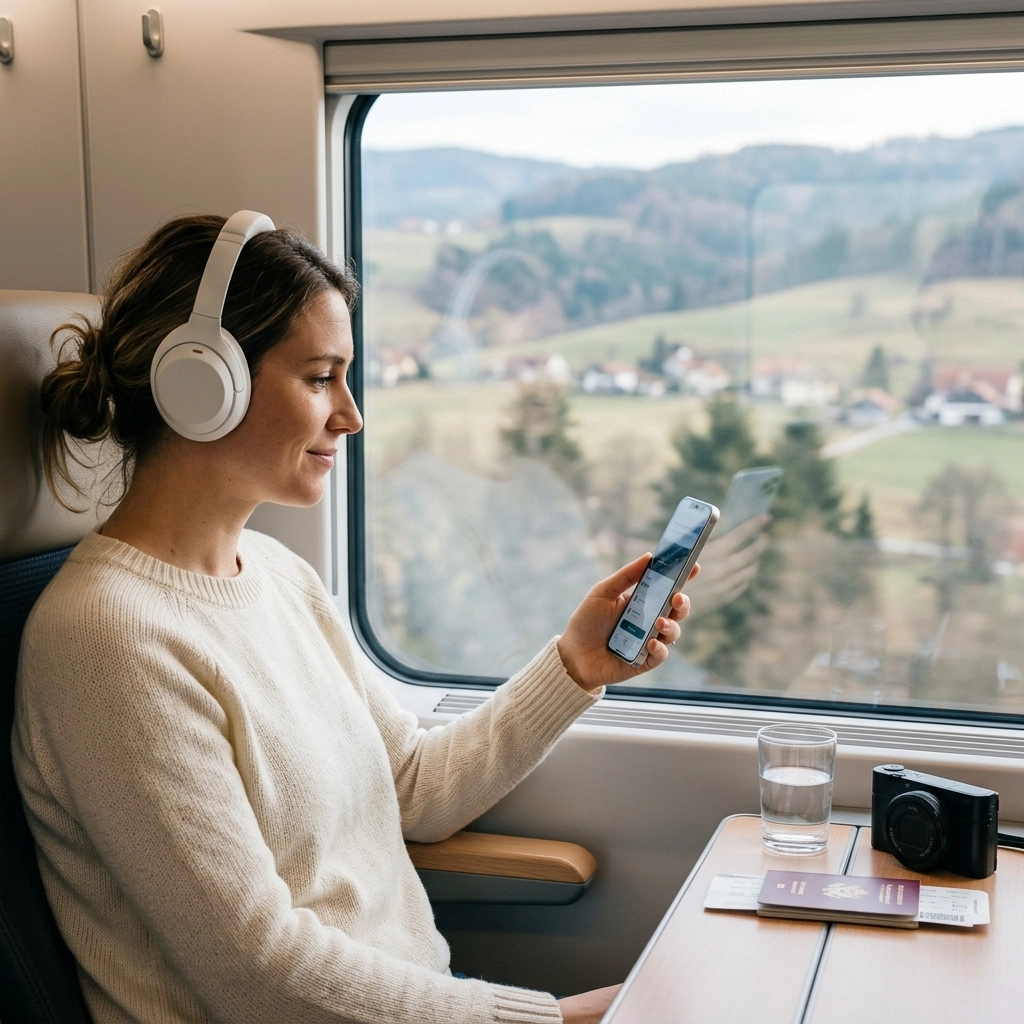
The front desk is no longer the center of the hotel. Frictionless check-in and out are the standard, allowing guests to head straight to their room: or the bar.
- Mobile keys that reside in the guest’s digital wallet.
- Self-service kiosks for those who prefer a physical card without the queue.
- Automated billing and check-out that happens with a single tap on a smartphone.
14. Transformative Experiences
We think the best hotels leave a lasting impression on the guest’s psyche. Whether it’s learning a new skill or gaining a new perspective, transformation is the new luxury.
- Hosted workshops on local crafts, cooking, or wellness.
- Curated library spaces with books selected by local thought leaders.
- Mindfulness sessions and "digital detox" options for guests looking to unplug.
15. Flexible Fintech Solutions
Payments should be the easiest part of the stay. Integrated fintech allows for more flexible booking options and effortless transactions.
- "Buy now, pay later" options for luxury stays.
- Support for all global digital currencies and local payment methods.
- Split-payment capabilities for group bookings.
See what Mews can do
Ready to turn these trends into your reality? The right platform makes the complex feel easy. From AI-driven operations to hyper-personalized guest journeys, we have the tools to keep you ahead.
Schedule a 30-minute demo to see how we can get you earning more revenue and delighting more guests in no time.
(Check out more about our innovative approach at https://referrals.mews.com/umqHYIto)