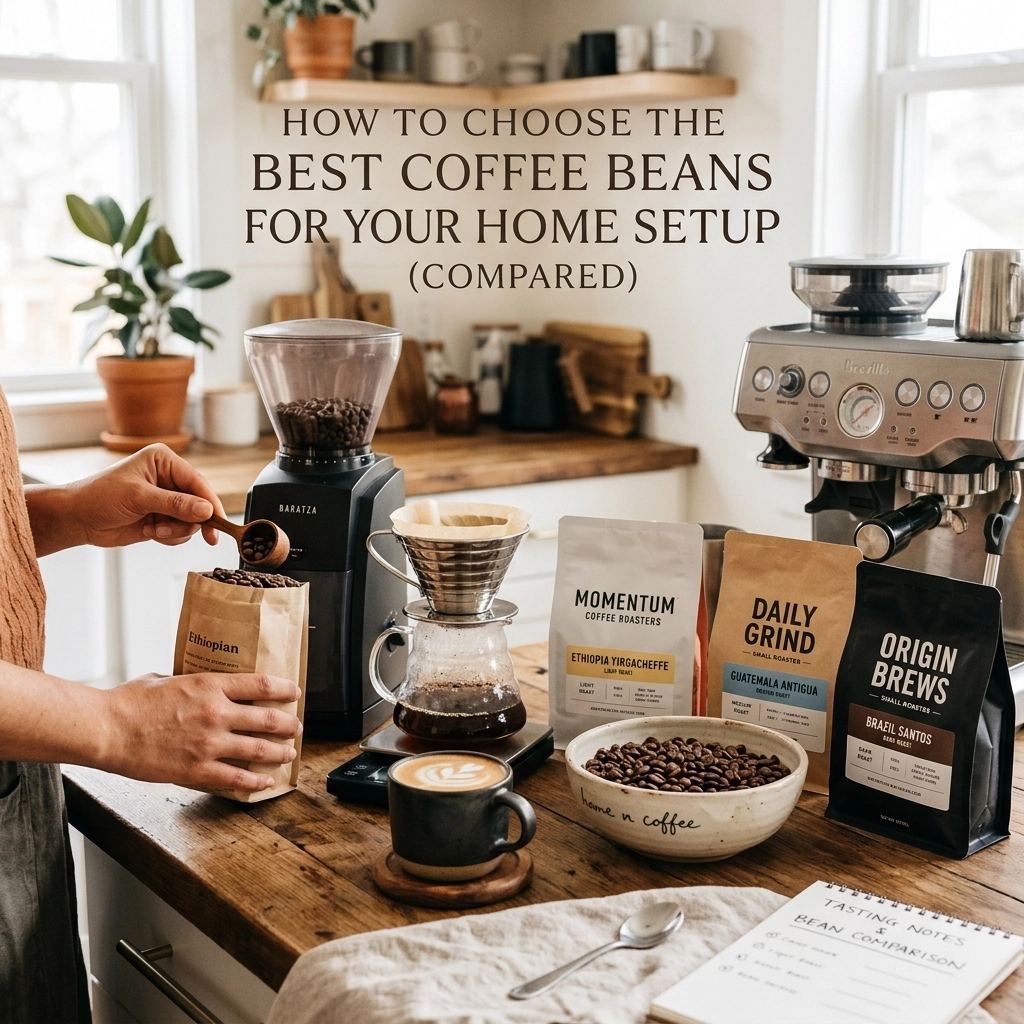
So, you’ve finally done it. You’ve curated the ultimate home coffee station. Maybe you’ve got a shiny new espresso machine, a precision pour-over dripper, or a trusty French press that’s been your morning companion for years. But here is the thing: you can have the most expensive gear in the world, but if the beans you’re putting into it aren't up to scratch, you’re basically trying to win a Formula 1 race with a lawnmower engine.
Choosing the right beans is the single most important decision you’ll make in your coffee journey. It’s the difference between a cup that tastes like "generic bitter brown water" and a cup that tastes like blueberries, milk chocolate, or a tropical sunset.
At Limini Coffee, we live and breathe the bean. We spend our days obsessing over roast profiles and sourcing the finest speciality lots because we know that the bean is the soul of the brew. If you're ready to level up your home setup, you can find our full range of fresh-roasted goodies right here.
Let’s dive into how to navigate the confusing world of coffee bags, labels, and tasting notes.
The Great Divide: Arabica vs. Robusta
Before we look at origins or roasts, we have to talk about the two main species of coffee grown commercially.
Arabica
This is the gold standard for speciality coffee. Arabica beans are grown at higher altitudes (usually between 1,200 and 2,200 meters), which makes them harder to farm but significantly more delicious. Why? Because the cooler temperatures at high altitudes slow down the growth of the coffee cherry, allowing more complex sugars and acids to develop.
When you drink Arabica, you’re getting sweetness, acidity, and a vast array of flavor notes ranging from citrus to caramel. We believe that for a truly exceptional home experience, 100% Arabica is the way to go.
Robusta
Robusta is the tougher, more caffeinated cousin. It grows at lower altitudes and is much more resistant to pests (hence "robust"). The downside? It generally tastes like burnt rubber or wood. While some traditional Italian espresso blends use a small percentage of high-quality Robusta to boost crema and caffeine, most speciality roasters avoid it.
If you’re looking for a smooth, nuanced cup, stick with Arabica. You can learn more about how we pick our beans on our sourcing page.
Understanding the Roast Spectrum
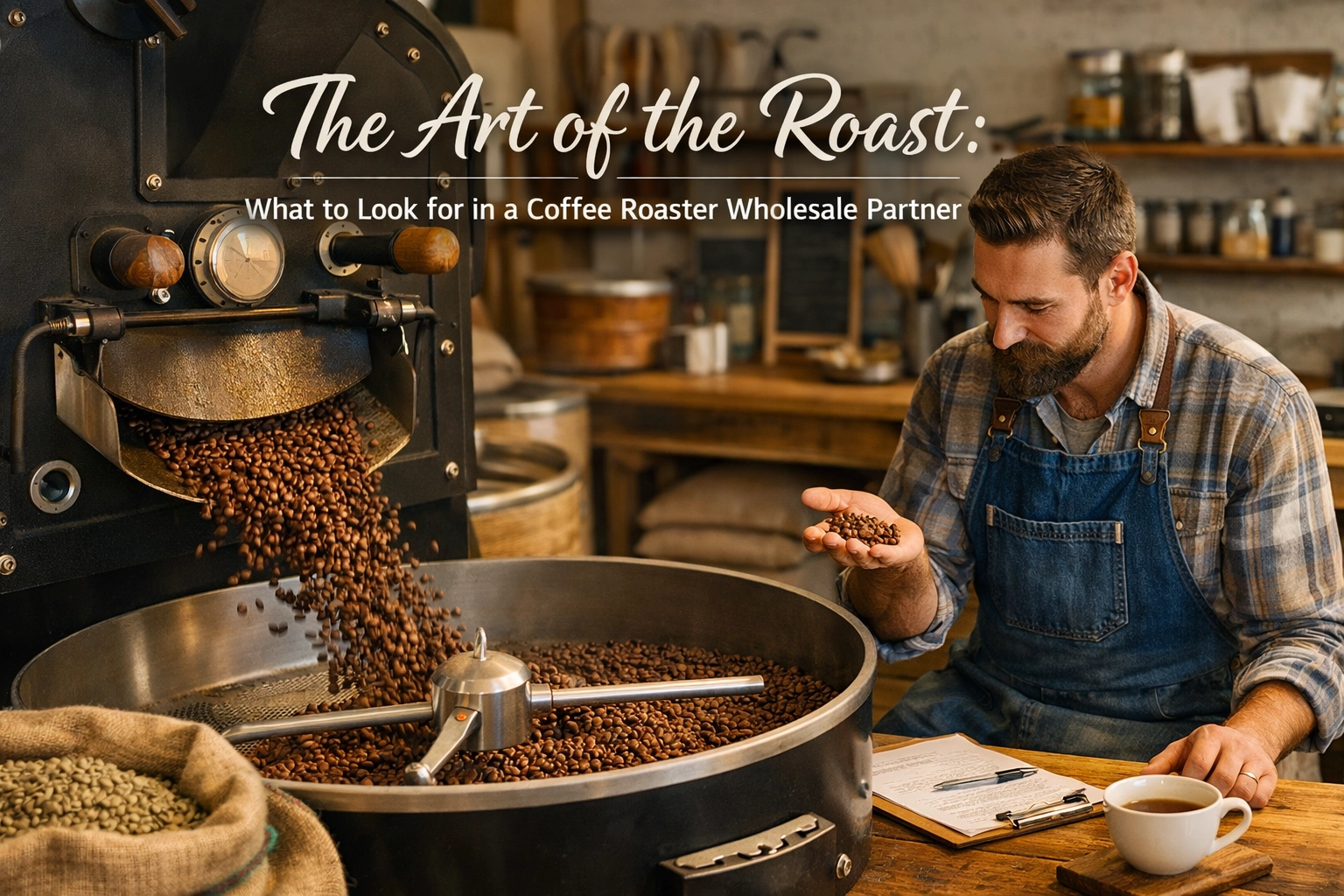
Roasting is where the magic happens. It’s the process of turning a hard, green, tasteless seed into the aromatic brown bean we know and love. But the level of roast drastically changes how that bean will behave in your home setup.

Light Roast: The Origin Purist
Light roasts are dropped out of the roaster shortly after "first crack." They are light brown, matte (no oil), and packed with acidity.
- Flavor Profile: Floral, citrusy, tea-like, and bright.
- Best For: Pour-over (V60, Chemex), AeroPress, and filter machines.
- The Catch: They can be tricky to extract. If your water isn't hot enough, they can taste sour or "grassy."
Medium Roast: The All-Rounder
This is the "sweet spot" for many home brewers. Medium roasts have a balanced acidity and a more developed sweetness.
- Flavor Profile: Milk chocolate, toasted nuts, caramel, and stone fruits.
- Best For: Basically everything. They shine in espresso but are equally delicious in a French press.
- Why we love them: They are forgiving. You don't need a PhD in physics to get a great-tasting cup out of a medium roast.
Dark Roast: The Bold and Bitter
Dark roasts are roasted longer, often until oils begin to migrate to the surface of the bean.
- Flavor Profile: Dark chocolate, smoky, spicy, and heavy-bodied.
- Best For: Traditional espresso or anyone who loves adding lots of milk and sugar.
- The Drawback: Much of the unique "origin" flavor is lost to the roast process. You’re tasting the fire, not the farm.
| Roast Level | Best Brew Method | Body | Primary Flavors |
|---|---|---|---|
| Light | Pour-over/Filter | Thin | Floral, Citrus |
| Medium | Espresso/All | Mid | Chocolate, Nut |
| Dark | Espresso/Latte | Heavy | Smoke, Cocoa |
Single Origin vs. Blends: Which is Right for You?
This is where people often get stuck. Do you go for that exotic-sounding bag from a single farm in Ethiopia, or a tried-and-tested house blend?
The Case for Single Origin
A single-origin coffee comes from one specific place, a single country, region, or even a single farm (a "microlot"). These coffees are like a postcard from a specific terroir. If you want to experience the "blueberry" notes that Ethiopian coffees are famous for, or the "apple-like" acidity of a Kenyan, go single origin.
- Pros: Unique, adventurous, and educational.
- Cons: They can be inconsistent from season to season and sometimes "too weird" for a standard morning latte.
The Case for Blends
Blends are a mix of beans from different origins, carefully curated by the roaster to achieve a specific flavor profile that stays consistent year-round. Our house blends at Limini Coffee are designed to be "crowd-pleasers", reliable, sweet, and perfect for milk-based drinks.
- Pros: Consistent flavor, easier to "dial in" on espresso machines, and usually more affordable.
- Cons: Less "excitement" for those looking for extreme flavor profiles.
If you're just starting out with a new espresso machine, we highly recommend starting with a balanced blend before diving into the wild world of single origins.

Matching Beans to Your Gear
Not all beans play nice with all machines. Here’s a quick guide to pairing your setup with the right coffee.
The Espresso Machine Setup
Espresso is an intense extraction method. Because the water is forced through the grounds at high pressure (9 BAR), it amplifies everything, both the good and the bad.
- Our Advice: Stick to Medium or Medium-Dark roasts. Light roasts are notoriously difficult to pull as espresso; they often come out tasting like battery acid unless you have a high-end machine with flow control.
- Top Tip: If you're struggling with your shots, check out our guide on choosing espresso equipment.
The Pour-Over / Filter Setup (V60, Chemex)
These methods are all about clarity. You want to taste the delicate nuances of the coffee.
- Our Advice: This is where Single Origin Light to Medium roasts shine. Look for washed process coffees from Central America or Africa for a clean, crisp cup.
The Immersion Setup (French Press, AeroPress)
Immersion brewing extracts flavor more slowly and tends to produce a heavier body.
- Our Advice: Medium to Dark roasts work beautifully here. A chocolatey Brazilian coffee in a French press is a match made in heaven.
How to Read a Coffee Bag Like a Pro
When you’re looking at a bag of Limini Coffee (or any speciality roaster), you’ll see a bunch of information. Here’s what actually matters:
- Roast Date: This is the most important piece of info. Coffee is a fresh produce item. Ideally, you want to use beans between 7 and 30 days after they were roasted. If a bag doesn't have a roast date, put it back.
- Process: This refers to how the fruit was removed from the bean.
- Washed: Clean, high acidity, bright.
- Natural: Fruity, "funky," heavy body.
- Honey: Somewhere in between; very sweet.
- Altitude: Generally, the higher the better (look for 1,500m+).
- Tasting Notes: These aren't ingredients! We haven't added blueberries to your coffee. These are "descriptors" to help you understand the flavor profile.

The Secret Ingredient: Freshness
We can't stress this enough: freshness is everything.
Coffee begins to oxidize and lose its flavor the moment it leaves the roaster. Even worse, once you grind it, that surface area increases exponentially, and the flavor disappears in minutes. This is why we always recommend buying whole-bean coffee and grinding it right before you brew.
If you’re wondering why your home coffee doesn't taste like the cafe, it’s usually because your beans are old or you’re using pre-ground coffee. Grab a bag of our freshly roasted beans and taste the difference for yourself.
And remember, storage matters too! Keep your beans in a cool, dark place in an airtight container. Please, for the love of all things holy, don't put them in the fridge. The moisture and odors in your fridge will ruin your coffee faster than you can say "flat white."
Why the Setup Matters
It’s worth mentioning that your coffee is only as good as your weakest link. If you have amazing beans but a grinder that produces inconsistent chunks, your extraction will be uneven.
If you’re feeling a bit lost with the technical side of things: like tamping, milk steaming, or brew ratios: we’ve got plenty of resources to help. You might find our article on tamping useful, or if you’re looking to get serious, check out our barista training courses.
Final Thoughts
Choosing the best coffee beans for your home setup doesn't have to be a dark art. Start with your preferred brew method, decide if you want something comforting (blends) or adventurous (single origin), and always: always: check the roast date.
The beauty of coffee is that it’s a journey. Your tastes will change as you experiment with different origins and roast levels. One day you’ll be loving a dark, chocolatey Brazilian, and the next you’ll be obsessed with a floral, citrusy Ethiopian Yirgacheffe.
Ready to start your next coffee adventure? Explore our range of speciality beans at Limini Coffee. Whether you’re a seasoned pro or just starting out, we’ve got something that will make your home setup sing.
Happy brewing! 🙂