We’ve all been there. You’re standing in the supermarket aisle, staring at a wall of coffee bags with fancy labels and shiny packaging. They all promise "premium quality" and "bold flavor," but there’s a secret that the big commercial brands don't really want you to know: coffee is an agricultural product, and it has a ticking clock.
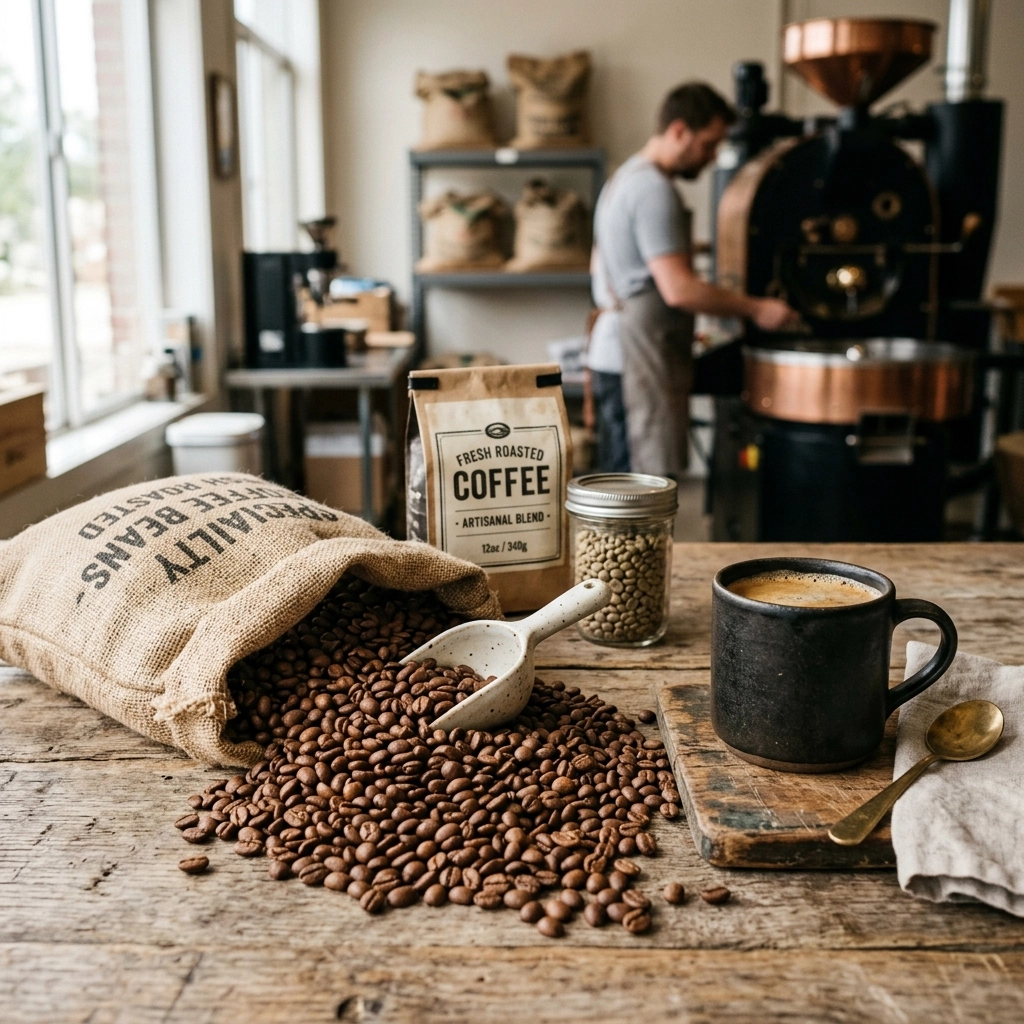
If you’ve ever wondered why the coffee you brew at home doesn’t taste quite like the cup you had at that brilliant little speciality cafe down the road, the answer usually comes down to one word: freshness. Fresh roasted coffee is the foundation of everything we do here at Limini Coffee. Without it, you’re essentially trying to paint a masterpiece with dried-up acrylics. It just doesn't work.
In this guide, we’re going to dive deep into what makes fresh roasted coffee so special, how to find the good stuff, and how to keep it tasting incredible until the very last bean. If you're ready to level up your home brewing game, you’re in the right place.
And hey, if you want to skip the guesswork and get the good stuff delivered straight to your door, you can check out our latest seasonal roasts right here: Fresh Roasted Limini Coffee.
What Exactly is "Fresh" Roasted Coffee?
When we talk about "fresh" coffee, we aren't just talking about when you opened the bag. We’re talking about the time elapsed since the beans left the roaster.
During the roasting process, the green coffee beans undergo a massive transformation. The heat triggers the Maillard reaction (the same thing that happens when you sear a steak or toast bread), creating hundreds of aromatic compounds. It also builds up a significant amount of Carbon Dioxide (CO2) inside the bean.
As soon as the beans come out of the roaster, they begin a process called degassing. This is where the CO2 starts to escape. For the first few days, there’s actually too much gas. If you try to brew coffee that was roasted four hours ago, that escaping gas will push the water away from the coffee grounds, leading to an uneven and frankly disappointing extraction.

The Peak Freshness Window: When to Brew
So, if "too fresh" is a thing, when is the sweet spot?
We generally find that coffee hits its absolute peak between 3 and 21 days after roasting. During this window, the CO2 has settled down enough to allow for a beautiful, even extraction, but the volatile aromatic compounds (the stuff that makes the coffee smell like blueberries, chocolate, or jasmine) are still at their most vibrant.
- Days 1-3: The "Resting" phase. The beans are very gassy. Good for a punchy espresso if you're desperate, but not ideal.
- Days 4-14: The "Golden Zone." This is when the flavor profile is most expressive and balanced.
- Days 15-30: Still very good, though you might notice the more delicate floral or citrus notes starting to fade slightly.
- Day 30+: This is where oxidation really kicks in. The oils on the surface can start to go rancid, and the coffee begins to taste "flat" or woody.
Most supermarket coffee has been sitting on a shelf for three to six months. By the time you buy it, those beautiful flavors are long gone. This is why we always print the roast date clearly on every bag we send out. You deserve to know exactly where your coffee is in its lifecycle.
How to Buy Coffee Like a Pro
If you want to succeed in your home brewing journey, you need to become a bit of a label detective. Here is what we look for when we’re sourcing beans, and what you should look for too:
1. The Roast Date is Non-Negotiable
If a bag has a "Best Before" date but no "Roasted On" date, put it back. A "Best Before" date is usually set 12 to 24 months into the future. It tells you nothing about freshness. You want to see a specific date, ideally within the last week or two.
2. Specificity of Origin
"100% Arabica" is a marketing term, not a quality indicator. It’s like saying "100% Beef" on a burger, it doesn't tell you if it’s wagyu or a frozen patty. Look for the country, the region, and even the specific farm or washing station. When we're sourcing our coffee, we look for traceability because it almost always correlates with higher quality and fairer wages for farmers.
3. Whole Bean vs. Pre-Ground
If you can, always buy whole beans. Once coffee is ground, the surface area increases exponentially, allowing oxygen to attack the flavor compounds instantly. Ground coffee can go stale in as little as 15 minutes. Investing in a decent grinder is the single best thing you can do for your coffee quality. You can see some of our recommendations for choosing espresso equipment if you're looking to upgrade your setup.
Understanding Roast Levels (And Why They Matter)
Roast level isn't just about how "strong" the coffee is; it’s about which characteristics of the bean the roaster wants to highlight.

| Roast Level | Characteristics | Best Brewing Method |
|---|---|---|
| Light Roast | High acidity, floral, fruity, tea-like body. Highlights the "terroir" (the soil and climate). | Pour-over (V60, Chemex), Aeropress. |
| Medium Roast | Balanced acidity and sweetness. Notes of caramel, nuts, and milk chocolate. | Drip coffee, Cafetiere (French Press), Espresso. |
| Dark Roast | Low acidity, heavy body, bold, smoky, or dark chocolate notes. | Espresso, Moka Pot, or with milk. |
We often hear people say they like "strong" coffee when what they actually mean is they like "dark roast" coffee. Strength is actually determined by your brewing ratio (how much coffee vs. how much water), whereas the roast level determines the flavor profile.
If you’re a fan of a thick, syrupy espresso with a rich head of foam, you'll want to read our article on crema to understand how the roast and the freshness play a part in that visual magic.
The Four Enemies of Freshness: How to Store Your Beans
You’ve spent your hard-earned money on a bag of speciality, fresh-roasted beans from Limini Coffee. Don't let them go to waste by storing them incorrectly! Coffee has four natural enemies:
- Oxygen: Oxidation is the primary cause of staleness. It turns those lovely oils into something that tastes like cardboard.
- Light: UV rays break down the chemical structure of the beans. This is why clear glass jars are a terrible idea unless they’re tucked away in a dark cupboard.
- Heat: Heat accelerates the chemical reactions that lead to aging. Keep your beans away from the oven or the top of your espresso machine.
- Moisture: Coffee is hygroscopic, meaning it absorbs moisture (and odors!) from the air.
The Fridge Myth: Please, whatever you do, don't put your coffee in the fridge. Every time you open the door, condensation forms on the beans. Plus, your coffee will act like a sponge and start tasting like that leftover onion from Tuesday night. Not a vibe.
The Solution: Use an airtight, opaque container stored in a cool, dry place. The original bag is actually usually great, provided it has a one-way valve (that little plastic circle) to let CO2 out while keeping oxygen from getting in.

Brewing for Success
Starting with fresh beans is 80% of the battle. The other 20% is how you brew them. We always recommend using a scale. Coffee is a science, and "two scoops" is about as accurate as "a handful of flour" when baking a cake.
We’ve made it easy for you with our coffee brewing calculator. Whether you’re making a single V60 or a big batch for the office, it'll give you the exact measurements you need.
Generally, we suggest a ratio of 60g of coffee per 1 litre of water.
- Water Temp: Aim for between 92°C and 96°C. Boiling water (100°C) can scorch the delicate flavors of a light roast, while water that's too cool won't extract enough sweetness.
- Grind Size: This is your "dial." If the coffee tastes sour or salty, you’re under-extracting (grind finer). If it tastes bitter or astringent, you’re over-extracting (grind coarser).

Why Freshness Matters for Your Health and the Planet
Beyond just tasting better, fresh roasted speciality coffee is often better for you and the world. Commercial coffee is often roasted to death to hide defects in low-quality beans. Fresh, speciality-grade coffee is handled with much more care.
When you buy from a roaster like us, you’re supporting a shorter supply chain. We put a lot of work into our wholesale and retail partnerships to ensure that the quality we get from the farm is the same quality you get in your mug.
It’s about more than just a caffeine hit; it’s about the theatre of the process. If you’ve ever seen a barista pull a perfect shot, you know exactly what we mean. In fact, we wrote a whole piece on the theatre of coffee because we believe the experience is just as important as the drink itself.
Final Thoughts: Your Journey Starts Here
The world of fresh roasted coffee is deep, aromatic, and incredibly rewarding. Once you make the switch from stale, supermarket beans to fresh, speciality-grade coffee, there is truly no going back. You’ll start noticing the subtle notes of stone fruit, the richness of dark cocoa, and the clean finish that only fresh beans can provide.
Remember the basics:
- Check the roast date.
- Buy whole bean.
- Store them in a cool, dark place.
- And most importantly, enjoy the process!
If you’re looking for a place to start, our subscription service is a great way to ensure you never run out of the good stuff. Every bag is roasted with love and shipped out fast so you can enjoy it at its absolute peak.
Ready to taste the difference? Explore the Limini Coffee Shop here and let us know what you think of your first brew!
Happy brewing, everyone! We’re here to help if you have any questions along the way. Whether you need barista training or just a bit of advice on your morning pour-over, the team at Limini is always in your corner.