Have you ever had one of those mornings where you pull a shot, take a sip, and… it just tastes like cardboard? Or perhaps it’s got that weird, ashy bitterness that sticks to the back of your throat? You check your grind size, you look at your temperature, and everything seems fine. So, what gives?
To be honest, the culprit is usually sitting right there in your hopper. It’s the beans.
We’ve all been there: tempted by a "gourmet" bag on a supermarket shelf with an expiry date somewhere in 2027. But here is the thing: coffee is a fresh agricultural product. It isn't like wine that (sometimes) gets better with age; it’s more like baked bread or fresh produce. The second those beans leave our roaster, a countdown clock starts. If you want to truly transform your home brewing experience, understanding the magic of freshly roasted coffee is the single biggest "aha!" moment you’ll ever have.
So, let’s dive into why fresh is best and how it’s going to ruin supermarket coffee for you forever (sorry, not sorry).
The Science of the Scent: Why Fresh Coffee Smells Like Heaven
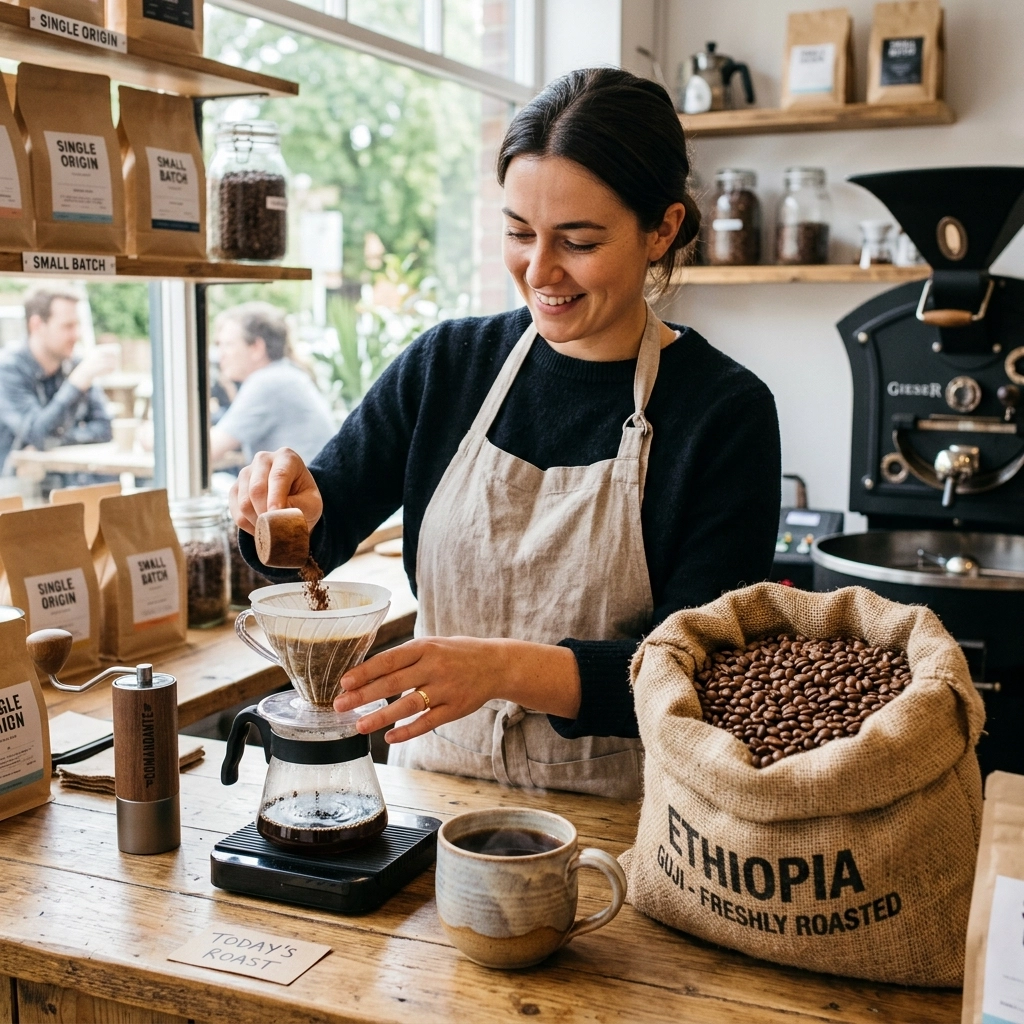
Ever noticed how a freshly opened bag of Limini Coffee can fill an entire room with the scent of chocolate, berries, or toasted nuts? That isn't magic: it’s chemistry.
When we roast coffee, we are essentially triggering hundreds of chemical reactions (the Maillard reaction being the big one). This process creates volatile organic compounds. These are the bits that provide the aroma and flavor. However, these compounds are, as the name suggests, volatile. They want to escape.
As soon as the roast is finished, the beans start to oxidize. This is the same process that turns an apple brown. In coffee, oxidation kills the delicate top notes: the flowery, fruity, and bright acidic flavors that make single-origin coffees so special. If your beans are months old, those compounds are long gone, leaving you with nothing but the woody, bitter structure of the bean.

Degassing: The "Goldilocks" Zone
Now, there is a catch. "Freshly roasted" doesn't mean "roasted five minutes ago."
When coffee is roasted, carbon dioxide (CO2) gets trapped inside the bean. For the first 24 to 48 hours, the beans are degassing so intensely that they can actually block water from properly extracting the flavor. If you try to brew an espresso with beans roasted three hours ago, you’ll get a giant, fizzy head of crema that tastes metallic and sour. Not something we would recommend.
We usually find the "sweet spot" is between 5 to 14 days post-roast. This is when the CO2 has settled down enough to allow for a steady extraction, but the aromatic oils are still at their peak. It's during this window that you'll notice the most complex flavor profiles.
Health Benefits You Can Actually Taste
We often talk about coffee as a caffeine delivery system, but freshly roasted beans are actually a powerhouse of antioxidants.
Research has shown that coffee is one of the highest sources of antioxidants in the Western diet: even higher than green tea or cocoa in some studies. Specifically, we’re looking at chlorogenic acids (CGA). These compounds are great for reducing inflammation and protecting your cells.
The problem is? These antioxidants degrade over time. Pre-ground coffee or beans that have been sitting in a warehouse for six months contain significantly more free radicals and fewer beneficial compounds. By choosing freshly roasted beans, you aren't just getting a better taste; you’re getting a much "cleaner" cup of coffee.
And let’s talk about that brain fog. We’ve noticed (and science backs us up) that the cognitive boost from fresh coffee feels different. It’s sharper. It’s cleaner. This is likely due to the preservation of those volatile compounds that work in tandem with caffeine to improve reaction time and concentration. Plus, the sheer joy of a delicious cup of coffee is a mood-lifter in its own right!
Why Single Origin Reviews Actually Matter Now
When you’re drinking stale coffee, every bag tastes more or less the same: "coffee-flavored." But when you switch to fresh beans, the concept of terroir suddenly makes sense.
Imagine a Rwandan coffee with a bright, orange-like acidity, or a Brazilian bean that tastes like a liquid Snickers bar. These nuances only exist when the bean is fresh. This is why we are so passionate about our single origin reviews. We want you to experience the specific hard work of the farmers in those regions.
Basically, fresh roasting unlocks the "voice" of the bean.

Dialing in Your Brew: Practical Tips for Home Baristas
If you’ve made the jump to buying fresh, you need to treat those beans with respect. Here is how to make sure you aren't wasting that premium quality:
1. Grind on Demand
If you buy freshly roasted beans but grind the whole bag at once, you’ve basically defeated the purpose. Ground coffee has a massive surface area, meaning it oxidizes in minutes. Invest in a decent burr grinder. It’s the single best piece of brewing gear you can buy.
2. Watch Your Water Temperature
Fresh beans are more "active" than stale ones. We recommend brewing between 88 C to 95 C (190 F to 203 F). If you go too hot (boiling), you might burn those delicate oils we worked so hard to preserve. If you go too low, you won't extract the sweetness.
3. Use a Scale
Consistency is key. We love using a coffee brewing calculator to get our ratios right. A standard starting point is 60g of coffee per liter of water for filter, or a 1:2 ratio for espresso (e.g., 18g in, 36g out).
4. Perfect the Puck
For the espresso lovers out there, fresh beans produce a beautiful, thick crema because of the CO2 content. But this means your tamping technique needs to be spot on. If you tamp unevenly, the water will find the path of least resistance (channeling), and you’ll miss out on that syrupy body.

The Equipment Factor
While you can brew amazing fresh coffee with a simple French Press or V60, having the right machinery certainly helps. For those looking to take their home setup to the professional level, equipment like the La Spaziale range offers the thermal stability needed to really highlight the notes in a fresh roast.
Whether you’re using a manual lever machine or a high-end automatic system, the quality of the bean remains the foundation. You can have a £10,000 machine, but if the beans are stale, the coffee will be mediocre. However, a fresh bag of Limini beans in a basic setup? That’s going to beat the expensive machine with old beans every single time.
Is It Worth the Effort?
You might be thinking, "Scott, this sounds like a lot of work. Is it really that different?"
Yes. It really is.
The first time you drink a cup of coffee that actually tastes like blueberries: without any added syrups or flavorings: your brain does a bit of a backflip. You realize that coffee isn't just a bitter morning necessity; it’s a complex, culinary experience.
At Limini Coffee, we roast in small batches to ensure that by the time the postman drops that box at your door, the beans are right in that "Goldilocks" window of perfection. We don't believe in coffee sitting on shelves. We believe in roasting, packing, and getting it to you while it’s still "alive" with flavor.

Summary: Your Path to Better Coffee
So, if you want to change the way you drink coffee, here is your checklist:
- Check the "Roasted On" date: If it doesn't have one, don't buy it.
- Buy small and often: Don't bulk buy for six months. Buy what you’ll drink in two weeks.
- Store it right: Keep it in a cool, dark place in an airtight container (though the bags we use with one-way valves are actually perfect).
- Experiment: Try a different single origin every time you order to find your favorite flavor profile.
Coffee is a journey, and the move to freshly roasted beans is where the scenery finally starts to get interesting. It’s the difference between watching a movie on an old black-and-white TV and seeing it in 4K Ultra HD.
If you’re ready to stop settling for "fine" and start demanding "incredible," we’d love to help you out. Check out our latest roasts over at Limini Coffee and see (and smell) the difference for yourself.
Happy brewing!