Your guests are already mobile-first. Your hotel should be too.
80% of hotel website visits happen on mobile devices. Yet many properties still design for desktop and adapt for mobile as an afterthought. That's backwards: and it's costing you bookings.
A mobile-first strategy puts smartphones at the center of your guest experience. It transforms how travelers discover, book, and interact with your property. And it creates new revenue opportunities at every touchpoint.
Mobile Drives Direct Bookings
Mobile isn't just where guests browse. It's where they buy.
Properties accepting mobile payment methods like Apple Pay and Google Pay see higher conversion rates. The reason? Friction kills bookings. When guests can complete a reservation with a fingerprint or face scan, they're more likely to finish what they started.
Direct bookings matter even more on mobile. Guests searching on their phones want answers fast. If your booking engine loads slowly or forces them to another site, they'll bounce to an OTA. A native mobile experience keeps them in your ecosystem: and keeps commission fees in your pocket.
Mobile channels also unlock location-based marketing. Geo-fencing lets you send real-time offers based on where guests are physically located. Walking past your hotel bar? Get a notification for happy hour specials. Near a local attraction? Receive a discount on event tickets through the hotel.
This matters because timing changes everything. Guests aren't interested in spa packages during the booking process. They're focused on room rates and availability. But after check-in, when they're settled in and exploring? That's when upsells work. Mobile gives you the moment-to-moment access to make relevant offers when guests actually want them.
Guests Expect Mobile Control
Today's travelers want their entire journey in one place.
57% of travelers want a single app to plan, book, and track their trip. Over 70% of U.S. travelers always use their phones while traveling. These aren't preferences: they're expectations.
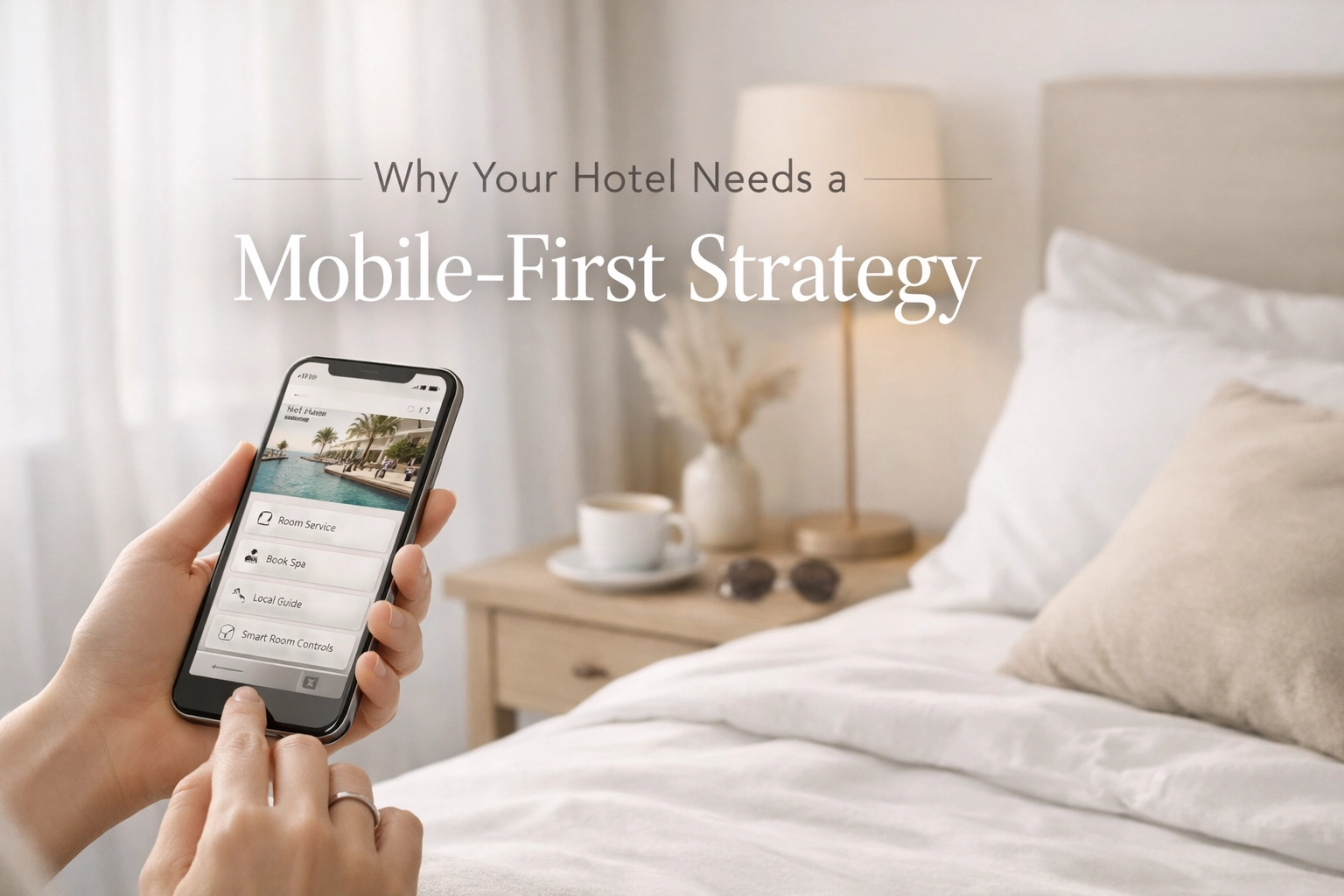
Mobile check-in has become table stakes. Guests want to skip the front desk, choose their room, and head straight to their floor. Keyless entry through a smartphone app eliminates the plastic key card entirely. These aren't gimmicks. They're conveniences that free up guest time and reduce touchpoints.
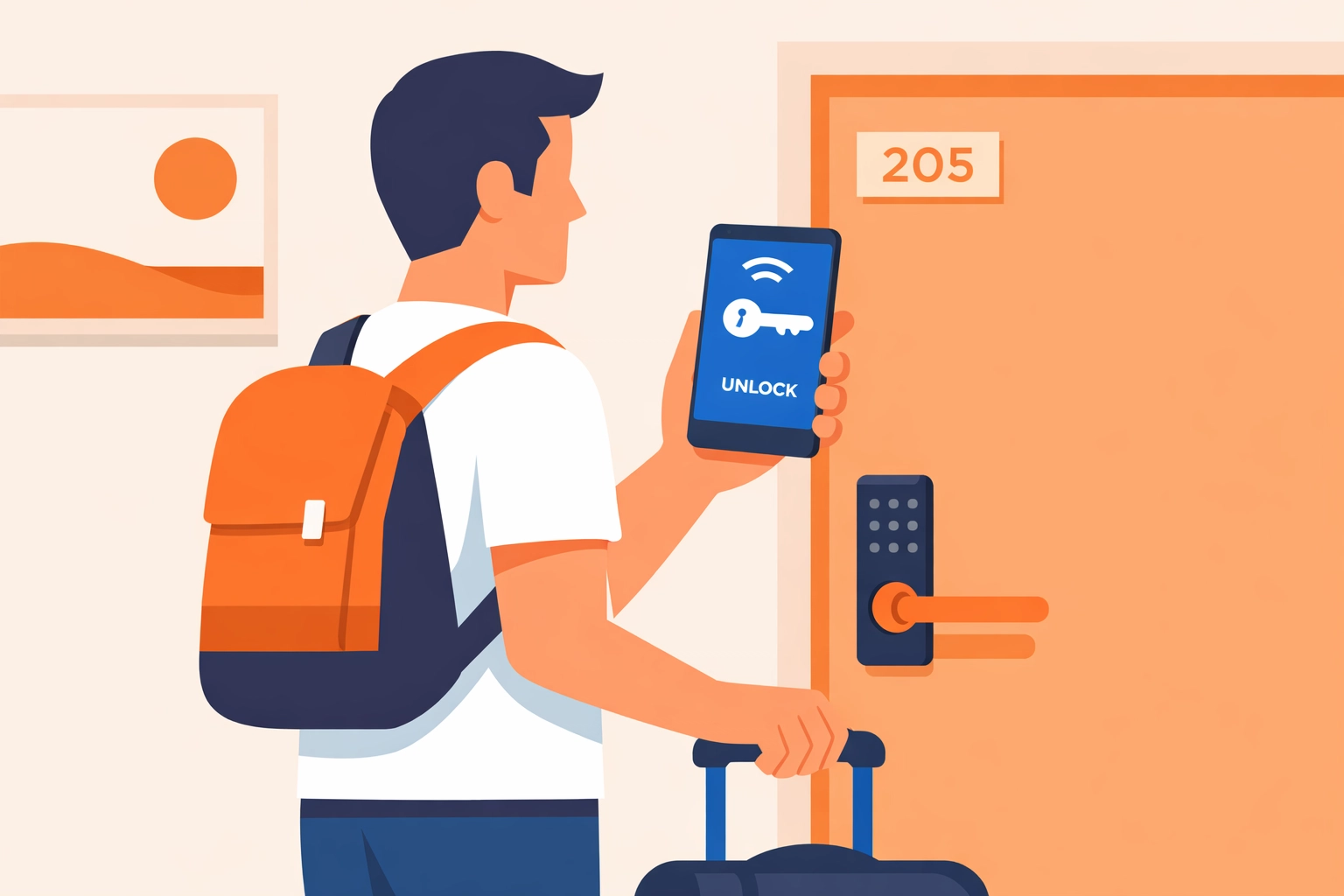
The best mobile experiences give guests control. View their folio in real-time. Request housekeeping or maintenance. Order room service. Book spa appointments. Message the front desk. All without picking up a phone or walking to the lobby.
This flexibility matters more post-pandemic. Contactless preferences haven't disappeared: they've become standard. A hotel property management system that supports mobile guest services isn't innovative anymore. It's necessary.
Voice-activated devices in rooms extend mobile functionality even further. Guests can control lighting, temperature, and entertainment without touching a switch. This integration between mobile apps and in-room technology creates a seamless experience that keeps guests engaged with your platform throughout their stay.
Staff Mobility Changes Operations
Mobile-first isn't just for guests. Your team needs it too.
Front desk staff tied to desktop computers can't help guests anywhere else. Housekeeping without mobile devices can't update room status in real-time. Maintenance crews with paper tickets waste time tracking down information.
Staff mobility through a hotel pms transforms operations. Front desk agents can check guests in from the lobby, poolside, or during events. Housekeeping updates room status immediately after cleaning, triggering faster front desk notifications. Maintenance receives and completes work orders through mobile devices, updating status without returning to an office.
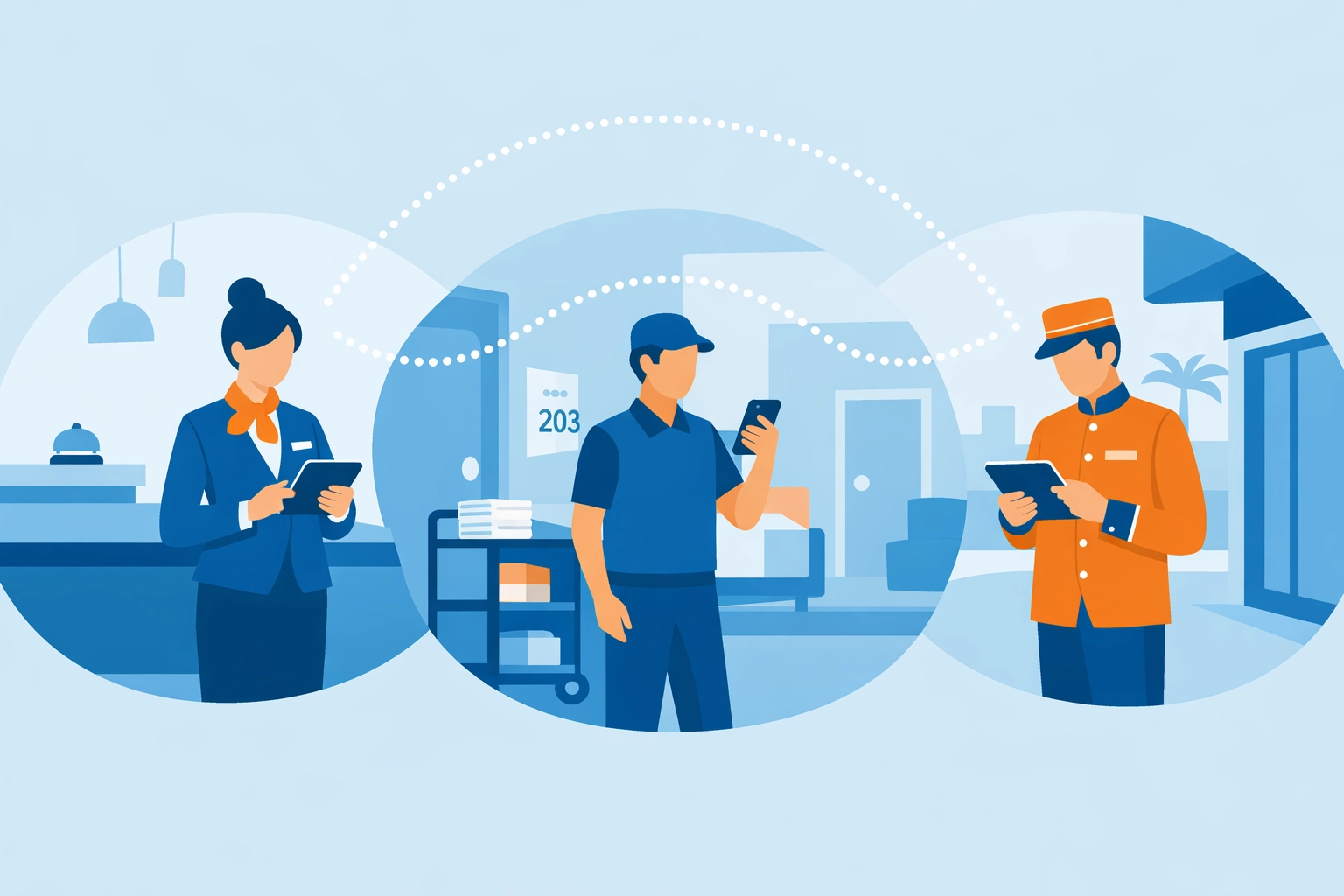
This operational flexibility improves service speed. When your team has information at their fingertips, they solve problems faster. No more "let me go back to the desk and check." Guests get answers immediately.
Cloud-based systems make this possible. A modern hotel property management system built for mobile access lets staff work from anywhere. Updates sync instantly across all devices. Everyone sees the same real-time information.
Mobile-First Wins in Search
Google's mobile-first indexing prioritizes mobile-optimized sites.
If your website isn't designed for mobile, you're losing visibility in search results. Google evaluates your mobile site first when determining rankings. A slow, clunky mobile experience hurts your SEO: even if your desktop site is perfect.
Mobile-first design means faster load times. Intuitive navigation. Forms that work with phone keyboards. Buttons sized for thumbs. These details seem small, but they dramatically impact user experience and conversion rates.
Speed matters especially on mobile. Guests on smartphones are often on cellular networks, not WiFi. A page that takes five seconds to load on mobile loses over half its potential visitors. They'll bounce to a competitor before your booking engine even appears.
Integrated booking engines keep guests in your ecosystem. When visitors click "Book Now" and stay on your site: rather than redirecting to a third-party platform: they're more likely to complete the reservation. That seamless experience only works when your entire site is designed mobile-first.
Personalization Creates Loyalty
Mobile enables personalization at scale.
Behavioral data from mobile interactions tells you what guests want. Which amenities they browse. What times they book. How they prefer to communicate. This intelligence powers targeted marketing that feels relevant, not intrusive.
Location data enhances personalization further. When a repeat guest arrives in your city, send a welcome message with their favorite room already reserved. When they're near your property, offer early check-in if available. These touches build loyalty because they're timely and useful.
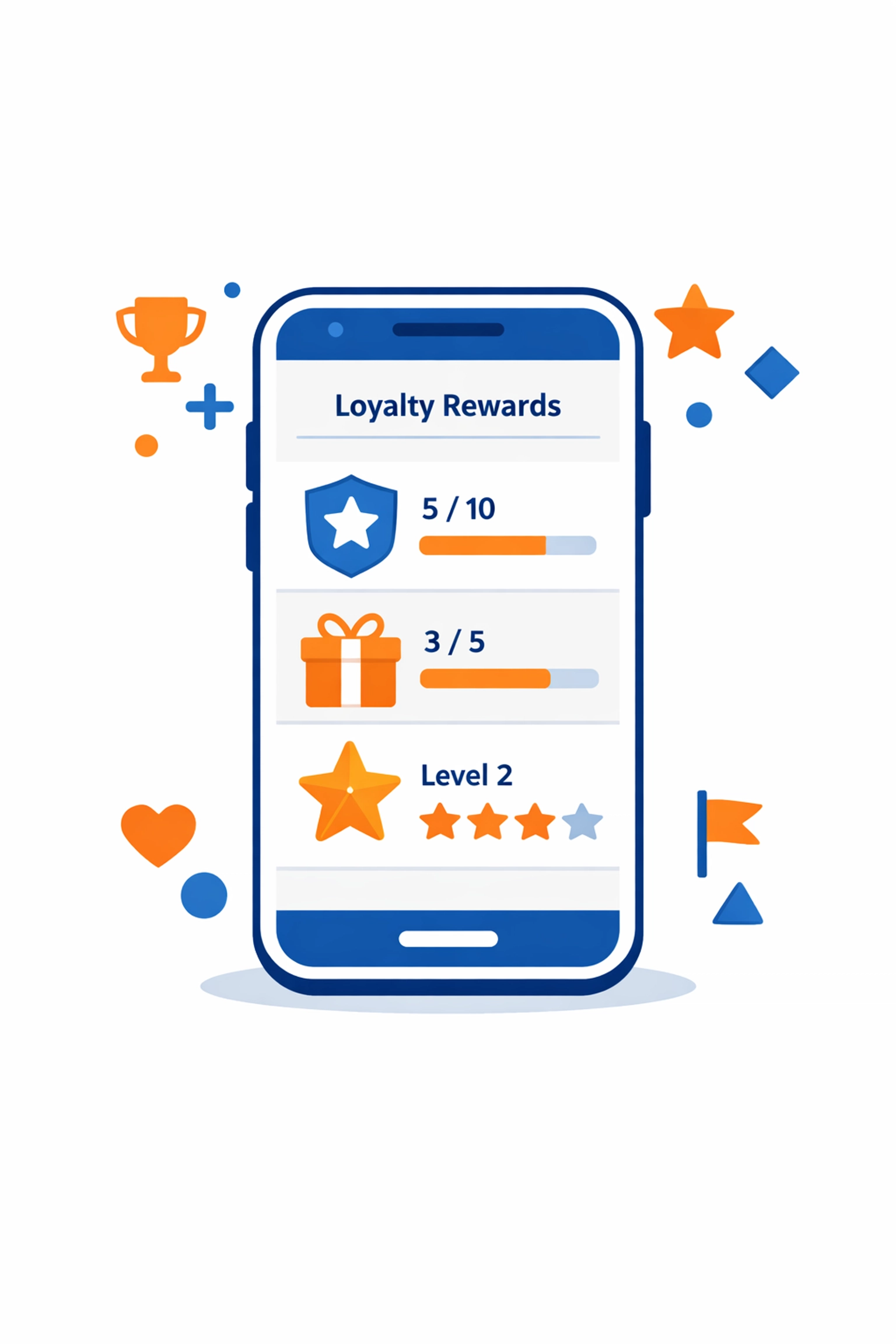
Gamified loyalty programs work particularly well on mobile. Guests earn points for app interactions, social shares, and on-property spending. Badges and achievements encourage engagement. This isn't just fun: it's data collection that helps you understand guest preferences while rewarding participation.
Mobile apps create ongoing relationships. After guests check out, the app doesn't disappear. Push notifications remind them to book their next stay. Special offers for returning guests appear at the right moment. Reviews and feedback happen seamlessly through the app.
Your Next Move
A mobile-first strategy isn't optional anymore. It's how hospitality works now.
Start with your booking experience. Is it genuinely designed for mobile, or adapted from desktop? Test it yourself: book a room on your phone. Time how long it takes. Note where you get frustrated. Fix those friction points first.
Next, evaluate your hotel property management system. Does it support mobile check-in? Staff mobility? Guest messaging? Real-time updates across devices? If you're working with legacy software that requires desktop access, you're limiting your operational potential.
Mews offers a cloud-native hotel PMS built for mobile-first operations. Both guests and staff get the flexibility they need. Mobile check-in, keyless entry, and real-time communication come standard: not as add-ons.
The properties winning today aren't just mobile-friendly. They're mobile-native. That mindset shift changes everything about how you design experiences, train staff, and connect with guests.
Your guests are already living mobile-first. The question isn't whether to join them. It's how quickly you can catch up.