Your hotel PMS should make life easier. But if you're constantly firefighting double bookings, manually updating rates across channels, or watching guests queue at the front desk: something's wrong.
The problem usually isn't the software itself. It's how you're using it.
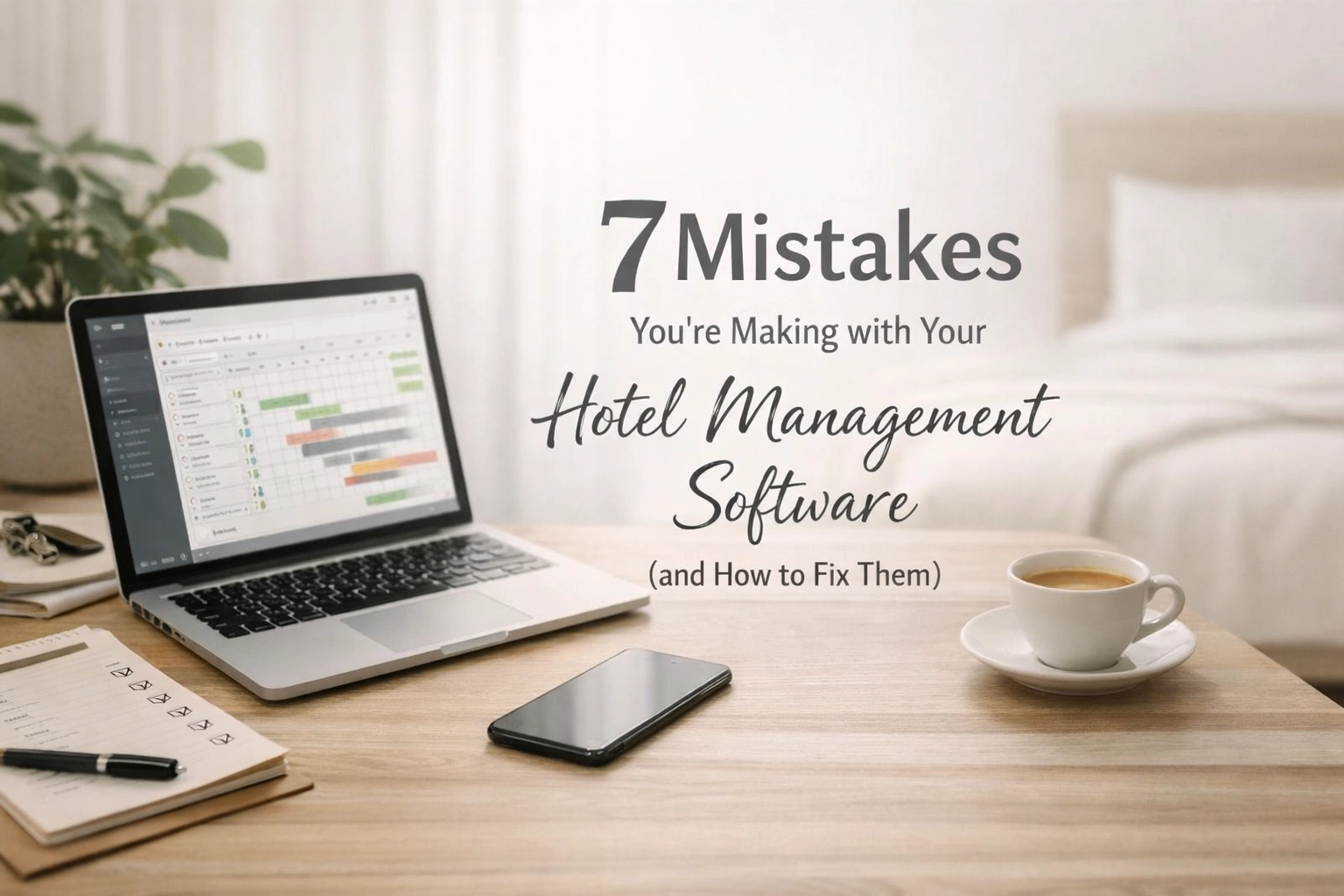
Here are the seven most common mistakes hoteliers make with their hotel management software, and the simple fixes that'll save you time, money, and a lot of headaches.
1. You're Overriding Everything Manually
We get it. You want control. So you manually adjust pricing here, tweak availability there, and override restrictions everywhere else.
But here's the thing: every manual change creates an inconsistency. You lose track of what you've changed. Your channel manager gets confused. Your booking engine shows different rates than your PMS. And suddenly, you're spending hours trying to remember which dates you touched last month.
The fix: Trust your automation. Modern hotel PMS platforms are built to handle dynamic pricing, availability rules, and restrictions automatically. Set your parameters once, then let the system work. If you're constantly overriding it, your settings need adjusting: not your automation.
Cloud-native systems like Mews are designed specifically for this. Configure your rules properly, and the platform handles the rest across all channels simultaneously.
2. Your Setup Is Half-Finished
During onboarding, you filled in the basics. Room types. A few rate plans. Maybe some minimum prices.
Then you stopped.
Incomplete configurations break your system's logic. Missing competitor data means inaccurate pricing. Inconsistent room-type naming confuses your channel manager. Undefined rate rules create booking errors that only surface when a guest complains.
The fix: Complete your configuration. All of it. Then revisit it quarterly. Your hotel evolves: seasonality changes, competitors shift pricing, demand patterns fluctuate. Your PMS settings should reflect that reality.
Use consistent naming conventions everywhere. If it's a "Deluxe King" in your PMS, it's a "Deluxe King" in your booking engine and on every OTA. No variations, no confusion.
3. Your Systems Don't Talk to Each Other
Your PMS lives in one world. Your channel manager in another. Your booking engine? That's its own island.
This disconnection creates chaos. Double bookings happen because inventory doesn't sync. Rate discrepancies appear because updates don't push everywhere simultaneously. You're manually entering the same guest data into multiple systems because nothing integrates.
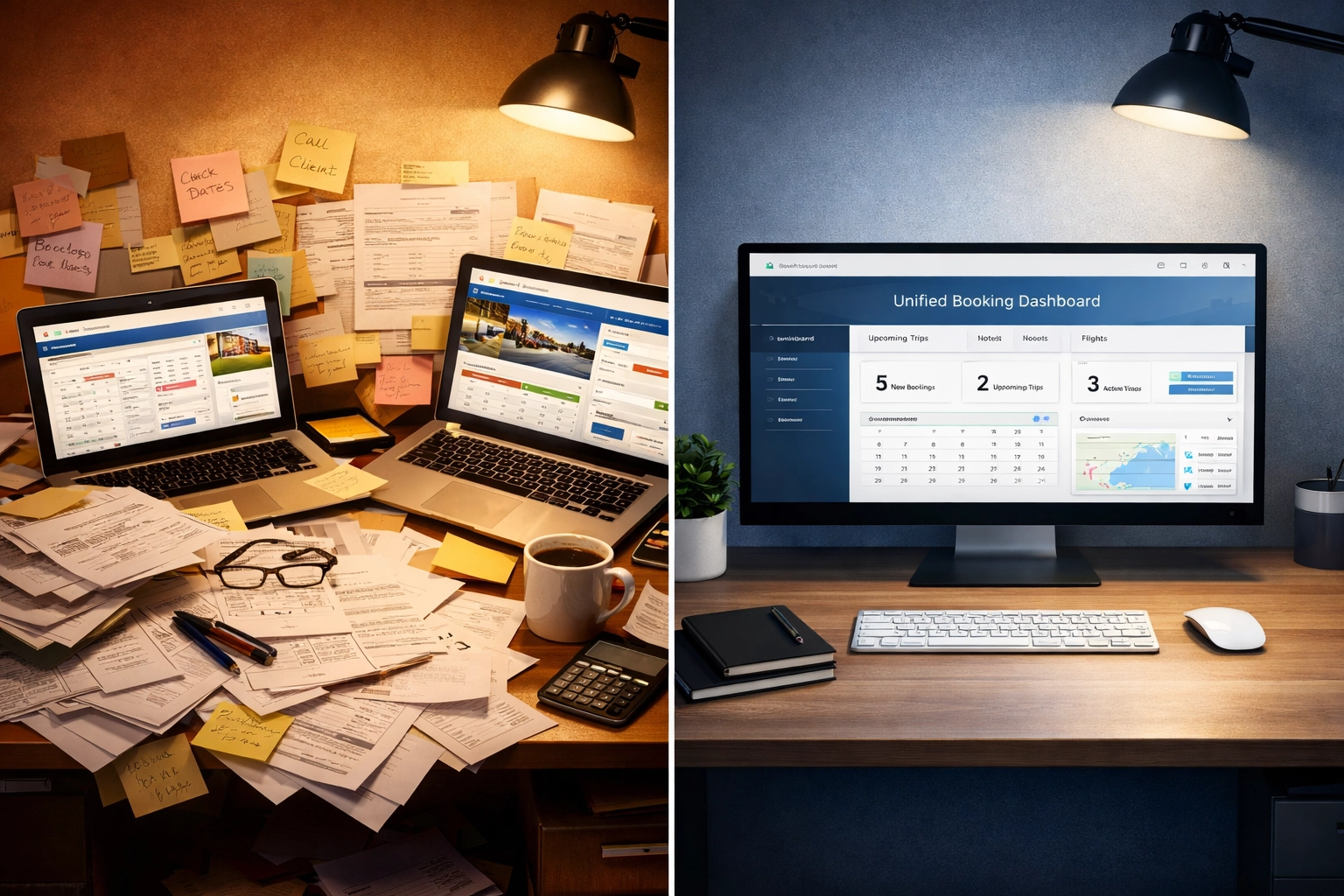
The fix: Integrate everything. Your PMS, channel manager, booking engine, and CRM should operate as one unified platform: not separate tools you're trying to duct-tape together.
Real-time synchronization isn't optional anymore. When a booking comes through Booking.com at 2 AM, your entire system should update instantly. Inventory, pricing, availability: all of it, everywhere.
Modern hotel management software handles this natively. No middleware. No lag time. Just seamless data flow across every touchpoint.
4. You Set Your Channels and Forgot About Them
You connected to Booking.com, Expedia, and Agoda during setup. Great.
Then you never touched them again.
Your channels aren't static billboards. They're dynamic distribution tools that need active management. Leaving them on autopilot means you're paying high commissions when you could be driving direct bookings, accepting short stays when you could mandate minimums during high season, and showing availability when you should be closing channels strategically.
The fix: Manage your channels actively. Apply length-of-stay restrictions during peak periods. Close expensive channels when you're near capacity. Open direct booking channels with better rates to encourage guests to book through your website instead.
Your hotel PMS should give you this control without jumping through hoops. One dashboard, all channels, updated in real time.
5. You're Flying Blind Without Real-Time Data
You discover pricing issues when guests call to complain. You realize you're overbooked when someone shows up without a room. You learn about a demand spike from your competitor's full parking lot: not your own reporting.
Operating without real-time visibility means you're always reacting. Never planning. Always behind.
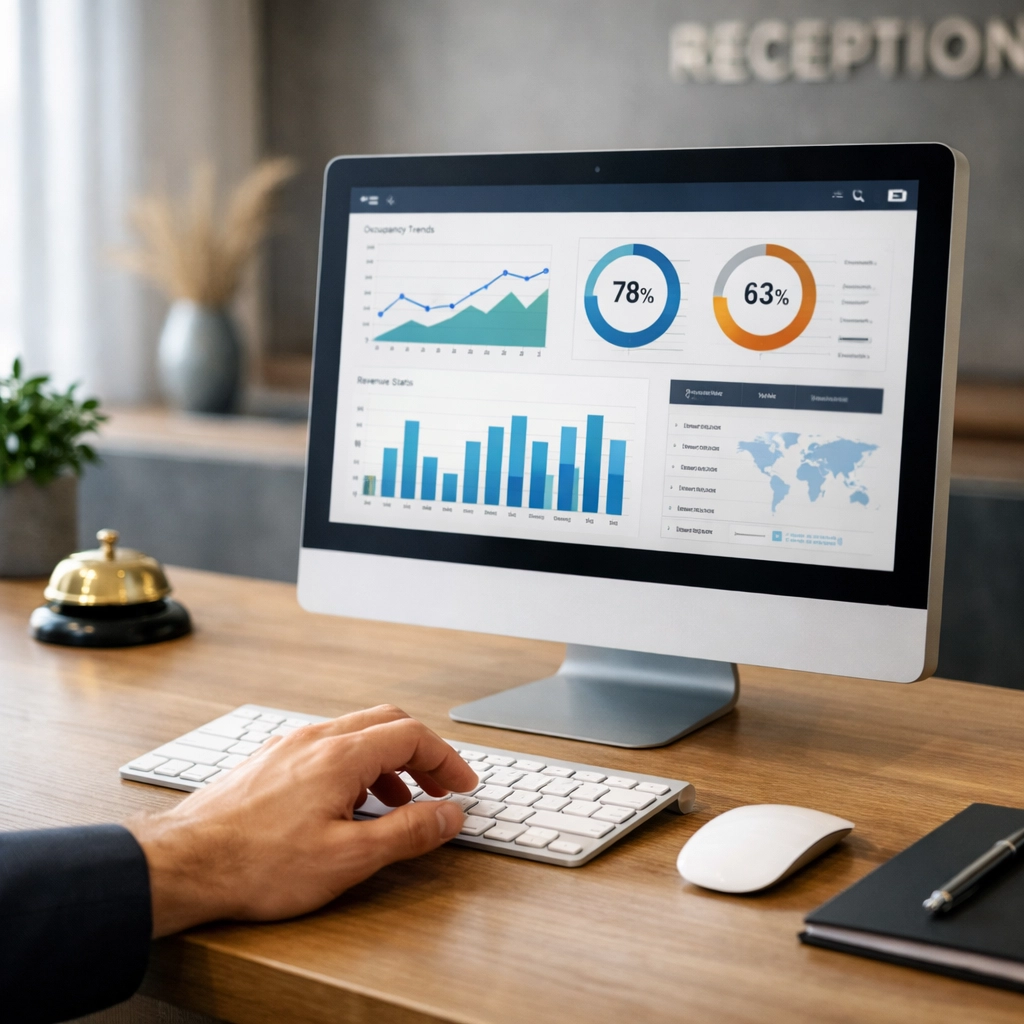
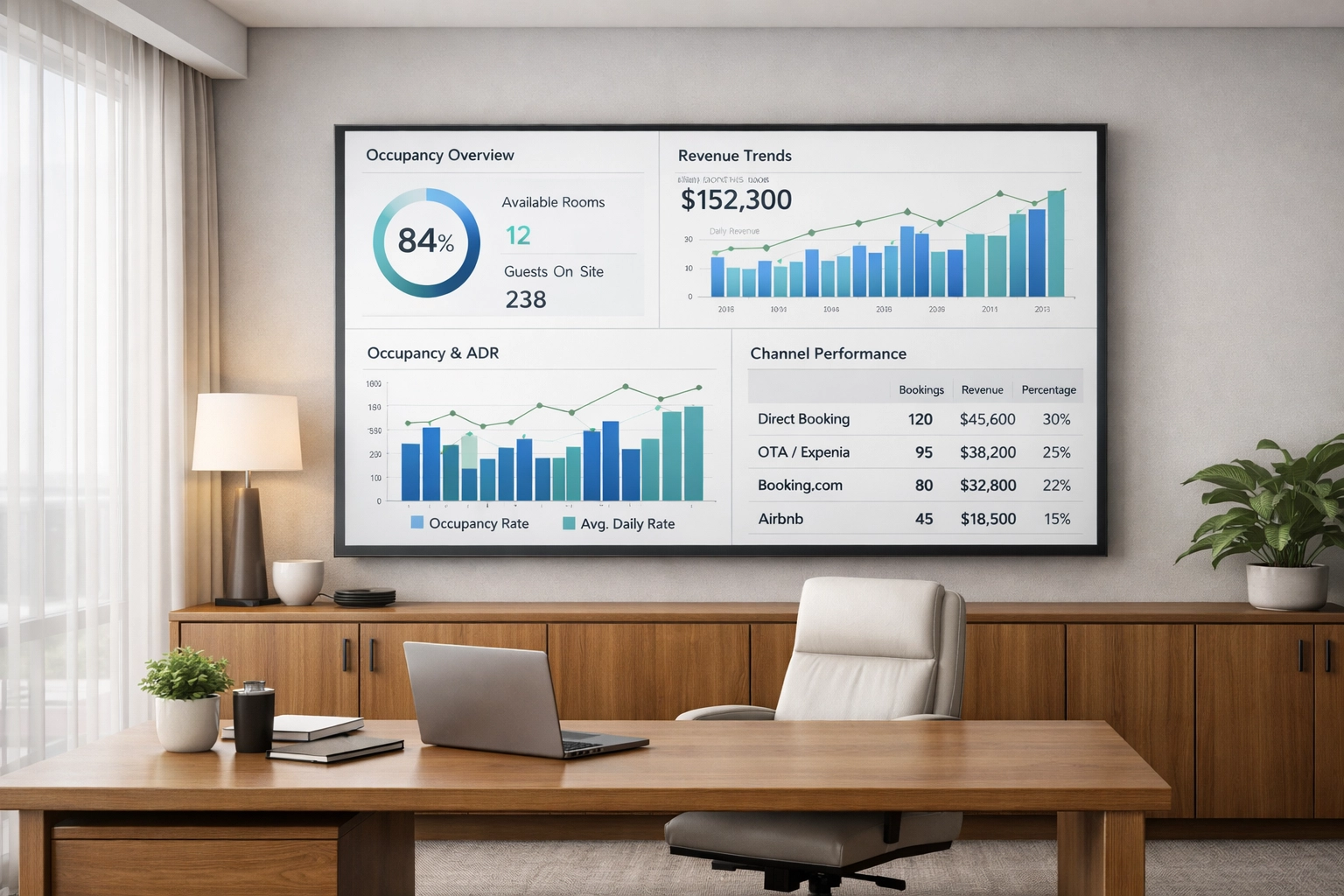
The fix: Build your dashboard. Occupancy rates, revenue trends, channel performance, pickup patterns: all visible at a glance. Review it daily. Spot trends before they become problems. Adjust rates proactively, not reactively.
Cloud-based hotel PMS platforms update in real time because everything lives in one place. No waiting for overnight batch processing or manual exports. Current data, available everywhere, immediately.
6. Your Staff Barely Knows How to Use It
Your front desk clicks through the same three screens every day. Your managers log in just to run reports. Those advanced automation features you paid for? Nobody uses them because nobody knows they exist.
Insufficient training turns powerful software into expensive paperweights. Your team falls back on manual workarounds because learning the proper method seems too complicated. Guest service slows down. Errors multiply. Frustration builds.
The fix: Train your team properly. Not just during onboarding: continuously. When new features launch, schedule refresher sessions. Create simple guides for common tasks. Encourage questions and experimentation.
The easiest hotel management software to use is the one your team actually understands. If your current system requires a computer science degree to operate, that's a software problem: not a training problem.
7. You're Ignoring Updates and Performance Metrics
Your software pushed an update notification six months ago. You dismissed it. Then dismissed the next one. And the next.
Meanwhile, you have no idea if your PMS is actually improving your performance. You don't track occupancy against industry benchmarks. Your average daily rate (ADR) could be climbing or tanking: you wouldn't know because you never established KPIs.
The fix: Update your software. Always. Updates include performance improvements, security patches, and new automation features that save time and increase revenue.
Then measure what matters. Track occupancy, ADR, RevPAR, and channel mix monthly. Compare against your own historical data and industry standards. Use these metrics to identify what's working and what needs adjustment.
Your hotel PMS should make this easy. Built-in analytics, customizable reports, and benchmark comparisons: all standard features in modern systems.

The Common Thread
Notice the pattern? Most mistakes come from treating your hotel management software like a static tool instead of a dynamic platform that needs ongoing attention and optimization.
The solution isn't working harder. It's working smarter: letting automation handle routine tasks while you focus on strategic decisions that actually move revenue.
Modern, cloud-native hotel PMS platforms are built exactly for this. Real-time synchronization. Intuitive interfaces. Powerful automation. All the features you need without the complexity you don't.
If your current system makes these mistakes easy to make and hard to fix, that's a sign. Not that you need better processes: that you need better software.
Explore how Mews handles all of this automatically: configuration, integration, automation, and real-time visibility designed for hoteliers who'd rather focus on guests than software gymnastics.
Your hotel management software should make you more efficient, more profitable, and less stressed. If it's not doing all three, something needs to change.