
So you're thinking about starting a coffee shop? Brilliant. The UK coffee scene is thriving, and there's always room for another quality-focused café. But before you start picking out furniture and designing logos, let's talk about what actually matters when setting up a coffee shop in 2026.
We've worked with hundreds of cafés over the years, and we've seen what separates the ones that thrive from the ones that close after six months. Here are the 10 things you absolutely need to know before you start.
1. Your Location Makes or Breaks Everything
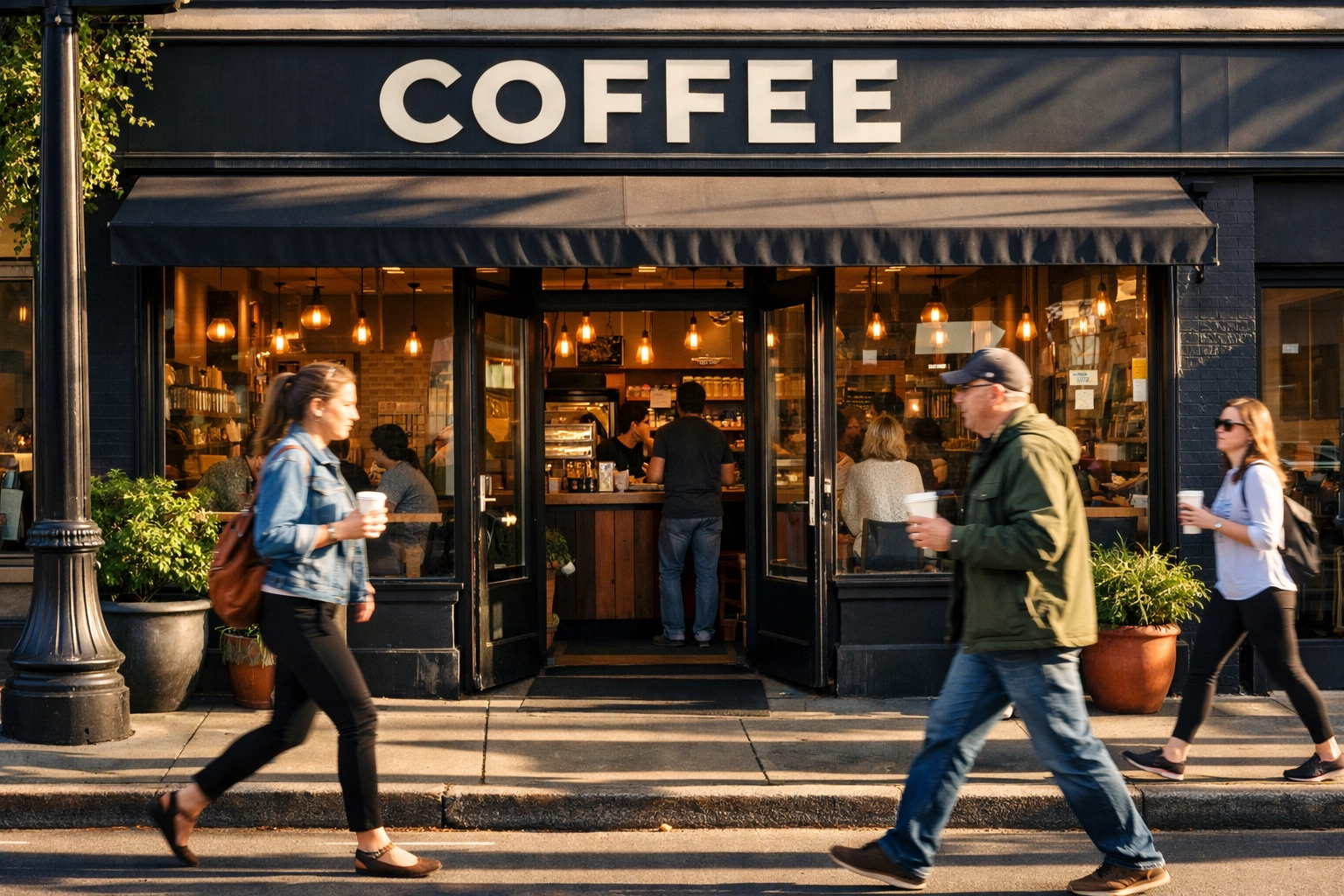
Let's start with the big one. Location isn't just important – it's everything.
You need footfall, visibility, and accessibility. A beautiful café tucked away on a quiet side street might work if you're building a destination spot with an existing following, but for most new coffee shops? You need people walking past your door.
Think about your target customer. Are you near offices (morning rush, lunch crowds)? Students (all-day trade, lower spend per head)? Residential areas (weekend brunch, regulars)? Each demographic changes your entire business model.
And here's the reality: prime locations cost serious money. Urban spots can run £15-£50 per square foot annually, while suburban locations might be £8-£25. But cheaper isn't always better – you need to calculate potential revenue against rent costs.
2. Budget More Than You Think (Then Add 20%)
Here's what nobody tells you: setting up a coffee shop costs more than your initial estimate. Always.
For a small to medium café, you're realistically looking at £80,000 to £200,000 total startup costs. Yes, really. Coffee carts can start around £10,000-£30,000, but a proper brick-and-mortar space? Budget accordingly.
Your biggest expenses will be:
- Leasehold improvements: £20,000-£100,000 (plumbing, electrical, permissions)
- Equipment: £15,000-£50,000 (espresso machines, grinders, refrigeration)
- Initial inventory and supplies: £3,000-£8,000
- Working capital: £20,000-£50,000 (this keeps you afloat while you build custom)
That working capital bit? Don't skip it. Most coffee shops don't break even immediately, and you need 3-6 months of operating expenses in reserve to survive those early months.
3. Equipment is Where You Invest, Not Compromise
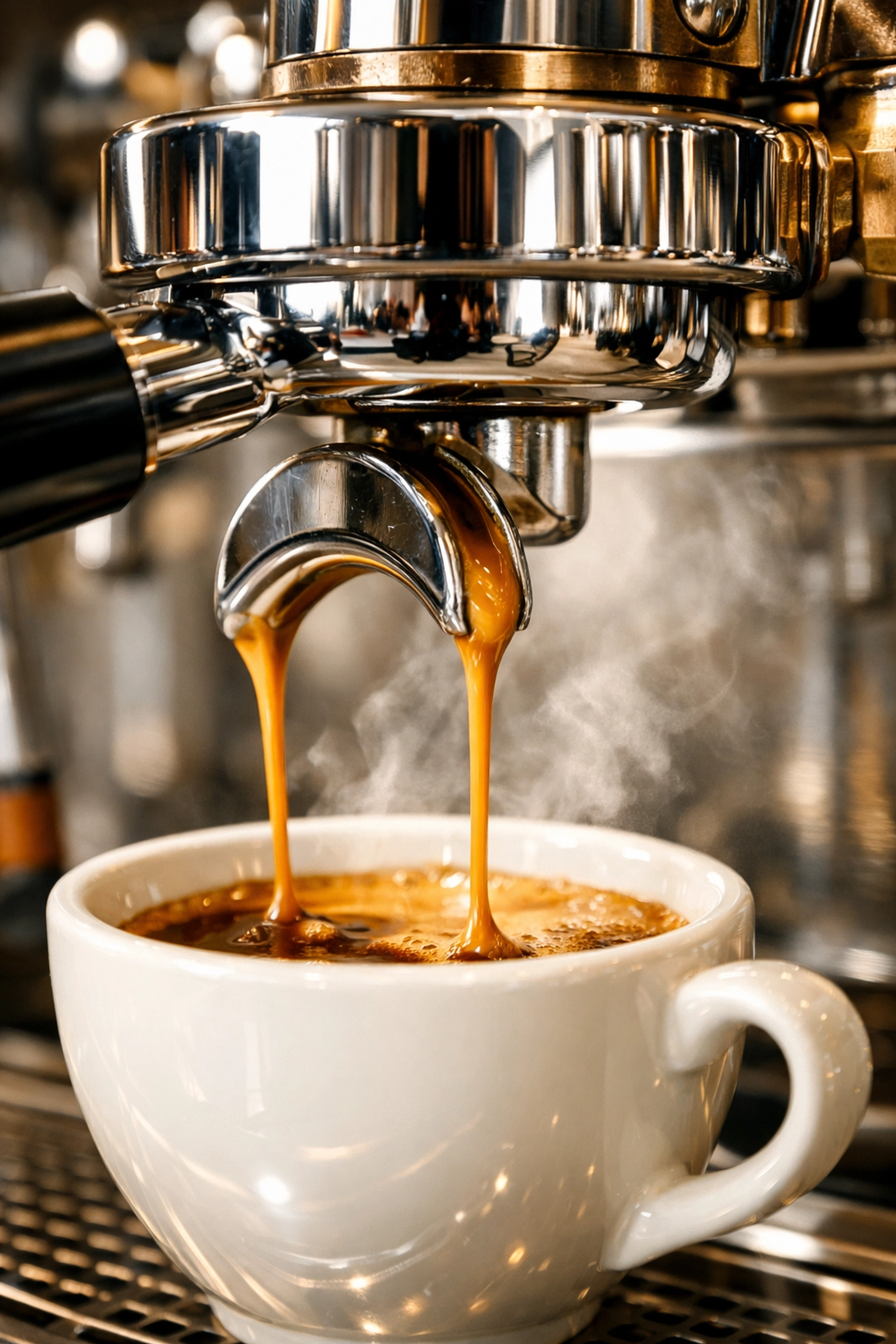
Your espresso machine and grinder are the heart of your operation. This is not the place to cut corners.
A quality commercial espresso machine ranges from £3,000 to £15,000+ depending on group heads and features. Grinders run £500-£3,500. Cheap equipment breaks down, produces inconsistent coffee, and costs you more in repairs and lost customers.
We've seen too many new cafés buy budget equipment, struggle with consistency, and end up replacing everything within a year. It's expensive and demoralizing.
If you're serious about choosing the right setup, check out our guide on choosing espresso equipment. And honestly? Talk to your roaster early. A good wholesale coffee partner will help you spec equipment that matches your volume and quality goals.
4. Find Your Coffee Roaster Before You Open
This is critical: your coffee roaster isn't just a supplier – they're a partner.
You need a roaster who:
- Sources quality beans ethically
- Delivers reliably (imagine running out of coffee on a Saturday morning)
- Provides proper training for your team
- Supports you with equipment advice and troubleshooting
- Understands your business goals
At Limini Coffee, we work with cafés from day one – helping with equipment selection, providing comprehensive barista training, and supporting you through installation and beyond. We're not just dropping off coffee and disappearing.
Your roaster relationship affects everything from your menu to your margins. Choose wisely.
5. Barista Training is Non-Negotiable
You can have the best beans and equipment in the world, but if your barista can't dial in espresso or steam milk properly? You're serving bad coffee.
Proper barista training covers:
- Espresso extraction and dialing in
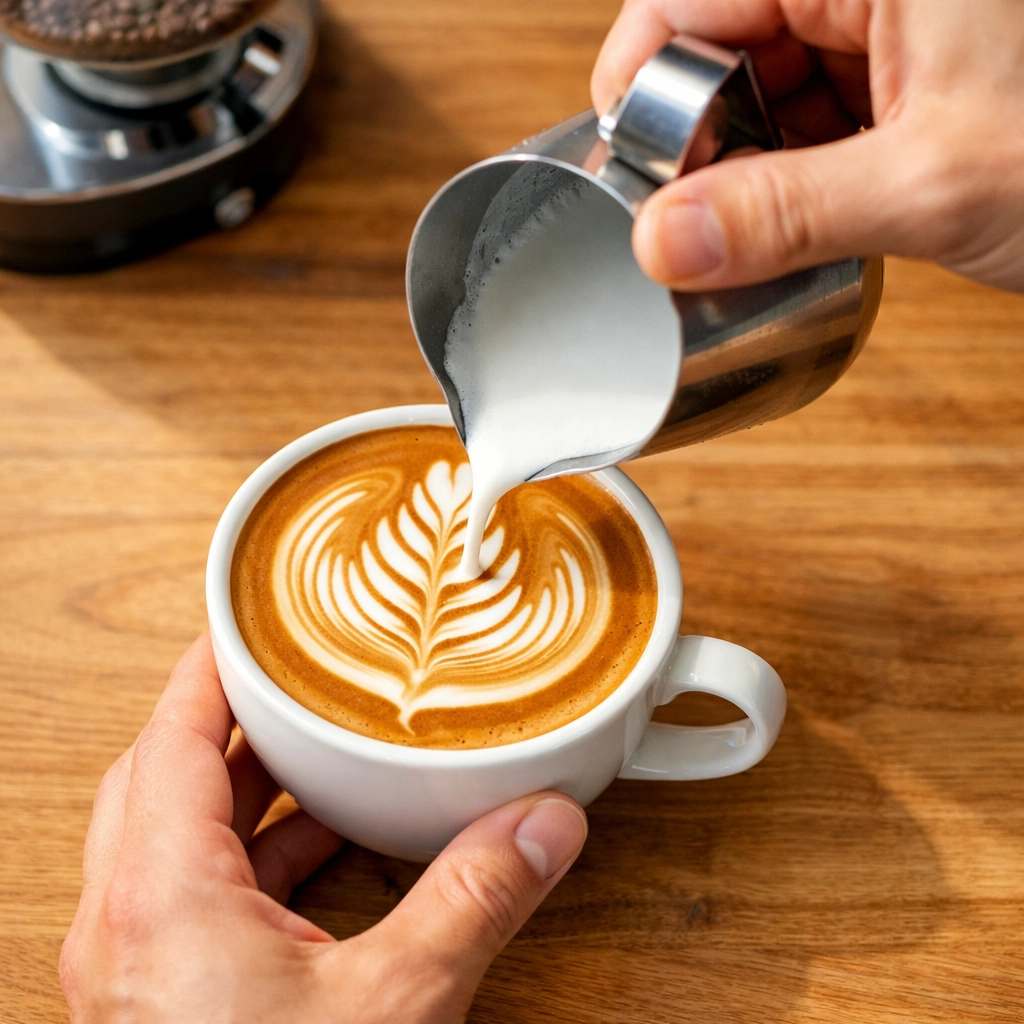
- Milk steaming and pouring
- Equipment maintenance and cleaning
- Customer service and café workflow
- Understanding coffee origins and flavor profiles
This isn't a one-day course. Quality training takes time, and your team needs ongoing support. When you're setting up a coffee shop, factor in training costs – both the initial investment and ongoing education.
The good news? Many specialty roasters (including us) provide comprehensive training as part of their wholesale partnerships. It's in everyone's interest that your café serves excellent coffee.
6. Start Small With Your Menu
New coffee shop owners often make the same mistake: trying to do too much.
You don't need 47 drink options, a full breakfast menu, homemade pastries, and vegan everything on day one. Start with excellent coffee, a tight food menu, and nail the basics.
Focus on:
- Dialing in your core espresso drinks perfectly
- Two or three milk alternatives maximum
- Simple, high-quality food that complements coffee
- Consistent execution every single time
You can expand once you've mastered your foundation. Complexity kills quality in a new café. Keep it simple, keep it excellent.
7. Quality Over Quantity (Seriously)
There's a temptation to compete on price, serve larger sizes, and chase volume. Don't.
The coffee shops that thrive in 2026 are the ones focused on quality. Customers increasingly understand and appreciate specialty coffee. They'll pay for better beans, better preparation, and better service.
Your margins are better on quality coffee anyway. A £3.50 flat white made with specialty beans costs roughly the same to produce as a £2.80 flat white made with commodity coffee – but customers value it more, return more often, and tell their friends.
Build your reputation on excellence. The volume follows.
8. Understand Your Operating Costs
Opening costs are one thing. Staying open? That's about understanding your monthly numbers.
Expect monthly operating costs of £8,000-£25,000+ depending on your size:
- Labor: 25-35% of revenue (usually your biggest ongoing expense)
- Rent: Aim for 6-10% of gross sales maximum
- Coffee and supplies: 25-35% of revenue
- Utilities, insurance, maintenance: Budget accordingly
Work backwards from these numbers. If your rent is £3,000/month, you need to be generating at least £30,000-£50,000 in monthly revenue just to stay viable. Know your break-even point before you sign a lease.
9. The Support System Matters
Starting a coffee shop can be isolating. You're making a thousand decisions daily, often without a roadmap.
Connect with:
- Your coffee roaster's support team
- Other local café owners (less competitive than you think)
- Industry groups and forums
- Equipment technicians who know your machines
When you partner with a roaster like Limini Coffee, you're getting access to decades of café experience. We help with shop fitting advice, equipment troubleshooting, menu development, and business strategy. Because when you succeed, we succeed.
Don't try to figure everything out alone. Ask questions. Lots of them.
10. Plan for Sustainability, Not Just Opening Day
The final thing: think beyond opening week.
Will your equipment last? Can you maintain your espresso machine properly? Do you have systems for training new staff? How will you handle growth?
Build sustainable practices from day one:
- Proper equipment maintenance schedules
- Staff training documentation
- Consistent opening/closing procedures
- Supplier relationships that can scale
- Financial systems that give you real-time data
The cafés that make it past year one are the ones that plan for year five.
Starting a coffee shop in 2026 is absolutely achievable – but it requires proper planning, realistic budgets, and the right partners. Get your location right, invest in quality equipment, find a roaster who genuinely supports you, and focus relentlessly on serving excellent coffee.
If you're serious about setting up a coffee shop and want to talk through your plans, get in touch with us at Limini. We love working with new cafés, and we're here to help you succeed from day one.
Now go make brilliant coffee. ☕️