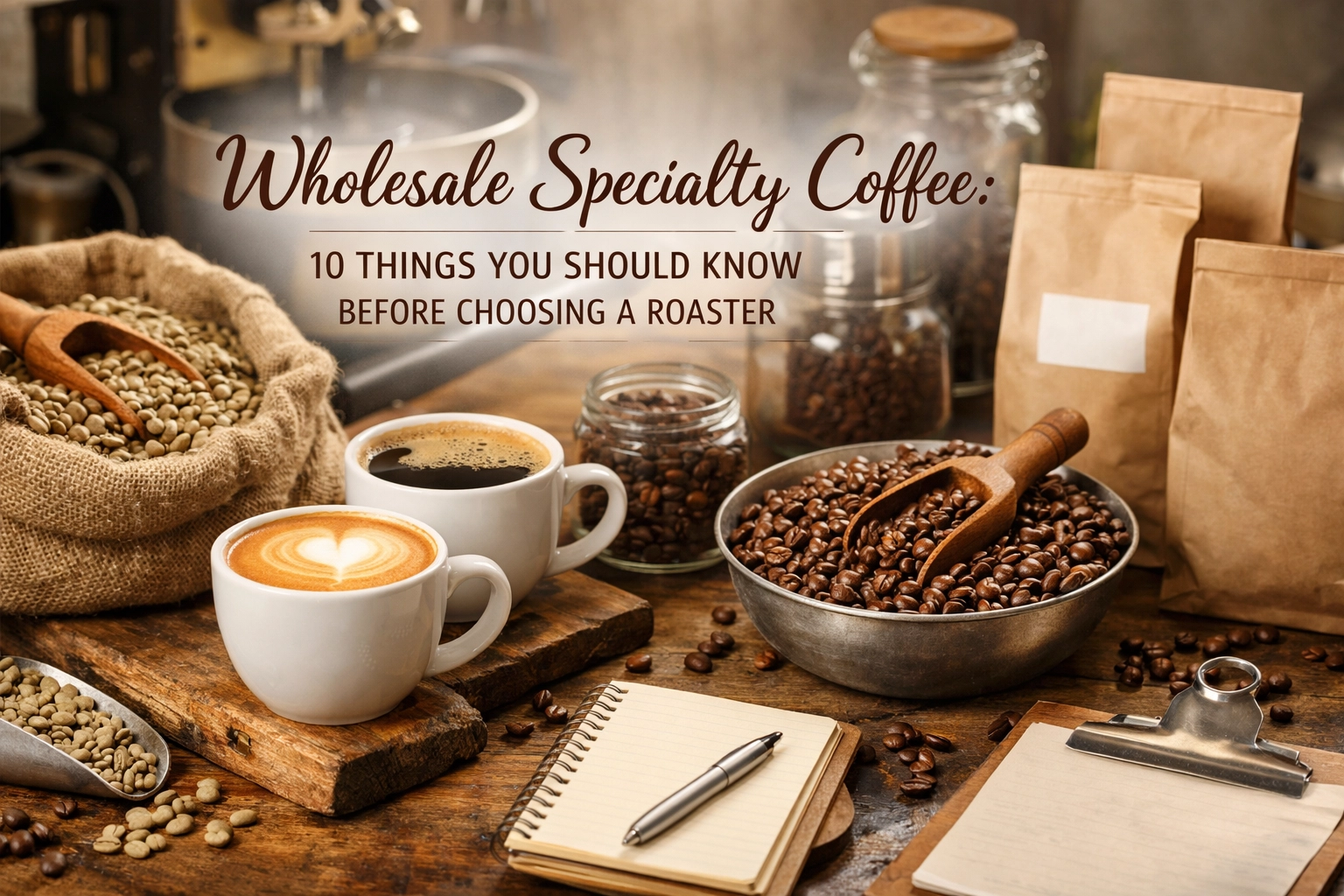
Choosing a wholesale specialty coffee roaster isn't just about finding someone who can ship you beans every week. It's about finding a genuine partner who understands your business, shares your values, and can grow alongside you. We've seen too many coffee shops and cafés jump into partnerships without asking the right questions, only to find themselves stuck with inconsistent quality or a roaster who treats them like just another invoice number.
So let's break down the ten things you absolutely need to know before committing to a wholesale coffee roaster. These aren't just nice-to-haves – they're the foundations of a successful partnership.
1. Get Crystal Clear on Your Own Goals First
Before you even start researching roasters, take a step back. What are you actually trying to achieve with your coffee program?
Are you aiming to become the go-to specialty coffee destination in your area? Do you want seasonal variety to keep your menu exciting? Or are you focused on consistency and approachability for customers who just want a reliably great cup every morning?
Your answers will completely change which roaster makes sense for you. If you're building a third-wave specialty café with constantly rotating single origins, you need a roaster who's deeply connected to importers and can source rare microlots. If you're running a busy breakfast spot where speed and consistency matter most, you might want a roaster with reliable house blends that perform consistently under pressure.
We believe knowing yourself first makes everything else easier.
2. Understand Their Roasting Philosophy (And Whether It Matches Yours)
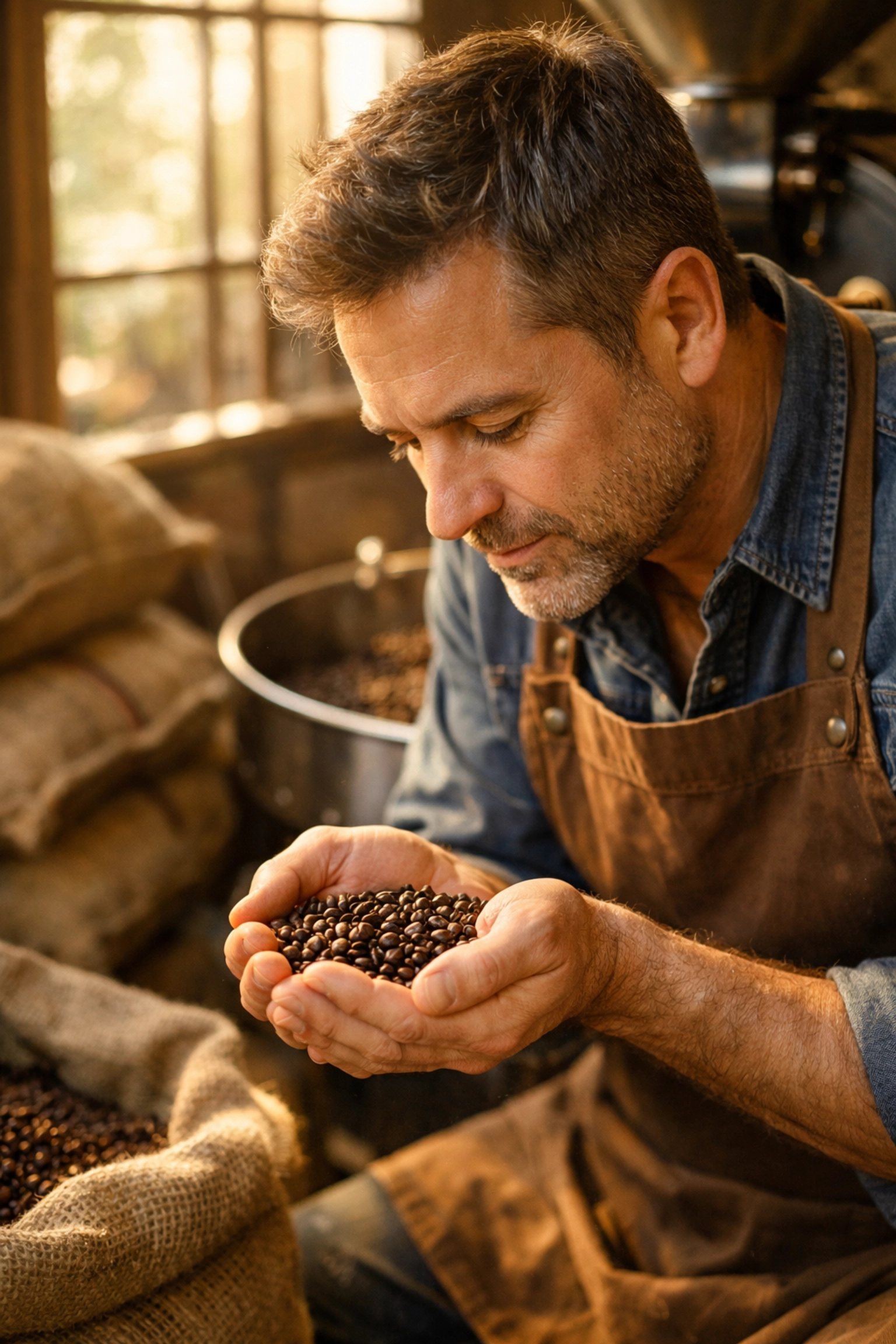
Not all specialty roasters approach coffee the same way. Some are all about ultra-light roasts that highlight fruit-forward flavors and acidity. Others prefer medium roasts with balance and sweetness. And yes, some specialty roasters still do darker roasts when done well.
The roasting philosophy matters because it affects everything – from how your espresso pulls to what your customers taste in their cups.
So dig into this. Do they roast for espresso or filter, or both? How do they develop their profiles? What's their turnaround time from roasting to delivery? Fresh is best, and coffee starts losing its peak flavors after about two weeks from roast date.
If you're passionate about naturally processed Ethiopian coffees with wild blueberry notes, but your roaster specializes in nutty Brazilian blends, you're going to have a mismatch. Find someone whose vision aligns with yours.
3. Quality and Consistency Are Non-Negotiable
This one's huge. Quality is everything in specialty coffee, but consistency is what keeps customers coming back.
Ask potential roasters about their quality control processes. Do they cup every batch? How do they handle quality issues when they arise (because they will)? What's their approach when a coffee just isn't hitting the marks they expect?
Look for roasters with proper certifications and who take their craft seriously. They should be willing to walk you through their quality protocols without getting defensive.
The reality is that coffee is agricultural – there will be variations. But a great roaster knows how to manage those variations and adjust their roasting to maintain consistency across batches. That's the skill that separates professionals from hobbyists who've scaled up.
4. Dig Deep on Coffee Sourcing and Ethics
Where the coffee comes from matters. Not just for marketing (though transparency is increasingly important to customers), but because sourcing practices directly impact quality, sustainability, and the entire supply chain.
Ask about their green coffee sourcing. Do they have direct trade relationships? Can they tell you the story behind each coffee – who grew it, where, at what altitude, how it was processed?
Ethical sourcing isn't just feel-good marketing. It means farmers are compensated fairly, which means they can invest in quality, which means you get better coffee. It's a virtuous cycle.
At Limini Coffee, we're pretty obsessive about where our beans come from and how the people who grew them are treated. It's worth finding a roaster who shares that commitment, because your customers increasingly care about these things too.
5. Make Sure Their Range Actually Fits Your Needs
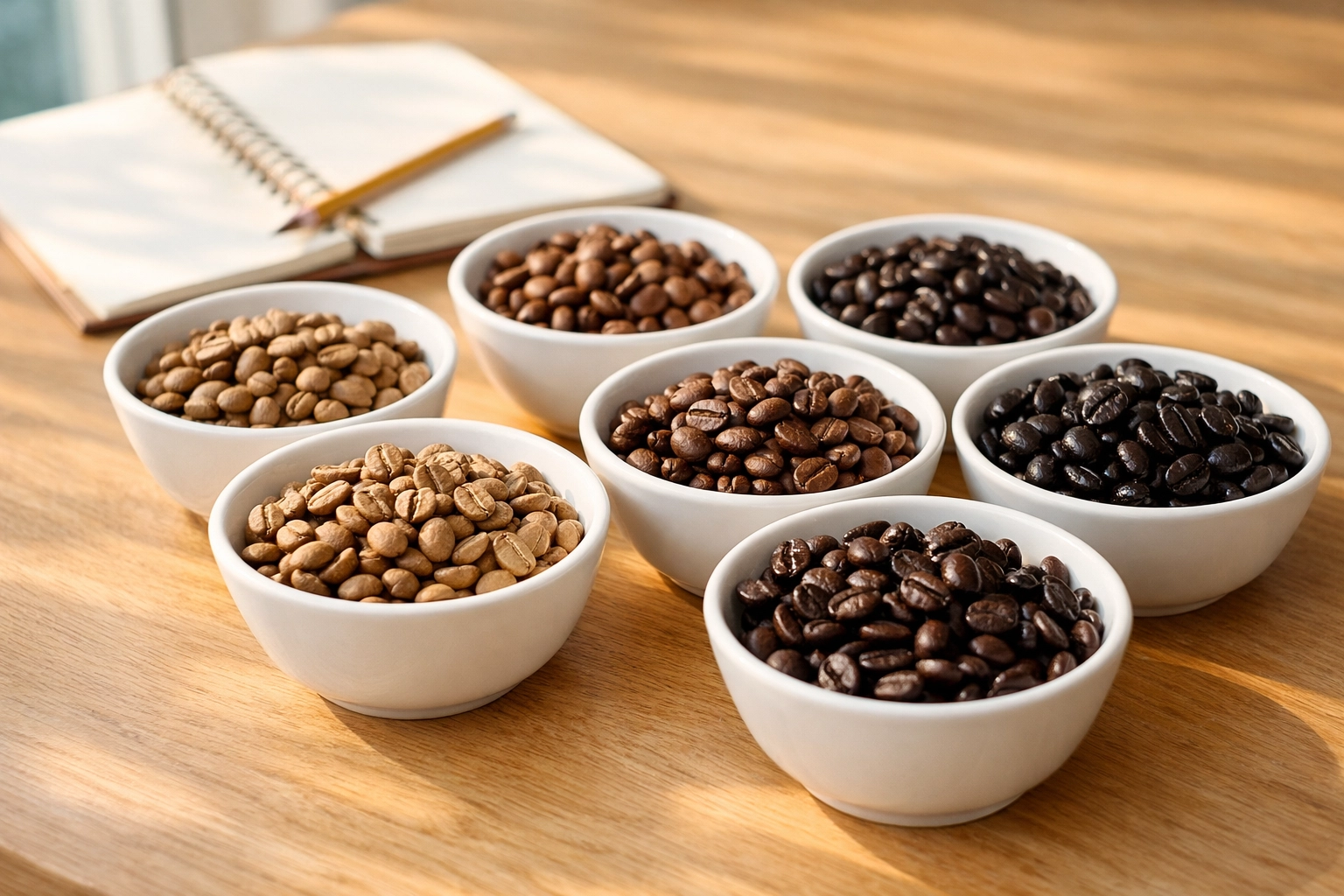
This seems obvious, but you'd be surprised how many partnerships fail because of a simple mismatch in product range.
Do they offer single origins? Blends? Seasonal specials? Decaf options that don't taste like sadness? What about different roast levels if you want variety?
If you're planning to offer a signature house blend, can they create something custom for you? Or are you limited to their standard offerings?
Some roasters specialize in hyper-seasonal microlots that change constantly. That's brilliant if you want an adventurous, ever-changing menu. But if you need reliable staples that your regulars depend on, that approach might frustrate you.
We think having both options is ideal – reliable house coffees plus rotating seasonal offerings. But not every roaster can deliver that flexibility.
6. Understand Pricing, Minimums, and the Real Costs
Let's talk money. Because a partnership falls apart quickly if the economics don't work.
What are their minimum order quantities? If you're a small café using 20 pounds a week, but their minimum is 50 pounds, you're going to have stale coffee sitting around. Not ideal.
Understand their pricing structure. Is it straightforward, or are there hidden fees for smaller orders, delivery, or packaging? What discounts are available as your volume grows?
Specialty coffee isn't cheap – nor should it be, given the work involved. But the pricing should be transparent and make sense for your business model. If you can't make the margins work while charging what your market will bear, you need to find a different roaster or adjust your approach.
7. Training and Support Can Make or Break You
Here's something that separates true partners from mere suppliers: what happens after the coffee arrives?
Does your roaster offer barista training? Can they help you dial in your espresso machine when you're struggling with a new coffee? Will they visit your location to troubleshoot if something's not working?
For many coffee shops, especially newer ones, this support is invaluable. Learning how to properly extract each coffee, understanding the nuances of different origins, training your staff – these things matter enormously for customer experience.
We offer comprehensive barista training because we know that even the best coffee in the world tastes terrible if it's extracted poorly. Find a roaster who invests in your success, not just your purchase orders.
8. Customization and Branding Options
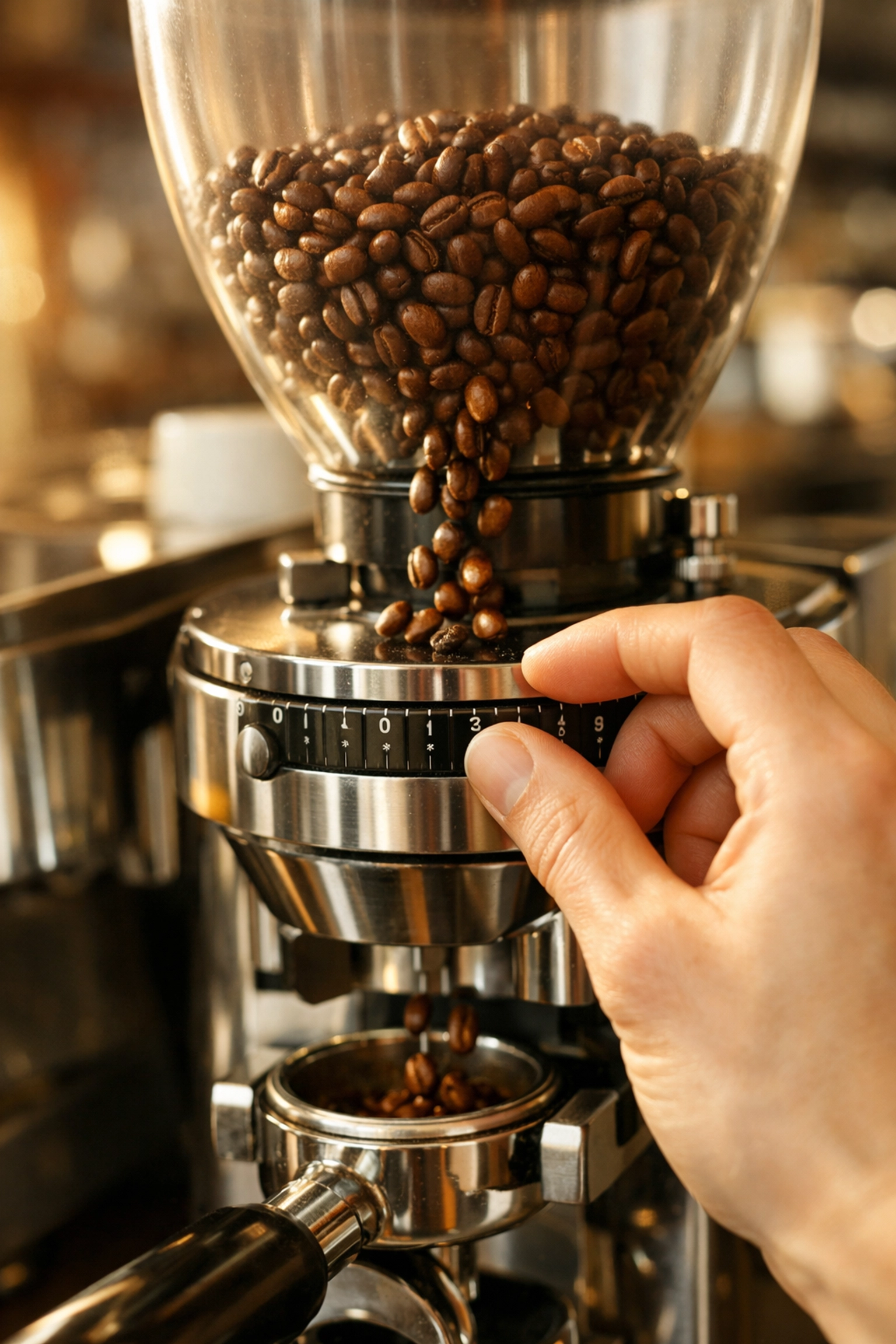
Do you want your own branded coffee bags? A signature blend that's exclusive to your business? Custom roast profiles that nobody else has?
Not all roasters offer white-label or customization services, and among those who do, the level of customization varies dramatically.
If building your own coffee brand is important to you – whether you're selling retail bags in your café or planning to expand beyond your location – you need a roaster who can accommodate that. Ask about minimums for custom blends, lead times for branded packaging, and whether they'll help you develop exclusive profiles.
On the other hand, if you're happy to serve their branded coffee and focus your energy elsewhere, that's totally valid too. Just know what you want before you commit.
9. Think About Scalability and Growth
Where do you want to be in three years? Five years?
If your plan is to open multiple locations, does your roaster have the capacity to scale with you? Can they maintain quality and consistency as your orders grow? Do they have the infrastructure to handle significantly larger volume?
Some smaller roasters are absolutely brilliant but maxed out on production capacity. That's fine if you're staying small, but problematic if you're planning aggressive expansion.
Similarly, if you want to launch a retail line or start an online coffee subscription, can they support that? Do they have fulfillment capabilities, or will you need to handle all of that yourself?
Choose a roaster whose growth trajectory aligns with yours. Growing together is beautiful; growing apart is painful and expensive.
10. Location and Delivery Logistics Matter More Than You Think
Finally, let's talk about the practical reality of getting coffee from their roastery to your grinder.
How far away are they? What are shipping costs and transit times? How quickly after roasting do you receive your coffee?
Coffee peaks around 7-14 days after roasting for espresso and a bit sooner for filter. If your coffee is spending a week in transit, that's a problem. You want maximum freshness, which generally means finding a roaster who can get coffee to you quickly after roasting.
Also consider delivery reliability. If they ship via courier, what happens when there's a delay? Do they have local pickup options? What's their reorder process like – can you easily adjust quantities or timing when your needs change?
These logistics sound boring compared to talking about exotic Ethiopian naturals, but they affect your daily operations significantly.
Finding Your Partner
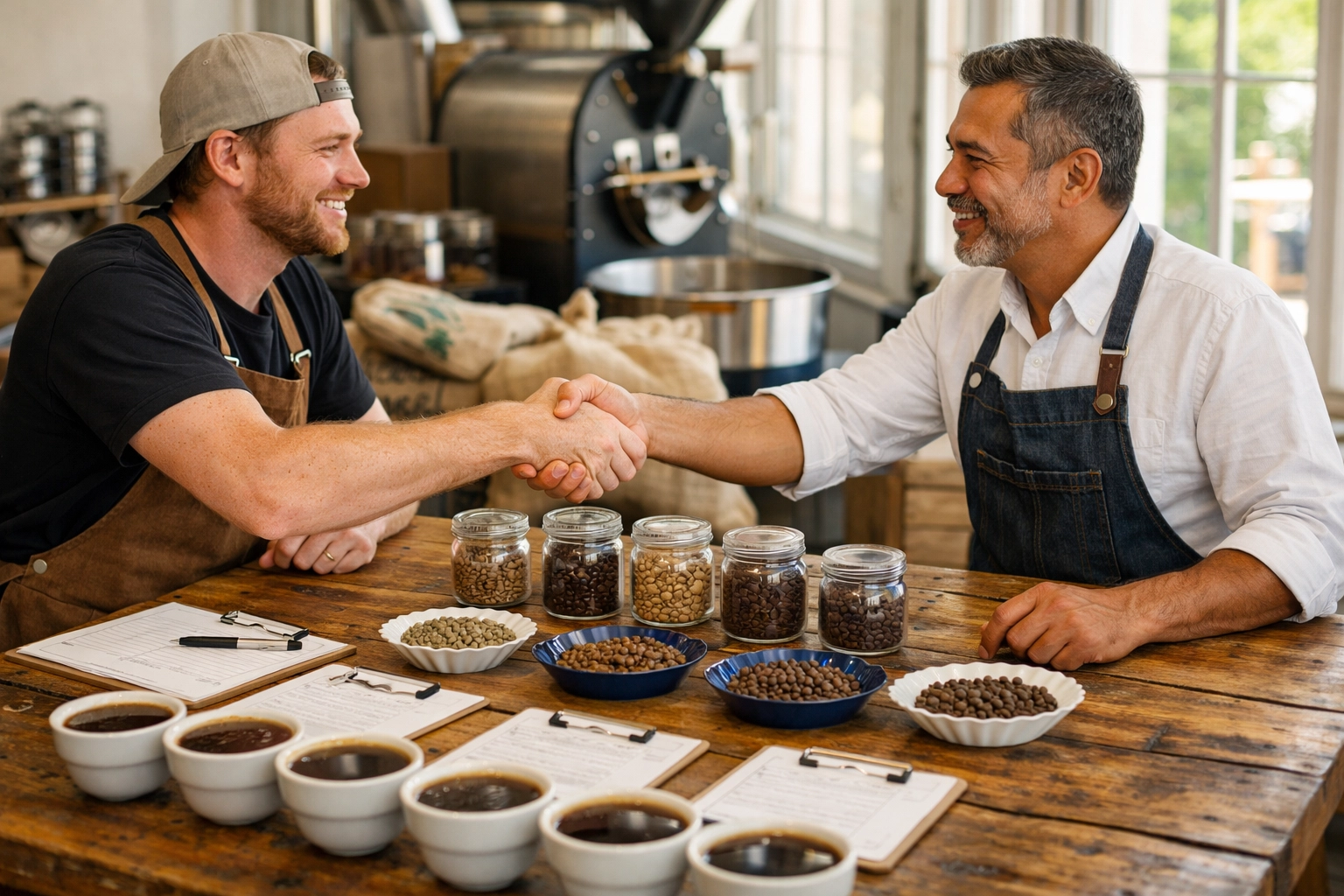
Here's the thing we've learned over years in this industry: the right roaster relationship feels less like a vendor arrangement and more like a genuine partnership.
You should feel comfortable calling them with questions. They should proactively communicate about coffee availability, new offerings, or potential issues. You should trust their recommendations and feel confident that they have your best interests in mind, not just their sales targets.
If you're exploring wholesale options and want to work with a roaster who genuinely cares about your success, check out our wholesale program. We work with coffee shops, cafés, restaurants, and offices across the UK, and we're always excited to support new partners who are passionate about great coffee.
Take your time with this decision. Ask lots of questions. Request samples. Talk to their other wholesale clients if possible. The right partnership will fuel your business for years to come, while the wrong one creates headaches you definitely don't need.
What questions do you think we missed? What's been your experience working with wholesale coffee roasters? The world of specialty coffee wholesale can feel overwhelming at first, but finding the right fit makes all the difference.