
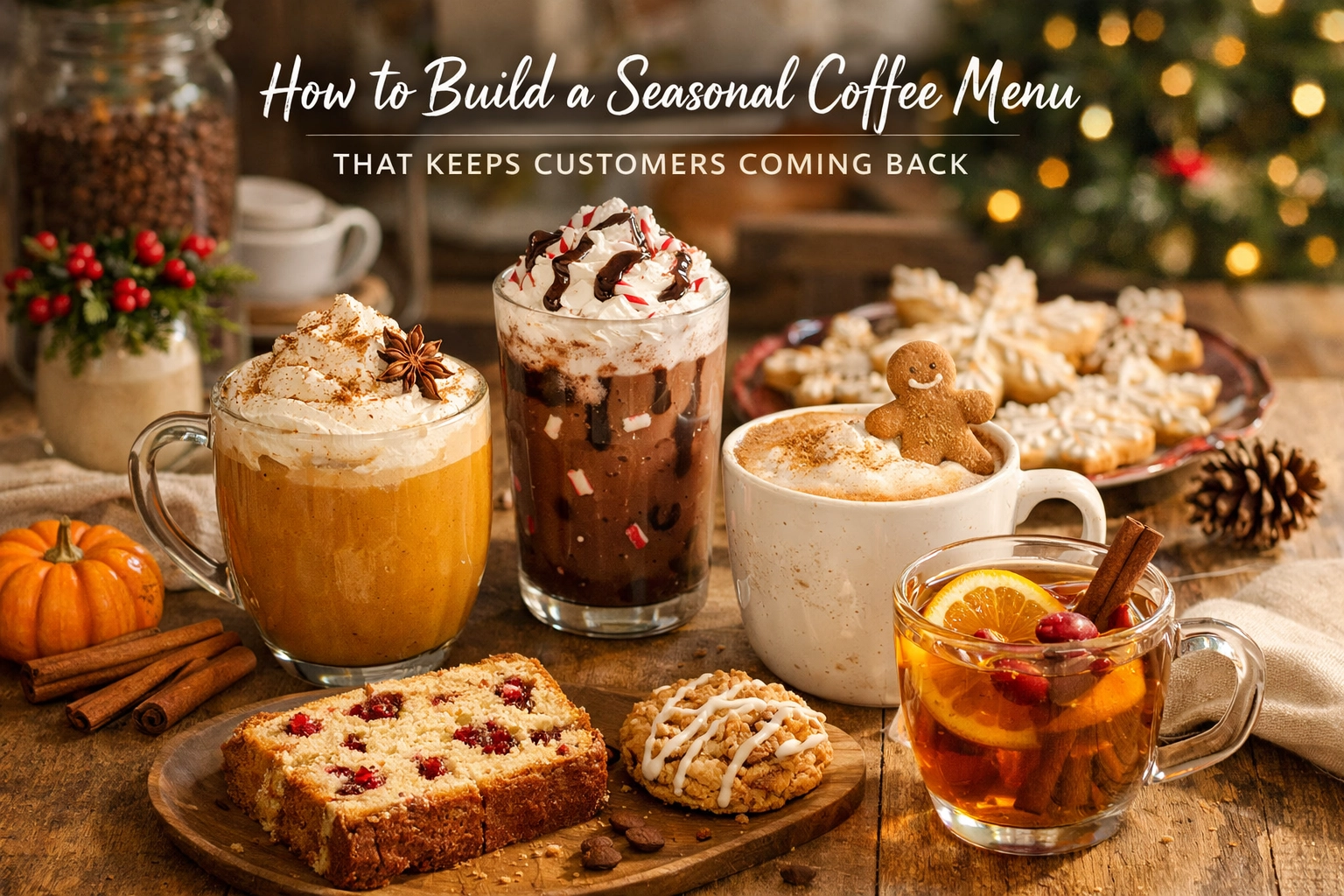
Here's the thing about running a café: your regulars love their usual order, but they also crave something new. It's this beautiful contradiction that makes seasonal coffee menus such a powerful tool for building loyalty and driving repeat visits.
A well-executed seasonal menu isn't just about slapping "Pumpkin Spice" on your board every autumn. It's about creating anticipation, telling stories through coffee, and giving your customers a reason to choose your café over the competition week after week.
Why Seasonal Offerings Actually Work
The psychology behind seasonal menus is fascinating. When you offer something for a limited time, you create urgency. Customers know they can't procrastinate on trying that Ethiopian Yirgacheffe you've sourced specifically for spring, because it'll be gone in six weeks.
This drives behavior. People visit more frequently. They bring friends to try the new offering before it disappears. They post about it on social media because it feels special and timely.
But there's more to it than FOMO (fear of missing out). Seasonal offerings also give you permission to experiment. Not every coffee needs to be a permanent fixture. You can introduce bold, interesting single origins or unconventional blends without the pressure of them becoming menu staples. Some will become customer favorites that earn a permanent spot. Others will rotate out naturally, making room for the next experiment.
Choosing Your Seasonal Stars: Blends vs. Single Origins
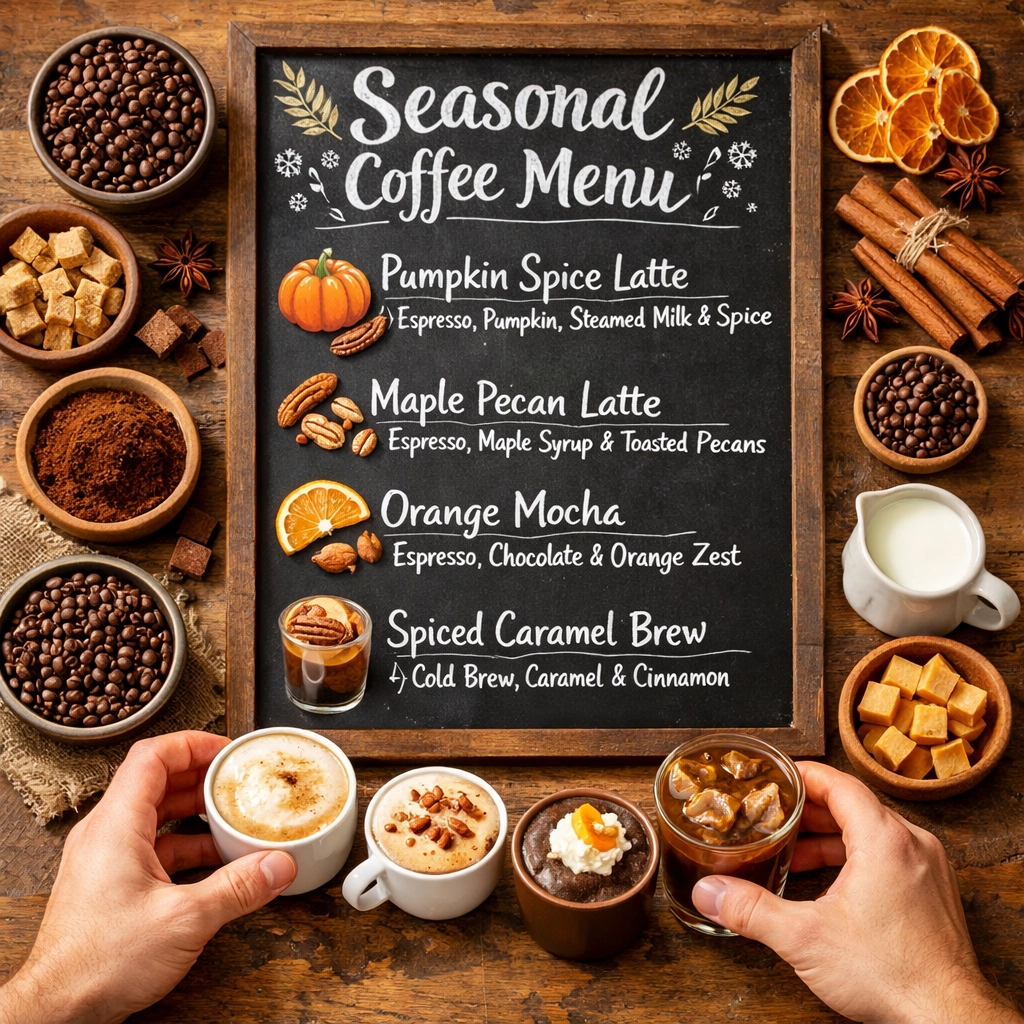
So what should you actually feature? You've got two main approaches, and honestly, the best cafés use both.
Seasonal Blends are your crowd-pleasers. Think of a Winter Warmer blend with chocolatey Brazilian beans and spicy Indonesian notes. Or a Summer Refresher that's bright, fruity, and works brilliantly as a cold brew or iced latte. Blends are forgiving, consistent, and easy to describe to customers who aren't coffee geeks.
They're also commercially smart. You can work with your roaster to create something unique that aligns with the season's flavor expectations. A good blend tells a story: "This is what December tastes like in a cup."
Limited Edition Single Origins are where things get exciting. These are the coffees that make coffee nerds (and increasingly, regular customers) sit up and pay attention. A honey-processed Costa Rican in spring, showcasing stone fruit and floral notes. A natural Ethiopian in summer with its explosive berry flavors that make incredible iced pour-overs.
The beauty of single origins is their authenticity. You're not creating a flavor profile, you're showcasing what a specific farm in a specific region produced this season. There's romance in that. It gives your baristas something genuine to talk about with customers.
We work with roasters who offer exclusive Limited Editions throughout the year, and it's one of the best ways to keep your menu fresh and interesting. You can explore what's available at Limini Coffee, they regularly source unique lots that work beautifully for seasonal programs.
The Art of Writing Descriptions That Sell
Here's where most cafés drop the ball. They'll source an incredible Kenyan coffee, feature it prominently on the menu, and describe it as… "fruity." That's it. One word.
Your descriptions are salespeople working 24/7. They need to do a job.
Start with the origin story. Where's this coffee from? Who grew it? This doesn't need to be a novel, but give people a reason to care. "From the Nyeri region of Kenya, grown at 1,800 meters by the Baragwi Farmers Co-operative" immediately sounds more interesting than just "Kenyan coffee."
Use specific, evocative flavor notes. Not just "fruity", try "blackcurrant and raspberry, with a bright lime acidity and a silky mouthfeel." Not just "chocolatey", go for "dark chocolate and toasted hazelnut, with a caramel sweetness and full body."
Be honest though. If you're describing flavors your team can't consistently identify, you'll confuse customers and erode trust. Taste everything. Train your baristas to talk about what they're actually experiencing in the cup.
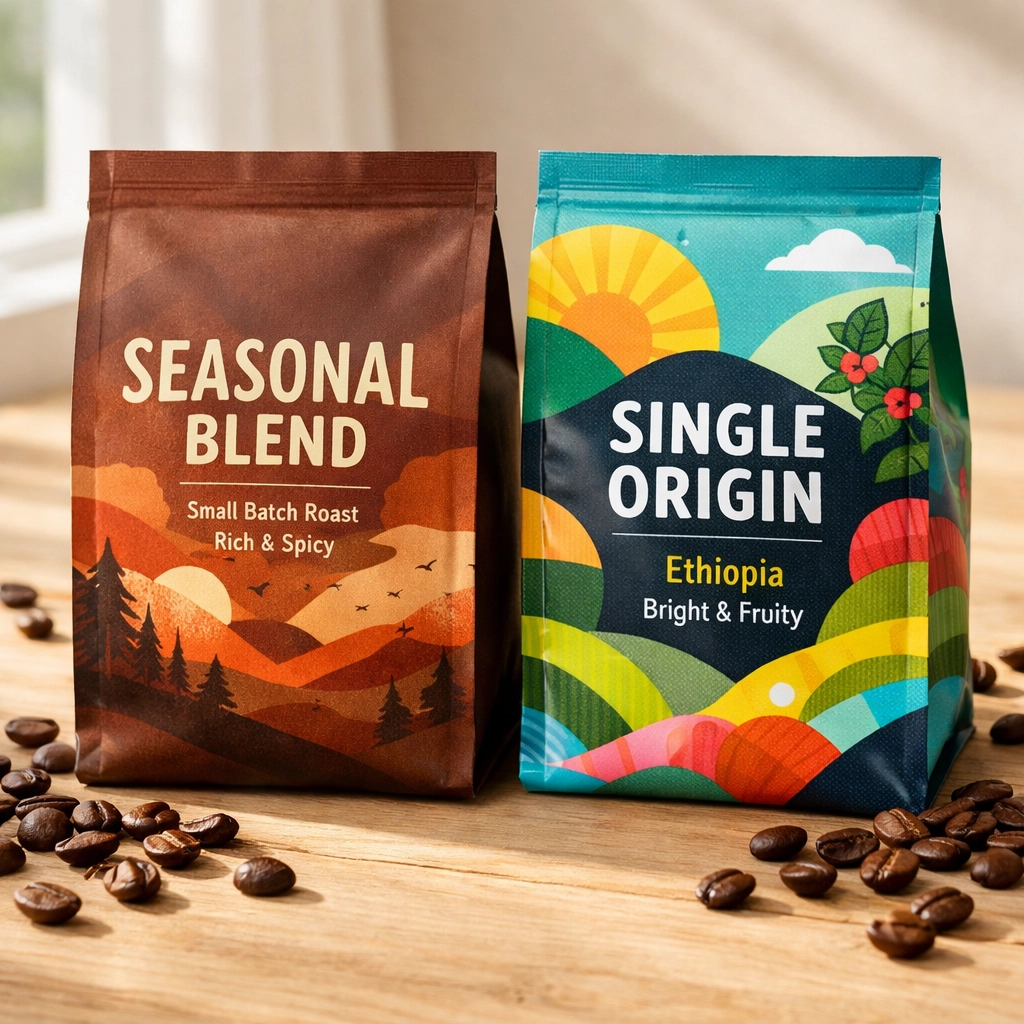
Connect it to the season. Why is this coffee perfect for right now? "This bright, citrusy Ethiopian is what we want to wake up to on spring mornings" or "The rich, warming spice notes in this Indonesian blend are made for cozy winter afternoons." You're giving customers permission to indulge because it's seasonally appropriate.
Suggest serve styles. Some coffees shine as espresso. Others are revelation as filter. Many work beautifully cold. Tell people. "Spectacular as a pour-over, or try it as our Cold Brew of the Month."
Building a Rotation Strategy That Creates Loyalty
Random seasonal offerings don't build loyalty. A strategy does.
We recommend a structured approach. Dedicate one spot on your menu to a rotating Limited Edition single origin that changes monthly or bi-monthly. This becomes your "coffee of the moment", the thing regulars know to ask about and new customers get excited to try.
Separately, you might run seasonal signature drinks. Your Iced Cold Brew blend for summer, available June through August. Your Winter Blend for espresso-based drinks, available December through February. These have a longer run and can become anticipated traditions.
The key is communication. Tell your customers what's coming. "Next month we're featuring a natural processed Ethiopian, wildly fruity, perfect for iced drinks." Build anticipation on social media. Create tasting events where regulars can sample before the official launch.
This creates a rhythm. Customers know that something new and interesting is always around the corner. They check your Instagram to see what's coming. They ask your baristas, "What's new this month?" You've turned your seasonal menu into content, conversation, and community.
Getting Your Team On Board
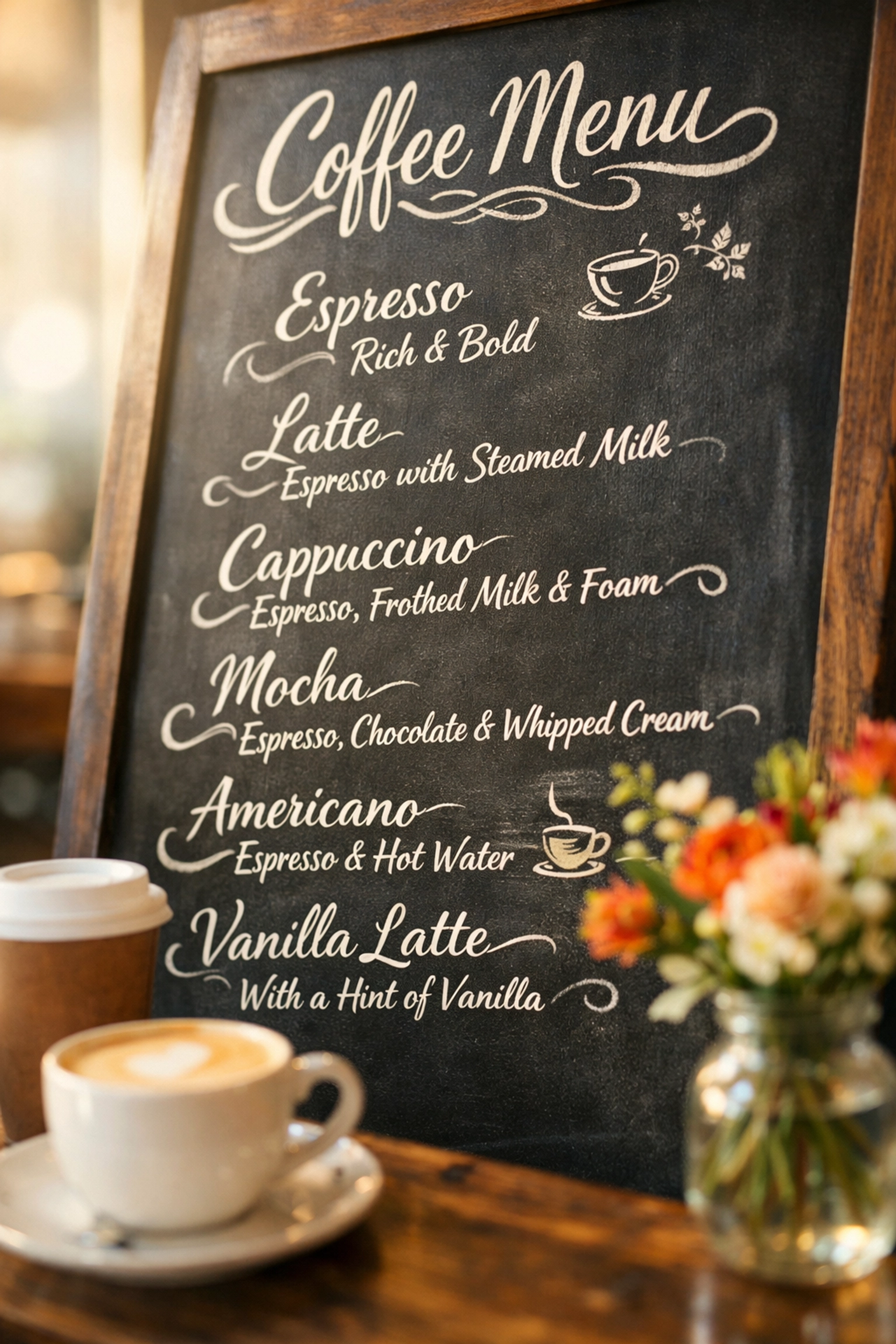
None of this works if your baristas aren't enthusiastic and informed.
When you bring in a new seasonal offering, hold a cupping or tasting session with your team. Let them experience the coffee properly. Talk about the flavors together. Discuss the origin. Share the story.
Then equip them with talking points. Not a script, nobody wants a robot behind the bar, but key facts and flavor notes they can use naturally in conversation. "Oh, you like bright, fruity coffees? You have to try our Limited Edition Ethiopian. It's got this amazing blueberry jam flavor."
Your baristas are your best marketing tool. An enthusiastic recommendation from someone making your drink is worth more than any Instagram post.
The Commercial Reality: Making It Profitable
Let's talk business for a moment. Seasonal offerings need to make financial sense.
The good news is that they typically command a premium. Customers understand that a Limited Edition single origin or seasonal special drink costs slightly more. They're paying for exclusivity and quality.
But you need to manage your ordering carefully. Don't over-order a Limited Edition that you'll be stuck with for months. Work with your roaster on smaller batch sizes that you can realistically move through in the feature period.
Pair your seasonal coffee with complementary food items. That spring Ethiopian with bright citrus notes? Perfect with your lemon drizzle cake. Suddenly you're upselling on both beverages and food.
And track your data. Which seasonal offerings drove the most sales? Which ones had customers coming back multiple times? Use this information to inform future selections.
Making It Happen With The Right Partners
The foundation of a great seasonal program is working with a roaster who gets it. You need a partner who's actively sourcing interesting coffees, who can provide Limited Editions in quantities that make sense for your volume, and who supports you with information and training.
At Limini Coffee, they work specifically with café owners to build seasonal programs that work. Their Limited Edition single origins are sourced with cafés in mind: interesting enough to excite customers, but approachable enough for daily service. And they provide the background information and cupping notes you need to train your team and write compelling descriptions.

Starting Simple, Scaling Smart
If you're new to seasonal menus, don't try to do everything at once. Start with one Limited Edition filter coffee that rotates every two months. Get comfortable with the process of introducing it, training your team, marketing it, and transitioning to the next offering.
Once that's running smoothly, add a seasonal espresso blend or signature drink. Build complexity gradually.
The cafés with the most successful seasonal programs didn't launch them fully formed. They experimented, learned what their customers responded to, and refined their approach over time.
Your seasonal menu is a conversation with your customers. It says, "We're always searching for the best coffees. We're excited to share them with you. And there's always something new to discover."
That's a conversation worth having. And it's one that keeps customers walking through your door, week after week, wondering what amazing coffee you've found for them now.