You finally took the plunge.
You signed up for that AI tool everyone's raving about. You automated a few things. You felt productive for… about three days.
Then the wheels fell off.
Your automated emails sound like robots wrote them (because they did). Your workflow's more tangled than before. And you're spending more time babysitting your "automation" than you ever did doing the work manually.
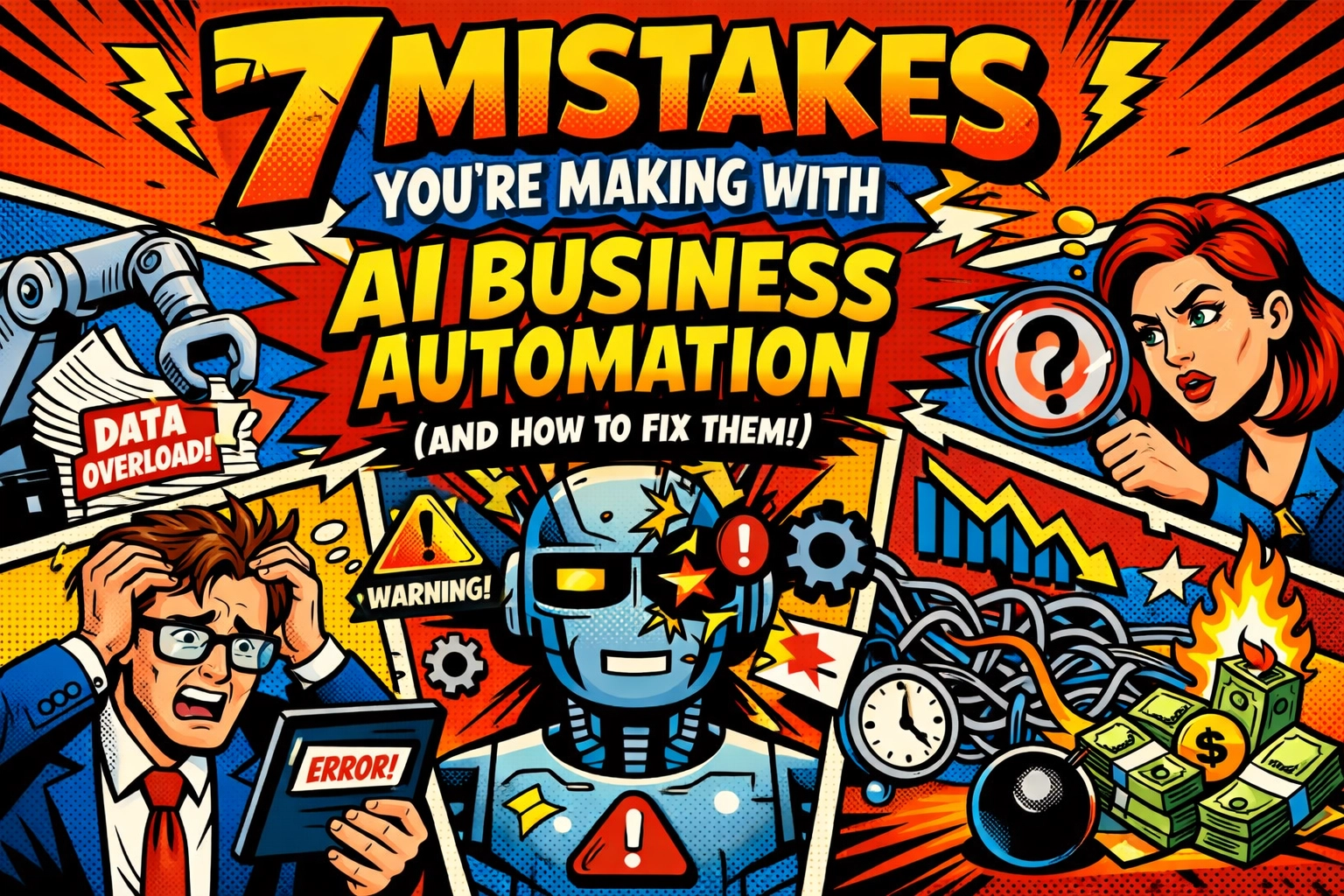
Here's the thing , you're not alone. Most small business owners make the same seven mistakes when diving into AI business automation. The good news? They're all fixable.
Mistake #1: Treating All AI Tools Like They're the Same 🤖
You're using ChatGPT for everything. Customer emails. Social posts. Market research. Strategic planning.
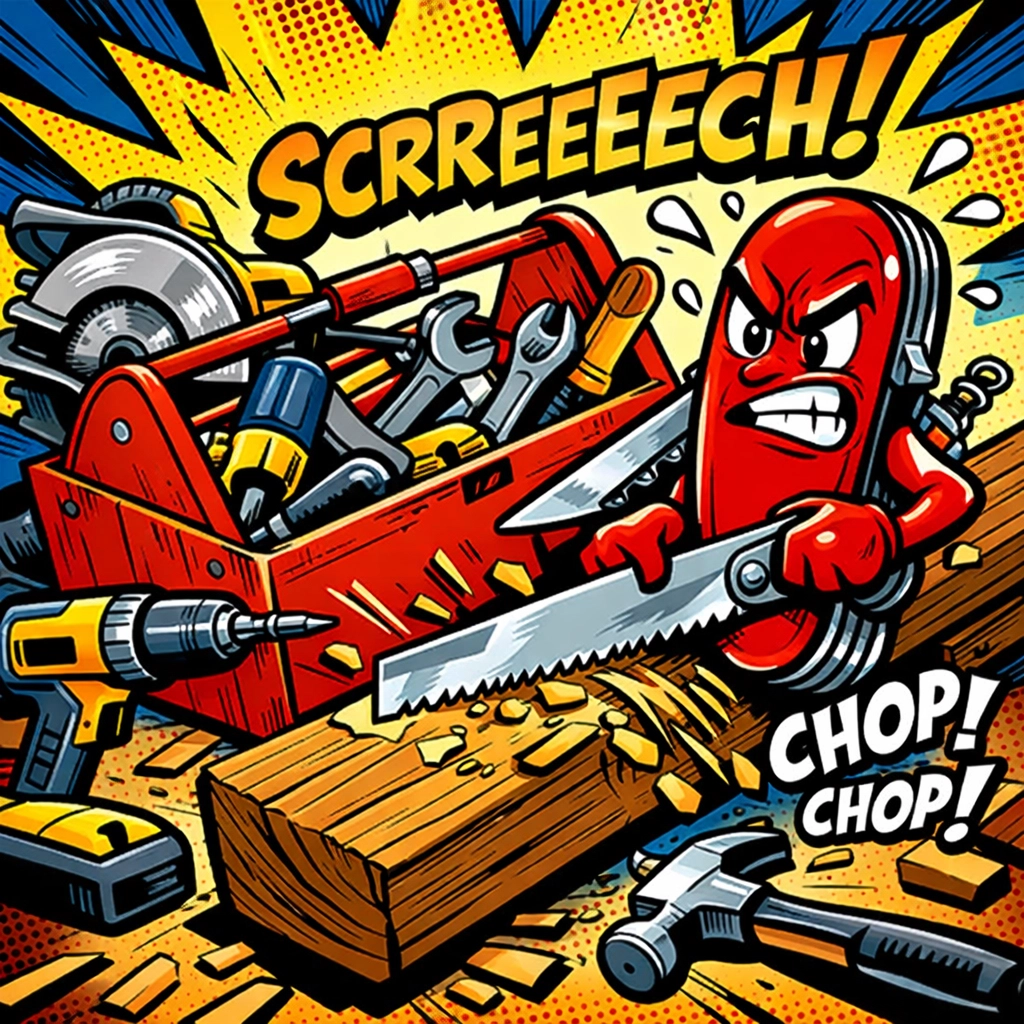
It's like using a Swiss Army knife to build a house. Sure, it has a saw… but you wouldn't choose it over an actual power tool.
The fix: Match your tools to your tasks. Generic AI platforms are brilliant for brainstorming and quick drafts. But for business-critical processes? You need specialized business automation tools built for your specific workflow.
Think about it , you wouldn't use the same tool to manage your finances as you do to write blog posts. Your AI stack shouldn't be one-size-fits-all either.
Mistake #2: Automating Because You Can, Not Because You Should
Here's a confession: just because you can automate something doesn't mean you should.
You've automated your social media scheduling. Great. You've automated your email responses. Brilliant. You've automated… wait, why are you automating thank-you notes to your biggest clients?
Some things need the human touch.
The fix: Before automating anything, ask yourself three questions:
- Does this task eat up significant time?
- Will automation actually improve the outcome?
- Am I removing the human element that makes my business special?
Focus on automating the bottlenecks , the repetitive tasks that keep you from doing the work only you can do. Leave the relationship-building moments untouched.
Mistake #3: Setting It and Forgetting It 😴
You set up your automation and walked away.
Two weeks later, your AI has been sending follow-up emails to people who already bought. Your chatbot's giving outdated pricing. Your content calendar's promoting a product you discontinued.
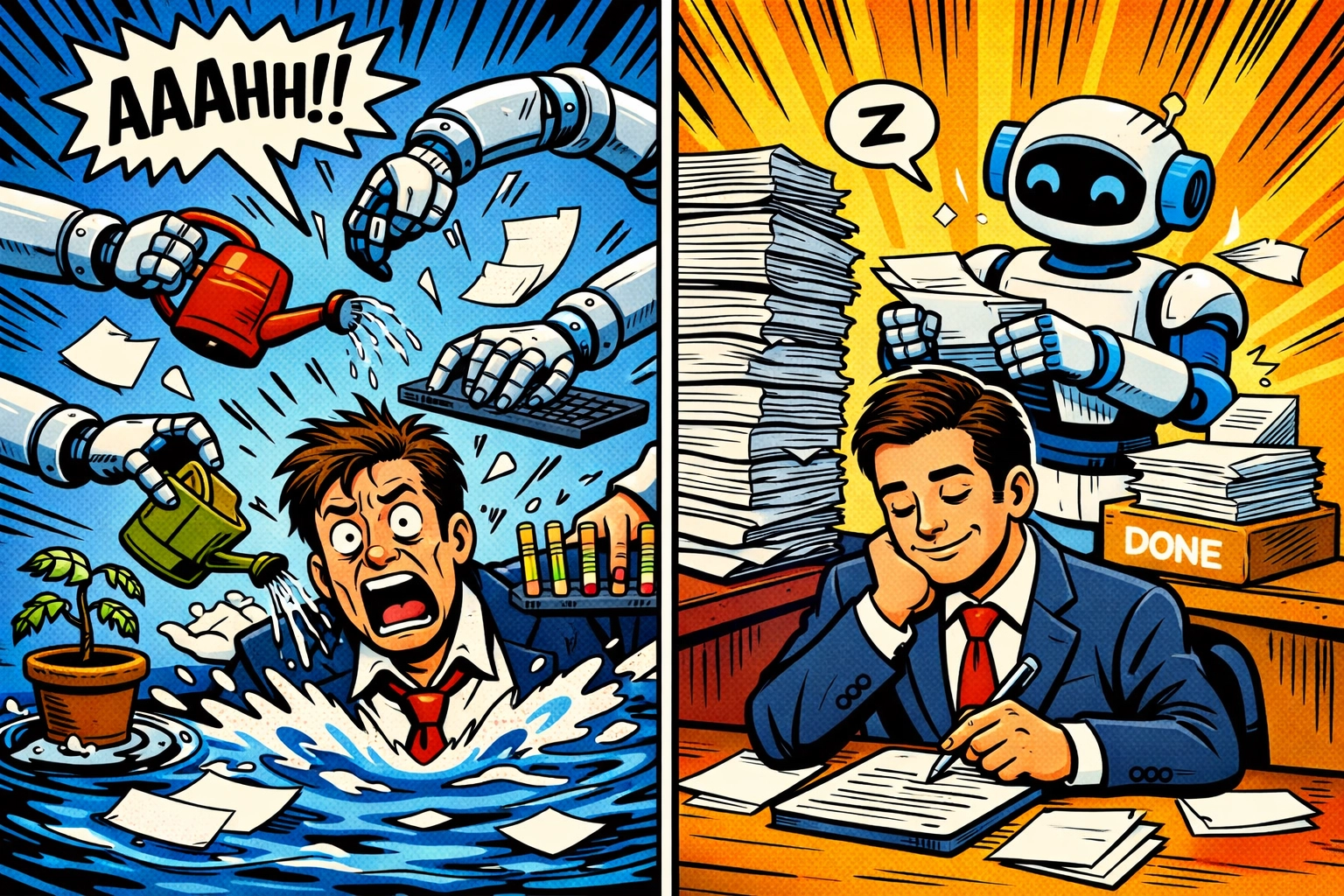
Automation without oversight is just chaos with better scheduling.
The fix: Build review checkpoints into every automated process. Before anything goes out the door , an email, a social post, a client proposal , have a human pair of eyes on it.
Your AI is smart. But it doesn't know that you changed your pricing last Tuesday or that your biggest competitor just launched something similar. You do.
Think of AI as your incredibly efficient intern. You trust them with tasks… but you're still checking their work before it hits send.
Mistake #4: Letting Your Brand Voice Die a Robotic Death
Your emails used to sound like you. Warm. Witty. Personal.
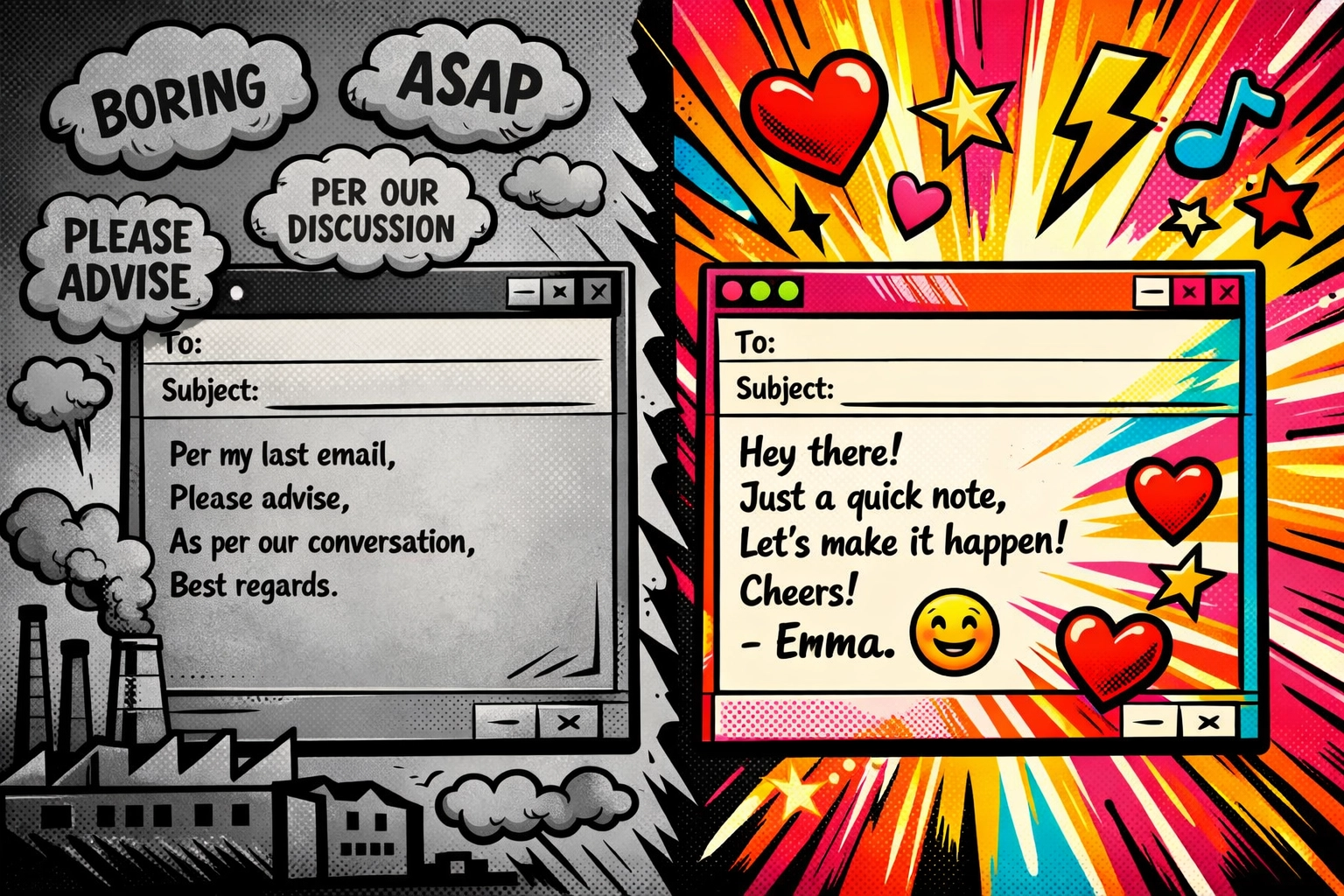
Now they sound like every other automated business message clogging up inboxes. "We hope this message finds you well." "Please don't hesitate to reach out." "Thank you for your continued support."
Your customers can smell AI-generated content from a mile away. And it's killing your authenticity.
The fix: Train your AI on your actual voice. Feed it your best emails. Your top-performing social posts. The blog articles that got people talking.
Then : and this is crucial : edit everything. Add your personality back in. Throw in that joke. Use that specific phrase your customers associate with you. Make it sound like a human who actually cares wrote it.
Because one did. You're just using AI to speed up the first draft.
Mistake #5: Throwing People Into the Deep End Without Swimming Lessons
You implemented a new AI system for your team. It's going to change everything. Save hours. Transform workflows.
You sent one email about it.
Now half your team is still doing things the old way because they don't understand the new system. The other half is frustrated because they can't figure out how it works. And you're wondering why your expensive AI investment isn't paying off.
The fix: Onboarding isn't optional. Whether it's you learning a new tool or your team adopting one, you need clear training, simple documentation, and ongoing support.
Start small. Show quick wins. Make the interface intuitive. Answer the same questions seventeen times if you need to.
The best business automation tools in the world won't help you if nobody knows how to use them properly.
Mistake #6: Trying to Automate Everything Overnight 🌙
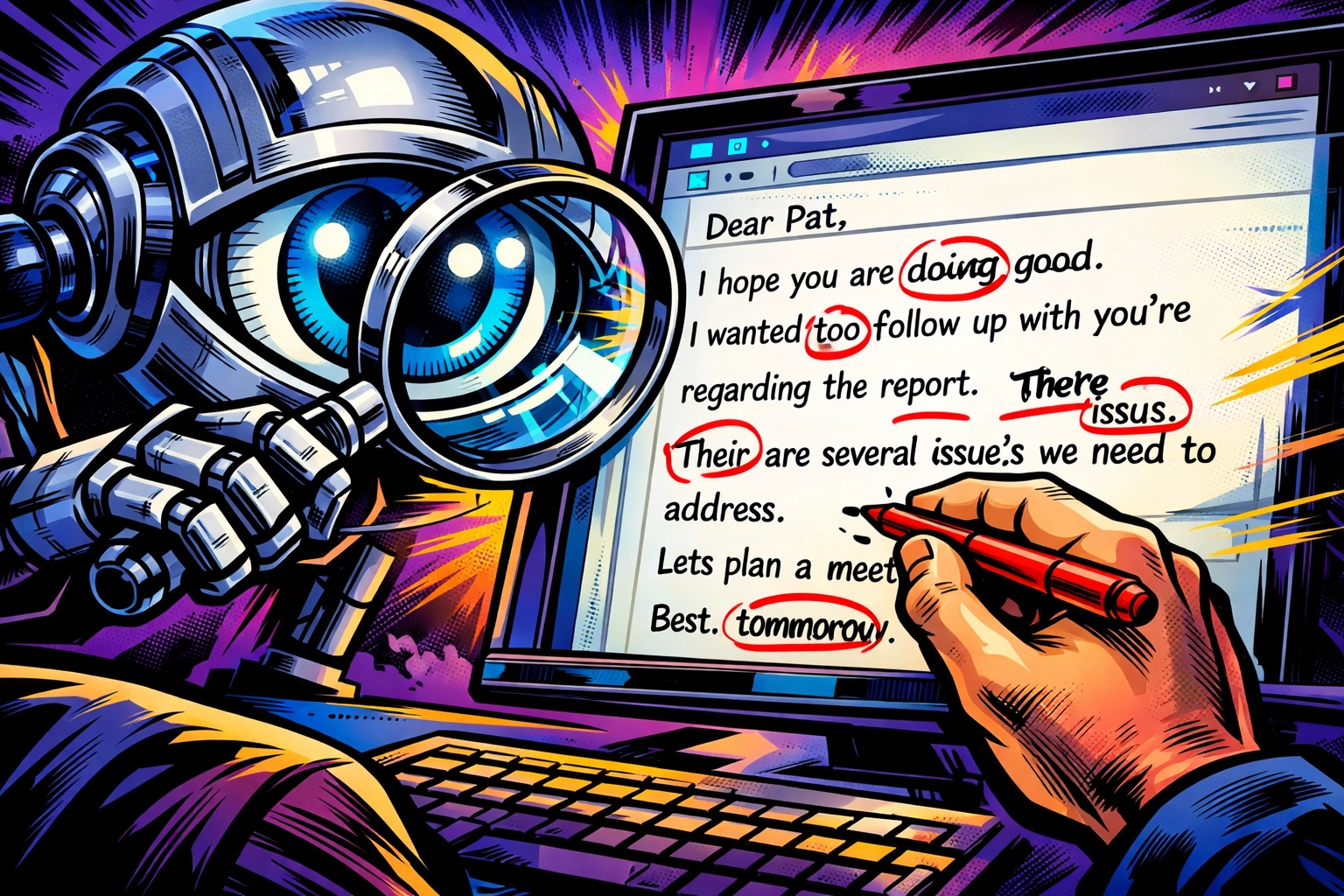
Last Monday, you were doing everything manually. This Monday, you want 100% automation.
You're attempting to rebuild Rome in a day.
Your systems aren't ready. Your team isn't trained. You haven't tested anything. And now everything's broken and you're frantically trying to roll back changes while emails pile up.
The fix: Start with one process. Perfect it. Then move to the next.
Maybe you automate lead qualification first. Get that humming smoothly. Then tackle email follow-ups. Then social media scheduling. Then customer onboarding.
Each successful automation builds your confidence and your team's skills. You learn what works in your specific business. You develop the judgment to know when AI's nailing it and when it's hallucinating nonsense.
Slow is smooth. Smooth is fast.
Mistake #7: Winging It Without a Strategy
You saw a cool AI tool. You signed up. You started using it for… whatever came to mind.
No plan. No clear objectives. No way to measure if it's actually helping.
You're essentially throwing AI at your problems and hoping something sticks.
The fix: Build a strategic roadmap before you implement anything. Define what success looks like. Identify your biggest time-drains and revenue opportunities. Choose tools that solve specific problems.
Ask yourself:
- What am I trying to achieve with AI business automation?
- Which processes will deliver the biggest ROI if automated?
- How will I measure success?
- What safeguards do I need to protect quality and brand voice?
A strategic approach means you're not just collecting AI tools : you're building a system that actually works for your business.
The Real Secret to AI Automation Success
Here's what nobody tells you about ai business automation: the tools aren't the hard part.
The hard part is knowing your business well enough to automate the right things, in the right way, at the right time.
The best automation strategy combines AI efficiency with human judgment. It saves you time on the repetitive stuff so you can focus on the work that actually requires your brain, your creativity, your personal touch.
When you get it right? You're not working less : you're working on what matters.
Your AI handles the routine. You handle the relationships. Your AI manages the logistics. You manage the strategy. Your AI creates the first draft. You add the magic that makes it yours.
That's when AI business automation stops feeling like a tech headache and starts feeling like the unfair advantage it should be.
Ready to see how strategic automation actually works? Check out what's possible when you get it right : without the trial-and-error headaches.
Because the biggest mistake of all? Waiting to automate properly while your competitors figure it out first.