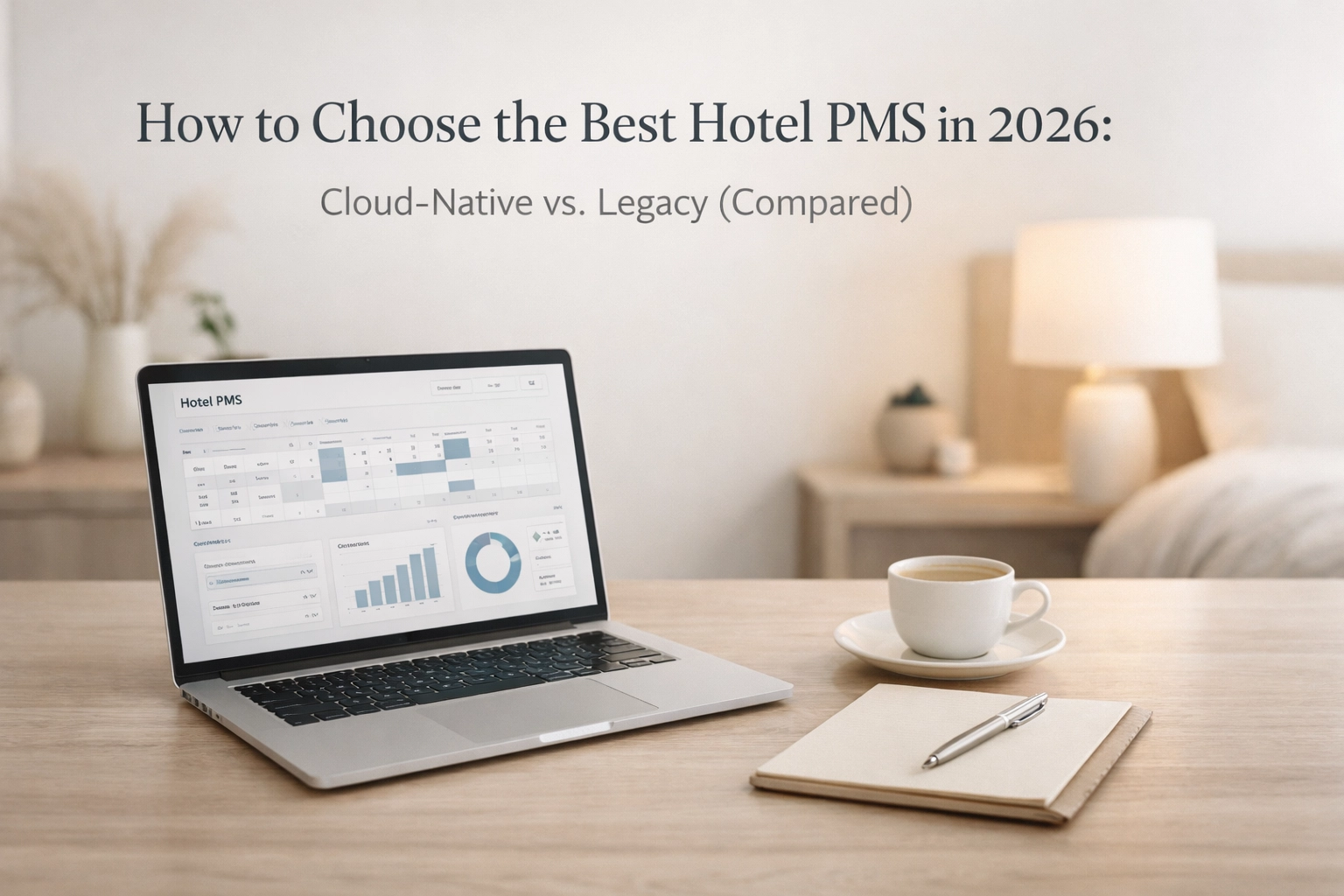
Your hotel PMS is the operational backbone of your property. Pick the wrong one, and you're stuck with clunky workflows, frustrated staff, and guests who expect more than your system can deliver.
In 2026, the choice is clearer than ever: cloud-native or legacy. Both have their place, but understanding which fits your property requires looking beyond marketing promises to real operational impact.
What Actually Makes a Hotel PMS Cloud-Native?
Cloud-native isn't just "hosted on the cloud." It's built from the ground up for modern hotel operations.
Real cloud-native systems offer:
-
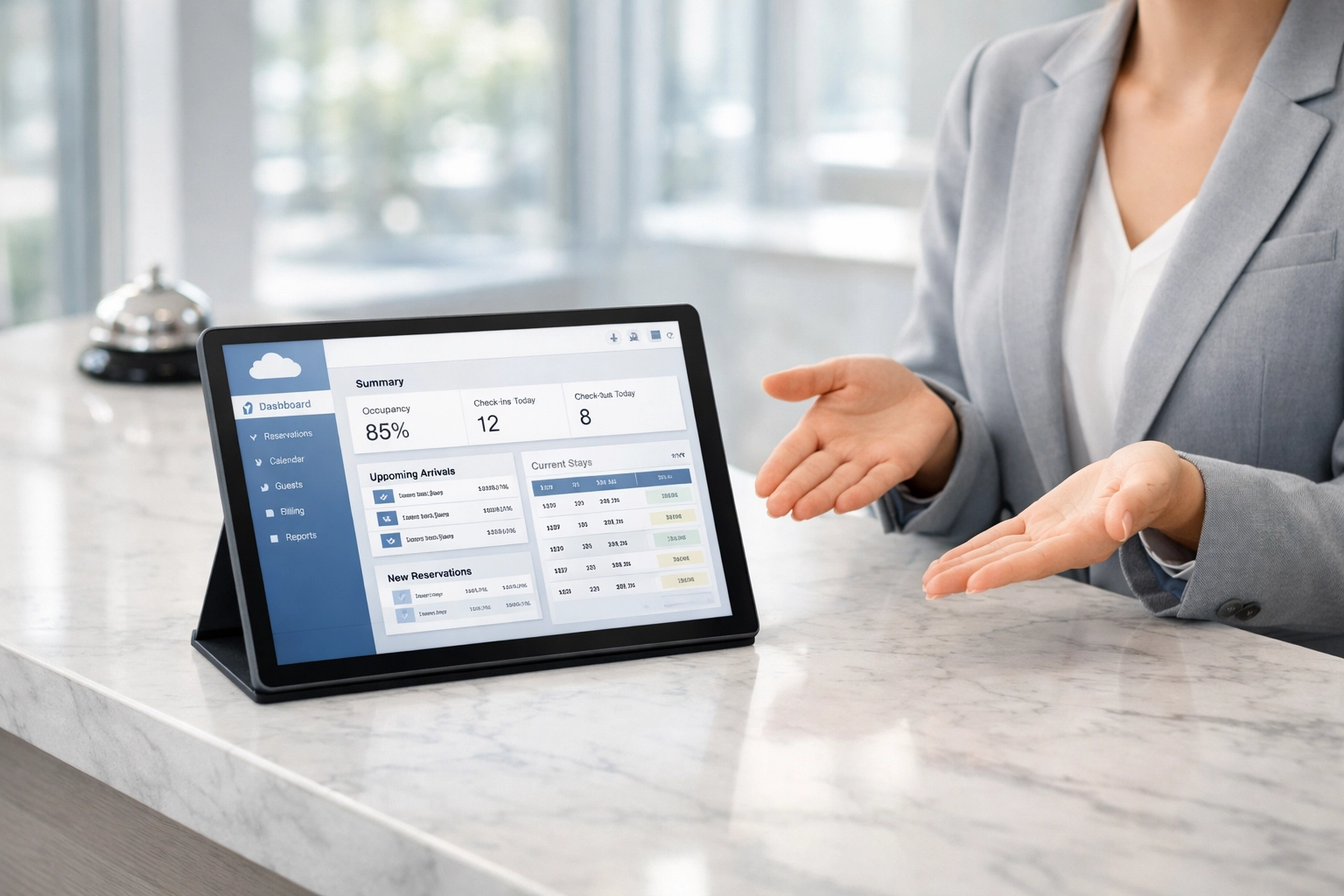
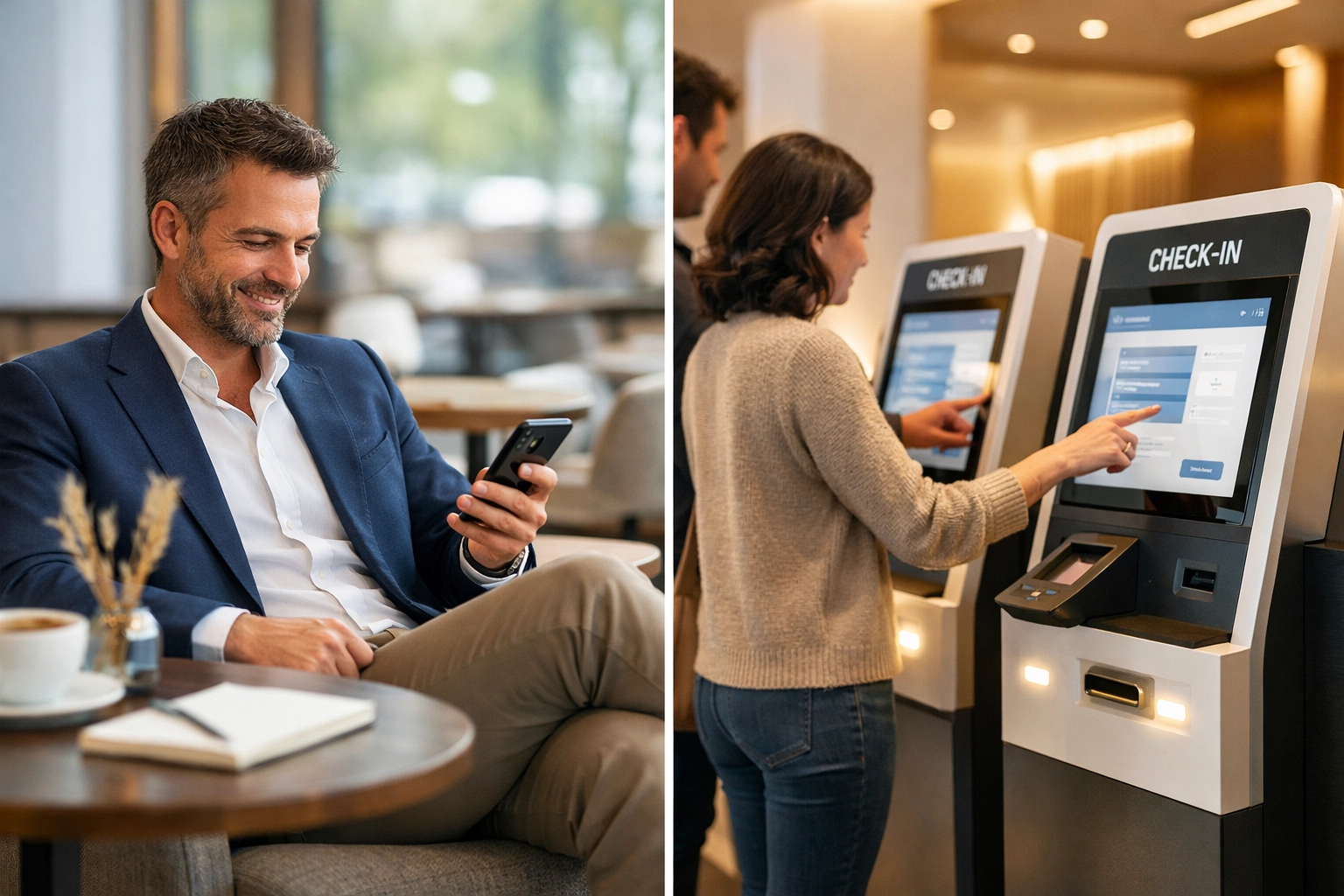
Access from anywhere. Your team checks in guests from a tablet. You review revenue reports from your phone. No VPN. No waiting until you're back at the front desk.
-
Automatic updates. No more scheduled downtime or paying IT consultants to install patches. Your system updates in the background while you sleep.
-
Mobile-first design. The interface works on any device because it was designed that way: not retrofitted for mobile after being built for desktop.
Modern platforms like Mews integrate your hotel PMS, booking engine, and channel manager in one system. Everything talks to each other natively. No middleware. No sync delays. No duplicate data entry.
The Cloud-Native Advantage: Speed and Simplicity
Hotels running cloud-native systems report setup times measured in days, not months. Staff training happens in hours, not weeks.
Why? Because the interface is intuitive. Think about apps you use daily: ordering food, booking rides, checking your bank. Cloud-native hotel PMS platforms follow the same design principles. Your team already knows how to use them.
Automation capabilities separate modern systems from their predecessors. Automated emails confirm bookings. Self-check-in kiosks reduce front desk queues. Guest messaging happens without staff intervention. Your team focuses on hospitality, not paperwork.
Properties using cloud-native systems see:
- 40% faster check-in times
- 60% reduction in manual data entry
- 24/7 booking capability without human intervention
These aren't abstract benefits. They translate directly to labor savings and revenue growth.
When Legacy Systems Still Make Sense
Not every property needs to jump on the cloud-native train immediately.
Legacy or on-premises systems work well when:
You operate multiple properties under strict brand standards. Large chains often require specific configurations that established systems have perfected over decades.
Your hotel has complex, custom workflows. Some properties have built intricate processes around their existing PMS. Migration would mean retraining hundreds of staff members.
You're in a region with unreliable internet. If connectivity drops regularly, on-premises systems keep operations running. Cloud-native systems need consistent internet access.
You have dedicated IT infrastructure. Legacy systems require maintenance, updates, and troubleshooting. If you already have the IT team, the cost equation changes.
But here's the reality: these scenarios apply to fewer properties every year. Internet reliability improves. Cloud systems add offline modes. The barriers to cloud adoption keep shrinking.
Cloud-Native vs. Legacy: Direct Comparison
| Feature | Cloud-Native | Legacy/On-Premises |
|---|---|---|
| Setup time | Days to weeks | Months |
| Initial investment | Low (subscription model) | High (license + hardware) |
| Updates | Automatic, included | Manual, often extra cost |
| Remote access | Built-in, any device | Requires VPN or workarounds |
| Staff training | Hours to days | Weeks to months |
| IT requirements | Minimal | Dedicated staff needed |
| Scalability | Add rooms instantly | Hardware limitations |
| Integration | API-first, marketplace | Custom development |
| Disaster recovery | Automatic backups | Manual backup systems |
| Total cost (5 years) | Lower | Significantly higher |
The numbers tell the story. Cloud-native systems reduce both upfront costs and ongoing operational expenses.
How to Actually Choose
Start with these questions:
How tech-savvy is your team? Cloud-native systems assume basic digital literacy. If your staff struggles with smartphones, factor in extra training time.
What's your property size? Independent hotels and small groups benefit most from integrated cloud platforms. Large chains might need enterprise-grade legacy systems.
Do you need specific integrations? Check what each system connects with. Your POS, door locks, revenue management system: everything should communicate seamlessly.
What's your growth plan? Adding properties? Cloud-native scales effortlessly. Staying single-site? Either option works.
How often do you innovate? Cloud systems release features monthly. If you want access to the latest hospitality tech: self-check-in kiosks, mobile keys, AI-powered pricing: cloud-native delivers faster.
Why Mews Represents the Cloud-Native Standard
We believe hotel technology should be invisible to guests and effortless for staff.
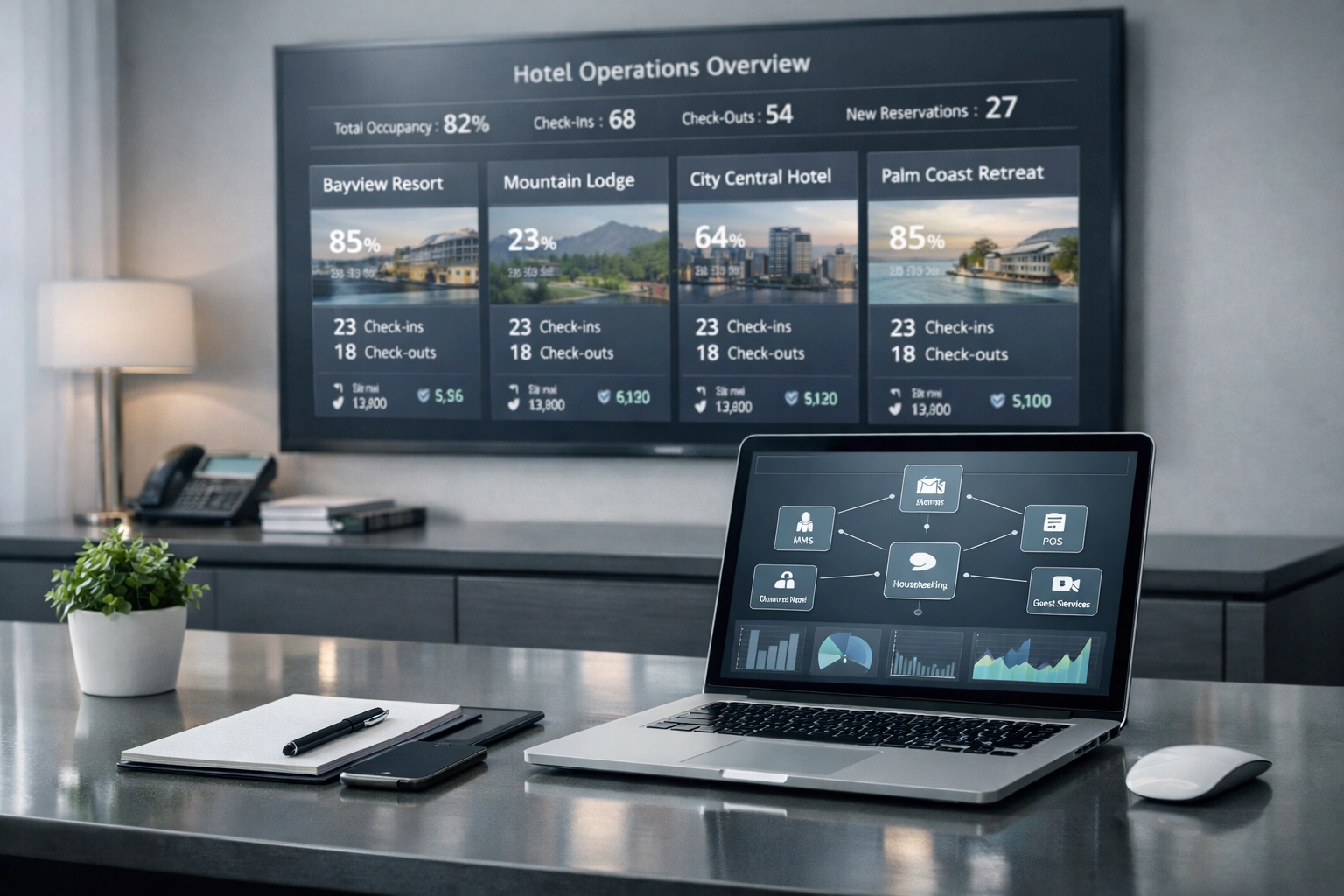
That's why over 5,000 properties worldwide trust Mews as their hotel PMS. The platform combines property management, booking engine, channel manager, and guest CRM in one cloud-native system.
What sets Mews apart:
-
Built for automation from day one. Pre-arrival emails, post-stay reviews, upsell offers: all happen automatically based on rules you set.
-
Actually easy to use. Your team starts working productively within hours, not weeks.
-
Open API ecosystem. Connect with 1,000+ partners for payments, door locks, revenue management, and more.
Independent hotels use Mews to compete with chains. Small groups use it to manage multiple properties from one dashboard. Hostels use it to handle high-volume bookings with minimal staff.
The system grows with you. Start with core PMS features. Add self-check-in kiosks when you're ready. Integrate a sophisticated channel manager as your distribution strategy evolves.
Making the Switch
Worried about migrating from your current system? The process is simpler than you think.
Cloud-native platforms like Mews handle data migration as part of onboarding. Your historical bookings, guest profiles, and rate configurations transfer over. Most properties complete the switch with zero downtime.
Training happens fast. The interface is intuitive enough that staff learn while working. No need to schedule extensive training sessions or hire consultants.
Ongoing support is included. You're not maintaining servers or troubleshooting software issues. The cloud provider handles infrastructure. You handle guests.
The Bottom Line
In 2026, legacy systems serve specific use cases: mainly large chains with complex requirements and dedicated IT teams. For everyone else, cloud-native is the clear choice.
You get lower costs, faster implementation, better staff experiences, and access to modern features your guests expect. The technology disappears into the background. Your team focuses on hospitality.
Ready to see what a modern, cloud-native hotel PMS can do? Check out Mews and discover why properties are making the switch.
Your PMS should enable great hospitality, not complicate it. Choose accordingly.