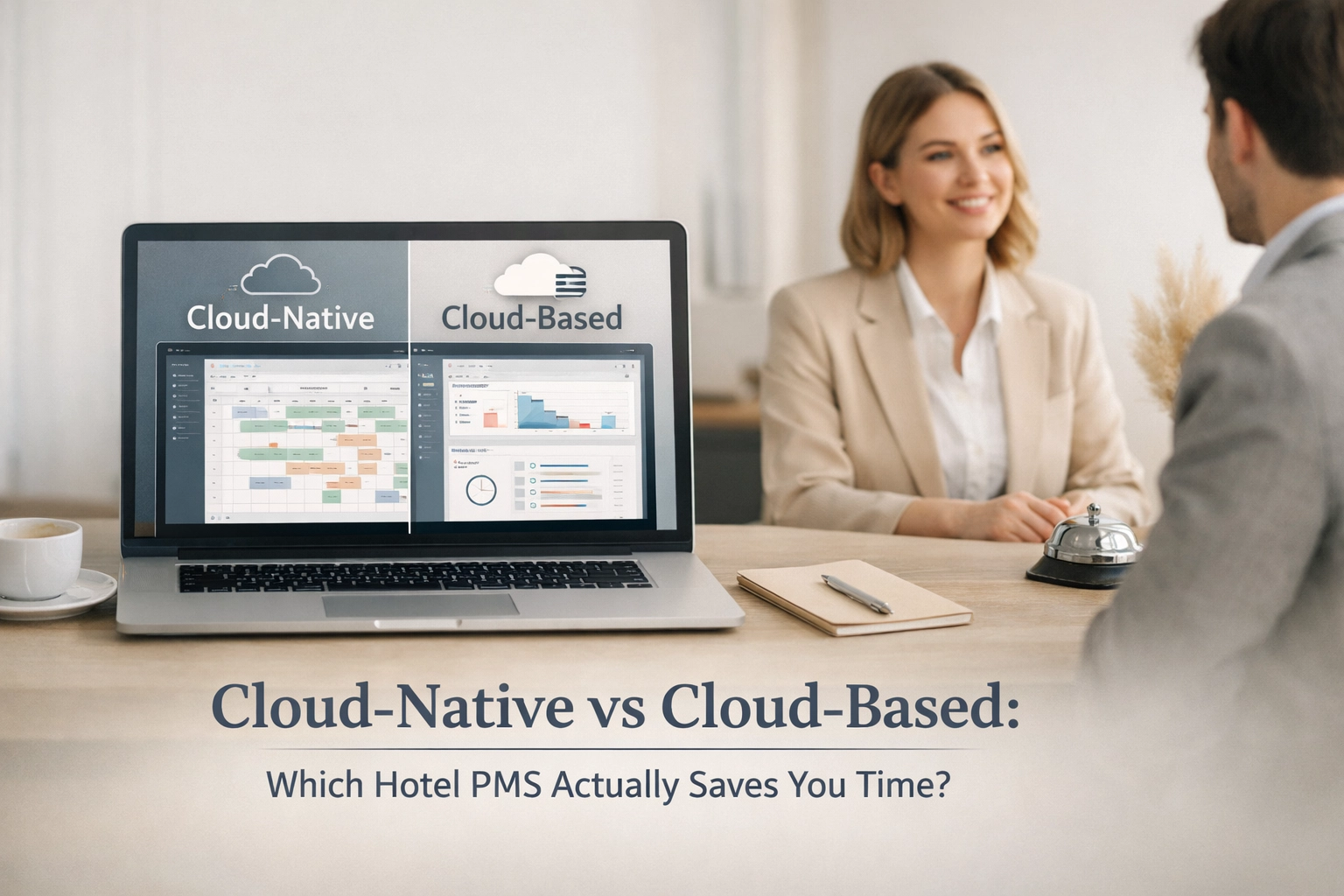
You've probably heard both terms thrown around. Cloud-native. Cloud-based. They sound similar, right?
Here's the thing, they're not the same. And the difference could save you hours every single week.
Most hoteliers think moving to "the cloud" means they've modernized. But if you're using a cloud-based system (as opposed to cloud-native), you might still be dealing with legacy headaches dressed in modern clothing.
Let's break down what actually matters for your daily operations.
The Real Difference (And Why It Matters)
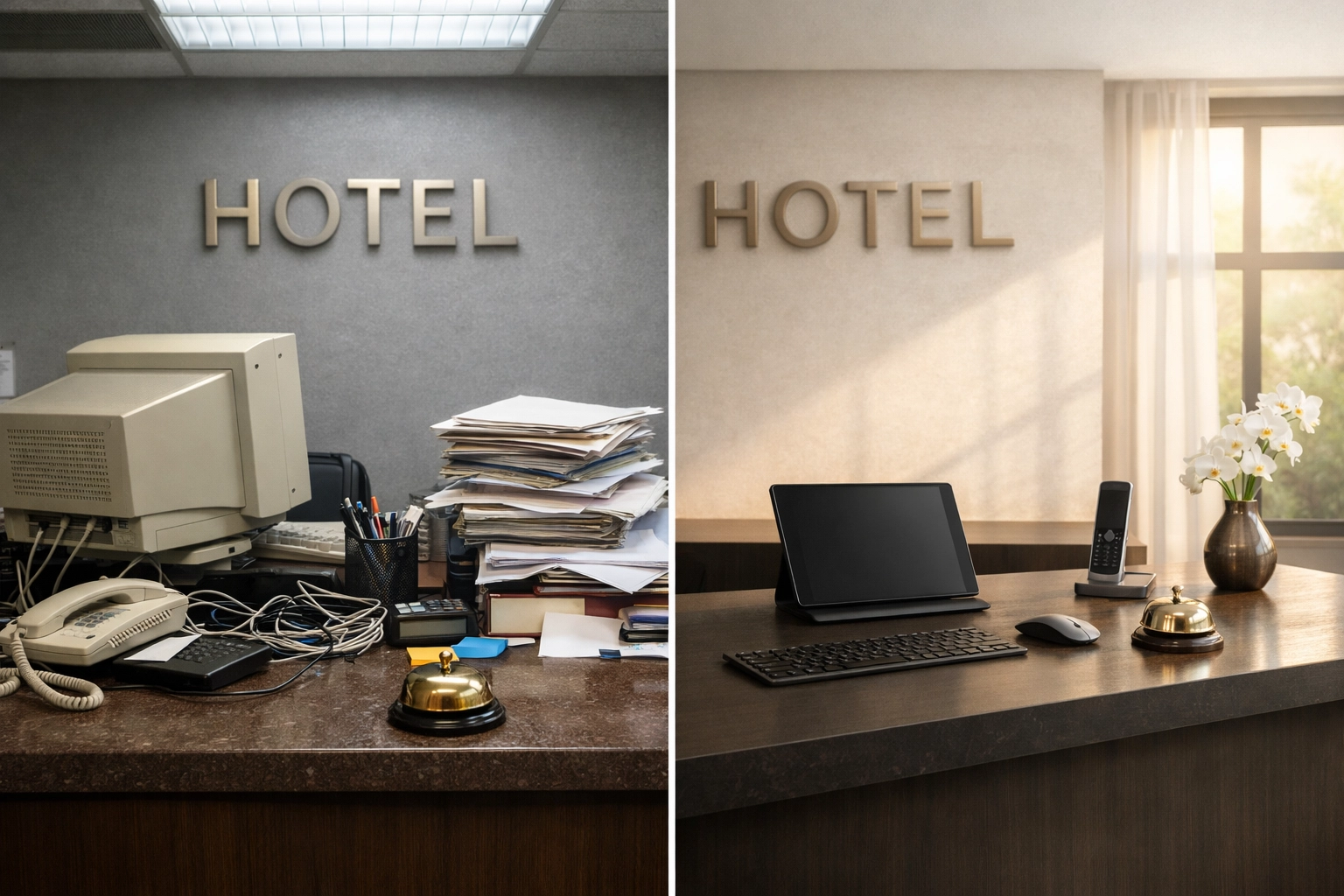
Cloud-based systems are essentially old-school, on-premise software that's been moved to a server somewhere on the internet. Think of it like taking your filing cabinet and putting it in a storage unit across town. Sure, it's not in your lobby anymore, but you're still dealing with the same clunky filing system.
Cloud-native systems are built from scratch for the cloud. They're designed to be fast, flexible, and constantly updated. No retrofitting. No workarounds. Just modern architecture that works the way hotels actually operate today.
The time-saving difference? Massive.
Where You Actually Lose Time (And Don't Realize It)
Most hotel PMS time-drains happen in places you've just accepted as "normal." Manual updates. System crashes during peak check-in. Waiting for IT support to fix integration issues. Juggling multiple logins for your booking engine, channel manager, and CRM.
Sound familiar?
Cloud-based systems often require manual updates that create downtime. You know the drill: schedule the update for 2am, hope nothing breaks, and deal with the fallout if it does. That's time and stress you don't need.
Cloud-native platforms like Mews update automatically. No downtime. No manual intervention. You wake up to new features and improvements without lifting a finger.
The Integration Time Sink
Here's where things get really interesting.
Traditional cloud-based hotel PMS solutions often bolt on integrations. Your channel manager connects through an API. Your booking engine lives in a separate system. Your self-check-in kiosks need their own platform. Each integration is a potential failure point: and a time drain when things go wrong.
According to industry research, 91% of hospitality businesses using genuinely modern cloud software report faster operational performance. But that number only applies when everything actually works together seamlessly.
Cloud-native systems are built with integrations at their core. Mews operates as a unified platform where your hotel PMS, booking engine, channel manager, and CRM all speak the same language. Real-time synchronization. No manual updates. No checking three different systems to confirm one reservation.
Real-World Time Savings: The Math
Let's get specific. Where does the time actually go back into your day?
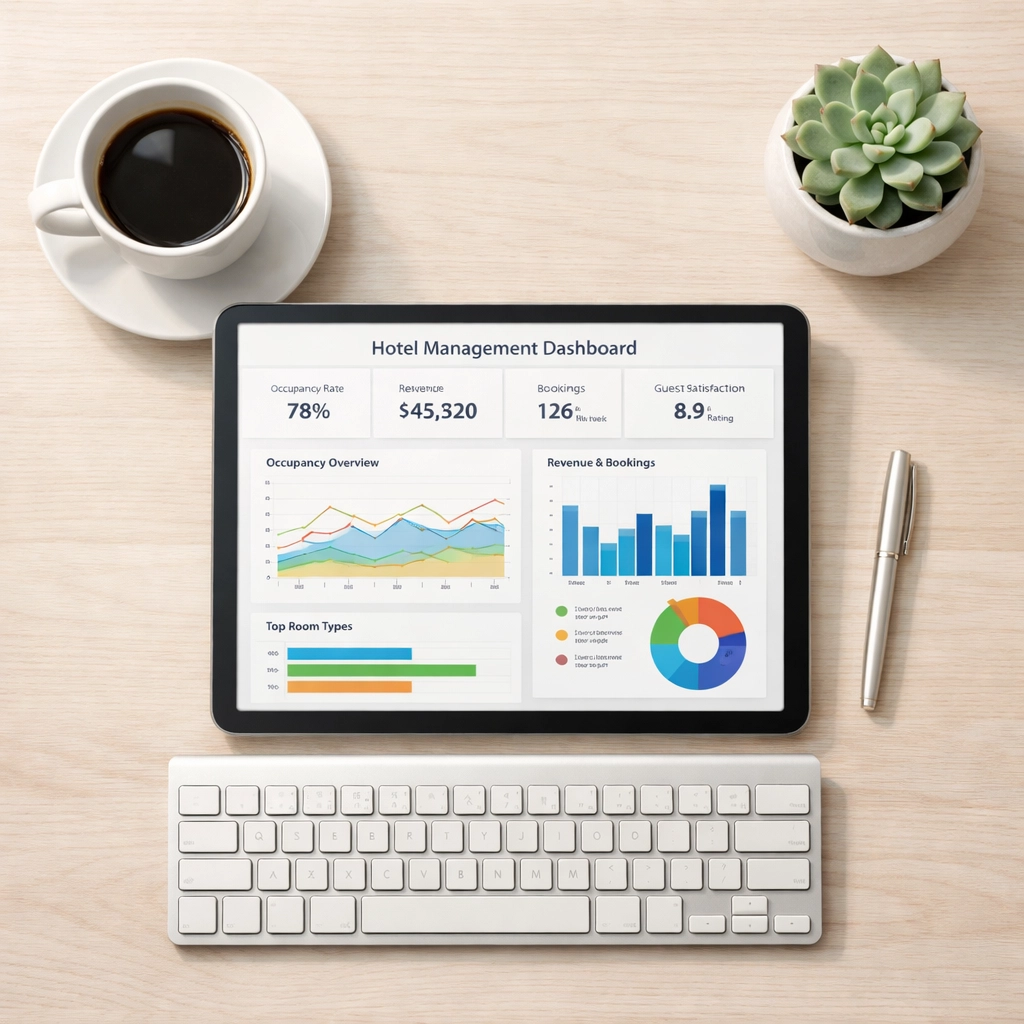
Updates and maintenance: Cloud-based systems might require 2-4 hours monthly for updates and troubleshooting. Cloud-native? Zero hours. It's automatic.
Channel management: Manually updating rates and availability across OTAs takes about 30-60 minutes daily. An integrated channel manager in a cloud-native system does this in real-time. That's 15-30 hours saved monthly.
Double-entry work: When your booking engine and PMS don't talk to each other properly, staff spend time re-entering data. Even at just 10 minutes per booking error, you're looking at hours of wasted time weekly.
System troubleshooting: Cloud-based systems average more support tickets because of integration failures and legacy issues. Cloud-native platforms have fewer moving parts to break down.
Add it up, and you're looking at 20-40 hours saved per month. That's an entire work week back in your pocket.
The Automation Advantage
Here's where cloud-native really pulls ahead.
True automation only works when your entire system is designed for it. Cloud-based systems that patch together different tools struggle with automation because each component operates independently.
Cloud-native platforms enable automation across the entire guest journey. Automatic pre-arrival emails. Self-check-in kiosks that update your PMS instantly. Dynamic pricing that adjusts in real-time based on demand. Automated upsells sent at exactly the right moment.
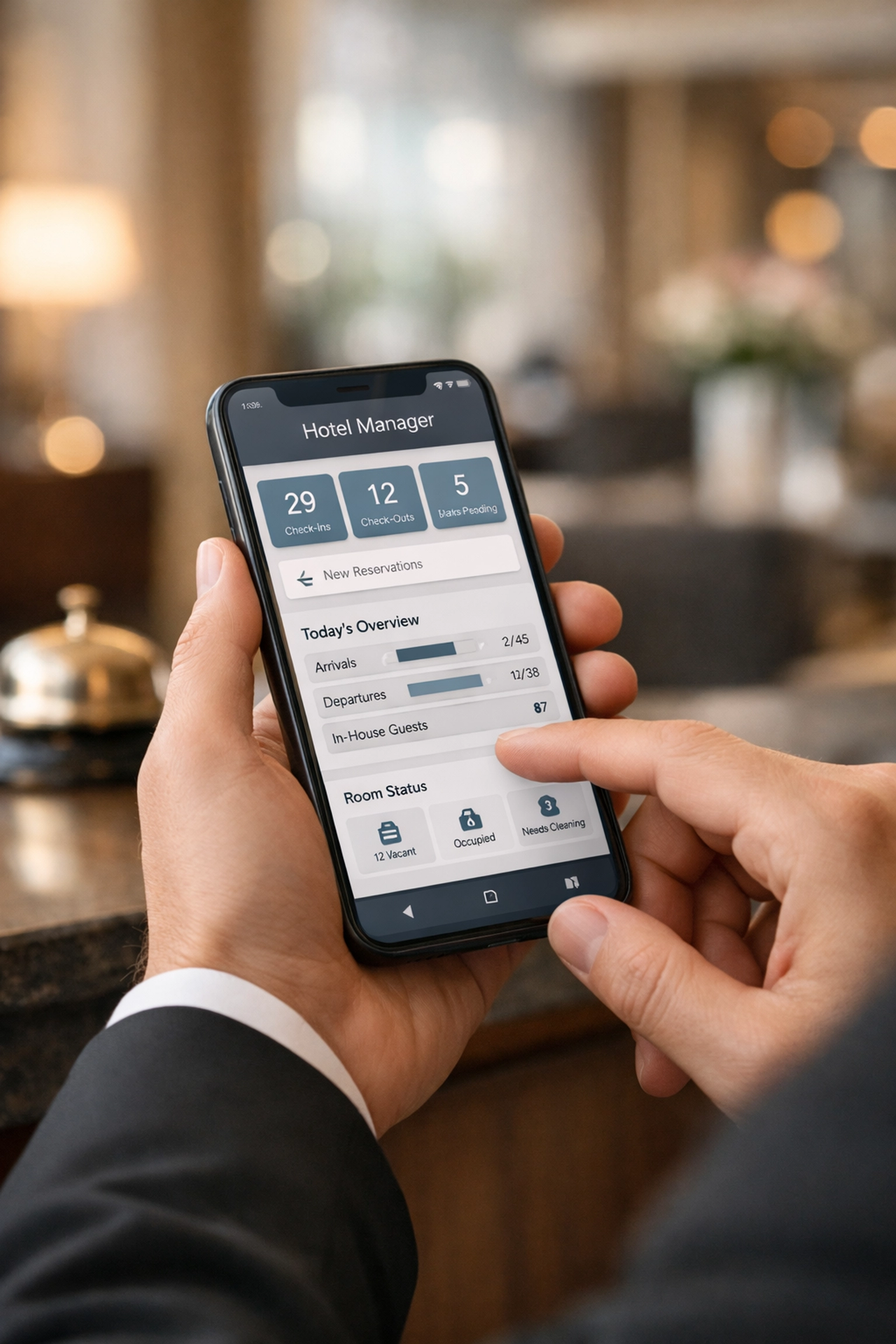
When your hotel PMS is truly cloud-native, automation isn't an add-on feature: it's baked into everything. Mews automates routine tasks so your staff can focus on what actually matters: creating memorable guest experiences.
Speed When It Counts
Implementation speed matters. A lot.
Cloud-based systems typically take weeks to months to implement because they're more complex and require extensive IT involvement. Cloud-native platforms? Days to weeks.
Mews properties regularly go from signing to operating in under two weeks. That's revenue-generating time you're not losing to endless setup meetings and technical configuration.
But speed isn't just about initial setup. It's about daily operations. When a system is cloud-native, response times are faster. Pages load instantly. Reports generate in seconds, not minutes. Every click saves you 2-3 seconds: multiply that across hundreds of daily interactions and you're saving hours.
The Mobile Reality
Your staff isn't chained to a desktop. Why should your hotel PMS be?
Cloud-based systems often have clunky mobile interfaces because they weren't designed for mobile-first access. They were desktop systems adapted for smaller screens: and it shows.
Cloud-native platforms work seamlessly on any device. Your front desk team can check someone in from a tablet. Housekeeping can update room status from their phone. Management can review reports from anywhere with internet access.
This flexibility doesn't just save time: it creates operational efficiency that compounds throughout your day.

What This Actually Means for Your Hotel
Let's bring this back to reality.
You're not choosing between cloud-native and cloud-based because you love technical specifications. You're choosing because you need more time in your day. Because manual processes are killing your efficiency. Because your guests expect seamless experiences that legacy systems can't deliver.
Cloud-native isn't just a buzzword: it's a fundamentally different approach that gives you time back. Time to grow your business. Time to train your team. Time to focus on revenue strategy instead of fighting with technology.
Mews serves over 5,000 properties worldwide because cloud-native actually delivers on the promise of modern hotel management. No retrofitted solutions. No workarounds. Just hospitality technology that works the way hotels need it to work.
Making the Switch
Moving from a cloud-based system to cloud-native feels like a big decision. It isn't.
The implementation is faster. The learning curve is shorter. The time savings start immediately. Properties switching to Mews consistently report they wish they'd made the move sooner.
The question isn't whether cloud-native saves time. The data is clear: it does. The question is how much longer you're willing to lose hours to systems that weren't built for modern hospitality.
Ready to see what a truly cloud-native hotel PMS can do for your property? Check out Mews and discover how automation-focused, easy-to-use technology can transform your daily operations.
Your time is valuable. Your system should respect that.