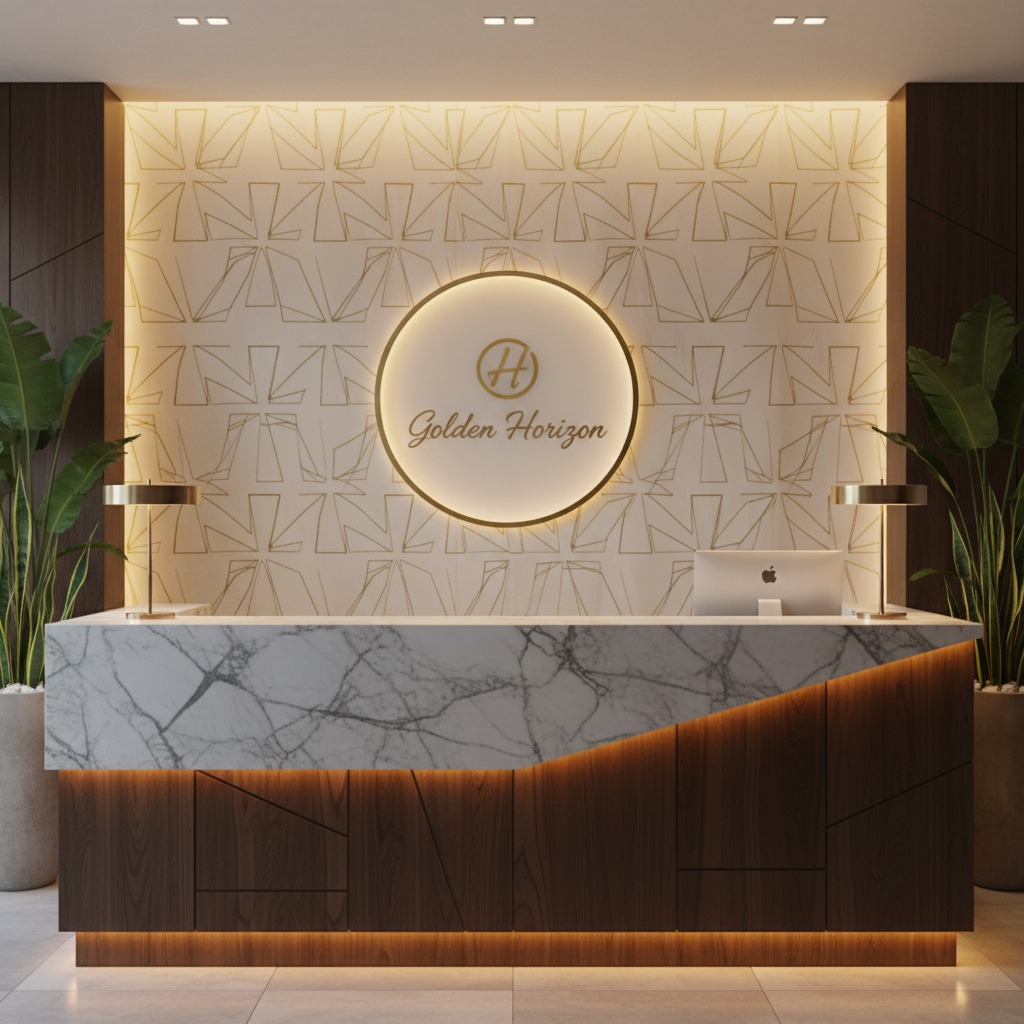
You can run daily operations, handle bookings, and connect third‑party tools from a single, cloud-based platform built for modern hospitality. Mews streamlines reservations, payments, check‑in/out, housekeeping, and integrations so your team spends less time on manual tasks and more time improving guest experience.
Whether you manage a boutique hotel, hostel, or a multi-property group, this article walks through Mews’ core features, user interface, guest engagement tools, integrations, security, reporting, onboarding, pricing, and future roadmap to help you judge fit and plan a smooth rollout.
Keep reading to learn how Mews handles guest keys, native payments, marketplace integrations, and analytics so you can decide if it matches your operational goals and growth plans.
Core Features Overview
Mews centralizes daily operations, guest interactions, and payments so you can reduce manual work and shorten staff training time. The platform emphasizes automation, an open API ecosystem, and mobile-first workflows that scale from small properties to multi-property groups.
Front Desk and Reservation Management
You manage reservations, check-ins, and check-outs from a single, cloud-based interface that updates in real time. The booking view shows arrival/departure dates, rate plans, guest profiles, and special requests so you can handle changes without switching screens.
Self-service and mobile workflows let guests complete pre-check-in, ID capture, and digital registration. Staff use the same tools to assign rooms, add housekeeping notes, and handle split folios, which reduces front-desk queues and data entry errors.
The system supports group bookings and allotments with block management and rapid modification tools. You can create guest profiles that store preferences and history, enabling targeted upsells and faster future service.
Channel Management Integration
You connect your direct booking engine to major OTAs and GDS via integrated channel management to keep rates and availability synchronized. Changes to inventory or rate plans update across channels in seconds, reducing double-bookings and manual reconciliation.
The Marketplace and open API let you add specialized channel adapters or yield-management tools. You can route commissions, map rate codes, and control allotments per channel from one dashboard.
Reporting on channel performance helps you reallocate inventory to higher-yield sources. Pull channel-level pick-up, cancellation, and ADR data to inform rate strategy and promotional targeting.
Billing and Payments Automation
You process payments with embedded payment gateways and PCI-compliant tokenization to minimize exposure to card data. The system supports pre-authorizations, split payments, deposits, and automatic folio posting so billing aligns with reservations and housekeeping updates.
Automated invoicing and accounting exports reduce manual reconciliation. You can set recurring charges, apply city taxes or fees by rule, and produce guest invoices that match charges shown on booking confirmations.
Integrated payment workflows enable dynamic upsells at check-in or via pre-arrival messaging. Refunds, adjustments, and chargebacks route through the same ledger, keeping your financial records auditable and consistent.
User Experience and Interface
You will find a clean, task-focused layout, fast access to daily operations, and multiple ways to view or change data. The interface prioritizes reservation flow, housekeeping status, and quick actions for check‑in/check‑out.
Dashboard Navigation
The dashboard groups core tasks into clear panels: arrivals, departures, occupancy, and a reservations list. You can pin the panels you use most and reorder them so the screen shows what matters to your shift first.
Search sits prominently with autocomplete for names, confirmation numbers, and reservation references. Filters let you narrow results by date range, source, or room type without leaving the main view.
Action buttons appear within list rows for quick check‑in, assign room, or print folios. Contextual menus reduce clicks; you perform common tasks in two or three actions rather than navigating multiple pages.
Mobile Access Options
You can use a responsive web app on any modern smartphone browser, keeping the full PMS functionality without installing separate software. The mobile layout prioritizes the reservation list, arrivals for the day, and a compact room status board.
Mews also supports dedicated mobile apps for staff that provide push notifications for arrivals, housekeeping updates, and payment confirmations. You receive real‑time updates so front‑desk and housekeeping teams stay synchronized during shift changes.
Mobile workflows focus on speed: quick search, check‑in with ID capture, and mobile payment processing. Offline capabilities are limited, so maintain good connectivity for peak shifts and transfers.
Customization Capabilities
You control what appears on your dashboard and which modules are active for each property. User roles let you restrict or grant access to bookings, rates, reports, and payment flows per staff member.
Templates and configurable fields let you tailor confirmation emails, payment receipts, and internal notes to match your property’s operations. You can also map integrations—POS, channel managers, or accounting—so data flows into the screens you use most.
Reporting widgets and saved views enable you to create operational layouts for front desk, revenue, or housekeeping teams. Changes apply immediately, letting you iterate quickly as your processes evolve.
Guest Services and Engagement
Mews centralizes guest-facing tasks so you can shorten wait times, personalize communication, and let guests self-manage key parts of their stay. Expect tools that streamline arrival and departure, trigger context-aware messages, and provide a single guest-facing portal for requests, billing, and extras.
Online Check-In and Check-Out
You can let guests complete registration and arrival documents before they reach the front desk using Mews’ online check-in flows. Guests submit ID and payment details, sign terms, and receive a mobile or emailed access code; this reduces queueing and frees staff to handle exceptions.
The system records timestamps and stores completed check-ins against reservations, keeping your audit trail intact for compliance and chargeback disputes.
For check-out, guests can review folios, settle charges through stored payment methods, and receive digital invoices. You keep control: you can require verification steps, block charges until review, or trigger housekeeping once check-out completes.
Automated Communications
Mews automates timed and event-triggered messages so you can send confirmations, pre-arrival instructions, upsell offers, and post-stay surveys without manual work. You configure templates and scheduling rules to ensure messages align with reservation type, length of stay, and loyalty status.
Messages can contain dynamic fields (guest name, room, arrival time) and conditional content (parking instructions for city-center properties, pet policies for pet-friendly bookings).
You can also route critical alerts—late arrivals, payment failures, special requests—to specific staff roles. This keeps communication consistent while ensuring staff intervene only when necessary.
Guest Portal Functionality
The guest portal acts as a single interface for guests to manage bookings, view and pay their folio, request services, and access property information. You can enable features like in-app room service ordering, amenity bookings (spa, gym slots), and local recommendations tailored to the guest’s profile.
Portal actions sync in real time with Mews operations: a service request creates a housekeeping or F&B task; a paid add-on updates the guest folio immediately.
You control access levels and branding, integrate payment options, and monitor portal use with analytics to identify popular services or friction points.
Third-Party Integrations
Mews connects your PMS to revenue, accounting, payments, and guest-facing tools so data flows without manual entry. Expect real‑time posting, consolidated reporting, and prebuilt connectors that reduce reconciliation time.
Accounting System Connections
Link your Mews ledger to accounting platforms to automate nightly postings, taxes, and folio transfers. Typical connections map room revenue, taxes, extras, and payment fees into your chart of accounts so you can close periods faster and reduce reconciliation errors.
Key behaviors to verify before you connect:
- Chart of accounts mapping: ensure Mews transaction codes match your account numbers.
- Posting frequency: choose real‑time or batch posting depending on your controller’s process.
- Tax handling: confirm regional tax treatment and VAT/GST fields export correctly.
Commonly supported workflows include automated night audit exports, credit card fee reconciliation, and AR aging reports. Test on a subset of properties or a staging environment to validate mappings and avoid posting surprises.
PMS Marketplace Ecosystem
Use the Mews Marketplace to add certified apps without development overhead. The Marketplace hosts integrations for payments, channel management, revenue management, loyalty, POS, and guest communications, letting you pick components that fit your operations.
What to evaluate when choosing apps:
- Certification level: prioritize “certified” apps for reduced implementation risk.
- Data scope: check whether the app reads/writes reservations, guest profiles, payments, or only reads data.
- Fees and contract terms: confirm app costs and whether Mews charges connection fees (Mews Marketplace typically has no fee to connect).
Implementation steps often follow a predictable path: select app, authorize API access, map fields, and run end‑to‑end tests (bookings → payments → folios). Maintain an inventory of active integrations and assigned owners to streamline support and updates.
Security and Compliance
Mews secures guest and property data with layered controls, access management, and continuous monitoring designed for hotel operations. You get enterprise-grade protections and tools to manage user access and respond to incidents.
Data Protection Measures
You receive encryption for data both at rest and in transit using industry-standard protocols to protect payment details and guest records. Role-based access control (RBAC) limits what each staff member can see and edit, and you can enforce two-factor authentication (2FA) or enable Single Sign-On (SSO) across properties to centralize identity management.
Operational safeguards include audit logs and event monitoring so you can trace changes to reservations, payments, and profile data. The platform integrates with SIEM solutions (for example, Microsoft Sentinel) for real-time alerting and incident response. Backup and redundancy ensure availability of reservation and financial data across cloud regions.
Key controls at a glance:
- Encryption: TLS for transit, AES for storage
- Access: RBAC, 2FA, optional SSO
- Monitoring: Audit logs, SIEM integration
- Resilience: Cloud backups, regional redundancy
Regulatory Adherence
You can meet major regional requirements through Mews’ compliance features and documentation. The platform supports PCI DSS controls for card data processing and provides tools and logs that help demonstrate adherence during audits.
For data privacy, Mews publishes privacy and trust documentation to show how personal data is handled, retained, and deleted, aiding your GDPR and other data-protection obligations. You can request security and compliance reports from the Trust Center to verify certifications and controls relevant to your jurisdiction.
Scalability and Property Types
Mews scales from single-site boutiques to multi-site operations while supporting diverse property formats. You’ll find tools that match front-desk automation needs, payment flows, and guest self-service across different accommodation models.
Support for Hotels and Hostels
You can configure Mews to handle traditional hotels and high-turnover hostels. For hotels, use the reservation management, integrated payments, and group-booking workflows to manage room types, packages, and billing across corporate and leisure segments. The system’s automation reduces manual posting and speeds check-in/out, which helps maintain accuracy at higher occupancy.
For hostels, enable flexible bed and dorm inventory, bunk-level allocation, and mixed-rate reservations. Kiosk and self-service modules let guests check themselves in, freeing staff during peak arrival windows. Built-in invoicing and split-bill options let you manage shared bookings and add-ons like lockers or tours with clear accounting.
Key capabilities:
- Inventory types: rooms, beds, units
- Payment options: pre-authorizations, partial payments
- Self-service: kiosks, mobile check-in
Multi-Property Management
If you run several properties, Mews centralizes operations and reporting so you can manage rates, availability, and accounting from one interface. Use a single login to push pricing rules, channel settings, and promotional campaigns across properties, reducing duplication of work.
You’ll also get centralized reporting for revenue, occupancy, and cash flow, with the ability to drill down by property or region. Permissions and role-based access let you restrict control for property managers while giving corporate teams consolidated visibility. API-first design lets you connect revenue management or CRM tools to scale workflows as your portfolio grows.
Implementation and Onboarding
You will move from contract to live in a structured rollout that emphasizes timeline, hands-on training, and data migration. Expect a kickoff, role-based training, and vendor support options designed to minimize downtime and preserve revenue.
Training Resources
Mews provides role-specific training that targets front desk, revenue, and operations teams. You can enroll in instructor-led sessions and on-demand courses that cover check-in/out workflows, rate management, and reporting.
Training often includes sandbox access so your team practices on a mirror of your configuration without affecting live data. Use these sandboxes to test daily tasks and edge cases before go‑live.
Supplemental materials include step-by-step guides, short video tutorials, and searchable knowledge-base articles. These resources let you onboard new hires faster and serve as a reference for uncommon scenarios.
If you prefer guided learning, Mews offers live coaching and accelerated one-week go-live packages for hotels that want fast implementation with focused support.
Migration Support
Mews structures migration around a kickoff, data mapping, and validation phases. You will provide property data (reservations, guest profiles, rates, and inventory) in agreed formats; the onboarding team then maps fields and runs import tests.
Expect iterative validation cycles where you confirm accuracy of migrated bookings and balances. This reduces reconciliation work on day one and prevents revenue leakage.
You can choose assisted migration or self-service tools depending on complexity and budget. Assisted migrations include project management, custom scripts for legacy formats, and go‑live cutover planning.
Post-migration support typically offers immediate response windows and troubleshooting during the first 72 hours to resolve sync issues with POS, payment gateways, and channel managers.
Reporting and Analytics
Mews gives you built-in reporting and analytics that surface operational and financial metrics in real time. Dashboards show key performance indicators such as occupancy, ADR, RevPAR, and booking source breakdowns so you can spot trends quickly.
You can use pre-built reports or create custom reports tailored to your property’s needs. Filters and date ranges let you slice data by market, segment, or channel without exporting to spreadsheets.
Mews Business Intelligence (Mews BI) embeds analytics directly in the PMS, reducing the need to switch systems. It offers self-serve exploration, automated reporting, and live data so your decisions reflect current performance.
Key capabilities:
- Custom dashboards for different roles (revenue, operations, finance).
- Automated reports delivered on schedules or triggered by events.
- Drill-downs to transaction-level data for auditing or investigation.
You can integrate these analytics with other tools or pull data through APIs for deeper analysis. Built-in visualizations and AI-driven insights can highlight anomalies and opportunity areas, helping you prioritize actions faster.
Support and Customer Service
You can reach Mews support through multiple channels depending on your role—customer, partner, or prospect. Their help center and contact pages provide guided pathways to the right team for sales, technical support, and account management.
Support covers core areas like PMS, POS, payments, and integrations. You’ll find product documentation, release notes, and community resources to troubleshoot common issues quickly.
If you need urgent assistance, use phone or direct support routes available to customers; response SLAs vary by plan. For non-urgent requests, submit a ticket or use the product’s in-app help to attach logs and screenshots for faster resolution.
Key support resources:
- Help Center: Articles, FAQs, and how-tos.
- Community & Forums: Peer advice and product ideas.
- Release Notes: Track fixes and new features.
You should prepare these items when contacting support: account ID, error messages, screenshots, and steps to reproduce the issue. Clear, concise information speeds diagnosis and reduces back-and-forth.
Your organization can also access training via Mews University and onboarding services to minimize dependence on reactive support. Regular training and documented internal procedures help your team resolve routine tasks independently.
Pricing Structure and Packages
Mews offers tiered plans that scale with property type and needs. You’ll typically see packages for independent hotels, multi-property groups, and hostels or long-stay operations, each balancing core PMS features with additional modules.
Pricing often separates base PMS access from optional add-ons like revenue management, point-of-sale, and bookable services. This lets you pick essential tools first and add functionality as your operations expand.
Expect lower tiers to include standard reservations, front-desk, and basic integrations. Higher tiers commonly add advanced reporting, dedicated account support, and enhanced integrations for larger or multi-site setups.
Implementation and onboarding fees can affect first-year costs, especially for POS setup and device onboarding. If you want a quick quote or to refresh pricing after platform updates, check the vendor referral link for the latest information. (https://referrals.mews.com/uluFvqob)
Some vendors list many specific pricing bands—Essentials, Advanced, Enterprise—while others require custom quotes for Group or Enterprise levels. You should budget for recurring subscription fees plus possible transaction or device surcharges depending on the modules you enable.
Future Developments and Roadmap
You can expect Mews to continue expanding its cloud-native operating system to better unify revenue, operations, and guest journeys. The platform will emphasize data unification so your teams can act on a single source of truth.
Mews plans to broaden native capabilities rather than rely on middleware. That includes more in-platform tools for payments, access control, and guest self-service to reduce third‑party dependencies and simplify integrations.
AI and automation are core focuses moving forward. You will see agent-driven automation for routine workflows, predictive insights for operations and revenue, and tools that reduce staff cognitive load while improving response times.
Recent strategic moves indicate a push into operational domains. Acquisitions and deeper housekeeping/operations features suggest you will gain tighter coordination between front-desk, housekeeping, and maintenance workflows.
Key upcoming areas at a glance:
- Native wallet-based room access and contactless arrival.
- AI-powered workflow automation and real-time operational intelligence.
- Consolidation of payments, revenue management, and guest services.
Projected benefits for your property:
- Faster check-in/out and fewer manual tasks.
- More accurate forecasting and revenue optimization.
- Unified reporting across operations and guest touchpoints.
Expect iterative releases across 2025–2026 that prioritize extensibility and platform stability. You should plan integrations and change management now to take advantage of faster automation and tighter operational controls as they roll out.