So, you’re looking to dive into the world of specialty coffee. Maybe you’re a café startup founder with big dreams of a bustling shop, or perhaps you’re already running a business and feeling like your current beans just aren’t hitting the mark. We get it. The world of wholesale specialty coffee can feel a bit like a secret club where everyone speaks a different language (TDS, extraction yield, anaerobic fermentation: the list goes on).
But here’s the thing: some of the "experts" in the industry aren't always keen to share the full picture. Why? Because the truth about what makes a great wholesale partnership usually involves more work and less "smoke and mirrors."
At Limini Coffee, we believe in pulling back the curtain. We’ve been in the roasting game for a long time, and we’ve seen it all: the good, the bad, and the literally bitter. If you’re looking for wholesale coffee roasters who actually care about your success, you need to know what to look for beyond a fancy logo and a shiny bag.
The Secret of the "Fresh" Roast Date
Everyone talks about freshness, right? It’s the golden rule of specialty coffee. But what many large-scale coffee suppliers won't tell you is how they actually define "fresh."
In the world of commodity coffee, "fresh" might mean the bag was sealed three months ago. Large commercial operations roast in massive, multi-ton batches. They have to. To keep costs down and supply lines moving, they roast a mountain of coffee, warehouse it, and ship it out as orders come in. By the time those beans reach your hopper, the volatile oils have started to oxidize, and the vibrant flavor notes have faded into a generic "coffee" taste.
True specialty coffee roasters do things differently. We believe that coffee is a fresh agricultural product, like bread or produce. Ideally, you want coffee that has been roasted within the last few days, not the last few months.
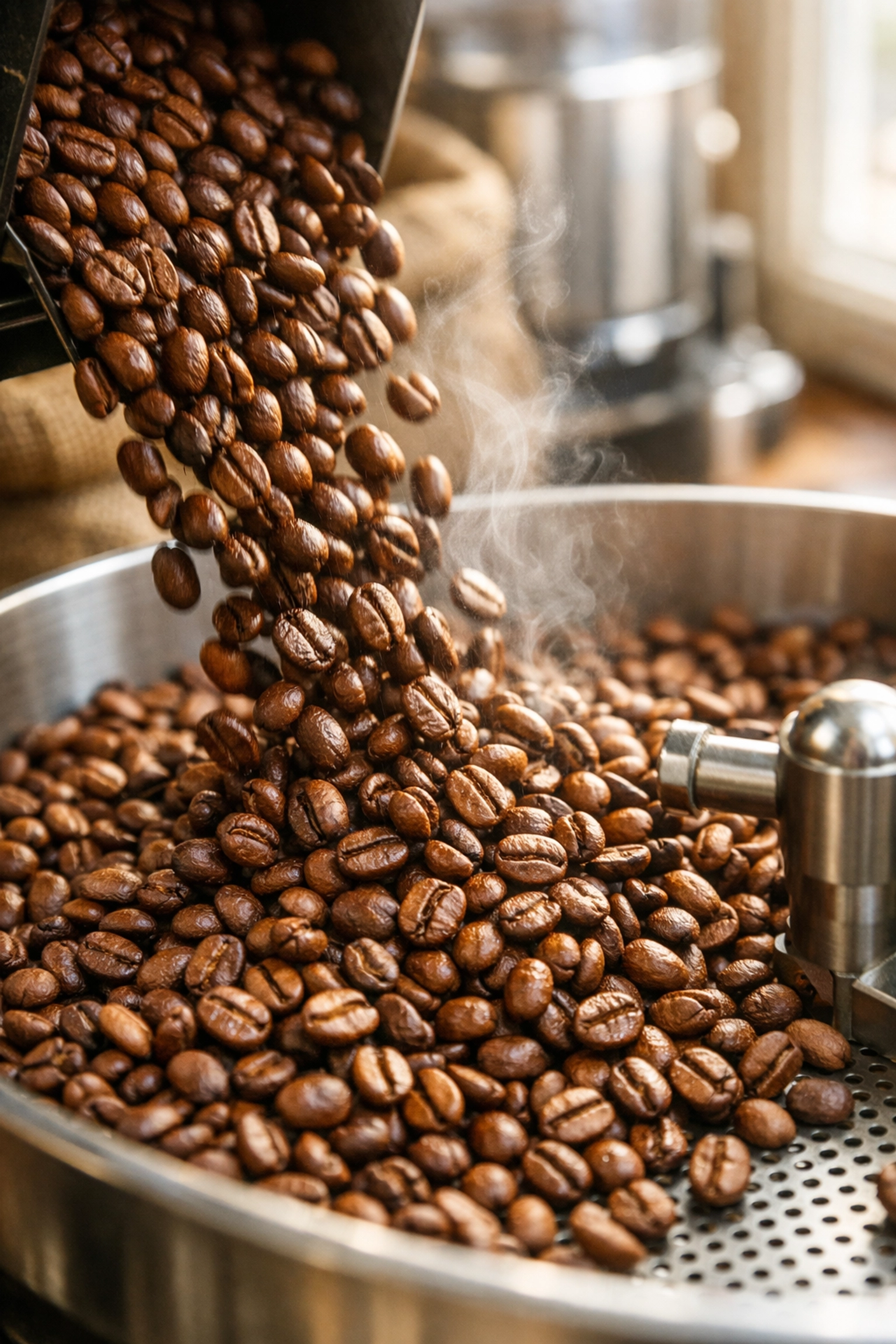
When we roast at Limini, we’re aiming for that sweet spot. Generally, coffee needs a few days to degas (release CO2), but after that, it's a race against time. If your supplier isn't roasting to order, you’re already starting behind the curve. Fresh is best. It’s that simple. And if you’re looking for that peak flavor, check out how we do things at Limini Coffee.
Why "Free" Equipment is Often the Most Expensive
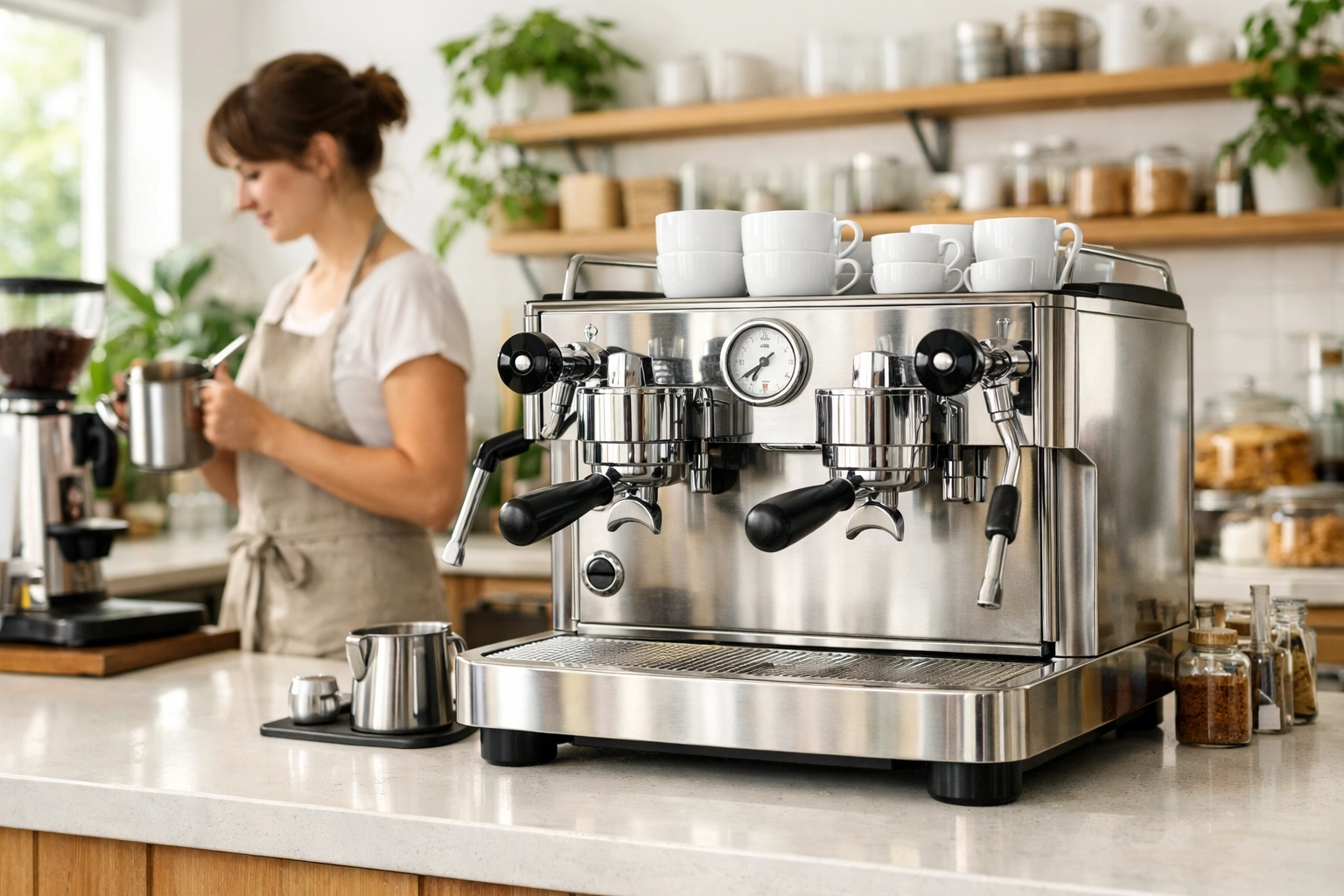
This is a big one for café startups. You’re looking at your budget, seeing the eye-watering price of a three-group espresso machine, and suddenly a supplier offers you a "free" machine if you buy their coffee. Sounds like a dream, right?
Unfortunately, it’s often a bit of a trap.
Nothing is ever truly free. When a supplier "gives" you a machine, they usually recoup that cost by charging you a significantly higher price per kilo for the coffee. You might end up paying £5 or £10 more per kilo than you would otherwise. Over a three-year contract, you could end up paying for that machine twice over.
Even worse? You’re often locked into a contract with a single supplier. If their quality drops or their service becomes terrible, you’re stuck because they own the equipment on your counter. We prefer a different approach. We think it’s much better for a business to own its equipment or lease it independently. This gives you the freedom to choose the best coffee suppliers based on quality, not because you’re held hostage by a lease agreement.
The Technical Reality: It’s Not Just About the Beans
Let’s get a bit technical for a moment, because this is where the magic (and the mess) happens. You can have the best Ethiopian Yirgacheffe in the world, but if your water temperature is off or your pump pressure is wonky, it’s going to taste like dishwater.
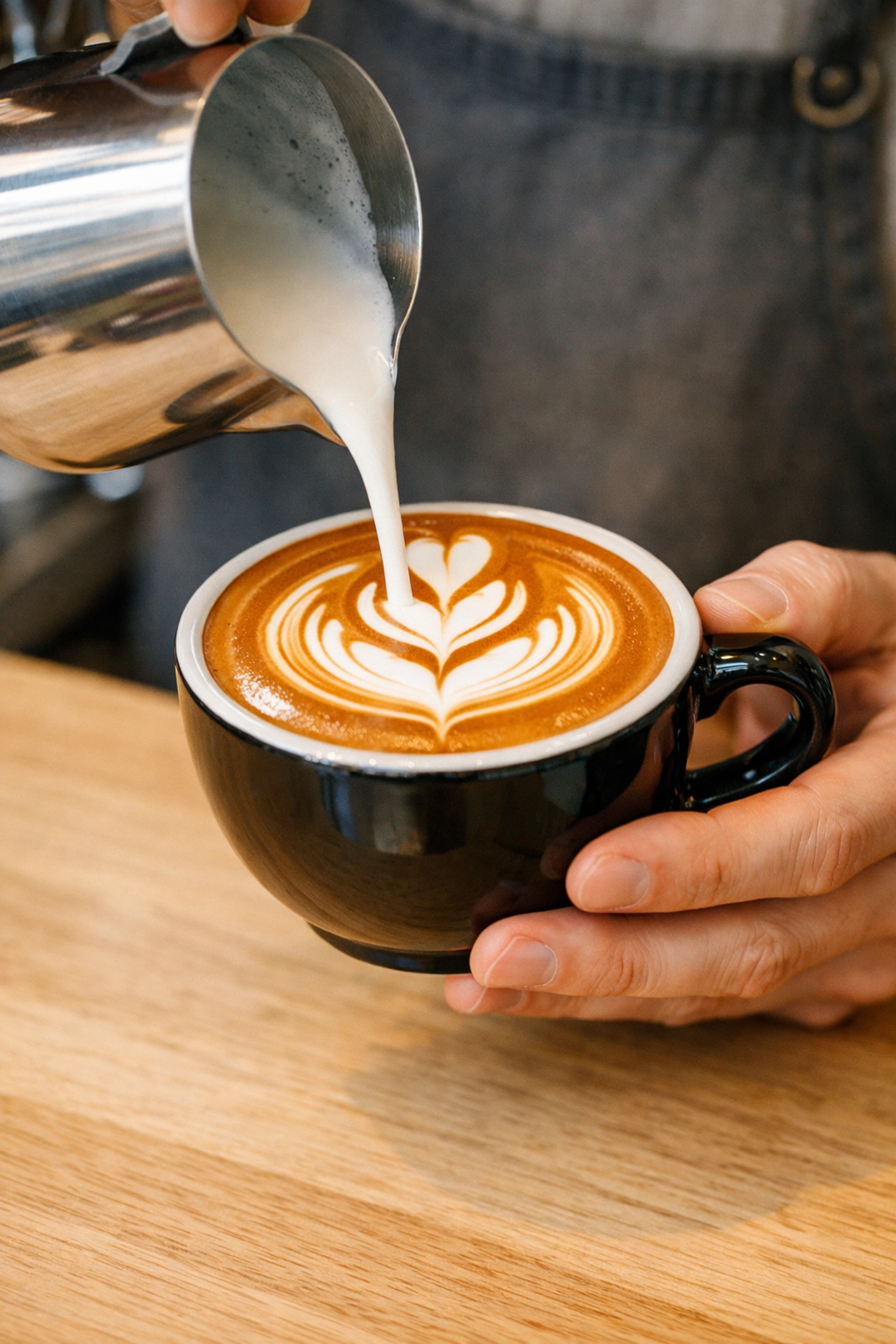
Many wholesale coffee roasters will drop off the bags and wish you luck. But a true partner understands the science. For example, did you know that the temperature of your milk is just as crucial as the coffee itself? We usually recommend aiming for around 140 °F / 60 ºC for that perfect silky microfoam. Go much higher, and you’re scalding the proteins; go lower, and it feels lukewarm to the customer.
Then there’s the 9 BAR pressure rule. It’s the industry standard for a reason. If your machine isn't consistently hitting that 9 BAR mark, your extraction will be uneven. We’ve spent years exploring these variables because we want our coffee to taste as good in your café as it does in our cupping room.
Why is this important? Because your customers can tell the difference. They might not know what 9 BAR means, but they know when a latte is "glossy" and "creamy" versus "thin" and "bubbly."
Sourcing: The Difference Between "Specialty" and "Specialty-ish"
The term "specialty coffee" is thrown around a lot these days, even by supermarket brands. But in the industry, it has a very specific meaning. To be graded as specialty, a coffee must score 80 points or above on a 100-point scale by a certified Q-Grader.
The "secret" is that many suppliers use a tiny bit of high-scoring coffee in a blend and then call the whole thing "specialty." We find that a bit of a shame, to be honest.
True specialty roasting involves meticulous sourcing. This means knowing exactly which farm the beans came from, what the altitude was, and how they were processed. Was it a "washed" process, which leads to a clean, bright acidity? Or a "natural" process, which can give you those heavy, funky, fruit-forward notes?
We love Colombian coffees for their balance and brightness, but we also adore the floral complexity of a high-altitude Ethiopian. When you work with Limini Coffee, you’re getting transparency. We want you to know the story behind the bean so you can tell that story to your customers.
Training: Your Secret Weapon
You could have the most expensive machine and the most incredible beans, but if your barista doesn't know how to "dial in" the grind in the morning, the quality will be inconsistent. And consistency is the soul of a successful café.
A common mistake we see is businesses investing all their money in the fit-out and none in the people. The "experts" might not mention that your staff will need ongoing training. The humidity changes? You need to adjust the grind. A new roast batch arrives? You need to adjust the grind.
We believe that providing wholesale coffee is only half the job. The other half is support and education. This means teaching baristas about extraction times (usually aiming for that 25-30 second window) and how to identify a "channeled" shot. It’s about empowering your team to be experts themselves.
The Hidden Costs of Poor Support
Imagine it’s a busy Saturday morning. There’s a line out the door, and your grinder suddenly gives up the ghost. Who do you call?
If your coffee supplier is just a logistics company that happens to sell beans, you’re in trouble. You’ll be told to "fill out a ticket" or wait until Monday. A true wholesale partner provides a safety net.
When choosing between wholesale coffee roasters, ask them about their tech support. Do they have engineers? Do they carry spare parts? Do they actually answer the phone on a weekend? These are the things that keep your business running when things go wrong.
Sustainability Isn't a Buzzword
You’ve probably seen "Direct Trade" or "Ethically Sourced" on almost every coffee bag recently. It’s become a bit of a marketing requirement. But the secret is that not all "direct" relationships are created equal.
Some roasters just buy from a large importer who has a "direct" label. We prefer to dig deeper. Sustainability means ensuring the farmers are paid a premium that actually allows them to invest back into their land and their families. This isn't just about being "nice": it's about the long-term survival of the coffee industry. If farmers can't make a living, they’ll stop growing specialty coffee, and we’ll all be stuck with lower-quality beans.
When you buy from Limini Coffee, you’re supporting a supply chain that values the person at the start of the journey just as much as the person at the end.
How to Choose the Right Partner
So, how do you navigate all this? If you’re a café startup, here is our no-nonsense checklist for choosing a supplier:
- Taste the Coffee: Don't just look at the branding. Request samples. Cupping the coffee is the only way to know if it fits your brand.
- Ask About Roast Dates: Do they roast to order? If they can't tell you exactly when a batch was roasted, move on.
- Check the Training Options: Do they have a training lab? Will they come to your site?
- Audit Their Technical Support: What happens if your machine breaks? Get specific answers.
- Look for Transparency: Can they tell you the farm name, the altitude, and the processing method of their single origins?
Choosing a supplier is like entering a marriage. You’re going to be talking to these people every week. You want someone who is helpful, knowledgeable, and: above all: passionate about what they do.
Final Thoughts
The specialty coffee industry can sometimes feel a bit intimidating, but it doesn't have to be. Once you look past the jargon and the "gatekeeper" attitudes, it's really just about great fruit, careful roasting, and precise preparation.
We believe that every business, no matter how small, deserves access to incredible coffee and expert support. Whether you're just starting your journey or looking to level up your current offering, we're here to help. To be honest, we just love talking about coffee, and we love seeing our partners succeed even more.
If you’re ready to see what a real wholesale partnership looks like, come and have a chat with us at Limini Coffee. We’ve got the beans, the machines, and the expertise to help you brew something truly special.
Remember, the best coffee isn't just a product; it's the result of a whole lot of people caring about the tiny details. And that is the beauty of coffee 🙂