Look, we've all been there. You're enjoying your third cup of the day when someone hits you with, "Isn't that dehydrating?" or "You know that's bad for your heart, right?" And suddenly you're second-guessing your life choices over a simple brew.
Here's the thing: coffee has been getting a bad rap for decades, and most of it is complete rubbish. Science has actually caught up, and the evidence is pretty clear – your daily coffee habit is probably doing you more good than harm. So let's tackle the five biggest myths that keep popping up and set the record straight once and for all.
Myth 1: Coffee Is Dehydrating
This one just won't die, will it?
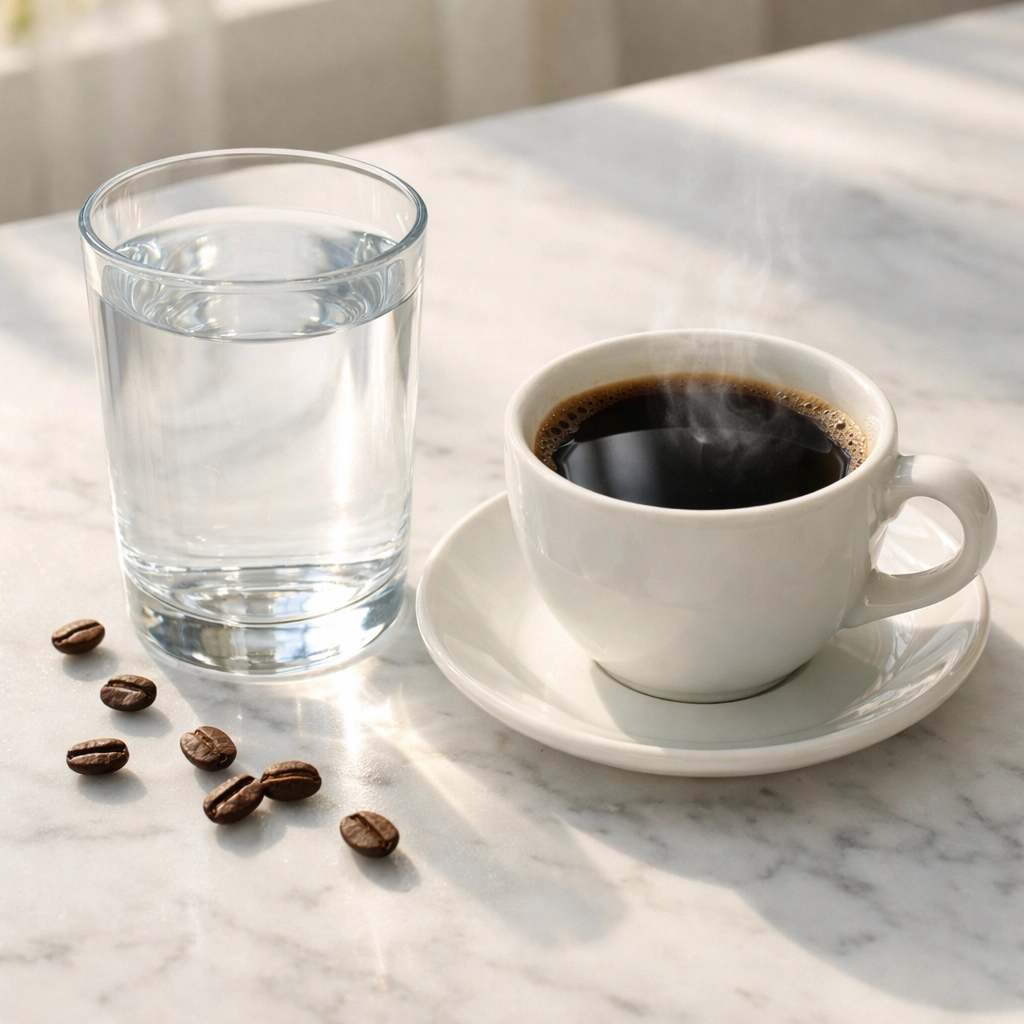
You've probably heard it a million times: "Coffee doesn't count toward your daily water intake because it's a diuretic." Well, we've got news for you. Moderate coffee consumption does not cause dehydration. Full stop.
Here's why: Coffee is more than 95% water. The diuretic effect of caffeine – which is real, to be fair – is absolutely minimal compared to the total liquid content you're consuming. Recent studies have found no significant differences in hydration status between people who drink coffee and those who drink equal amounts of water.
So that cup you're holding? It's contributing to your hydration, not working against it. Does caffeine make you pee a bit more? Sure. But the fluid you're taking in far outweighs what you're losing. Unless you're downing espresso shots by the dozen (which, let's be honest, we wouldn't recommend for other reasons), your hydration levels are just fine.
Myth 2: Coffee Is Bad for Your Heart
This myth has scared away more coffee lovers than we'd like to count, and it's time to put it to rest.
Recent studies show absolutely no association between coffee consumption and increased cardiovascular disease risk. In fact, the opposite appears to be true. Moderate coffee consumption – we're talking 2 to 5 cups per day – has been associated with an 11% reduction in coronary heart disease risk.
Even more impressive? A massive 2022 study based on over 500,000 UK residents found that consuming 2 to 3 cups of coffee daily was linked to significant reductions in cardiovascular disease and overall mortality. Not "no harm." Actual benefits.
Now, we're not saying coffee is a magical cure-all. But if you've been worried that your morning ritual is slowly destroying your heart, you can breathe easy. The science just doesn't support that fear. Your heart is probably quite happy with your coffee habit, especially if you're drinking quality, freshly roasted beans like the ones we offer at Limini Coffee.
Myth 3: Coffee Stunts Your Growth
Remember being told as a kid that coffee would keep you short? Yeah, we heard that one too.
There is absolutely no scientific basis for the claim that caffeine prevents growth in children. None. Zero. This myth has been floating around forever, and no one really knows where it came from, but it's definitely not rooted in evidence.
No studies connect coffee consumption to growth impairment. While caffeine can act as a mild appetite suppressant, this doesn't translate into any meaningful effects on development or height. Kids grow based on genetics, nutrition, and overall health – not whether they snuck a sip of your latte.
Should children be drinking coffee? That's a different conversation entirely, and one that's more about caffeine sensitivity and sleep patterns than growth. But if you're an adult who was told this as a child and still feels a bit guilty about your coffee consumption, you can officially let that one go.

Myth 4: Coffee Causes Digestive Issues
If anything, this myth is backwards.
Coffee actually supports digestive health. Moderate consumption of 3 to 5 cups per day stimulates the release of gastric acid, bile, and pancreatic enzymes, all of which help efficiently break down food. For many people, that morning cup literally gets things moving (if you know what we mean).
Research also suggests that coffee consumption is associated with healthy gut microflora, likely due to the polyphenol compounds found in coffee. These are the same beneficial compounds you hear about in things like tea and dark chocolate – powerful antioxidants that support overall gut health.
Now, we're not saying coffee works for everyone's digestive system. Some people are more sensitive and might experience discomfort, especially on an empty stomach or with particularly acidic coffees. But the blanket statement that "coffee causes digestive issues" just doesn't hold up. For most people, it's actually helping, not hurting.
This is where quality matters, though. Specialty coffee that's been properly roasted and freshly prepared tends to be much gentler on the stomach than the stale, over-roasted stuff you might find elsewhere. When you're drinking fresh, quality beans, you're getting all those beneficial compounds without the harsh bitterness that can irritate sensitive stomachs.
Myth 5: Adding Sugar Destroys Coffee's Health Benefits
Here's one that might surprise you, especially if you've been forcing yourself to drink black coffee purely for health reasons.
Sugar-sweetened coffee retains health benefits similar to black coffee. We know, we know – this goes against everything you've been told about "clean" coffee drinking. But a large UK Biobank study found that both unsweetened and sugar-sweetened coffee were associated with lower risk of cancer-related and cardiovascular mortality.
Participants who drank moderate amounts of sugar-sweetened coffee showed significantly reduced mortality risk compared to non-coffee drinkers. The coffee itself – with all its polyphenols, antioxidants, and beneficial compounds – is doing the heavy lifting health-wise.
Obviously, we're not suggesting you dump five spoons of sugar into every cup. Too much added sugar isn't great for anyone, regardless of what it's sweetening. But if you prefer your coffee with a bit of sweetness, you don't need to feel guilty about it from a health perspective. You're still getting the benefits.
That said, when you start with really good coffee – the kind that's been carefully sourced, expertly roasted, and consumed fresh – you often don't need as much sugar anyway. Quality beans have natural sweetness and complexity that cheaper coffees just can't match. It's worth experiencing what specialty coffee actually tastes like before you automatically reach for the sugar bowl.

Why Quality Matters More Than You Think
So here's the thing we haven't mentioned yet: not all coffee is created equal when it comes to health benefits.
The studies we've referenced are based on coffee consumption in general, but the quality of what you're drinking absolutely makes a difference. Stale, poorly stored coffee loses many of those beneficial compounds over time. Over-roasted coffee can be harsh and acidic. And low-quality beans might contain impurities or defects that definitely aren't doing your body any favours.
When you choose specialty coffee that's been freshly roasted and properly stored, you're getting the maximum amount of those polyphenols, antioxidants, and beneficial compounds. You're also getting better flavour, which means you might need less sugar or cream to make it enjoyable. Fresh coffee from quality beans is genuinely a cleaner, better choice for your health.
We've spent years perfecting our roasting process to bring out the best in every bean, and we always roast to order so you're getting coffee at its absolute peak. That's not just about taste – it's about getting all those health benefits in their most potent form.
The Bottom Line
Coffee isn't the villain it's been made out to be. It's not dehydrating you, destroying your heart, stunting anyone's growth, ruining your digestion, or losing all its benefits the moment you add a bit of sweetness.
The evidence is pretty overwhelming: moderate coffee consumption is associated with numerous health benefits, from reduced cardiovascular disease risk to better digestive health to lower mortality rates. Your daily coffee habit is probably one of the better things you're doing for yourself, especially if you're drinking quality stuff.
So the next time someone gives you grief about your coffee consumption, you've got the science on your side. And if you want to maximize those health benefits while enjoying genuinely delicious coffee, stock up on some fresh, expertly roasted beans and drink up without guilt.
Your body (and your taste buds) will thank you.