
Let's address the elephant in the room: decaf coffee has a terrible reputation.
For years, ordering a decaf has been met with eye rolls, half-hearted espresso pulls, and the assumption that you don't really care about coffee. It's been treated like the disappointing younger sibling of "real" coffee, something you settle for rather than something you actually want to drink.
We're here to tell you that's complete rubbish.
At Limini Coffee, we've made it our mission to prove that decaf can be just as delicious, complex, and satisfying as any caffeinated coffee. The secret? It all comes down to how the coffee is decaffeinated and how we roast it afterwards. And spoiler alert: we do things differently.
Why Does Decaf Have Such a Bad Reputation?
The decaf stigma didn't come from nowhere. Early decaffeination methods were, frankly, awful. We're talking benzene, an actual carcinogen, being used to strip caffeine from coffee beans. Not exactly appetizing, is it?
Even after safer methods emerged, many roasters treated decaf as an afterthought. They'd use lower-quality beans (because why waste the good stuff on decaf drinkers, right?) and apply generic roasting profiles that didn't account for how decaffeination changes the bean structure. The result? Flat, lifeless coffee that tasted like disappointment in a cup.
So yeah, decaf earned its dodgy reputation. But here's the thing: it doesn't have to be that way.
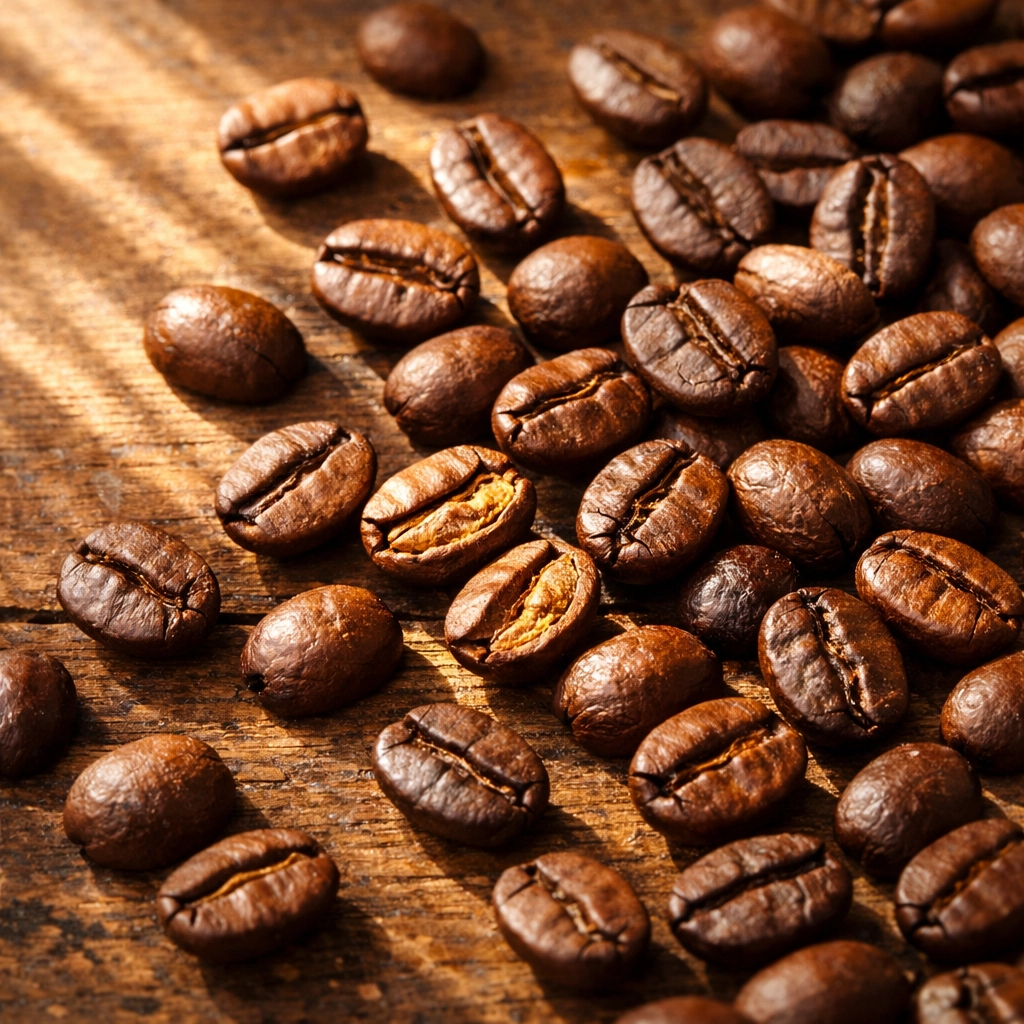
Our Non-Negotiable: Chemical-Free Decaffeination Only
We only offer decaf coffee that has been decaffeinated using chemical-free processing methods. Full stop.
This isn't just a nice-to-have for us: it's a fundamental part of our commitment to quality and your health. While some decaffeination processes use chemical solvents like methylene chloride or ethyl acetate, we've chosen to work exclusively with water-based methods that preserve both the coffee's flavor and your peace of mind.
Think about it: you wouldn't compromise on the quality of your caffeinated coffee, so why should decaf be any different? We source specialty-grade beans and process them using methods that keep all the good stuff (flavor, aroma, complexity) while removing what you don't want (caffeine).
Meet Our Two Champions: Swiss Water and Mountain Water Process
We offer two exceptional decaf options, each with its own personality and processing story.
Swiss Water Decaf: Full-Bodied Brazilian Brilliance
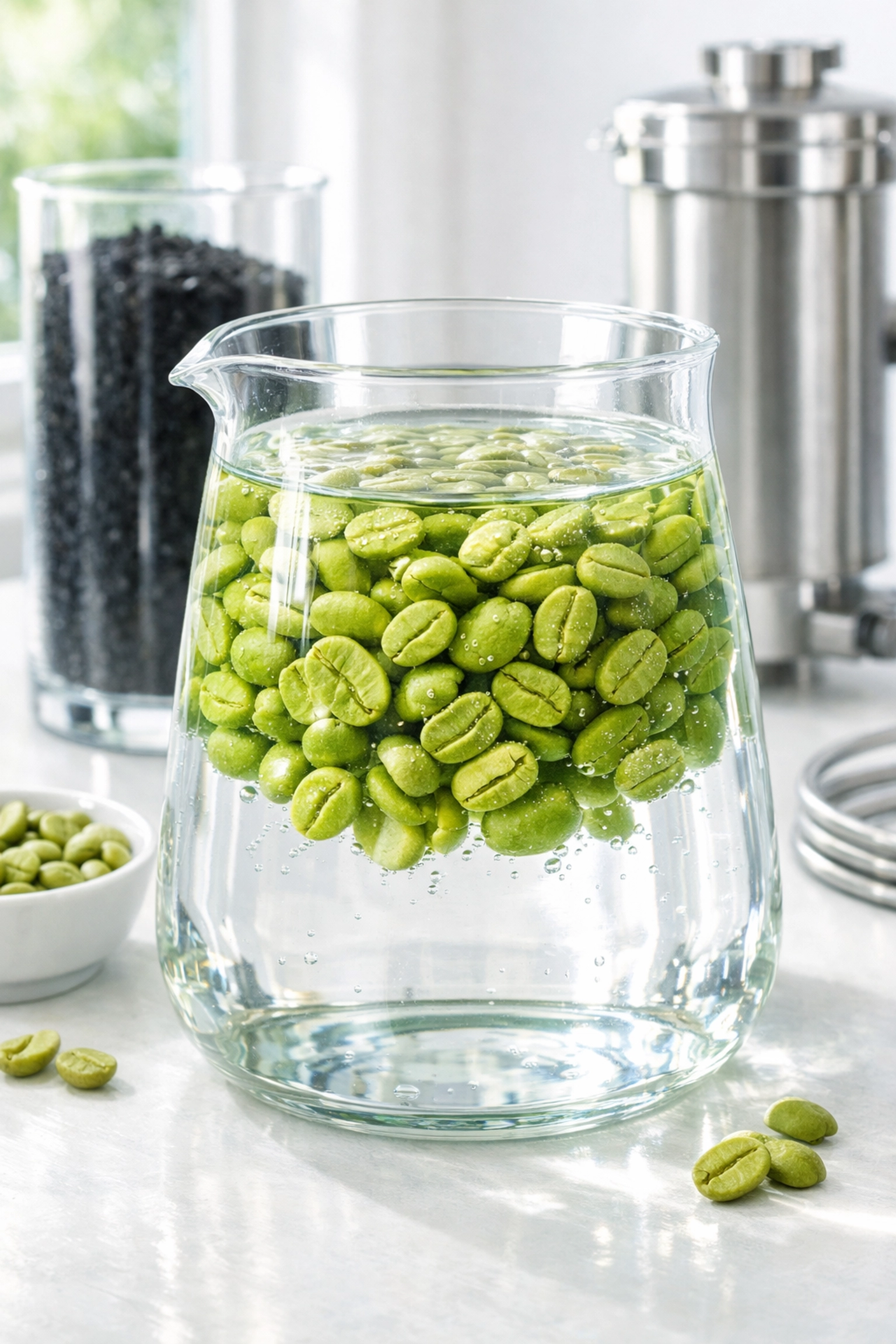
Our Swiss Water Decaf comes from Brazil and goes through one of the most respected decaffeination processes in the specialty coffee world. The Swiss Water method uses only water and activated charcoal filtration to remove caffeine: no chemicals whatsoever.
Here's how it works: green coffee beans are soaked in pure water, which dissolves the caffeine along with the coffee's flavor compounds. This caffeine-rich water (called Green Coffee Extract) is then passed through activated charcoal filters that trap the caffeine molecules but let the smaller flavor molecules pass through. The now-caffeine-free but flavor-rich water is used to soak new batches of beans, pulling out caffeine without stripping away taste.
Brilliant, right?
The result is a full-bodied coffee with gorgeous dark chocolate notes. It's rich, smooth, and perfect for milk-based drinks like lattes, cappuccinos, and flat whites. Honestly, if someone served this to you without mentioning it's decaf, you probably wouldn't guess.
Mountain Water Process Decaf: Mexican Magic
Our Mountain Water Process decaf is sourced from Mexico and uses water from the country's highest mountain to naturally remove caffeine. This method achieves 99.9% caffeine removal while maintaining the coffee's inherent character.
Similar to Swiss Water, this process uses pure water to dissolve and filter out caffeine without touching a single chemical solvent. The difference is in the water source and the specific filtration process, which gives this coffee its own unique profile.
This one's a bit mellower and easier-drinking, with nutty flavors and sweet notes of milk chocolate. If you're after a gentle, approachable decaf that you can enjoy any time of day without thinking too hard about it, this is your coffee.
How We Roast Decaf Differently (Because It Matters)
Here's something most people don't realize: decaffeinated beans behave differently during roasting than their caffeinated cousins.
The decaffeination process changes the bean's physical structure and moisture content. This means if you roast decaf using the same profile as regular coffee, you'll end up with uneven results and muted flavors. It's a bit like trying to bake gluten-free bread with a regular recipe: the fundamentals are different.
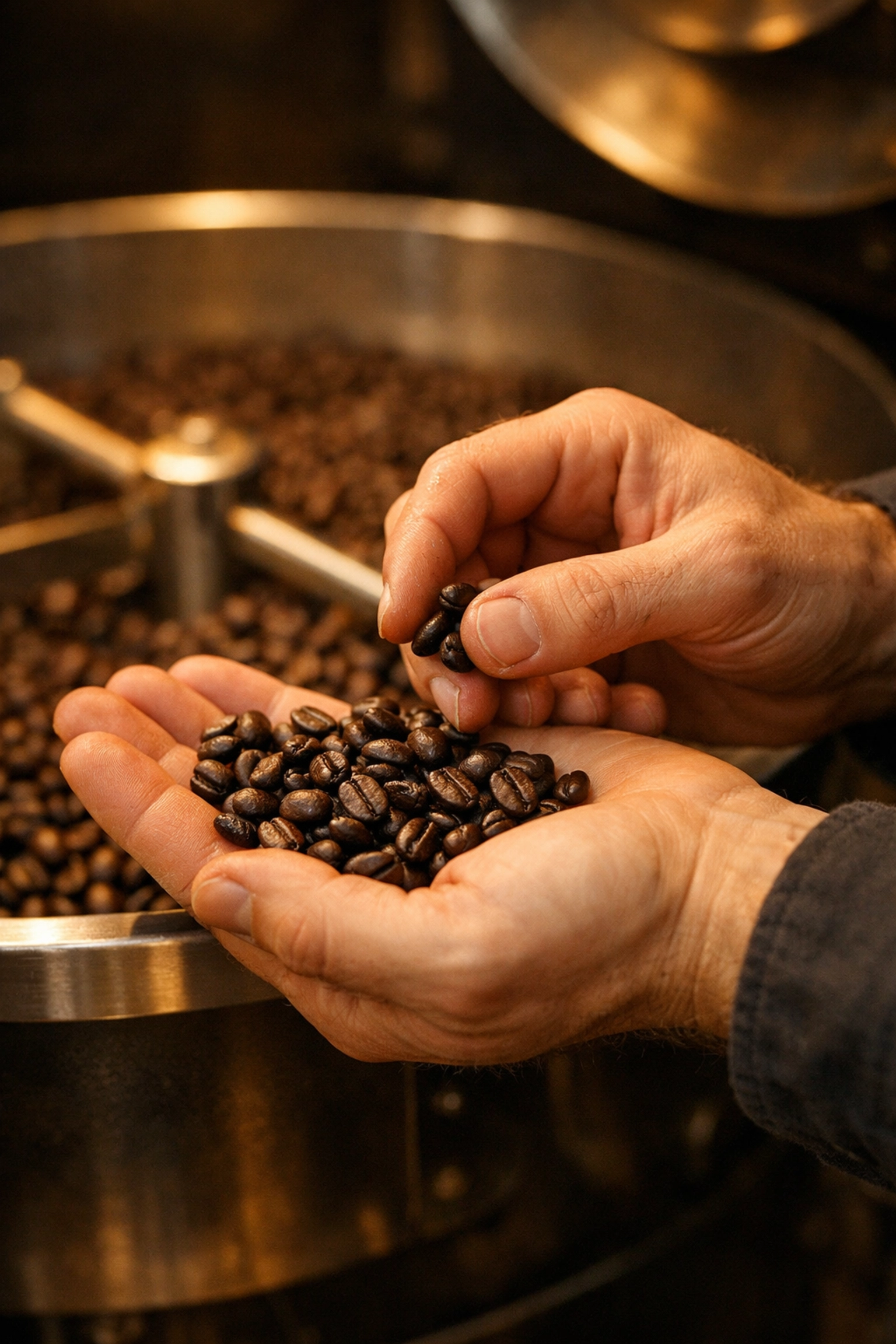
We adjust our roasting profiles specifically for decaf beans. We're paying attention to how heat transfers through the bean, how quickly we want to develop certain flavors, and where to stop the roast to maximize sweetness and complexity without developing bitter or flat notes.
It's more work. It requires more attention. But that's precisely why our decaf doesn't taste like an afterthought: because it isn't one.
When Decaf Actually Makes Sense (Hint: More Often Than You Think)
Let's talk about when you might actually want to reach for decaf. And we're not just talking about the obvious "it's 9 PM and I want to sleep tonight" scenario.
After Lunch: You love your morning ritual, but a second or third shot of caffeine after 2 PM leaves you wired at midnight. Decaf lets you enjoy that afternoon coffee break without sacrificing your sleep.
Multiple Cups a Day: Some of us genuinely want to drink four or five cups of coffee throughout the day. Decaf lets you do that without turning into a jittery mess.
Pregnancy or Caffeine Sensitivity: Life circumstances change. Decaf means you don't have to give up the ritual and taste you love when caffeine isn't an option.
Evening Entertainment: Hosting friends for dinner? Offering quality decaf with dessert is actually thoughtful, not boring. Your guests will appreciate being able to enjoy excellent coffee without lying awake replaying the conversation at 3 AM.
Simply Because You Want To: Here's a radical thought: you don't need a reason. If you want delicious coffee without caffeine, that's reason enough.
The Taste Test Challenge
We genuinely encourage you to do a blind taste test. Brew our Swiss Water or Mountain Water decaf alongside a similar caffeinated option. Take your time. Pay attention to the body, the sweetness, the finish.
We're confident you'll be impressed. Not in a "that's good…for decaf" way, but in a "that's genuinely excellent coffee" way.
The chocolate notes in the Swiss Water? They're there because we've sourced quality Brazilian beans and roasted them with care. The nutty sweetness in the Mountain Water? That's Mexican terroir coming through, preserved by a gentle decaffeination process and thoughtful roasting.
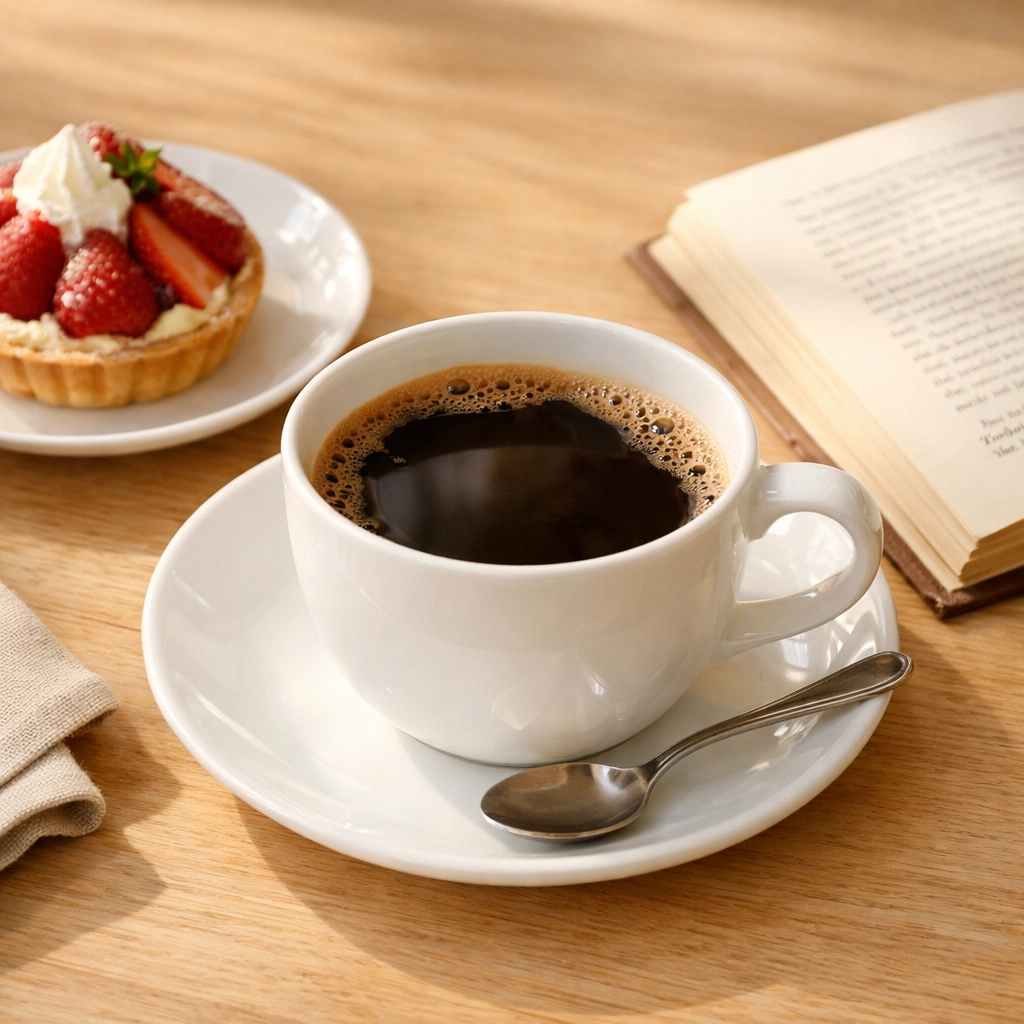
Your Invitation to Rethink Decaf
Look, we get it. If you've been burned by disappointing decaf in the past, you might be skeptical. But here's the thing: specialty coffee has evolved massively over the past decade, and decaf has evolved right along with it.
Chemical-free processing methods like Swiss Water and Mountain Water have changed the game. Combined with quality sourcing and proper roasting, decaf can absolutely stand alongside any coffee in your cupboard.
We've put the work in to prove it. We've sourced exceptional beans, chosen processing methods that prioritize flavor, and developed roasting profiles that bring out the best in these coffees. Now we're inviting you to taste the difference for yourself.
Ready to challenge your assumptions about decaf? Browse our decaf range at Limini Coffee and discover what you've been missing.
Whether you're looking for a rich, chocolatey Swiss Water option or a mellower Mountain Water coffee, we've got something that'll make you genuinely excited about decaf. No compromise necessary.
And if you're still not convinced? Fair enough. But at least now you know that when we say "decaf without the compromise," we actually mean it. The beans, the process, the roasting: it all matters, and we've refused to cut corners on any of it.
Your evening coffee ritual is calling. And this time, you'll actually sleep afterwards. ☕️