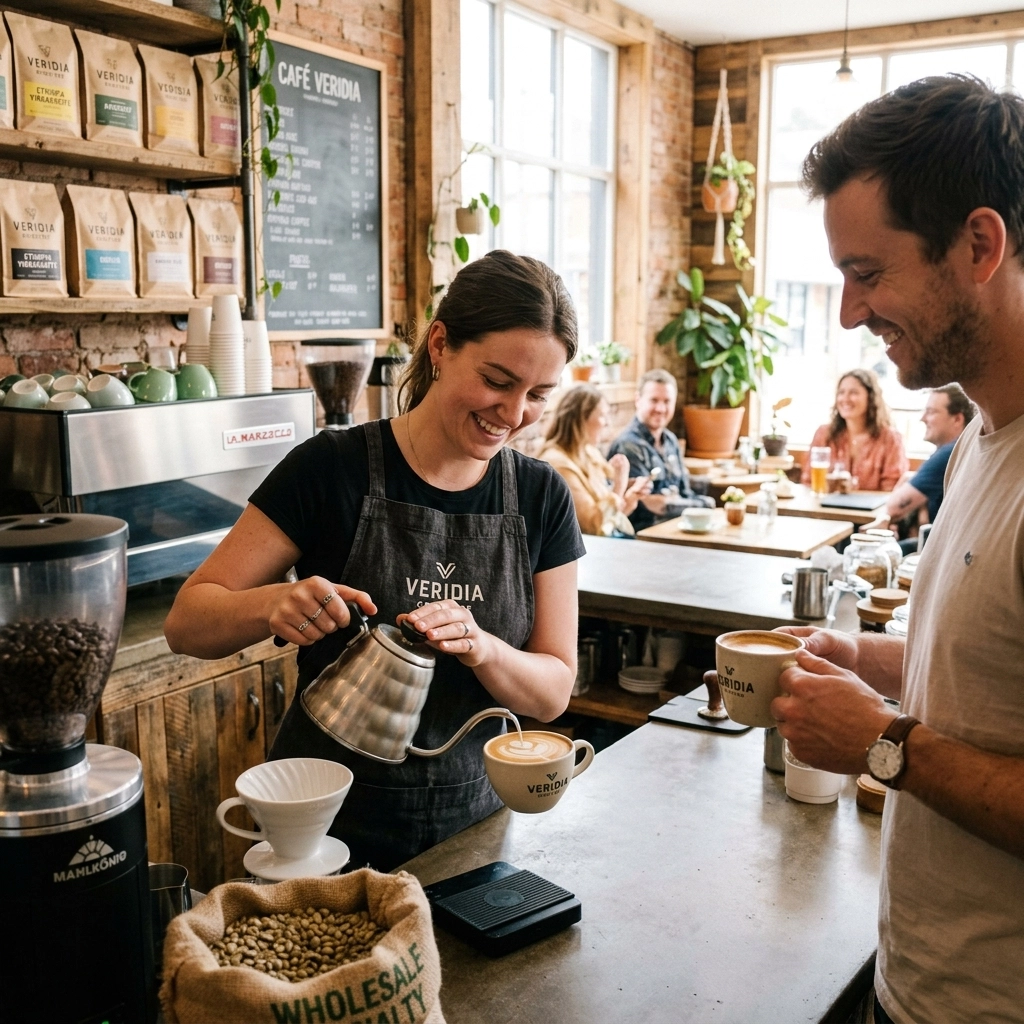
Let's be honest: sustainability isn't just a buzzword anymore. It's what your customers are asking about, what your competitors are bragging about, and increasingly, what your business reputation depends on. If you're running a café, restaurant, or any business serving coffee, where your beans come from matters. A lot.
But here's the thing: sourcing sustainable coffee doesn't have to be complicated or prohibitively expensive. It's about knowing what to look for, building the right relationships, and partnering with suppliers who genuinely care about the entire supply chain: not just their profit margins.
So let's talk about how to source sustainable coffee for your business in a way that's ethical, profitable, and genuinely makes a difference.
Why Sustainability Matters in Today's Coffee Market
The coffee industry has a bit of a dark side. For decades, coffee farmers: particularly smallholders in developing countries: have been squeezed by volatile commodity prices, exploitative middlemen, and climate change that threatens their livelihoods. Meanwhile, consumers are becoming increasingly aware of these issues.
Today's customers want to know their morning flat white isn't contributing to environmental degradation or poverty wages. They're reading labels, asking questions, and voting with their wallets. According to recent industry data, 55% of global coffee production was certified under voluntary sustainability standards in 2019/2020, and that number is only growing.
When you source sustainable coffee, you're not just doing the right thing ethically. You're also building brand loyalty, differentiating yourself from competitors, and future-proofing your business against an increasingly conscious consumer base.
The Business Case: How Ethical Sourcing Strengthens Your Brand
Let's talk bottom line for a moment. Sustainable sourcing isn't charity: it's smart business.
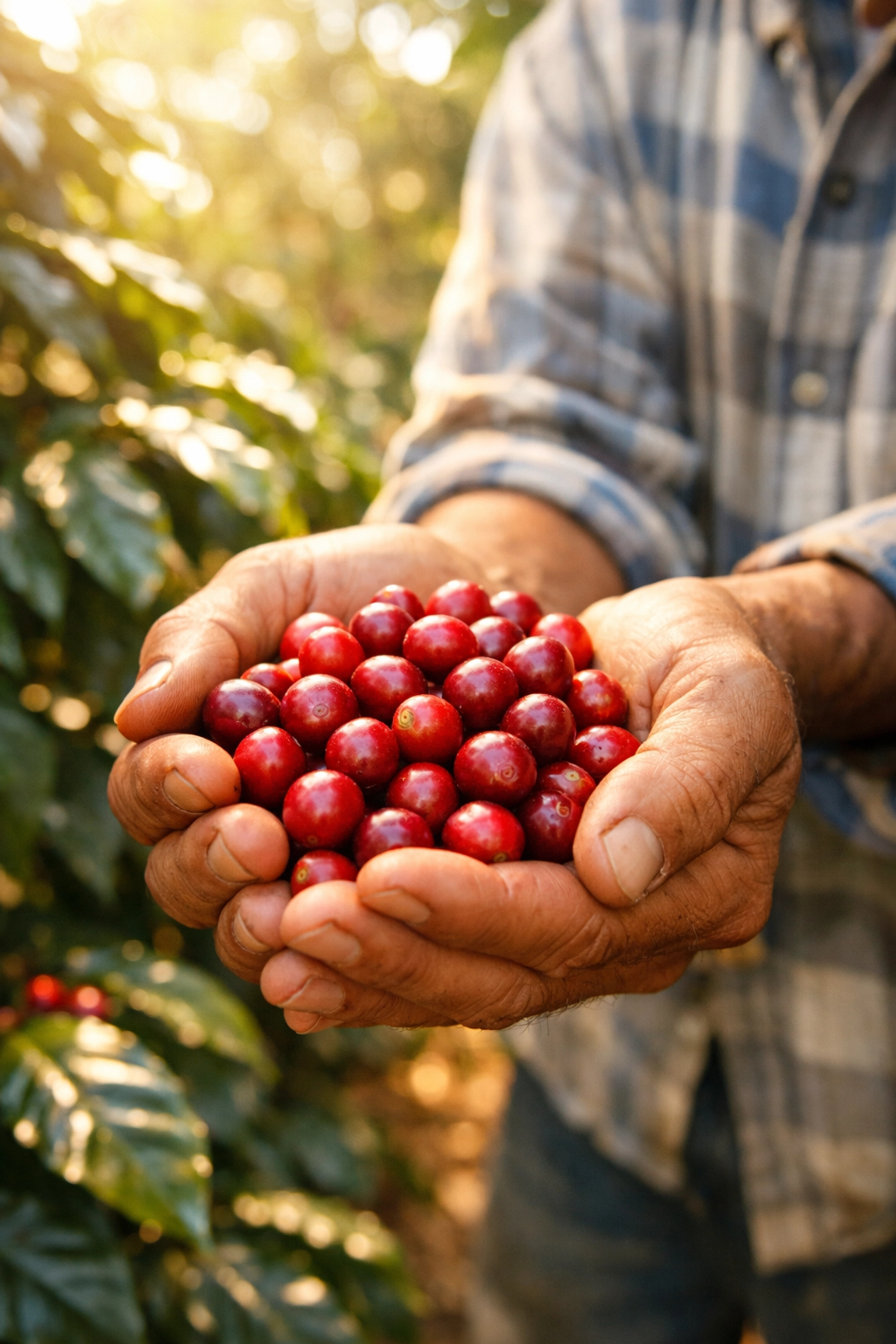
When you commit to ethically-sourced coffee, you're telling a story your customers want to hear. You're showing them you care about more than just profit. And that emotional connection? It translates to loyalty, word-of-mouth marketing, and customers who'll pay a premium for your coffee because they trust what you stand for.
Think about it: independent cafés and roasters thrive on authenticity. You can't compete with high street chains on price or convenience, so you compete on values. Your sustainable sourcing becomes part of your brand identity, something you can proudly display on your menu boards, website, and social media.
Plus, building long-term relationships with sustainable suppliers often means more consistent quality, better traceability, and even input into the development of new coffees. You're not just buying a commodity: you're becoming part of a supply chain that values quality and relationships.
Understanding Coffee Certifications: Your Starting Point
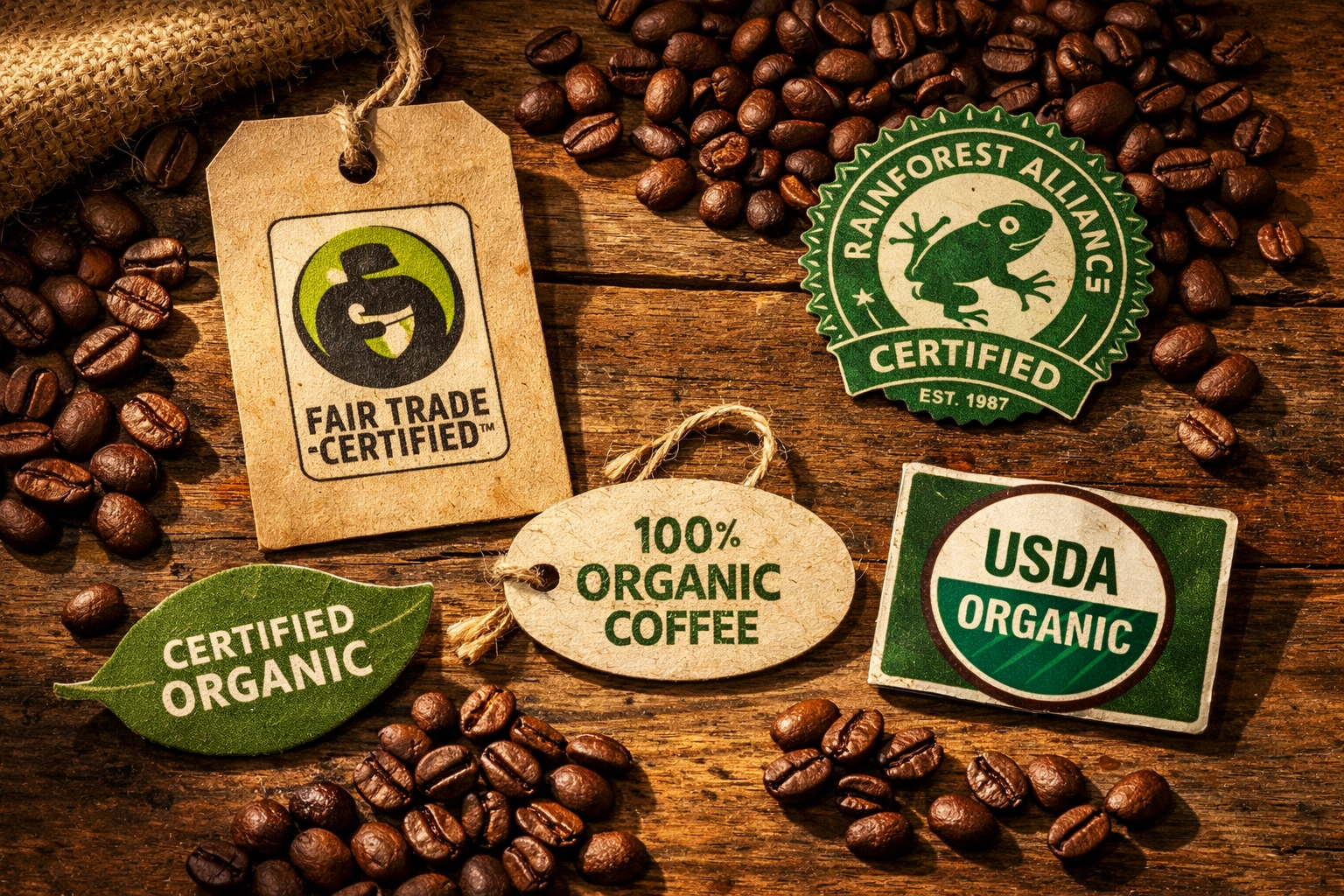
If you're new to sustainable sourcing, certifications are your friend. They provide third-party verification that coffee has been produced according to specific environmental, social, and economic standards.
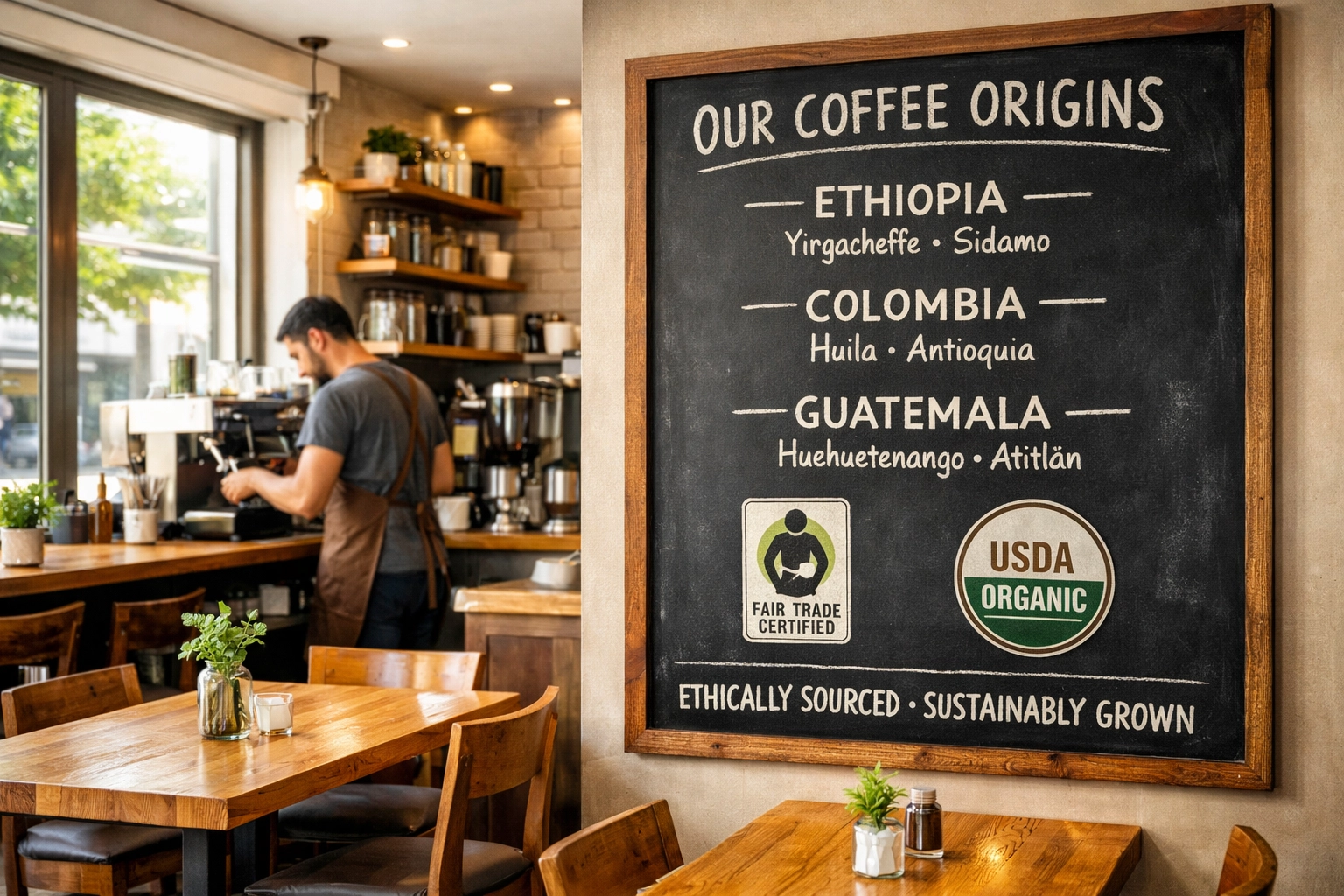
Fair Trade is probably the most recognized certification. It ensures farmers receive a minimum price for their coffee, regardless of market fluctuations, and guarantees safe working conditions and community development funds.
Rainforest Alliance focuses on environmental conservation, protecting biodiversity, and promoting sustainable farming practices that preserve ecosystems while supporting farmer livelihoods.
Organic certification means the coffee was grown without synthetic pesticides, herbicides, or fertilizers: better for the environment, the farmers, and arguably the coffee itself.
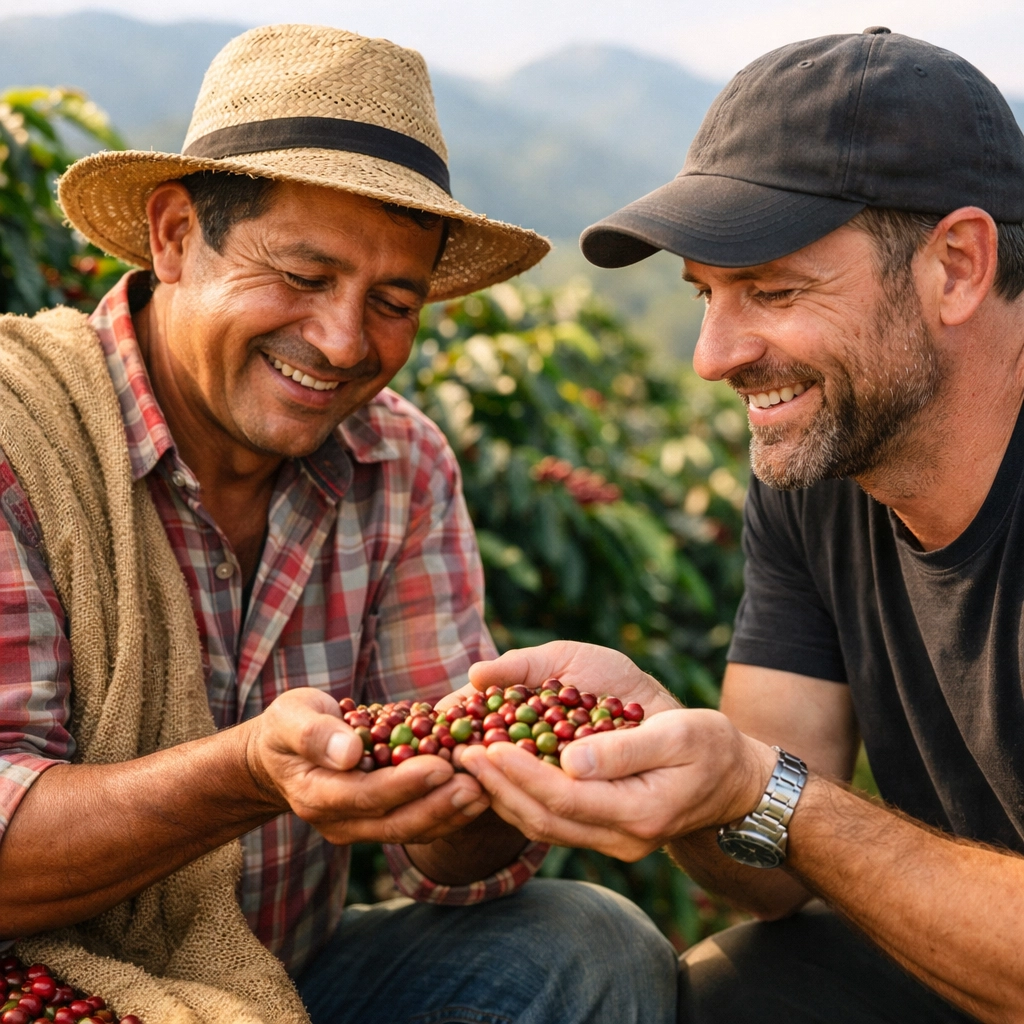
Direct Trade isn't a formal certification but a sourcing model where roasters work directly with farmers, cutting out middlemen and ensuring more money goes to the people actually growing your coffee. This is where things get really interesting.
The Direct Trade Difference
We've always believed that the best coffee comes from direct relationships. When you source through importers who actually know the farmers, visit the farms, and build multi-year partnerships, you get something special.
Direct trade means transparency. You know exactly where your coffee comes from: not just the country or region, but the specific farm or cooperative. You know who grew it, how they processed it, and what they earned from it.
This level of traceability isn't just feel-good marketing. It allows you to verify ethical practices, maintain consistent quality year after year, and tell your customers genuine stories about the people behind their coffee.
At Limini, we've built our entire sourcing model around these direct relationships. We work with farmers and cooperatives who share our commitment to quality and sustainability, and we believe that approach produces not just better coffee, but a better industry.
What to Look For in a Sustainable Coffee Supplier
So you're ready to source more ethically. What should you actually be looking for?
Transparency is everything. Your supplier should be able to tell you exactly where their coffee comes from, who grew it, and how it was processed. If they can't or won't, that's a red flag.
Ask about pricing. Sustainable sourcing means farmers are paid fairly. Your supplier should be able to explain their pricing model and demonstrate that a meaningful portion of what you pay reaches the growers.
Look at their long-term relationships. The best suppliers return to the same farms and cooperatives year after year, investing in quality improvement and sustainable practices. This consistency benefits everyone in the supply chain, including you.
Consider their values beyond coffee. Do they invest in community development projects? Do they support women in coffee? Do they have environmental commitments around packaging and operations?
And here's something we think is crucial: taste the coffee. Sustainable sourcing and exceptional quality aren't mutually exclusive: in fact, they usually go hand in hand. The best sustainable coffees we've encountered are among the most delicious.
Defining Your Own Sustainability Criteria
Every business is different, so your sustainability criteria should reflect your values and what matters most to your customers.
Environmental factors might include organic farming, shade-grown cultivation, water conservation, and minimal use of agrochemicals. Coffee grown in harmony with existing ecosystems tends to be more resilient to climate change and supports biodiversity.
Social factors cover fair wages, safe working conditions, gender equality, and community investment. Remember, coffee farming involves entire communities, so supporting farmers means supporting families and regions.
Economic sustainability means farmers can actually make a living from coffee. This includes fair pricing, direct trade premiums, and long-term contracts that provide stability.
The key is to work with your suppliers on continuous improvement rather than imposing impossible standards that exclude smallholder farmers. Sustainability is a journey, not a destination.
How Limini Sources Sustainable Coffee
We'll be honest with you: sourcing exceptional sustainable coffee is something we're genuinely passionate about. It's not a side project or a marketing angle; it's fundamental to who we are as a roaster.
We've built relationships with farmers and cooperatives who produce some of the world's best specialty coffees while maintaining rigorous environmental and social standards. Every coffee we source meets our criteria for traceability, fair compensation, and sustainable farming practices.
But we don't just tick boxes. We visit farms when we can, we maintain ongoing communication with our producing partners, and we're constantly working to improve our sourcing practices. Because sustainability isn't static: it's about continually doing better.
If you're looking to upgrade your business's ethical footprint and serve genuinely exceptional coffee, we'd love to work with you. You can explore our wholesale options and discover more about our sustainably-sourced coffees at https://www.liminicoffee.co.uk/?af=1471531379787.
Communicating Your Sustainable Sourcing
Once you've established your sustainable sourcing, don't keep it a secret.
Train your staff to talk knowledgeably about where your coffee comes from. Include origin stories on your menu or website. Share content on social media about the farmers and cooperatives you support. Make it part of your brand story.
But keep it authentic. Customers can smell greenwashing a mile away. Focus on specific, verifiable facts rather than vague claims. "Our Colombian coffee comes from the Huila region, where we work directly with the El Paraíso cooperative" is more compelling than "We care about the planet."
Your sustainable sourcing is a competitive advantage: use it.
The Path Forward
Sourcing sustainable coffee for your business isn't just ethically right: it's strategically smart. It builds customer loyalty, differentiates your brand, and ensures you're part of a coffee industry that values people and planet alongside profit.
Start by identifying suppliers with strong transparency and direct relationships. Look for certifications as a baseline, but dig deeper into their actual practices. Define what sustainability means for your business, and find partners who share those values.
And remember: you don't have to do this alone. Working with a roaster who's already established sustainable sourcing relationships means you get all the benefits without having to build those connections from scratch.
The coffee industry is changing, and businesses that embrace sustainable sourcing now will be the ones thriving in five, ten, twenty years. Your customers are ready for it. The question is: are you?
If you're ready to make the switch to sustainably-sourced, exceptionally delicious specialty coffee, let's talk. Visit us at https://www.liminicoffee.co.uk/?af=1471531379787 and discover how easy it can be to upgrade your coffee program while upgrading your values.