So, you’re thinking about opening a café, or maybe you’re looking to level up your existing coffee game? First off, welcome to the madness. It’s a world filled with the scent of roasted beans, the hiss of steam wands, and, if we’re being honest, a fair amount of industry gatekeeping.
When you start looking for wholesale coffee roasters, you’ll notice that everyone claims to have the "best" beans. But what does that actually mean? Behind the glossy bags and the trendy branding, there are secrets that many coffee suppliers don't really want to shout from the rooftops.
At Limini Coffee, we’ve always believed in transparency. We’re not just here to sell you bags of beans; we’re here to be your partner in this caffeinated journey. Whether you’re a seasoned pro or a complete newcomer, we want you to know exactly what goes into the cup. If you're ready to see how we do things differently, you can check out our wholesale specialty coffee options here.
The Great Freshness Lie
If there is one thing that "big coffee" loves to hide, it’s the roast date. You’ll go into a supermarket or even some large-scale commercial distributors, and you’ll see a "Best Before" date that is eighteen months in the future.
Here is the secret: Coffee doesn't "go bad" in the sense that it becomes toxic, but it absolutely dies in terms of flavour.
Coffee is a fresh agricultural product. Once it’s roasted, the clock starts ticking. Carbon dioxide begins to escape (a process called degassing), and oxygen starts moving in. This oxidation turns those beautiful, vibrant notes of blueberry or chocolate into something that tastes like… well, cardboard.
Most mass-market wholesale coffee is roasted in massive batches, stored in warehouses for months, and then shipped to you. By the time it hits your hopper, the soul of the bean is long gone.
We believe that fresh is best. Period. We look for a "Roasted On" date, not a "Best Before" date. Ideally, you want to be using your beans between 7 and 30 days after roasting. This gives the coffee enough time to degas so it doesn't taste "fizzy," but ensures the oils are still volatile and delicious. If your supplier can’t tell you exactly when the beans were roasted, that’s a massive red flag.
The "Specialty" Label: It's Not Just Marketing
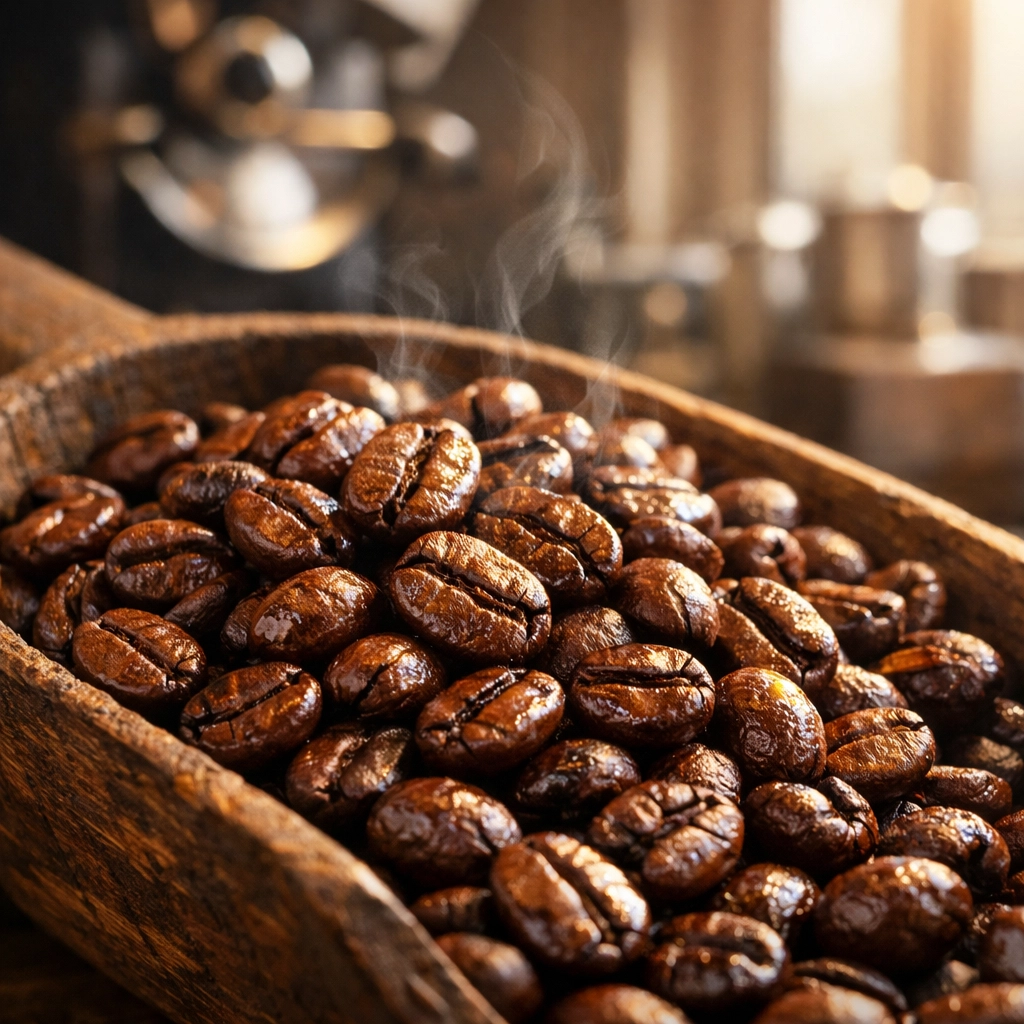
You see the word "Specialty" everywhere these days. It’s become a bit of a buzzword, hasn't it? But in the industry, "Specialty Coffee" actually has a very specific, technical meaning. It’s not just a fancy adjective we use to justify a higher price point.
Coffee is graded on a 100-point scale by certified "Q Graders." To be legally classified as specialty, the coffee must score 80 points or higher. Most of the stuff you find in tins at the grocery store? That’s commodity coffee, often scoring in the 60s or 70s.
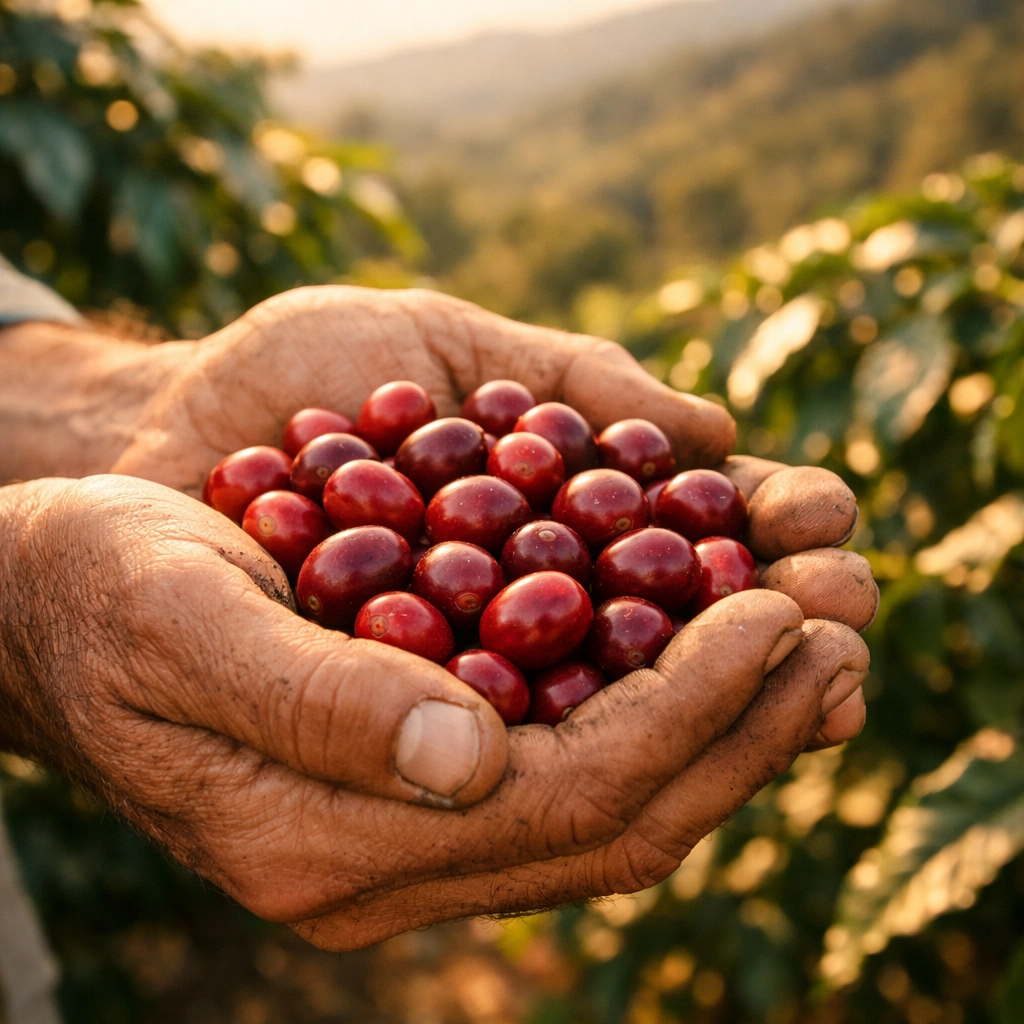
Why does this matter for your business? Because specialty coffee (the 80+ stuff) is grown with more care, harvested by hand to ensure only the ripe cherries are picked, and processed with extreme precision. This results in a cleaner cup with more complex acidity and sweetness.
When you're looking for wholesale specialty coffee, you’re essentially paying for the absence of defects. No mouldy beans, no sour under-ripe cherries, no sticks or stones. Just pure, high-quality Arabica. Speaking of which, most specialty coffee is 100% Arabica, as Robusta (the other main species) rarely hits those high scores due to its more bitter, rubbery flavour profile: though it does have twice the caffeine, if you're just looking for a heart-thumping kick!
The Relationship Secret: Direct Trade vs. The Exchange
The way coffee is bought and sold is often a mystery to café owners. Historically, coffee is a commodity traded on the "C-Market." The price fluctuates based on global supply and demand, often leaving farmers struggling to cover their production costs.
The secret that high-end coffee suppliers know is that the best coffee comes from long-term relationships. This is often called "Direct Trade." Instead of buying from an anonymous exchange, roasters work directly with farmers or small cooperatives.
Why should you care? Because when a farmer is paid a premium (well above the C-Market price), they can afford to invest in better equipment, better drying beds, and better wages for their pickers. This creates a virtuous cycle of quality. You get better beans, and the farmer gets a sustainable livelihood.
At Limini, we are incredibly proud of how we source. We want to know the story behind every bag. You can read more about our sourcing philosophy here. It’s not just about being "nice"; it’s about ensuring that the coffee you serve in 2026 is just as good, if not better, than the coffee you serve today.
Equipment: The Hidden Cost of "Free"
Here is a big one that catches out café startups all the time. You’re looking for wholesale coffee roasters, and someone offers you a "free" espresso machine if you buy their coffee.
Sounds like a dream, right? It’s usually a nightmare.
Nothing is ever truly free. Usually, that "free" machine comes with a contract that forces you to buy mediocre coffee at a massively inflated price. Even worse, those machines are often refurbished older models that lack the temperature stability you need for specialty coffee.
If you want to serve great drinks, you need to understand your equipment. Whether it’s a lever or an automatic machine, the goal is consistency. You need a machine that can hold a steady 92 °C (roughly 198 °F) and a consistent 9 BAR of pressure.
We always recommend that our partners invest in their own kit if they can. It gives you the freedom to choose the best beans and ensures you aren't tied into a bad deal. If you're feeling overwhelmed by the choices, we have a great guide on choosing espresso equipment to help you navigate the shiny world of stainless steel.
The "Invisible" Ingredient: Barista Training
You could have the most expensive beans in the world and a £15,000 La Marzocco, but if your barista doesn't know how to "dial in," the coffee will taste like battery acid.
One of the biggest secrets in the wholesale world is that your supplier’s support is more important than their price per kilo. A good supplier should be an educator.
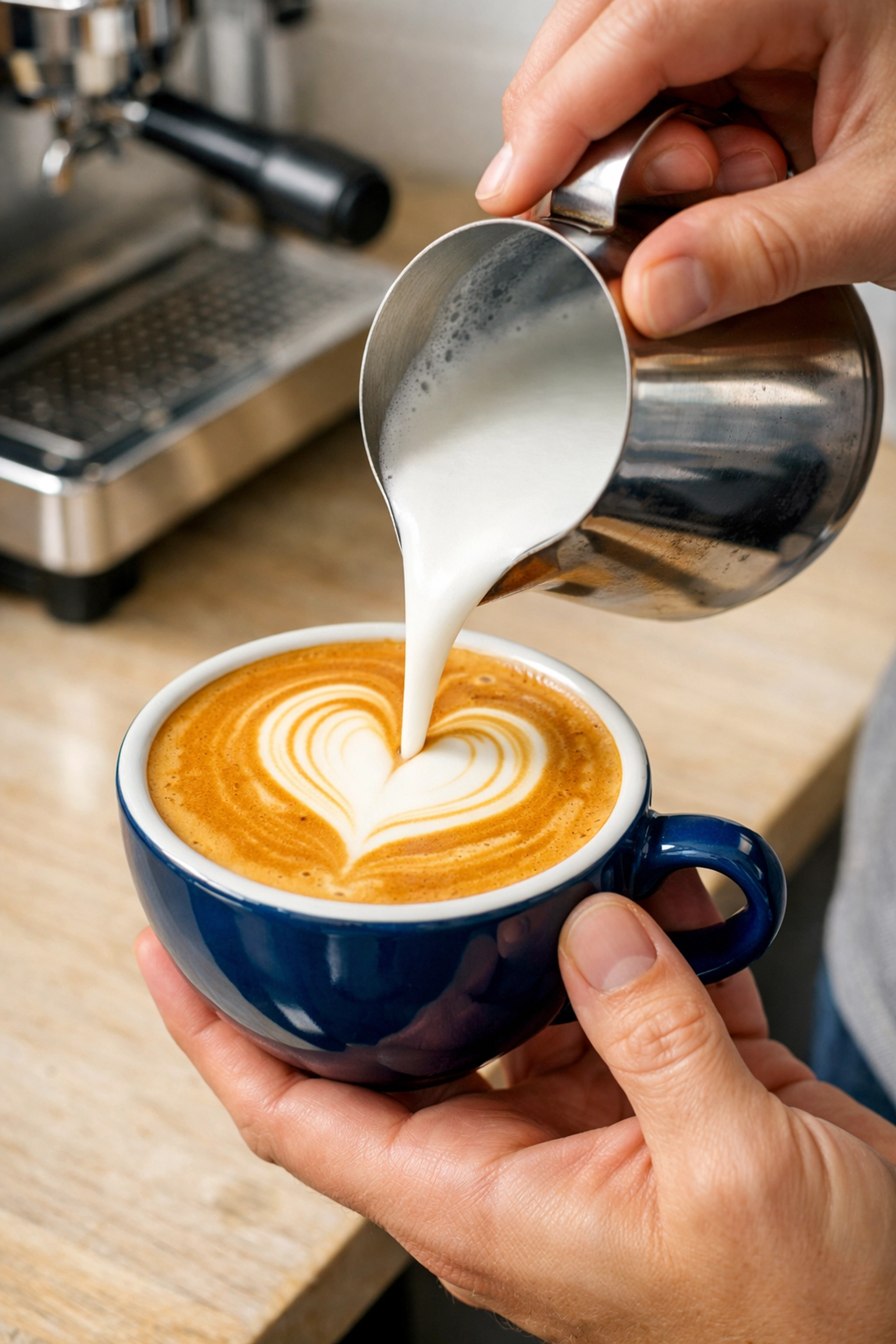
Are your shots running too fast? Is your milk texture more "bubble bath" than "silky microfoam"? You need a partner who can jump on a call or visit your site to fix those issues. We take this so seriously that we offer comprehensive barista training because we know our beans deserve to be prepared perfectly.
Everything from understanding milk to the fine art of tamping makes a difference. If your current supplier just drops the bags at the door and disappears, they aren't helping you grow; they’re just taking your money.
Why Consistency is King (and How to Keep It)
In the B2B world, your customers don't just want a great coffee; they want the same great coffee every single Tuesday morning at 8:15 AM.
This is where many wholesale coffee operations fail. Coffee is a seasonal fruit. A crop from Ethiopia might taste like jasmine and lemon in June, but by December, those notes might have faded. A great roaster knows how to manage these seasonal shifts, adjusting roast profiles to maintain a consistent flavour profile for your "house blend."
We use tools like brewing calculators and precise extraction measurements to ensure that what we roast is hitting the mark every time. We also encourage our cafés to look at the theatre of coffee. Watching a skilled barista work is part of the product you are selling. It creates an experience that keeps people coming back.
How to Choose the Right Coffee Supplier
So, how do you cut through the noise? When you’re vetting potential partners, ask them these four questions:
- When was this coffee roasted? (If they say "we roast to order," that’s a win.)
- What is the SCA score of this coffee? (Look for 80+.)
- What kind of tech support do you offer if my machine breaks on a Sunday morning?
- Can you help me with my shop fit-out and workflow? (Check out our advice on building a coffee shop for more on this.)
The best wholesale coffee roasters won't just talk about beans; they’ll talk about your business. They’ll care about your margins, your workflow, and your customer satisfaction.
Final Thoughts: Let's Get Brewing
Starting or running a coffee business is a lot of work, but it’s also incredibly rewarding. There is nothing quite like the feeling of serving a perfect Americano or a glossy flat white to a regular who truly appreciates the craft.
Don't let the "experts" intimidate you with jargon. At the end of the day, it’s about fresh beans, clean equipment, and a passion for service.
If you’re looking for a partner who lives and breathes this stuff, we’d love to chat. You can explore everything we offer, from beans to machines, via Scott’s affiliate link right here.
Whether you need wholesale support or just want to learn more about us, we’re here to help. Let’s make the world of specialty coffee a little less mysterious and a lot more delicious, one cup at a time.
Keep roasting, keep brewing, and most importantly, keep enjoying the process!