There's something wonderful about a house full of people on a Sunday morning. Family gathered around the table, friends staying over after a late night, or just a busy household where everyone's caffeine needs hit at the same time.
But here's the thing: when you've got five people waiting for their morning coffee, the romantic ritual of individual pour-overs quickly becomes impractical. You can't exactly stand at the kettle for forty minutes while your guests (or very patient family members) wait their turn.
So let's talk about batch brewing done right. Because making great coffee for a crowd doesn't mean compromising on quality. It just means understanding the techniques that scale up beautifully.
Your Best Friends for Batch Brewing
When it comes to brewing larger quantities without losing the flavour you love, you've got three solid options.
The French Press: Full-Bodied and Foolproof
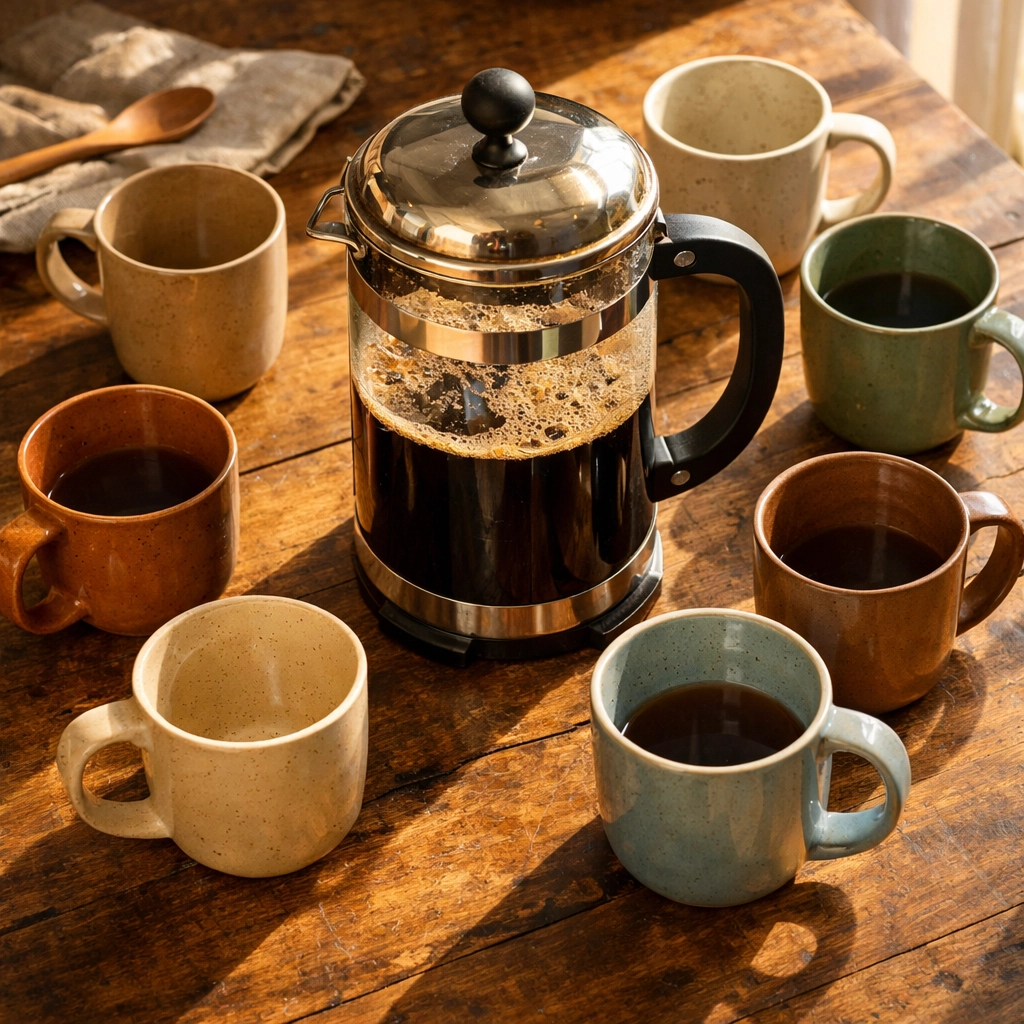
The French press is brilliant for groups. The direct contact between grounds and water creates that full-bodied, robust cup that tends to please most coffee drinkers. And the beauty is: you probably already own one.
If you're regularly brewing for more than four people, it's worth investing in a larger French press. A 1-litre model will comfortably serve six to eight mugs, depending on how generous your pours are.
The method couldn't be simpler: coarse grounds, hot water (around 93°C), four minutes of steeping, then press and pour. No paper filters to run out of, no complicated technique to master.
The Batch Brew Machine: Set It and Forget It
For daily family coffee needs, a quality drip machine is hard to beat. We're not talking about the £20 supermarket model gathering dust in your cupboard. Look for something with proper temperature control and even water distribution.
Commercial-style brewers like Bunn or Curtis models can often be found second-hand, and they're built to brew quickly and consistently. The advantage here is speed: you can have a full pot ready in minutes, and if you need more, you can start a second batch immediately.
These machines also keep coffee warm (though we'd recommend transferring to a thermal carafe rather than leaving it on a hot plate for ages).
Cold Brew: The Make-Ahead Marvel
If you're planning ahead, cold brew is your secret weapon. Mix coarsely ground coffee with cold water in a large jar or pitcher, leave it in the fridge for 12 to 24 hours, then filter it out. What you're left with is a smooth, concentrated coffee that you can dilute with water, milk, or serve over ice.
The concentration means you can brew a relatively small amount that serves a surprising number of people. And because it keeps in the fridge for up to two weeks, you can prepare it before guests arrive and have one less thing to worry about.
For a test batch, try 75g of coarsely ground coffee steeped in 600ml of water for 16 hours. Filter it through a fine mesh sieve or coffee filter, and you've got enough concentrate for several servings.
The Ratio Rules: Scaling Up Without Losing Flavour
Here's where many people go wrong with batch brewing: they assume the same ratio that works for a single cup will work for a large pot. Not quite.
The Specialty Coffee Association recommends starting with 60 grams of coffee per litre of water as your baseline. This is often called the "golden ratio," and it scales beautifully. Half a litre? Use 30g. Two litres? Use 120g.
But here's the important bit: your ratio is just your starting point. Different brewing methods, different coffees, and different household preferences all mean you might need to adjust. Some families prefer a stronger cup (try 65-70g per litre), whilst others find that too intense (drop it to 55g per litre).
We keep a small kitchen scale near our brewing station. Once you've found your family's sweet spot, it's easy to replicate consistently. No more "this one's too strong" or "did you use enough coffee?" conversations.
The Grind Matters More Than You Think
One of the biggest mistakes we see with batch brewing is using the wrong grind size. And it's usually too fine.
When you're brewing larger quantities, that fine grind you might use for your morning V60 becomes a problem. More coffee in the brewer means more contact time between grounds and water, and finer particles extract more quickly. The result? Over-extracted, bitter coffee that tastes dull and flat.
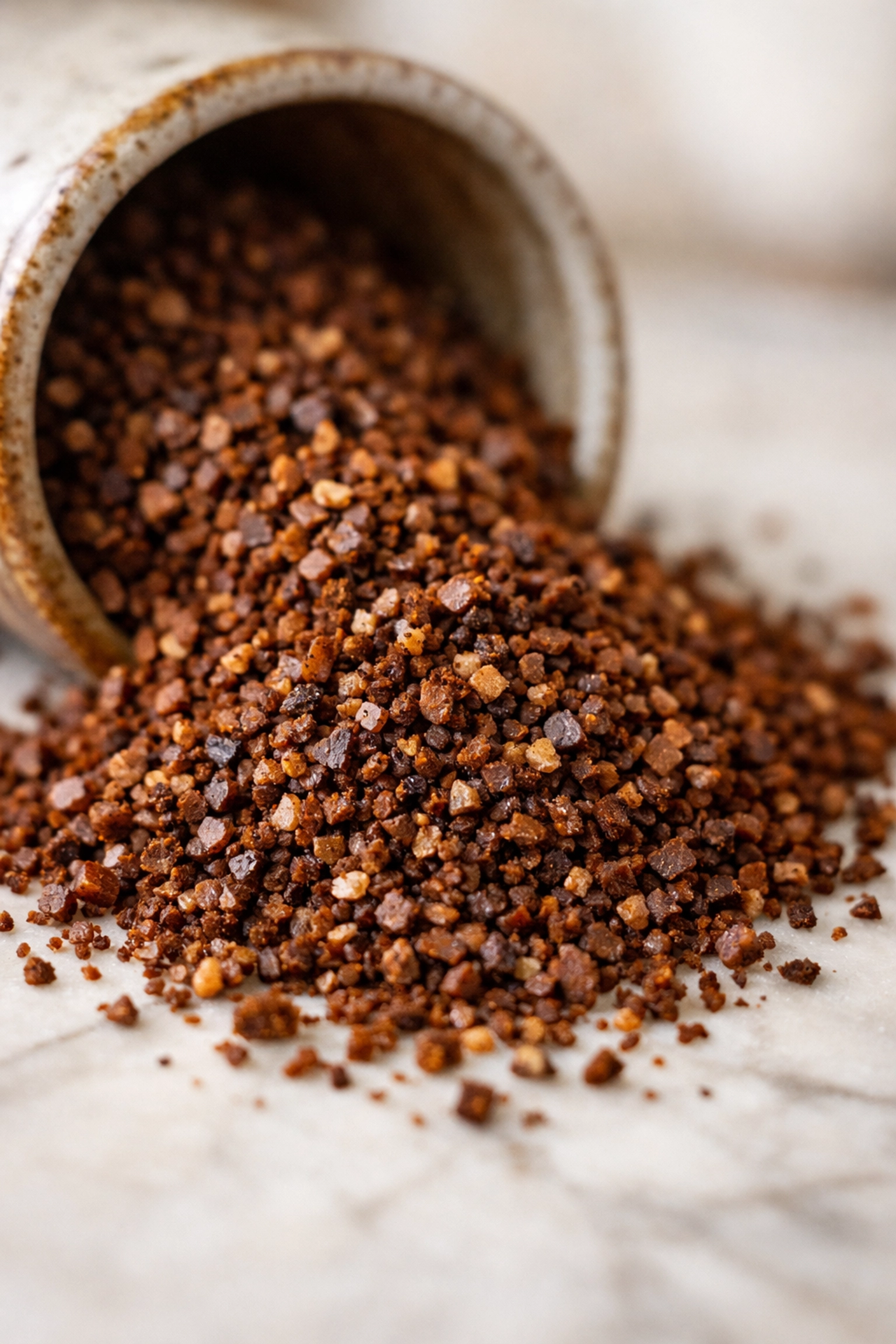
For French press batch brewing, you want a coarse grind: think sea salt or breadcrumbs. This allows proper extraction during the four-minute steep without pulling out all those harsh, bitter compounds.
For drip machines, aim for a medium-coarse grind. Slightly finer than French press, but still noticeably coarser than espresso. The longer the water takes to pass through your coffee bed, the coarser you want your grind.
If your coffee is tasting bitter and harsh, coarsen your grind. If it's tasting weak and sour, go a bit finer. Making these small adjustments is how you dial in the perfect batch brew for your household.
Fresh Beans Make All the Difference
This is where quality really shows itself. When you're brewing larger quantities, using pre-ground supermarket coffee that's been sitting on a shelf for months isn't going to cut it. Those subtle flavour notes that make coffee interesting? They've long since disappeared.
Fresh-roasted beans, on the other hand, bring all that flavour potential to your cup. And when you're serving multiple people, everyone notices the difference.
We obviously love what we do at Limini Coffee, and we're a bit obsessed with sourcing beans that work beautifully in batch brewing scenarios. Our coffees are roasted to order, which means they arrive at your door at their peak flavour potential: typically within days of roasting.
For family brewing, we'd suggest exploring our crowd-pleasing blends over at our shop. These are specifically developed to work well across different brewing methods and to appeal to a range of palates. Because when you're brewing for a group, you want something that makes everyone happy, from your black-coffee purist uncle to your milky-flat-white-loving sister.
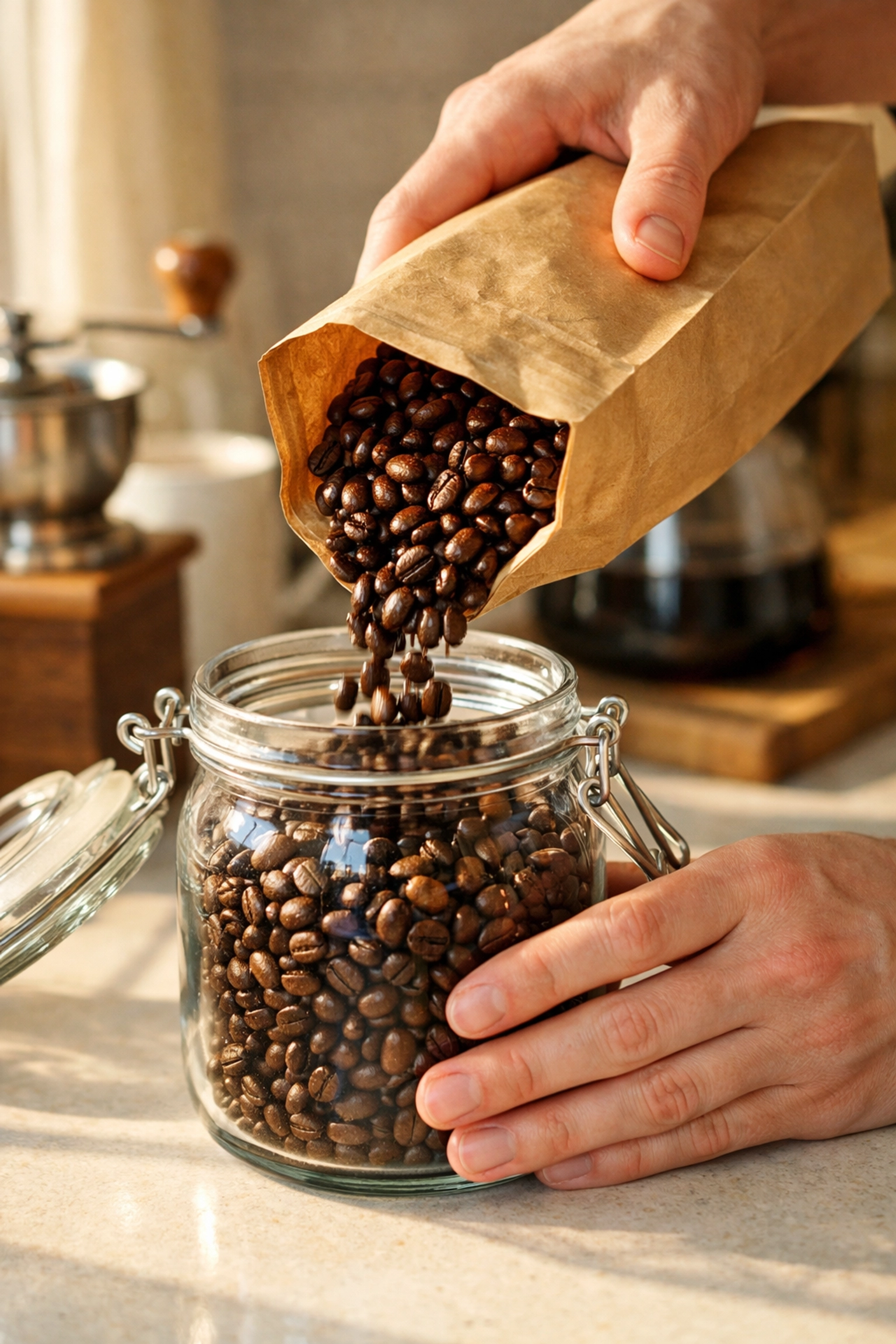
The difference truly is night and day. Fresh beans have oils, aromatics, and flavour compounds that simply aren't present in stale coffee. When you're making a full pot, that quality scales up: you're not just making more coffee, you're making more good coffee.
Practical Tips for Consistent Results
Beyond the basics of ratio and grind, here are some techniques that'll help you nail batch brewing every time:
Bloom your coffee. Even in a drip machine, giving your grounds 30 seconds with a small amount of water before the full brew begins helps release carbon dioxide and improves extraction. Some machines do this automatically, but if yours doesn't, you can pour a bit of water over the grounds manually, wait, then start the machine.
Brew in manageable sizes. Don't try to make a 3-litre mega-pot. Quality tends to drop off after about 2 litres. If you need more coffee than that, brew two separate batches. It's worth the extra few minutes.
Pour more aggressively. When using a French press, don't be timid with your pour. A faster, more assertive pour reduces total brew time and can prevent over-extraction in larger batches.
Pre-heat everything. Rinse your French press or carafe with hot water before brewing. Cold vessels steal heat from your coffee, and temperature plays a crucial role in extraction. This is especially important with batch brewing where the coffee-to-thermal-mass ratio is different than single cups.
Don't let it sit. Coffee starts deteriorating the moment it's brewed. If you're using a drip machine with a hot plate, transfer the coffee to a thermal carafe within 15-20 minutes. That hot plate is literally cooking your coffee, creating bitter, burnt flavours.
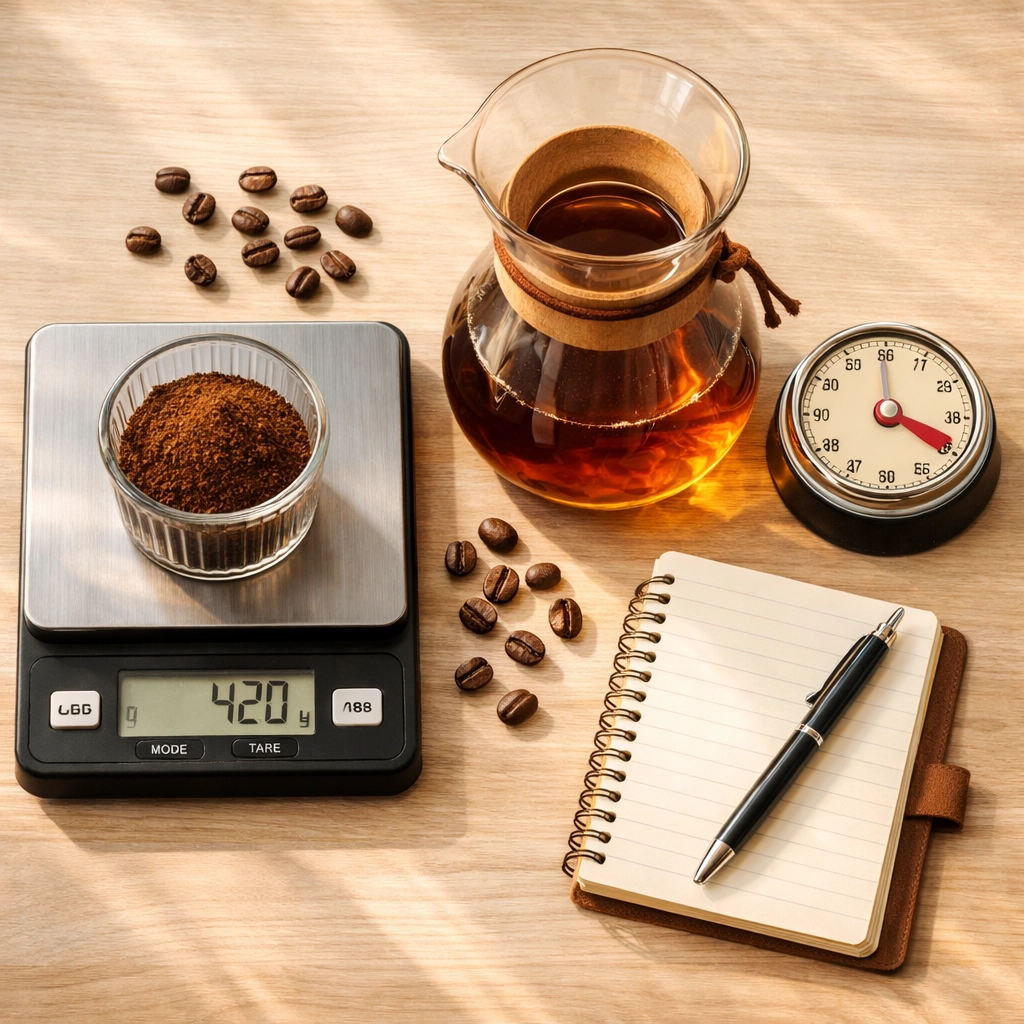
Store your beans properly. Keep your coffee in an airtight container away from light, heat, and moisture. The freezer is fine for long-term storage, but for daily use, a sealed container in a cool cupboard is perfect.
Making It Work for Your House
Every household is different. Maybe your lot prefers a mellower brew in the morning, or perhaps you're serving proper coffee enthusiasts who appreciate something more adventurous.
The wonderful thing about batch brewing is that once you've dialled in your method, your ratio, and found beans you love, it becomes second nature. You can produce consistently excellent coffee without thinking too hard about it.
And that's rather the point, isn't it? When the house is full, you want to spend time with people, not faffing about with complicated coffee rituals. Batch brewing done well means everyone gets a proper cup, and you get to actually sit down and enjoy yours.
If you're looking to level up your batch brewing game, explore what's available at Limini Coffee. Fresh beans, roasted with care, make this whole process so much more rewarding.
Because at the end of the day, great coffee brings people together. And when everyone's gathered around that table with a proper cup in hand, you've done your job well.